Disclosure: As an Amazon Associate, UMT Smart Tool earns from qualifying purchases made through links in this guide, at no extra cost to you. This guide is built from product listings and maker specifications, not from our own direct testing. Listing details change often, so check the current listing before you buy. Last updated: November 9, 2026.
The best vacuum depends less on headline suction numbers than on fit: your floors, your storage, whether pets shed on the sofa, and how much maintenance you will actually do. A corded upright suits deep carpet cleaning, a cordless stick suits quick pickups, and a robot keeps on top of dust between proper cleans. The six choices below cover those jobs with well-known models from Dyson, Shark, Miele, Roborock, and Bissell.
Quick Choices
If you want the short version, begin here. Each choice is broken down in full below.
| Product | Type | Best For |
|---|---|---|
| Dyson V15 Detect | Cordless stick | Most homes, mixed floors |
| Shark PowerDetect Clean & Empty | Cordless stick with auto-empty dock | Pet hair, less frequent emptying |
| Miele Complete C3 Cat & Dog | Bagged canister | Quiet, long-term ownership |
| Roborock S8 | Robot vacuum | Hands-off daily upkeep |
| Bissell CleanView Swivel Pet 2252 | Corded upright | Value-focused pet cleaning |
| Shark Navigator Lift-Away NV352 | Corded upright | Simple, good-value all-rounder |
In this guide
Our Choices
Top pick
1. Dyson V15 Detect
The Dyson V15 Detect is a premium cordless stick vacuum built around two ideas: showing you what it choices up, and adapting to the floor in front of it. Its laser-equipped hard-floor head reveals fine dust that is easy to miss in normal light, and a display reports particle counts and remaining run time, which helps you slow down on dirty patches instead of guessing. Suction is strong for a cordless model, and the whole-machine filtration traps fine particles rather than blowing them back into the room. It converts to a handheld for stairs, upholstery, and car interiors, and the included tools cover most detail jobs. The trade-offs are familiar. The dust bin is small, so larger homes mean more emptying trips, run time drops sharply on the highest setting, and replacement batteries and filters add to long-term costs. Choose it if you want one flexible vacuum for mixed floors, value good filtration, and prefer a cordless for quick messes and weekly cleaning alike.

2. Shark PowerDetect Clean & Empty
The Shark PowerDetect Clean & Empty is a cordless stick vacuum that tries to solve two common complaints about the format: bins that need constant emptying, and brush rolls that struggle when you change floors. When you return it to its dock, the vacuum empties itself into a larger sealed base, so daily emptying becomes an occasional job. Shark’s floor head is designed to detect floor type, edges, and heavier dirt, then adjust in response, and it works in both forward and reverse passes rather than only pushing forward. That makes it practical for busy homes with pets, where hair, litter, and tracked-in grit appear daily. As a handheld it handles stairs and furniture well, though the dock takes up floor and outlet space, and base components are an ongoing consideration. It is not the lightest stick for long overhead sessions. Choose it if you like cordless convenience but dislike emptying small bins, and you have a permanent corner where a charging and emptying dock can live.

3. Miele Complete C3 Cat & Dog
The Miele Complete C3 Cat & Dog is a bagged canister vacuum, and it takes the opposite approach to the cordless models above: no battery to run down, no small bin to empty constantly, and a build aimed at many years of service. The canister body follows behind you on casters while the wand and floor head do the work, which keeps the weight in your hand low and makes stairs, curtains, and under-furniture cleaning easier than with a full-size upright. It is notably quiet in normal use, offers adjustable suction for everything from drapes to deep carpet, and uses sealed dust bags plus exhaust filtration, which suits allergy-conscious households because emptying means removing a closed bag rather than shaking out a bin. A powered brush head is intended for pet hair on carpet. The trade-offs are cost and upkeep: it is a premium listing detail tier purchase, bags and filters are a continuing expense, and a canister takes more storage and set-up time than a stick. Choose it for a long-term, quiet, thorough clean.
4. Roborock S8
The Roborock S8 is a robot vacuum for people who would rather clean little and often than haul out a full-size machine every day. It maps your rooms, follows planned routes instead of wandering at random, and can be scheduled from an app to run while you are out, returning to its dock to recharge. Obstacle avoidance helps it steer around shoes, cables, and chair legs, and the brush design aims to choice up hair without constant tangling. Its cleaning and mopping functions suit hard floors, where daily dust and crumbs are the main problem, and it slips under sofas and beds that uprights cannot reach. Be clear about its limits, though. A robot maintains floors; it does not replace deep carpet cleaning, stairs still need a handheld or stick, and you will need to empty the bin, clean sensors and brushes, and occasionally rescue it from a rug fringe or a closed door. It is a premium listing detail tier appliance. Choose it to keep hard floors and low-pile rugs tidy between deeper cleans.
5. Bissell CleanView Swivel Pet 2252
The Bissell CleanView Swivel Pet 2252 is a corded, bagless upright aimed squarely at pet owners who want a straightforward machine at a value-focused listing detail tier. Its brush roll is designed to reduce hair wrapping and scatter on hard floors, the swivel steering makes it easy to work around furniture, and the included pet tools are meant for upholstery and stairs, where hair collects most. Because it is corded, suction does not fade mid-clean and there is no battery to replace later; because it is bagless, there are no bags to buy, and the dirt cup empties over a trash can. The compromises reflect the listing detail tier. It is heavier and louder than the premium choices here, materials feel more basic, filtration is more modest than on sealed, HEPA-focused models, and hose reach for high spots is limited. You will also need to wash or replace filters on schedule. Choose it if a dog or cat is your main cleaning challenge, and you prefer simple controls and low running costs over refinement.
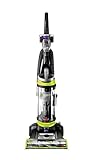
6. Shark Navigator Lift-Away NV352
The Shark Navigator Lift-Away NV352 has been sold for years, and its appeal is easy to understand: it is a corded, bagless upright that covers the basics well at a value-focused to mid-range listing detail tier. Its signature feature is the detachable pod. Lift the canister away from the floor head and you can carry it up stairs or clean furniture and car interiors without dragging the whole machine behind you. Sealed filtration with a HEPA filter suits buyers who want better dust control without a bagged canister, and the swivel head is manageable in smaller rooms and apartments. On carpet it gives a thorough clean for routine use, with no battery to charge or replace. The trade-offs are an older, more basic design: the bin is not large, the hose arrangement can feel awkward for extended above-floor cleaning, and it lacks the automatic adjustments and docks of newer models. Choose it if you want a proven, corded all-rounder for a smaller home, and value lift-away flexibility more than the latest features.
Best by Category
- Best overall cordless: Dyson V15 Detect, for filtration, floor feedback, and handheld flexibility.
- Best cordless for pet hair: Shark PowerDetect Clean & Empty, thanks to its self-emptying dock.
- Best canister: Miele Complete C3 Cat & Dog, for quiet operation and sealed bags.
- Best robot: Roborock S8, for mapped, scheduled cleaning between deep cleans.
- Best value pet choice: Bissell CleanView Swivel Pet 2252, focused on hair pickup without battery costs.
- Best value upright: Shark Navigator Lift-Away NV352, a proven design with a detachable pod.
How to Choose
Types of Vacuum
Uprights are the traditional choice for carpeted homes: strong at deep cleaning, but heavier to carry. Cordless sticks are lighter and faster to grab, with smaller bins and batteries. Canisters separate the motor from the cleaning head, making them versatile and often quieter. Robots maintain floors on a schedule but cannot do stairs.
Suction and Filtration / HEPA
Suction figures are measured differently by each maker, so treat them as rough guides, not direct comparisons. How the floor head seals against the surface matters just as much. For filtration, look for a sealed system and a HEPA filter if dust and pollen are concerns. Bagged models contain dust best when emptying.
Corded vs Cordless Battery
Corded vacuums clean as long as you need, with no battery to wear out, but the cord limits reach in larger homes. Cordless models are easier for quick jobs and stairs, yet run time falls on maximum power and batteries lose capacity over the years. Check whether a cordless battery is removable and replaceable.
Capacity
Capacity decides how often you stop to empty. Small stick bins are fine for apartments but fill quickly with pet hair. Larger upright bins and canister bags suit bigger spaces. Do not fill a bagless bin past its marked line, or pickup can suffer.
Attachments
A crevice tool, dusting brush, and upholstery tool cover most homes. Pet owners benefit from a small motorized or turbo tool for sofas and stairs, while hard-floor homes may prefer a soft roller or parquet head. Attachments stored on the machine get used; ones left in a closet often do not.
Noise
Noise matters if you clean early, late, or near a sleeping child or a nervous pet. Canisters and robots are often easier to live with; uprights and maximum power modes are usually loudest. Published noise figures are not measured the same way by every maker, so treat them as a rough indication.
Maintenance Costs
The purchase listing detail is only part of the cost. Bagged models need replacement bags, most models need new filters on a schedule, and cordless models may eventually need a battery. Check that bags and filters for your model are easy to find, and factor that cost in.
Floor Types and Brush Heads Explained
A vacuum that works well on one surface can struggle on another, and the brush head is usually the reason. Bare hardwood and tile call for a soft roller or a roller with no stiff bristles, because hard bristles can flick debris across the floor instead of lifting it. Medium and high pile carpet, on the other hand, needs a motorized brush bar that agitates the fibers so dirt trapped at the base can rise into the airflow.
Many households have a mix, so look for a head that lets you switch the brush off or swap rollers. The table below summarizes how common head styles tend to suit different surfaces, based on how makers describe them.
| Head style | Suits | Watch out for |
|---|---|---|
| Stiff bristle brush bar | Medium and thick carpet | Can scatter debris on hard floors |
| Soft roller | Hardwood, tile, laminate | Less agitation on deep pile |
| Dual or hybrid head | Mixed flooring homes | Heavier head, more to clean |
| Suction only nozzle | Delicate rugs, bare floors | Weaker on embedded dirt |
Also check whether the head has a way to cut hair from the roller. Long hair wraps tightly, and a head you can open in seconds saves a lot of frustration.
Reading a Vacuum Spec Sheet Sensibly
Listings are full of numbers, and not all of them tell you the same thing. Airflow, usually shown in cubic feet per minute, describes how much air moves through the machine. Suction power, often in air watts or pascals, describes the pulling force. Neither figure means much alone, because the design of the nozzle and the seals decide how much of that power reaches the floor.
Numbers worth a closer look
- Runtime: makers often quote the lowest power setting, so expect less in boost mode.
- Dust bin volume: a bigger bin means fewer trips to the trash, but also a heavier machine.
- Weight: check whether the quoted weight includes the handheld unit and wand.
- Cord length: a longer cord reduces how often you swap outlets.
Features that sound good but matter less
Extra display screens, app connectivity and a long list of included brushes can be handy, yet they should not outweigh basics such as a comfortable handle, easy bin emptying and available replacement parts.
Cleaning Stairs, Cars and Tight Corners
Whole-floor cleaning is only part of the job. Stairs, upholstery, car interiors and the gap beside the fridge each need a different approach, and the vacuum you pick should make those tasks reasonable. Lightweight stick and handheld formats shine here because you can carry them in one hand and reach awkward angles without wrestling a hose.
If stairs are a regular chore, a machine with a detachable handheld pod or a long flexible hose is far easier than a heavy upright. For cars, a crevice tool and a small motorized brush cover most seat and carpet work. For corners and baseboards, a soft dusting brush avoids scratching painted trim.
Think about storage too. A wall dock keeps a cordless unit charged and tucked away, while an upright needs floor space in a closet. Matching the format to your home saves more effort than chasing a slightly stronger motor.
Common Vacuum Buying Mistakes
Several errors come up again and again when people shop for a new machine. Avoiding them is often more valuable than comparing spec sheets line by line.
- Choosing by suction number alone and ignoring head design and seals.
- Overlooking the cost and availability of replacement filters, bags and batteries.
- Buying a heavy upright for a home with many stairs, or a small stick for a large carpeted house.
- Ignoring noise when someone works nights or a baby naps during the day.
- Skipping the return policy details, which differ between sellers.
Before you buy, write down your floor types, your biggest cleaning pain point and where the machine will live. That short list will filter most options quickly and keep you from paying for features you will never use.
More Vacuums Worth a Look
Tineco Pure ONE S11
The Pure ONE S11 is a cordless smart stick that adds a small display and sensors to adjust power as it moves across different surfaces. Makers describe it as lightweight enough for stairs and quick daily passes, with a swappable battery design. It suits apartments and mid-size homes where a full upright feels like too much. As with any battery model, check runtime and replacement battery availability on the current listing before deciding.

Eufy RoboVac 11S Max
The RoboVac 11S Max is a slim robot vacuum intended for hard floors and low pile rugs. Its low profile lets it slide under many sofas and beds, and it is designed to run on a schedule without much supervision. It is a sensible add-on for daily upkeep rather than a replacement for deep cleaning. Pet owners should read the listing for brush roll and bin details.
Hoover WindTunnel 3 High Performance Pet UH70910
This corded bagless upright is aimed at homes with carpet and shedding pets. It combines a brush roll with a washable filter and an on-board tool set for stairs and furniture. Corded power means there is no battery to worry about, though the cord and the weight of an upright can be a trade-off in small spaces. Confirm included attachments on the listing.
Miele Classic C1 Turbo Team
The Classic C1 Turbo Team is a bagged canister with a motorized brush head intended for a mix of carpet and hard floors. Canisters tend to be quieter and easier on stairs thanks to the light wand, and sealed bags keep dust contained when you empty. It suits people who prefer a long-lived, serviceable machine and do not mind storing a hose and canister.
More Questions Buyers Ask
How long should a vacuum last?
Lifespan depends heavily on use and upkeep. Corded uprights and canisters that get regular filter cleaning and belt or brush checks often stay useful for many years, while battery models depend on how the battery ages. Look for available spare parts and a clear warranty, since those matter more than any general lifespan claim.
Is a bagless or bagged vacuum easier to live with?
Bagless models save the ongoing cost of bags and let you see when the bin is full, but emptying can release dust. Bagged models keep the mess sealed away and tend to be tidier to empty, at the cost of buying bags. Choose based on how sensitive you are to dust and how often you will empty it.
Can I use a vacuum on stairs safely?
Yes, but weight and balance matter. A light stick or a handheld pod is easier to carry than a large upright, and a longer hose helps with canisters. Keep cords clear of your feet, and never hold the machine in a way that blocks your view of the step below.
What maintenance does a vacuum need each month?
Empty the bin or bag before it is completely full, rinse or tap out washable filters as the maker directs, and clear hair from the brush roll. Check hoses for blockages and wipe sensors on robot units. Follow the manual for any battery or part care instructions.
Frequently Asked Questions
Is a cordless vacuum powerful enough for a whole house?
For many homes, yes, especially on hard floors and low-pile carpet, as long as you work within the battery’s limits. Deep-pile carpet and very large homes still suit a corded model better.
Are bagged vacuums better than bagless?
Bagged models usually contain dust and allergens better when emptying, and need less filter washing. Bagless models save the cost of bags, but emptying can release dust. Neither is automatically better; it depends on your allergies and value.
Do I need a HEPA filter?
If anyone at home has asthma or dust allergies, a sealed system with HEPA filtration is worth prioritizing, because it reduces fine particles blown back into the air. Otherwise, a good standard system, maintained properly, is usually sufficient.
Can a robot vacuum replace a regular vacuum?
Not completely. A robot is excellent at daily dust, crumbs, and pet hair on open floors. It cannot clean stairs or upholstery, and it will not deep-clean carpet like a full-size upright or canister. Most owners use one for upkeep and a conventional vacuum for deep cleaning.
How often should I replace filters and bags?
Follow the maker’s schedule for your model, because intervals vary. Check filters monthly, wash or replace them when dirty, and change bags when genuinely full. A vacuum that suddenly seems weaker often just needs a clean filter or an emptied bin.
Which vacuum type is best for pet hair?
Look for a brush roll designed to resist tangling, good upholstery tools, and a bin or bag you can empty without touching the hair. Corded uprights suit heavy shedding; a robot run frequently prevents build-up.
Bottom Line
Choice the format that fits your floors and routine first, then choose within it. The Dyson V15 Detect is the flexible cordless to beat, the Miele Complete C3 Cat & Dog is the long-term canister choice, the Roborock S8 keeps floors tidy day to day, and the Bissell and Shark uprights cover pet hair and value. Check the current listing detail and included tools for the exact configuration you are buying.