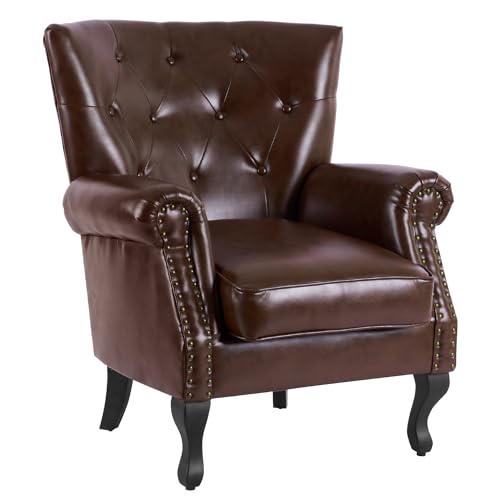
Affiliate disclosure: This article contains affiliate links. If you buy through a link on this page, we may earn a commission at no extra cost to you. That commission helps fund the research behind guides like this one, and it never changes which chairs earn a place on the list.
Where to buy: The two chairs in this guide to the best glider chairs for baby that we could verify in detail are sold on Amazon, where you can check the current fabric options, dimensions and delivery terms before you order. Start with the Costzon Nursery Glider with Ottoman if you want a matched footrest included, or the GIANTEX Rocking Chair Nursery if a soft boucle finish suits your room better. Prices and availability change often, so always check price on Amazon and confirm the details shown for the listing reached from umtsmarttool.com on the day you buy.
The best glider chairs for baby are the ones you will still be glad you bought at three in the morning, six weeks after the newborn photos have been taken and the visitors have gone home. A glider looks like a simple piece of nursery furniture on a product page. In real life it becomes the place where feeds happen, where a fussy evening finally settles, where a parent reads the same board book for the fortieth time and where, on the hardest nights, somebody simply sits and rocks because standing and swaying has stopped working. That is why choosing among glider chairs for a baby is less about matching a crib finish and more about motion, support and how a chair behaves when you are tired, holding a small person with one arm and reaching for a water bottle with the other.
This guide approaches the shortlist from the feeding-and-soothing angle first. Every chair here had to earn its place on questions a new parent actually asks: Is the glide quiet enough for a sleeping infant? Are the armrests at a height that supports a feeding elbow instead of fighting it? Can you get out of the seat while holding a baby without performing a small acrobatic routine? Does the fabric survive the ordinary mess of milk, dribble and the occasional spectacular spit-up? Two of the six chairs were verified in detail against current listings, and those carry purchase links and photographs. The other four are well-known nursery models described in prose only, included because parents cross-shop them constantly and a guide that ignored them would be less useful. Where a chair is prose-only, we say what it is known for and who it suits, without a link, so you can research it separately.
One more thing before the picks. A glider is not a substitute for safe sleep practices, and no chair in this guide is a place for a baby to sleep unattended. What a good glider does is make the awake hours calmer: the feeds, the cuddles, the wind-down routine before the crib. Buy it for those hours and it will repay you every single day of the first year, and usually well beyond it, because toddlers who no longer need rocking to sleep still climb into a lap for stories in exactly the same chair.
Key Takeaways
- A smooth, quiet glide matters more than almost any styling detail, because the chair earns its keep during night feeds and overtired evenings.
- An included ottoman, like the one paired with our Best Overall pick, removes a separate purchase and keeps feeding posture consistent from the first week.
- Armrest height and seat depth decide feeding comfort. Support the elbow, keep feet grounded, and the chair disappears underneath you in the best possible way.
- Boucle and textured fabrics hide everyday nursery marks well and suit parents who want the chair to move into a living room later.
- Measure your doorway and your nursery corner before ordering. A glider that cannot reach the room, or that glides into a wall, helps nobody.
- Prose-only picks in this guide are widely sold nursery models we could not verify to our linking standard, so they carry no purchase link by design.
In this guide
Quick Picks: The Best Glider Chairs for Baby at a Glance
| Pick | Badge | Why it is here | Check it |
|---|---|---|---|
| Costzon Nursery Glider with Ottoman | Best Overall | Verified glider-and-ottoman set with padded cushion, storage pocket and solid wood base, built squarely around feeding and napping routines. | Check on Amazon |
| GIANTEX Rocking Chair Nursery | Best Modern Boucle | Verified boucle glider rocker with a high ergonomic backrest, rubber wood legs and a side pocket, styled to outlive the nursery. | Check on Amazon |
| Storkcraft Premium Hoop Glider and Ottoman | Best Classic Value | A long-running hoop-frame nursery pairing that parents choose when they want a traditional look and a separate gliding footrest. | Prose only |
| DaVinci Olive Glider and Ottoman | Best Swivel Motion | A swivel glider combination known for turning toward a crib or door without dragging the base across the floor. | Prose only |
| Babyletto Kiwi Electronic Recliner and Swivel Glider | Best Powered Recline | A powered reclining glider aimed at parents who want push-button recline during long contact naps and feeds. | Prose only |
| Delta Children Kenwick Nursery Glider | Best Compact Footprint | A smaller-scale nursery glider that suits apartments and shared rooms where a full lounge chair would crowd the crib. | Prose only |
The table hides an important split. The Costzon and the GIANTEX represent two different philosophies. One is the complete traditional nursery station: chair, ottoman, pocket, padded cushion, everything decided for you. The other is a design-led rocker that happens to glide, made for parents who already know this chair will end up beside a sofa in three years. Neither philosophy is wrong. The right one depends on whether your priority is a ready-made feeding corner or a piece of furniture with a second life, and the detailed reviews below take each chair on its own terms.
How We Chose These Glider Chairs for a Baby
We started with the motion itself. A glider moves back and forth on a fixed base, travelling in a flat, controlled path rather than tipping like a traditional rocker. For baby care that difference is everything. The flat path feels stable when you sit down holding an infant, it does not wander across the floor during a long feed, and it is far less likely to catch a crawling baby’s fingers or a pet’s tail once your child starts exploring. When we assessed the Costzon nursery glider, the solid wood base and the matched ottoman were central to its score, because a footrest that glides in rhythm with the chair keeps the whole motion coherent instead of breaking it every time your feet shift.
Support came next, and we judged it the way a feeding parent would. The seat needs enough cushion that a forty-minute cluster feed does not leave you numb, but not so much softness that you sink and struggle to stand. The back needs height for a tired head at night. Armrests need to land where a forearm naturally rests while cradling a baby, and they need padding, because an unpadded wooden arm under a feeding elbow becomes a complaint within a week. The GIANTEX glider rocker scored well here on the strength of its ergonomic high backrest, a feature that sounds like marketing until you lean back at midnight and your shoulders finally drop.
We also weighed the practical nursery details that product photos rarely show. Storage pockets matter more than you expect: a pocket that holds a burp cloth, a phone and a water bottle within reach saves you from the one-handed shuffle every parent knows. Fabric matters because it will be cleaned, often, usually one-handed, usually in poor light. Room fit matters because nurseries are frequently the smallest bedroom in the house. And long-term value matters because the most expensive glider is the one you hate by month two and replace. Chairs that only looked good in a styled photograph, without the support or motion to back the picture up, did not make this list, however popular their names may be.
Finally, a note on verification. Two chairs in this guide were checked in detail against their current listings, including their construction claims and included pieces, and those are the chairs with photographs and purchase links. The remaining four are established nursery models included for comparison, described from their well-documented designs. We would rather link you to fewer chairs and stand behind every link than scatter links across models we could not confirm.

1. Costzon Nursery Glider with Ottoman — Best Overall
The Costzon Nursery Glider with Ottoman wins the top spot because it answers the whole nursery question in one purchase. Many gliders ask you to solve the footrest problem separately, and parents routinely underestimate how much that matters until the first week of feeds, when tired legs and an awkward posture turn a calm routine into an endurance event. Here the ottoman is part of the design from the start, matched to the chair and moving with the same gentle rhythm, so the feeding position you settle into on day three is the same position you can find again, half asleep, on day thirty.
Who should buy it? First-time parents building a nursery from an empty room, and anyone who knows the chair will be used mainly for feeding and settling rather than as a decorative accent. The padded cushion gives the seat a forgiving feel during long sessions, the solid wood base gives the glide a planted, unhurried character, and the storage pocket is the sort of unglamorous detail that becomes indispensable. Burp cloth, muslin, phone, the small torch you use instead of the ceiling light at night: a pocket within arm’s reach holds the kit so your free hand stays free. Parents who plan to feed in the chair several times a day will feel the benefit of the Costzon glider and ottoman set more than buyers who only expect occasional use.
Strengths / Trade-offs
- Strengths: Ottoman included, so feeding posture is complete from day one without a second order.
- Strengths: Padded cushioning suits long feeds and contact naps where you stay seated far longer than planned.
- Strengths: Storage pocket keeps feeding essentials within one-handed reach.
- Trade-offs: A chair-plus-ottoman footprint needs a genuinely clear corner, not just a gap beside the crib.
- Trade-offs: The traditional nursery styling is less disguised than design-led rockers once the baby years end.
- Trade-offs: Brown upholstery narrows your palette if the nursery is built around pale grey or white furniture.
Mini spec box: Type: glider rocker with matching ottoman. Base: solid wood. Extras: padded cushion and storage pocket. Intended use, per the maker: breastfeeding, napping and nursery rocking. Colour referenced in the verified listing: brown.
The honest limitation is space and style commitment. You are furnishing a feeding station, and a feeding station takes floor area: chair, ottoman, and enough glide clearance that neither piece kisses the wall. In a compact nursery that can mean choosing between this set and a larger dresser. The look is also unmistakably nursery-first. Plenty of families are happy for the chair to move to a playroom later, but if your plan is a seamless glide into a formal living room, the boucle pick below disguises its origins better. Neither point dents its feeding performance, which is what this ranking rewards. For the daily work of the first year, the Costzon nursery glider is the most complete answer we verified.
Best for: parents who want a complete, ready-made feeding corner with a matched ottoman. / Not suited for: very small nurseries where a separate footrest footprint will not fit.

2. GIANTEX Rocking Chair Nursery — Best Modern Boucle
The GIANTEX Rocking Chair Nursery is the pick for parents who flinch at the idea of buying furniture with a two-year lifespan. Its boucle upholstery and patchwork modern profile read as an accent chair first and a nursery chair second, which is precisely the point. In the nursery it does the real work: an ergonomic high backrest that supports your head and shoulders through a feed, rubber wood legs that give the rocking motion a warm, furniture-like feel, and a side pocket for the small things that otherwise migrate to the floor. Later, in a bedroom corner or beside a sofa, it simply keeps being a chair you like looking at.
Who should buy it? Parents furnishing a smaller or more design-conscious nursery, parents whose feeding chair will live in their own bedroom for the first months, and anyone buying once with a second room already in mind. The boucle texture deserves a specific mention for baby use: textured fabrics are forgiving. The small marks of daily feeding life show far less on a nubby boucle than on a flat, pale weave, which means the chair looks cared-for even during the weeks when nobody in the house has the energy to care for furniture. The high back also changes the feel of night feeds. Being able to rest your head properly, rather than perching upright, is the difference between a feed that frays you and one that does not, and the GIANTEX boucle glider rocker is built around that leaned-back posture.
Strengths / Trade-offs
- Strengths: Ergonomic high backrest supports head and shoulders during long, leaned-back feeds.
- Strengths: Boucle upholstery hides everyday marks and suits rooms beyond the nursery.
- Strengths: Side pocket keeps essentials close without a separate caddy.
- Trade-offs: No ottoman is included, so leg support is something you arrange separately.
- Trade-offs: A rocker-style profile travels in an arc, so it needs clear space behind it.
- Trade-offs: Textured boucle needs a gentler cleaning approach than a smooth wipe-clean fabric.
Mini spec box: Type: upholstered glider rocker. Upholstery: boucle. Back: ergonomic high backrest. Legs: rubber wood. Extras: side pocket. Suggested rooms, per the maker: bedroom, living room and office as well as nursery.
The honest limitation is the missing footrest. Some parents never miss one, especially those who feed with feet planted for stability, but if you know from the sofa that you always put your feet up, budget mentally for a pouffe or small ottoman of your own. The rocking arc also deserves respect in tight rooms: place it, sit in it, rock fully, and only then decide the furniture around it is final. Within those two caveats, this is the chair on the list most likely to still be in daily use when your baby is at school. Parents comparing the two verified picks directly often end up choosing the GIANTEX nursery rocker for looks and keeping it for the back support.
Best for: parents who want nursery comfort in a chair that transitions to a bedroom or living room. / Not suited for: parents who definitely want an included, matching ottoman.
3. Storkcraft Premium Hoop Glider and Ottoman — Best Classic Value
The Storkcraft Premium Hoop Glider and Ottoman represents the traditional end of the nursery market, and its longevity in catalogues tells its own story. The hoop glider format pairs a cushioned chair with exposed wooden arm and base elements and a separate ottoman that shares the gliding motion, producing the classic feeding-corner silhouette many parents picture before they ever start shopping. It is the chair grandparents recognise, the one that looks like the nursery in a storybook, and for plenty of families that familiarity is a feature rather than a compromise.
Who should buy it? Parents who like the traditional format, who want the ottoman question answered by a matched piece, and who prefer furniture that reads as nursery furniture without apology. The format’s virtues are practical. A separate gliding ottoman lets two adults configure the corner differently, the defined arms give a clear resting place for feeding support pillows, and the well-known design means replacement cushions and accessories for this style of chair are easy to find years later. In a larger nursery, arranged with a small side table and lamp, it makes a self-contained station that keeps night feeds out of the parental bed and gives the whole routine a home.
The trade-offs are equally familiar. Traditional hoop gliders wear their mechanics openly, and the look divides opinion once the nursery years pass; few families move this style into a living room. Cushions on value-oriented traditional chairs also tend to be the first thing to feel tired, so heavier daily use argues for checking cushion construction carefully wherever you buy it. We include it prose-only because we could not verify a current listing to our linking standard, but as a design benchmark it remains the chair that many buyers measure every other glider against, and for a classic nursery on a sensible budget it is still a rational shortlist entry.
Best for: traditional nurseries that want the classic chair-and-ottoman pairing. / Not suited for: buyers planning to reuse the chair as living-room furniture later.
4. DaVinci Olive Glider and Ottoman — Best Swivel Motion
The DaVinci Olive Glider and Ottoman adds a second motion to the nursery equation: swivel. A plain glider travels back and forth, which covers rocking a baby to sleep, but real nursery life also involves turning: toward the crib when you hear stirring, toward the door when a partner arrives with a bottle, toward the changing table without standing up while a baby sleeps on your chest. A swivel base handles all of that silently, and the Olive pairs that turning base with a matching ottoman, which is why it has become a default recommendation in so many nursery planning conversations.
Who should buy it? Parents arranging a corner where the chair faces into the room rather than at a wall, parents of twins or siblings who need to attend to more than one spot, and anyone whose nursery layout puts the crib and the door on different sides of the chair. The swivel also helps in shared rooms, where the chair may need to serve as ordinary seating by day. Instead of dragging a base around, you turn. It is a small mechanical kindness that you will use dozens of times a week, and unlike many features sold to new parents, it does not become obsolete when the newborn phase ends; a swivelling reading chair is useful for as long as bedtime stories last.
Its compromises follow from its mechanism. Moving parts deserve a careful check wherever you purchase, because a swivel that develops play or noise undermines the calm the chair exists to create. The ottoman, as with every set on this list, claims floor space. And the style, while cleaner than a hoop glider, still reads as a nursery piece first. We describe it prose-only here because no current listing met our verification bar for linking. As a concept, though, it defines an important category: if the Costzon’s fixed, planted glide appeals but your room demands flexibility of direction, a swivel glider of this type is the natural alternative to research next.
Best for: nurseries where the chair must turn toward crib, door and room alike. / Not suited for: buyers who want the simplest possible mechanism with nothing extra to maintain.
5. Babyletto Kiwi Electronic Recliner and Swivel Glider — Best Powered Recline
The Babyletto Kiwi Electronic Recliner and Swivel Glider is the technology-forward entry in this guide, built around a powered recline. The problem it solves is real and specific: you are holding a baby who has finally fallen asleep on you, your back is aching, and the manual recline lever on a conventional chair would need a free hand and a small jolt to operate. A powered mechanism moves slowly and quietly at the press of a control, letting you change position without changing the baby’s. For parents recovering from a difficult birth, or anyone facing weeks of long contact naps, that smoothness is not a luxury feature. It is the feature.
Who should buy it? Parents who expect long seated hours, parents who value recline as much as glide, and nurseries with a power outlet near the intended corner, because a powered chair tethers you to the wall in a way a wooden glider never does. The Kiwi’s swivel-plus-glide-plus-recline combination also makes it the most living-room-capable of the traditional nursery brands, and its styling tends to be more restrained than classic hoop designs. Families buying a single premium chair for a first child, with siblings possibly to follow, are the natural audience: the cost is spread across years of daily use.
The limitations are the mirror image of its strengths. Powered mechanisms cost more, weigh more and introduce a motor and controls into a room where simplicity has value. Placement is constrained by the outlet. And if the electronics ever fail, a manual glider’s honest simplicity starts to look wise. We include the Kiwi prose-only, without a link, because we could not verify its current listing to our standard. It earns its place in this guide as the representative of the powered category, and for the right family it is not an indulgence at all: it is the chair that makes recovery-period feeding genuinely comfortable.
Best for: long contact naps and parents who need effortless, quiet powered recline. / Not suited for: rooms without a conveniently placed outlet, or buyers who prefer purely mechanical furniture.
6. Delta Children Kenwick Nursery Glider — Best Compact Footprint
Not every nursery is a dedicated room. In apartments, in shared bedrooms and in the box room that many babies actually start life in, the glider has to earn a small footprint, and that is the brief the Delta Children Kenwick Nursery Glider is known for answering. A compact glider trims the generous lounge proportions of full-size chairs down to something that fits beside a mini crib or in the corner of the parents’ own room, while keeping the essential gliding motion that makes the category worthwhile in the first place.
Who should buy it? City parents, parents rooming-in with the baby for the first months, and anyone whose alternative to a compact glider is no glider at all. That last point matters. The perfect chair that does not fit helps nobody at three in the morning, while a right-sized glider that is actually in the room gets used for every feed. Compact chairs also tend to be easier to move between rooms as routines change, and easier to pass on or resell later. For grandparents buying a chair for their own home, where the nursery is a corner of a guest room, this scale of chair is often the sensible answer too.
The compromises are physical and unavoidable. A smaller seat suits smaller spaces, but taller or broader parents should be especially careful to test seat width and back height wherever they buy, because a compact chair that cramps the adult fails at its main job. Cushioning and arm presence are also trimmed in this class of chair compared with full-size models. We cover the Kenwick prose-only, as no verified listing was available to link. Treat it as the shortlist’s reminder that dimensions are a feature: measure first, fall in love second, and the chair you keep will be the one that fits both the room and the parent.
Best for: apartments, shared rooms and grandparents’ guest-room nurseries. / Not suited for: taller parents who need a full-size seat and tall back.
Side-by-Side Comparison
| Chair | Motion | Footrest | Defining strength | Link |
|---|---|---|---|---|
| Costzon Nursery Glider with Ottoman | Glide | Ottoman included | Complete feeding station with pocket and wood base | Check on Amazon |
| GIANTEX Rocking Chair Nursery | Rocking glide | Bring your own | Boucle finish and high backrest, transitions rooms | Check on Amazon |
| Storkcraft Premium Hoop Glider and Ottoman | Glide | Ottoman included | Classic hoop-frame nursery look | Prose only |
| DaVinci Olive Glider and Ottoman | Glide and swivel | Ottoman included | Turns toward crib or door in place | Prose only |
| Babyletto Kiwi Electronic Recliner and Swivel Glider | Glide, swivel, powered recline | Built-in recline | Push-button position change mid-nap | Prose only |
| Delta Children Kenwick Nursery Glider | Glide | Bring your own | Compact scale for small rooms | Prose only |
Read the table as a decision tree. If the ottoman question dominates, three sets answer it and the verified Costzon set is the one we could confirm in detail. If the chair’s afterlife dominates, the boucle GIANTEX stands alone. If your room turns the chair into a traffic junction, swivel models deserve your research time, and if your body needs recline more than anything, the powered category is worth its premium. There is no universally correct row here, only the row that matches your room, your body and your first year.
How to Choose a Glider Chair for Your Baby?
Start with the motion, and test it like a tired person
The glide should start easily, travel smoothly and stop without a clunk, because you will operate it while holding a baby and running on broken sleep. A chair that needs a shove to get going, or that develops a squeak in week two, will irritate you every day. Think about travel distance too. A long, slow glide suits settling a baby over many minutes. A shorter motion feels more like a rocker and suits quick comfort. Neither is better in the abstract, but one will match the rhythm you naturally fall into when you pace the floor at night, and that is the rhythm to buy. If you are choosing between our verified pair, the planted glide of the Costzon glider and the rocker character of the GIANTEX feel genuinely different, so let your own pacing habit arbitrate.
Fit the chair to the feeding adult, not the photograph
Sit in any chair you consider, or study its dimensions as if you were. Your feet should rest flat or on an ottoman without your knees pointing uphill. Your lower back should meet the chair back without a gap you have to stuff a cushion into. Your elbows should land on the armrests while your hands cradle an imaginary baby at a comfortable height; arms that sit too low leave your shoulders doing the work, and arms that sit too high shrug you. Head support matters for night feeds more than first-time parents expect. A high backrest, like the one on the GIANTEX rocker, lets you lean your head back during a feed instead of holding it up through sheer stubbornness, and over hundreds of feeds that difference accumulates into real rest.
Decide the footrest question before you order
Feeding posture is a chain: feet, knees, hips, back, arms. Break the chain at the feet and the rest compensates. An included ottoman solves the chain in one stroke and keeps its solution matched and tidy, which is a large part of why a glider-and-ottoman set tops this guide. A separate pouffe or footstool works too and can be more flexible in odd-shaped rooms, but it is one more thing to choose, order and place. Decide deliberately rather than discovering at the first midnight feed that your legs have nowhere sensible to go.
Choose fabric for the life it will actually live
Nursery fabric faces milk, dribble, nappy cream, and eventually a toddler with a yoghurt pouch and ambitions. Smooth fabrics wipe clean fastest. Textured fabrics like boucle hide the evidence best between cleans. Removable covers, where offered, are worth real money to some families and pointless complexity to others. Be honest about which household you run. Also consider colour in night lighting: very pale fabrics show every mark under a lamp, while mid-tones forgive the weeks when laundry triage means the chair waits its turn.
Measure the room, the doorway and the glide path
Bring a tape measure to this purchase. Record the corner where the chair will live, the swing or glide clearance behind and in front, and every doorway and turn between your front door and that corner. Gliders arrive as substantial furniture. A chair that fits the room but not the hallway is a return waiting to happen. Leave walking space around the chair too, because the person crossing the nursery at night, carrying a baby, in the dark, should not have to navigate an obstacle course of ottoman corners and side tables.
Common Mistakes When Buying a Glider for a Baby
Buying for the nursery photograph instead of the night feed
The styled photograph never shows a parent at hour three of a cluster feed. Chairs chosen purely for looks tend to fail on armrest height, back support or cushion depth, and the failure only becomes obvious when it is too late to matter for the newborn weeks. Let comfort cast the deciding vote and looks break ties, never the other way around. If a beautiful chair and a supportive chair are somehow the same chair, as design-led picks like the GIANTEX boucle glider aim to be, that is the exception to enjoy rather than the rule to assume.
Forgetting that two adults may use the chair differently
Partners often differ in height, and a chair fitted to one body can quietly exclude the other. The taller partner’s head rises above a short backrest; the shorter partner’s feet dangle from a deep seat. If both of you will feed in this chair, both bodies are part of the specification. Check the dimensions against the taller and shorter sitter, and favour designs whose ottoman or footrest arrangement can be adjusted by simply moving a separate piece.
Placing the chair before testing the full motion
A glider pushed against a wall for the photograph will knock that wall in real use, and a rocker needs its arc respected. Place the chair, sit, move fully, then arrange everything else. The same applies to the crib side: leave room to stand up from the chair while holding the baby and take two steps without turning sideways. These clearances sound fussy on paper and feel essential at night.
Ignoring the cleaning reality
Every nursery chair gets cleaned. The only question is whether cleaning it is a two-minute wipe or a project involving covers, zips and a free afternoon. Read the care instructions before you buy, keep a washable throw over the chair’s shoulder for the messiest weeks, and treat fabric choice as a practical decision rather than a purely visual one.
Final Recommendation
For most families, the answer is the complete station. The Costzon Nursery Glider with Ottoman combines a padded, pocketed chair with the matched footrest that makes feeding posture work from the first night, on a solid wood base that keeps the motion calm and planted. It is the purchase we would hand to a friend setting up a first nursery with no strong feelings about style, because it leaves nothing important to solve later. Add a small side table and a dim lamp and the corner is finished.
Choose the GIANTEX Rocking Chair Nursery instead if your taste runs modern, if the chair will start life in your own bedroom, or if you are deliberately buying furniture that survives the nursery. Its boucle finish and high backrest make it the comfort pick that does not look like a compromise, and the side pocket keeps the feeding kit where your hand expects it. Between these two verified chairs, the decision is genuinely about your room and your plans, not about one being better made than the other.
The prose-only models fill out the map rather than compete with the verdict. Research a swivel glider if your layout demands turning, a powered recliner if your recovery demands effortlessness, and a compact glider if your room demands restraint. But if you want to stop researching and start rocking, the Costzon set for completeness or the GIANTEX rocker for longevity are the two decisions this guide is happiest to stand behind.
Setting Up and Caring for Your Nursery Glider
Position the chair where the night routine actually flows: close enough to the crib that transferring a sleeping baby takes a few steps, far enough from the wall that the full motion runs free, and near a surface for water and a lamp you can operate one-handed. Many parents add a small basket beside the chair for the rotating stock of cloths and spare clothes, because the pocket on a chair like the Costzon glider holds the essentials, not the entire inventory. Test the whole arrangement with a doll or a cushion before the baby arrives; the awkwardness you find in rehearsal is awkwardness you will not meet at night.
For care, little and often beats the occasional deep rescue. Shake crumbs and dust from the cushions weekly, blot spills immediately rather than rubbing them outward, and follow the fabric maker’s guidance for anything stronger. Boucle, such as the finish on the GIANTEX, prefers gentle blotting and a soft brush to lift the texture afterwards. Keep the glide mechanism free of the small debris nurseries generate, and check any exposed fixings if a new noise appears; a sound caught early is usually a simple matter, while a sound ignored becomes the soundtrack of every feed. A washable throw over the chair back during the spit-up months is the cheapest insurance in this entire guide.
As your baby grows, revisit the chair’s surroundings. The ottoman that supported your feet becomes a toddler’s climbing project, and the pocket that held muslins starts attracting small toys. None of this is a problem to solve in advance, just a rhythm to expect: the glider’s job changes from feeding station to story chair, and the families who get the most from these chairs are the ones who let it.
Frequently Asked Questions About Glider Chairs for Baby
What is the difference between a glider and a rocking chair for a nursery?
A glider moves back and forth on a fixed base in a flat path, while a rocking chair tips along curved runners. The glider’s path feels more stable when you sit down holding a baby, stays where you put it, and keeps clear of small fingers and tails near the floor. Rockers have a familiar, traditional feel and need clear space for their arc. Many modern nursery chairs, including the GIANTEX design, blend the two characters, so judge the individual chair’s motion rather than the label.
Do I really need an ottoman with a nursery glider?
Not strictly, but supported feet improve feeding posture enough that most parents end up wanting something under them. An included ottoman, as with the Costzon pairing, is the tidy solution. A pouffe or footstool you already own can do the same job. What matters is that your feet are not dangling or braced awkwardly through long feeds.
When should we buy the glider?
Ideally before the baby arrives, with time to assemble it, air it out and sit in it a few times. Parents regularly report that the chair becomes essential in the first week, and assembling furniture with a newborn in the house is nobody’s favourite afternoon. Ordering ahead also leaves room to resolve delivery surprises calmly.
Can a nursery glider move to another room later?
Yes, and planning for that second life is smart buying. Traditional sets tend to retire to playrooms, while design-led chairs like boucle rockers move easily into bedrooms and living rooms. Consider your likely second room while you choose fabric and colour, and the chair’s useful life can stretch from the newborn weeks to the bedtime-story years and beyond.
Should both parents test the chair before we commit?
Whenever you can, yes. Feeding is shared work in most households, and the chair has to fit the taller back, the shorter legs and the different ways two people naturally hold a baby. If testing in person is impossible, compare the published seat height, seat depth and back height against a chair at home that each of you already finds comfortable, and treat any big mismatch as a warning worth taking seriously before the box is opened and the nursery corner is rearranged around it.
How do I keep a glider quiet?
Keep the mechanism clean, place the chair on a level floor or a suitable rug, and investigate new noises early rather than rocking through them. A chair that starts silent and is kept free of grit in its moving parts generally stays that way. If a sound develops, check the maker’s guidance for your specific model before reaching for any lubricant.