Disclosure: As an Amazon Associate, umtsmarttool.com earns from qualifying purchases. Links to Amazon on this page are affiliate links; they cost you nothing extra. Listing details such as price and availability change often, so check the current Amazon listing before you buy.
A drop-in tub is really a bowl without a body. It sits inside a platform that you build, and whatever you put on the platform becomes the visible bath: tile, stone, wood or a molded surround. That freedom is why drop-in tubs keep turning up in remodels where the owner wants the bathroom to look custom rather than catalog.
The best drop-in bathtubs are not necessarily the fanciest. They are the ones that fit the deck you can build, with a drain that lines up and a rim that suits your finish. This guide is for homeowners and renovators planning a tiled deck, an undermount setup, a replacement of an old built-in tub, or a full tub and surround project. We look at five 60 by 32 class tubs from American Standard, Signature Hardware, Proflo and Hydro Systems, explain their differences, and then spend real time on the planning that decides whether the project goes smoothly: framing, support, waterproofing and plumbing access.
Quick Comparison
| Product | Best for | Main point | Link |
|---|---|---|---|
| American Standard Evolution 2422V002.020 | Deck and undermount planning | 60 by 32 acrylic drop-in soaker | Check on Amazon |
| American Standard Studio 2932002-D0.020 | A thin, clean rim | Zero edge look, reversible drain | Check on Amazon |
| Signature Hardware Bradenton SHBDS6032WH | A tub with an overflow included | Acrylic drop-in with end drain | Check on Amazon |
| Proflo Lansford PFS6032AWH | A straightforward replacement | 60 by 32 soaker with end drain | Check on Amazon |
| Hydro Systems Studio STU6032ATO | A common 60 by 32 drop-in | Acrylic bowl for a tiled deck | Check on Amazon |
In this guide
How These Options Were Chosen
We have not tried these tubs ourselves. Our picks come from maker and retailer listings and published specification sheets, and we limited the list to one footprint so you can compare character rather than size. The tubs differ in rim style, drain options and whether an overflow is listed as included. Because a drop-in is sold without a surround, read each listing for what ships in the box.
The 5 Best Drop-In Bathtubs
American Standard Evolution Drop-In Bathtub 2422V002.020
The 2422V002.020 is the drop-in version of American Standard’s Evolution soaker, a 60 by 32 inch acrylic bowl. Retail pages mention that it can be used as an undermount as well, where the tub is installed beneath a stone or solid surface deck so the rim disappears into the countertop edge.
It is the tub to pick when you are building a generous deck and want a bowl that holds more water than a shallow model. The deck gets the attention, while the bowl does the work quietly.
The planning points are practical. Deep soak versions of this family use a dedicated drain, which may need to be ordered, and the tub needs full support underneath according to the maker’s sheet. A solid-surface deck cut for an undermount is an exacting trade job, so bring in a fabricator early.
Skip it if you want a ready-made apron front, because the 2425V version covers that.
American Standard Studio Drop-In Soaking Bathtub 2932002-D0.020
The Studio has a slim, squared rim, described as a zero edge, which keeps the visible line of the tub thin once the deck is tiled. The listing mentions a reversible drain, so the same tub can be turned to suit either end.
It is best for a bathroom designed around large tiles and minimal trim. With a thick rolled rim, the tub competes with tile lines; with a thin rim, the tile does the talking.
The difficulty is precision. A thin edge shows every cut, so the tile setter must be careful, and the deck height must match the rim exactly. Waterproofing at the rim is important, so ask the installer how they plan to seal it.
Check the listing for the exact overall size rather than trusting a summary, since sizes can differ by a fraction among similar tubs. Skip the Studio if you prefer a classic look or a quick install.
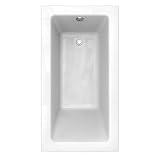
Signature Hardware Bradenton SHBDS6032WH Drop-In Soaking Tub
Signature Hardware sells the Bradenton as a 60 by 32 inch acrylic drop-in soaker, and the retail page notes that an overflow is part of the package. That small detail matters in a drop-in project, because mismatched drain parts are one of the most common causes of delay.
It suits a remodel where you want the main components to arrive together and where the style is simple: a rectangle in white acrylic. Unlike some designer models, the Bradenton does not try to dominate the room.
The trade-off is that you are buying from a specialist retailer, so confirm the return terms, the delivery arrangement and what to do about damage on arrival. Inspect the tub carefully before the tile setter arrives. As with all drop-in tubs, the deck design is your responsibility.
Skip it if you want a thin zero edge look or a strongly sculpted bowl.
Proflo Lansford PFS6032AWH 60 x 32 Soaker Drop-In Bathtub
Proflo is a house brand sold through a major plumbing supplier, and the Lansford PFS6032AWH is described as a 60 by 32 inch soaker drop-in bathtub with an end drain. It is aimed at contractors who want a dependable, ordinary tub that they can specify on a job without fuss.
It suits a replacement project where you are removing an old built-in tub and building a new tiled surround around a fresh bowl. The end drain location is easy for plumbers to plan.
The compromise is character. The Lansford is a plain bowl and not a design statement, so any style comes from your tile and fittings. Parts such as drains and overflows are normally a separate decision, so confirm what is included on the page.
Skip it if you want an unusual shape or a signature look, or if you need a reversible drain.
Hydro Systems Studio STU6032ATO Drop-In Bathtub
Hydro Systems is a specialist in bathtubs, including air and whirlpool models, and the Studio STU6032ATO is a 60 by 32 inch drop-in in its catalog. Retailer pages show it as a soaking-style acrylic bowl that is suitable for a tiled deck.
It is useful if you already work with a plumber or contractor who knows the brand, or if you might want a related model with jets later. Check that the code you choose is the plain soaker, because related tubs add features that need electrical work.
The trade-off is that not every detail is easy to find in a quick listing, so read the specification sheet for installation instructions and drain position before ordering. If you choose any option with electrical equipment, a licensed electrician must handle it and local codes apply.
Skip it if you want a bowl with a unique outline.
Best for Stone Decks
The Evolution 2422V002.020 is listed for undermount use, which suits a solid-surface deck.
Best for Large Tile
The Studio 2932002-D0.020 has the slim rim that shows off big format tile.
Best for Keeping Parts Together
The Bradenton SHBDS6032WH lists an overflow with the tub, which simplifies the parts list.
Best for Replacing an Old Tub
The Proflo Lansford PFS6032AWH is a plain bowl with an end drain that suits a like-for-like job.
How to Choose a Drop-In Tub for a Remodel
Replacement tubs
Replacing a built-in tub with a drop-in changes the work. You need to build a deck, so the tub, framing and tile become separate trades. Measure the outer rim size, because the opening in the deck must match the tub, not the nominal size on the carton.
Undermount versus drop-in
Drop-in tubs have a rim that rests on top of the deck. Undermount tubs hang beneath it, so the deck material covers the rim. Undermount needs a deck material that can carry and seal the edge, such as stone. Not all drop-in tubs allow it, so check the listing.
Tubs and surrounds
Because a drop-in has no apron, the surround is your decision. You can tile it, panel it or use a molded kit sold for your model. Plan access to the drain and pump area, since a fully sealed deck is a problem if the plumbing ever fails. A removable panel can be a sensible detail.
Drain position
Most drop-ins in this size use an end drain, and some are reversible. Match the drain to your plumbing, and check the rough-in measurements with a plumber.
Planning the deck height
Deck height decides how the finished bath feels. A tall deck makes the step over the edge larger, while a low one puts the water line near the floor. Sketch the section drawing with the tub rim, the deck top and the tile thickness before the framing begins. Many remodelers set the rim to match the thickness of the finish material, and the tile setter needs that number in advance.
Faucets on a deck
A deck gives you more faucet choices than an alcove, because the tub filler can be deck-mounted or wall-mounted. Deck-mounted fillers need holes drilled in the finished surface, which is easy in stone and tile and impossible in the tub itself. Choose the faucet early, since the holes are cut before the deck is finished.
Cutting the opening
The opening should be sized from the actual tub rim, not from a catalog number. Dry-fit the tub in the framing before any waterproofing goes on, and check that the drain lines up with the rough-in. A small error here is hard to fix once the tile is set.
Waterproofing around the rim
The joint between the tub rim and the deck is where most leaks begin. The maker usually describes a membrane or sealant detail, and the tile setter should follow it carefully. Ask how the rim will stay watertight as the building moves through the seasons, and keep a record of the products used so a future repair can match them.
Do not rely on grout alone. Grout is not waterproof, and a flexible sealant at the rim is the normal answer. Allow the sealant to cure fully before you fill the tub for the first time.
Support and weight
The base of a drop-in often needs a full bed of support beneath it, as laid out in the maker’s instructions. A full tub is heavy, so structural questions go to a qualified contractor.
Installation, Safety and Legal Notes
Follow the maker’s installation sheet for the exact code. Framing, waterproofing, plumbing and any electrical work should be done by licensed professionals. Local codes cover permits, access panels and distances between water and electrical outlets, so check with your building office. Keep the tub protected during construction, since scratches from tools are common.
Care and Troubleshooting
Wipe the bowl with a soft cloth and mild cleaner. Inspect the sealant where the rim meets the deck, since that joint takes the most wear.
| Issue | Try this |
|---|---|
| Cracked caulk at the rim | Remove and re-seal after drying |
| Cracked grout on the deck | Repair promptly so water cannot enter |
| Hollow sound under the tub | Have the support checked |
Acrylic Versus Other Tub Materials
All five tubs in this guide are acrylic, which is the most common material for drop-in baths today. Acrylic is a thermoformed plastic sheet, usually reinforced on the underside with fiberglass or resin. It is light enough for a single remodel crew to handle, retains heat reasonably well, and can be buffed to remove light surface scratches. Because the shell is molded, makers can offer gentle contours and thin rims that are hard to achieve in other materials.
Cast iron and enameled steel are the other familiar options. Cast iron is very heavy and holds heat for a long time, but it demands a strong floor and several people to carry. Enameled steel is lighter and cheaper, though it tends to feel colder and noisier when filling. Solid-surface and stone resin tubs are heavier and costlier still. For a remodel where the floor has not been engineered for a heavy tub, acrylic is usually the lower-risk starting point, provided it is properly supported from beneath.
Whatever the material, remember that the shell is only part of the story. The surface under the rim and the base must cradle the tub according to the maker’s installation guide, or the bath may flex when filled.
Soaking Depth, Capacity and Your Water Heater
Listings for soaker tubs often highlight depth, but depth alone does not tell you how a bath will feel. The shape of the bowl, the slope of the back and the position of the overflow all affect how much water you actually need to reach your shoulders. Overflow height in particular sets the maximum fill level, so a tub with a low overflow will hold less water than its volume suggests.
Think about what your home can supply. A large bath can empty a small tank-style water heater before it is full, leaving you with a lukewarm soak. If you are replacing a tub with a deeper one, check the capacity of your heater and the recovery time, and ask a plumber whether it will keep up. The same applies to the weight of the filled bath: a larger water volume adds to the load on the floor framing, which is another reason to confirm the structure before committing.
Deck Materials and Edge Details
A drop-in tub sits within a platform you build or already have, so the finish of that platform is as visible as the tub itself. Tile is the common choice and handles moisture well when properly waterproofed. Natural stone looks rich but is heavy and needs sealing. Solid-surface and engineered stone decks give a clean, seamless line and can carry an undermount tub if the listing is designed for it.
Detail the transition between rim and deck carefully. A rim that sits slightly proud of the deck can catch dirt and water, while one that sits flush or slightly below is easier to caulk and clean. Use a flexible sealant at the junction, not grout, since the tub will move a little as it fills and empties. Plan for a gentle slope on the deck toward the bath so splashes drain back, and avoid deep grout lines directly beside the rim where water tends to sit.
Budgeting the Whole Project, Not Just the Tub
The price of the bath is often a modest portion of the total. Framing, plywood or cement board, waterproofing membrane, tile, trim, a faucet and valve, drain parts and labor all add up. If walls or floors must be opened for plumbing changes, the cost rises further.
- Confirm whether drain and overflow kits are included, as they differ between listings.
- Price a deck-mount or wall-mount faucet and its rough-in valve separately.
- Allow for an access panel so future plumbing work does not mean breaking tile.
- Keep a contingency for surprises such as rot, uneven framing or outdated pipework.
Ask for itemized quotes from contractors so you can compare like with like. A project that looks cheap because the quote leaves out waterproofing or access is not actually cheaper.
Comfort Checks: Getting In, Getting Out and Leaning Back
Drop-in tubs sit higher than many people expect because the deck adds height to the rim. A step of a foot or more over the edge is a real consideration for children, older adults or anyone with limited mobility. Plan a comfortable step height, consider a small built-in ledge or step on the deck, and think about where a grab bar could be mounted into solid blocking.
Inside the bowl, look at the slope of the back and the length of the sloped section. A gentle incline supports your shoulders when you lie back, while a steep back can feel upright and tiring. If several people will use the tub, compare the interior length against the tallest bather, not only the 60-inch outer size. Also consider the floor of the tub: a textured or slip-resistant surface helps with safety, and a mat can add traction when the finish is smooth. These small details determine whether a tub you chose for its looks becomes a daily pleasure or an awkward fixture.
Frequently Asked Questions
What is the difference between drop-in and alcove?
An alcove tub has a finished front, while a drop-in sits in a deck you build.
Can I tile around a drop-in tub?
Yes, and that is the usual approach.
Is an undermount tub the same as a drop-in?
Not quite. Undermount hangs under the deck, so check the listing.
Do I need access to the plumbing?
It is wise to plan one, in case of repairs.
Are drain parts included?
It varies. Read each listing.
Can I install one myself?
A confident builder can, but plumbing should be done by a licensed professional.
How much water does a drop-in soaking tub hold?
It depends on the model and where the overflow sits, so check the listed capacity and overflow height. A deeper bowl can need more hot water than a small tank-style heater can supply in one go, so confirm your heater’s capacity before choosing a larger tub.
Should I use grout or caulk where a tub meets the deck?
Use a flexible sealant such as silicone or a tile-and-tub caulk at the rim, not rigid grout. The tub flexes slightly when filled, and grout in that joint cracks. Keep the joint clean and dry before sealing, and refresh it when it starts to peel.
Is an acrylic drop-in tub durable enough for a family bathroom?
Acrylic can last for years when it is fully supported and cleaned with non-abrasive products. It scratches more easily than some materials, but light marks can often be polished out. Follow the maker’s guidance on support, and avoid harsh cleaners or sharp tools.
What should a contractor quote include for a drop-in tub?
Ask for itemized lines covering framing, waterproofing, deck materials, tile, drain and overflow, faucet and valve, an access panel and disposal of the old tub. A clear breakdown makes quotes easier to compare and reduces surprise charges when the work begins.
Bottom Line
Pick the tub by its rim and its drain, then design the deck around it. The Evolution suits stone, the Studio suits large tile, the Bradenton keeps parts simple, the Lansford replaces an old tub and the Hydro Systems model is a common alternative. Plan access, follow the maker’s sheet and hire licensed help.