Disclosure: As an Amazon Associate, umtsmarttool.com earns from qualifying purchases. Links to Amazon on this page are affiliate links; they cost you nothing extra. Listing details such as price and availability change often, so check the current Amazon listing before you buy.
If you share your home with a dog, a cat or both, hair is not an occasional mess, it is the background condition of every room. The best robot vacuums for pet hair do not just pick up what they can see. They keep brushes from wrapping up, they cope with fur woven into rugs, and they spare you from emptying a tiny bin three times a week.
This guide is written for pet owners who want a robot to handle the daily shedding on hardwood, tile and carpet. We look at five current models from iRobot, Roborock, Shark and eufy, compare how they handle hair and what that means for upkeep, and spell out who should skip each one. Where a feature depends on your floors, we say so plainly rather than promise results.
Quick Comparison
| Product | Best for | Main point | Link |
|---|---|---|---|
| iRobot Roomba j7+ j755020 | Homes where pets leave surprises | Camera-based obstacle avoidance and a bagged dock | Check on Amazon |
| Roborock S8 Pro Ultra | Heavy shedders and mixed floors | Twin rubber rollers and a wash-and-empty dock | Check on Amazon |
| Shark AI Robot Vacuum RV2001 | Long hair and plenty of fur | Brushroll built to shed hair, no dock | Check on Amazon |
| eufy Clean X10 Pro Omni T2351 | Hard floors plus area rugs | Station that empties, washes and dries | Check on Amazon |
| iRobot Roomba 694 | Light shedding on a tight plan | Basic, app-connected, no dock | Check on Amazon |
In this guide
How These Options Were Chosen
This list comes from manufacturer listings and published specifications, not from our own use. We have not used these products ourselves. We favoured brushes made to resist tangles, bins or docks that reduce emptying, and brands with an app and spare parts that are easy to find. Because the five picks cover different tiers of convenience, you can match one to the amount of fur your household produces.
The Best Robot Vacuums for Pet Hair You Can Buy Now
iRobot Roomba j7+ j755020
The Roomba j7+ is built around a front camera that iRobot says recognises obstacles, including pet waste, and steers around them. For anyone with a puppy or a nervous cat, that is the feature to pay attention to, because the worst robot-vacuum story is a run through an accident.
It also comes with the Clean Base, which empties the dustbin into a sealed bag. Rubber brushes replace bristles, so long hair tends to be easier to remove from the roller than from a traditional brush. The iRobot app lets you mark keep-out zones around food and water bowls.
The cost of this design is the bag supply and a higher entry cost than a basic Roomba. If you do not worry about obstacles and just want fur removal, you may not need the camera. Skip it if you want mopping as well.
Roborock S8 Pro Ultra
Roborock pairs a twin-roller brush system with a lidar-guided robot, and its dock empties, washes and dries. The two rubber rollers are meant to pull in hair and reduce wrapping, which Roborock lists as a main feature for pet homes.
For a house with tile or hardwood in the kitchen and rugs elsewhere, the vacuum-and-mop routine means paw prints and fur can be handled in one scheduled cycle. The app supports room maps, no-go zones and cleaning order.
The trade-offs are size and upkeep: the dock takes up a real patch of floor, the water tanks need attention and the mop pads wear. Skip it if your home is mostly carpet, where the mop hardware sits unused.
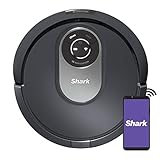
Shark AI Robot Vacuum RV2001
Shark’s RV2001 puts the focus on the brushroll. It is designed to cut down on hair wrap as it spins, so a long-haired dog or a cat that sheds all year should leave you with less to cut away from the roller.
It maps rooms, lets you choose where to clean and works with the SharkClean app. There is no emptying dock, so you take the bin to the trash yourself after runs. That is the trade for a lower entry point and a smaller body that can slip under low furniture.
It suits owners who want a capable hair-focused robot without the bulk of a station. Skip it if emptying the bin daily would drive you mad, or if your pet sheds heavily enough to fill the bin every run.
eufy Clean X10 Pro Omni T2351
The X10 Pro Omni combines a robot vacuum with a roller mop and a station that empties the bin, washes the mop and dries it with warm air. In a house where dogs track in mud and shed fur, one cycle can take care of both.
The maker says the mop lifts when the robot moves onto carpet, which helps if you have a mix of hard floor and area rugs. The app offers maps, scheduling and zone control.
It is a big unit and needs space for the station and the water tanks. If your pets mostly live on carpet and you do not mop, a simpler self-emptying model is a better use of the same money.
iRobot Roomba 694
The Roomba 694 is the plain, dependable member of the family. It cleans in a pattern, has an edge-sweeping brush for baseboards and connects to the iRobot app for scheduling. It has no dock and no mapping features.
For a small flat with one short-haired cat, that is enough. You will empty the little bin often and clean the brushes by hand, but you also avoid the cost and size of a station.
It is a poor match for a long-haired dog in a large house. Skip it if you need targeted room cleaning or a bin that lasts more than a run or two.
Best for Cat Owners
The Roomba 694 works for a single short-haired cat in a small space, while the Roomba j7+ is the better pick if litter scatter and the odd accident are what worry you. The camera-based avoidance and the sealed bag are the reasons.
Best for Big Dogs and Heavy Shedding
The Roborock S8 Pro Ultra and its twin rollers are made for homes where a large dog sheds across several rooms. The dock also means you rarely touch the dustbin between runs.
Best for Mixed Hardwood and Carpet
The eufy X10 Pro Omni is the model to look at if you switch between hardwood and rugs in a single pass. Its mop adjustment for carpet is built for that transition, though thick rug fringes may still need clearing first.
Best for Low Furniture
The Shark RV2001 has a compact body for getting under sofas and beds, where pet hair gathers in drifts. Check your furniture clearance against the listed height before ordering.
How to Choose a Robot Vacuum for Pet Hair
Begin with the brush, since that is where hair causes trouble. Rubber rollers and brushes made to shed hair are easier to maintain than bristle brushes. Even so, expect to cut hair from the roller occasionally.
Dog hair, cat hair and the bin
Fine cat fur packs tightly, while dog hair comes in volume. A larger bin or a self-emptying dock cuts the daily chore. If you have two dogs, a dock is nearly essential.
Carpet, high-pile rugs and thresholds
Robots handle low-pile and medium carpet best. For high-pile, shag or berber, check whether the maker lists climbing height and carpet detection, and be ready to move fringe out of the path. A transition from hardwood to carpet is usually fine, but a tall threshold may stop a small robot.
Corners, edges and furniture
Round robots miss tight corners. Look for an edge brush and use the app to map furniture. Under-furniture clearance matters too, as pet hair gathers in those gaps.
Allergies and filtration
Makers list filters and sealed bins, but we cannot make health claims. If allergies are a concern, ask your doctor and follow the maker’s guidance on filters and bag changes.
Noise, schedules and daily habits
A robot that runs while you are out of the house is one your pets will not chase. Cats in particular may take a few days to accept a moving machine, so run it briefly at first, with the doors open and the food bowls out of its path. Most apps let you set a quiet schedule, and a mid-morning run tends to suit homes where the animals nap.
Where the dust goes
Think about how you will handle what the robot collects. A bagged dock keeps fur sealed and out of your hands, a bagless dock saves on supplies, and a plain bin means carrying it to the trash yourself. None is wrong, but the dirtiest job in the cycle is emptying, so pick the method you will actually keep doing.
Finally, avoid common mistakes: skipping the roller cleaning, ignoring the dock footprint and expecting a robot to replace deep cleaning. A robot handles daily upkeep, not a weekend of heavy work.
Installation, Safety and Legal Notes
Follow the maker’s instructions for setup and charging. Place the dock on a flat surface near an outlet and clear of stairs. Pick up charging cables, pet toys and loose items before each run so the robot does not drag them.
Do not run a robot where an unattended pet could get tangled, and block off any area with fragile items. If a dock needs a new outlet or any wiring, call a licensed electrician. Robots with cameras record your home, so check your local rules and the privacy options in the app, especially in shared or rented buildings.
Care and Troubleshooting
| Problem | Likely cause | What to do |
|---|---|---|
| Brush stops or slows | Hair wrapped around the roller | Remove the roller and cut away the hair |
| Robot leaves fur behind | Full bin or clogged filter | Empty the bin and rinse or replace the filter |
| Cannot return to dock | Blocked path or dirty contacts | Clear clutter and wipe the contacts |
With pets, check the roller weekly and the filter monthly. A neglected brush works against the whole point of the purchase.
A few habits keep a pet-hair robot working well. Brush the animals regularly so less fur reaches the floor, run the robot daily rather than weekly so the bin never overloads, and check the roller after every few runs. Replace filters and side brushes on the maker’s schedule, because worn parts leave hair behind.
Brushes, Rollers and Suction: How Hair Gets Picked Up
Pet hair is a different problem from dust. It is long, static-prone and happy to wrap around anything that spins. Robot vacuums attack it with three parts working together. Agitators loosen hair from the floor or carpet fibers, suction carries it toward the bin, and side brushes sweep it in from edges. Design choices in each part decide how well a robot copes with fur.
Rubber rollers and flexible fins tend to resist tangling better than stiff bristle brushes, because hair has less to grip. Bristles can dig deeper into carpet, though, so many robots pair a central roller with a bristled side brush. Single-brush layouts are simpler to clean. Dual-roller layouts feed hair into the middle and often give a wider pickup path, but have more parts to inspect. Whichever you choose, expect to trim hair from the roller ends every so often, as even a good design is not immune.
The Lifecycle of a Hair Pile: Bin, Bag and Dock
Think about where the hair goes after pickup. A small onboard bin fills quickly in a home with heavy shedding, and a robot that stops mid-run because the bin is full cleans less than you planned. Self-emptying docks move debris into a larger bag or bin, which reduces how often you handle it. This is one reason pet owners often favor docked models, such as the Roomba j7+ and the stations that come with the Roborock and eufy models in this guide.
Docks bring trade-offs. They take floor space, need power and add replacement bags or bins to the running cost. Bagged systems trap dust when you remove the bag, which can help people sensitive to allergens. Bagless designs avoid the ongoing cost of bags but ask you to empty a larger container. A robot without a dock, like the Roomba 694, keeps the price and footprint down in exchange for emptying the small bin yourself.
Preparing a Pet Home for a Robot
A little preparation prevents most problems and makes any robot more effective.
- Pick up cables, chewed toys, socks and loose cords, which are the usual causes of tangles and stuck wheels.
- Keep pet bowls, beds and water dishes in a consistent place and set no-go zones in the app if the model supports them.
- Brush your pet regularly. Less loose fur on the animal means less on the floor and a longer interval between bin emptying.
- Check for pet accidents before a scheduled run, particularly with young animals or older pets. A robot that rolls through a mess will spread it, and cleaning it up is harder than avoiding it.
Scheduling around your pet’s routine also helps. Some animals are afraid of the sound or movement of a robot. Introduce it gradually, let your pet sniff it while it is switched off, and run it first when you are home. Most pets adapt over time, but individual reactions vary.
Budget Versus Premium: Where the Money Goes
Price differences in this category come from four areas. Navigation and mapping separate robots that clean in neat lines and remember rooms from those that bump around. Obstacle detection, whether with cameras or sensors, improves how a robot treats cords and small items. Docks, with emptying and washing, add convenience. Finally, suction and brush design affect how well fur lifts out of carpet.
If your floors are mostly hard and your pet sheds lightly, a simpler robot may do the job well. If you have thick carpet, long-haired animals or several pets, spending more on a docked model with a strong roller design is likely to save effort over time. Whichever tier you consider, look at replacement parts. Filters, brushes and side brushes wear out, and their price and availability from the maker count toward the true cost.
Noise, Privacy and App Considerations
Robots with higher suction are louder, which matters for pets that startle easily and for homes with work-from-home calls. Look for quiet or eco modes and a scheduling feature that lets you run the robot while you are out. If the robot has a camera, read how the maker handles images and what permissions the app requests, and decide whether you are comfortable with that in rooms where you spend time. Many models offer local-only options or let you disable features, so check the settings before you finish setup.
Common Mistakes Pet Owners Make
The most common error is expecting a robot to replace all manual cleaning. It handles daily upkeep, but corners, stairs, upholstery and deep carpet still need a full-size vacuum from time to time. Another mistake is ignoring maintenance. A roller wrapped in hair loses pickup, strains the motor and may leave odors, so build a weekly check into your routine.
Owners also buy for suction numbers alone, though brush design, bin size and obstacle handling matter as much for fur. Finally, some forget to protect the robot from hazards. Cords, pet accident areas and thick fringe on rugs cause stuck runs. A bit of tidying and a few no-go zones go a long way toward making the machine reliable.
Frequently Asked Questions
Can a robot vacuum replace a regular vacuum in a pet home?
For daily upkeep, often yes. For deep carpet cleaning or stairs, you will still want a full-size vacuum.
Which is better for long dog hair, rubber rollers or bristles?
Rubber designs are generally easier to clear, though you will still trim hair from them.
Will a robot cope with a pet accident?
Some models use cameras to avoid obstacles, but no robot is perfect. Pick up known mess spots and use no-go zones.
Do I need a self-emptying dock for two dogs?
It makes life far easier, since small bins fill quickly with heavy shedding.
Will it work on berber or shag?
Results vary. Check the maker’s carpet guidance and be ready to try it on a small area first.
How often should I run it?
Many pet owners run a robot daily. Adjust to the amount of fur you see.
Does pet hair damage the motor or battery?
Hair wraps around rollers and bearings if left alone, which can strain the motor. Cleaning the brush on the maker’s schedule is the best protection. Battery care should follow the manual.
Should I choose a mopping model if my pets go outside?
If muddy paws cross hard floors, a mop-capable station saves a second chore. If you have mostly carpet, a vacuum-only model is simpler.
How often should I replace the brush and filter on a pet-hair robot?
Follow the maker’s schedule, which is usually given in months of normal use. Homes with heavy shedding tend to wear parts faster. Inspect the roller and filter regularly, and replace them sooner if they look worn, matted or no longer pick up well.
Will my dog or cat be scared of a robot vacuum?
Reactions vary. Some pets ignore it, while others are curious or wary. Let your pet sniff it while it is off, then run it briefly while you are home. Quiet modes can help. If your pet remains stressed, schedule runs for when it is out of the room.
Can a robot vacuum pick up cat litter tracked from the box?
Often it can pick up loose litter on hard floors, but clumping litter can be heavy and get stuck in brushes. Check the maker’s guidance. A mat outside the box reduces how much gets tracked, and you should empty the bin more often.
Do robot vacuums get stuck on pet hair in the wheels?
Hair can wrap around wheels and axles over time, which strains the drive. Turn the robot over every few weeks, remove tangles with scissors or a small tool and check that wheels spin freely. Doing so protects the motor and keeps navigation steady.
Bottom Line
For a pet household, the right robot depends on how much hair it must handle and how little emptying you can tolerate. The Roomba j7+ stands out for obstacle avoidance, the Roborock S8 Pro Ultra and eufy X10 Pro Omni add mopping stations, the Shark RV2001 offers a hair-focused brushroll, and the Roomba 694 keeps things simple. Choose by your floors and your tolerance for upkeep.