Disclosure: As an Amazon Associate, umtsmarttool.com earns from qualifying purchases. Links to Amazon on this page are affiliate links; they cost you nothing extra. Listing details such as price and availability change often, so check the current Amazon listing before you buy.
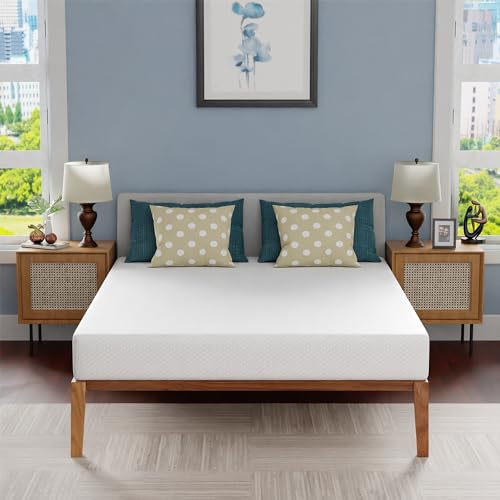
The best eco friendly mattresses are built mostly from natural materials such as latex, wool and cotton, and they usually say clearly where those materials come from. If you want a bed that leans on renewable ingredients rather than petroleum-based foam, this guide will help you separate real material choices from green-sounding marketing. We cover six options from specialist and mainstream makers and explain what to check before you commit.
It is written for shoppers who want to buy thoughtfully and who need a clear map, not a pile of buzzwords. You will see quick picks, a full write-up of each mattress with one honest limitation, a comparison table, a materials and certifications primer, a buying checklist and a FAQ. We have not used these beds, and we describe only construction, materials and care. We also avoid cost figures and promises, because listings change often.
In this guide
Quick Picks for Eco-Minded Shoppers
| Priority | Pick | Main idea | Link |
|---|---|---|---|
| Best organic-focused hybrid | Happsy Organic Mattress | Organic latex, wool and cotton over coils | amazon.com/dp/B076MGNHJP?tag=umtsmarttool.com-20&linkCode=osi&th=1&psc=1″ target=”_blank” rel=”sponsored nofollow noopener” aria-label=”Check Happsy Organic Mattress on Amazon”>Check on Amazon |
| Best from a mainstream brand family | Birch Luxe Natural Mattress | Natural latex hybrid with extra comfort layers | Check on Amazon |
| Best crossover from foam brands | GhostBed Natural Mattress | Latex-based hybrid from a foam-first maker | Check on Amazon |
| Best for a plusher natural feel | Nolah Natural 11 Mattress | Natural materials with a cushioned top | Check on Amazon |
| Best coil-and-cotton build | Naturepedic EOS Classic Organic Mattress | Organic cotton over steel coils | Check on Amazon |
| Best specialist alternative | My Green Mattress Natural Escape | Natural materials over a coil base | Check on Amazon |
Use the table as a quick filter. If you care most about organic cotton and steel coils, begin with Naturepedic. If you care most about a latex comfort layer, begin with Happsy or Birch Luxe. Each row points to the full write-up below.
How We Chose These Eco Friendly Mattresses
We looked for mattresses where natural or organic materials make up the main comfort layers, rather than a single token layer. We also favored makers that describe their materials by name, publish certification details on their listings and offer sensible size ranges. A mattress that tells you what its latex is, where its wool comes from and how its cover is made earns more trust than one that only uses the word green.
We have not used these products ourselves. Every note comes from manufacturer listings and published specifications. Because certifications and materials can change between versions, always confirm the details on the live listing before you buy.
The 6 Best Eco Friendly Mattresses
Every entry uses the same format: who the bed suits, three material or construction strengths, one limitation worth knowing about, and a short choose-it or skip-it line to help you decide quickly.
Happsy Organic Mattress
Happsy is a brand built around organic bedding, and its Organic Mattress is a hybrid that combines organic latex, wool and cotton with a pocketed coil layer. It is one of the more straightforward options for shoppers who want the organic idea without a long list of extras.
Who it suits: shoppers who want a natural-materials bed with a familiar springy feel and who value a brand that talks openly about its ingredients. It is a good first look for this category.
- Latex, wool and cotton are the headline materials, rather than synthetic foam.
- Pocketed coils add rebound and a conventional hybrid structure.
- The maker lists its organic certifications, which you can check on the product page.
Limitation: natural-material beds are heavy, and this one is no exception, so plan for help with setup. Choose it if you want an organic hybrid with a clear materials story. Skip it if you want a light, easy-to-move mattress.
Birch Luxe Natural Mattress
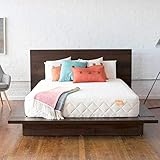
Birch is Helix’s natural-materials line. The Luxe Natural is the higher tier, with natural latex, organic wool and organic cotton over a coil core and extra comfort layers on top for a more cushioned feel.
Who it suits: shoppers who want an eco-minded hybrid from a mainstream mattress family, with straightforward sizing and a clear step up from the entry model in the same range.
- Natural latex and organic wool are the key comfort materials.
- An organic cotton cover gives it a natural, breathable look.
- A coil core keeps the bed springy and conventional in feel.
Limitation: the latex-and-wool build is bouncier than a plush foam bed, which some people may find less sink-in than they expect. Choose it if you want a cushioned natural hybrid from a familiar family of brands. Skip it if you want a deep, sinking surface.
GhostBed Natural Mattress
GhostBed is best known for foam and hybrid beds, and its Natural Mattress is the brand’s attempt at a latex-based build with natural materials and a coil layer. It gives foam-first shoppers a bridge into the natural category.
Who it suits: buyers who like the idea of latex and wool but want to buy from a maker with a wide catalog and familiar ordering process.
- A latex comfort layer is used instead of conventional polyurethane foam on top.
- Coils underneath give a hybrid structure and a lively feel.
- Natural fibers in the cover and padding keep the materials story consistent.
Limitation: it is a firm-leaning, springy design, and buyers who prefer plush cushioning may find it too responsive. Choose it if you want a lively natural hybrid from a known name. Skip it if soft, cloud-like padding is your goal.
Nolah Natural 11 Mattress
Nolah is better known for its own foam, but the Natural 11 swaps in natural latex, organic cotton and wool with a coil base in an 11 inch build. It is positioned as the brand’s answer for shoppers who want natural materials with some cushion.
Who it suits: shoppers who want a natural hybrid with a plusher tone than the firmer latex beds, and who are comparing a few specialist and mainstream options.
- Natural latex and organic cotton are part of the listed construction.
- The 11 inch height fits most standard frames and sheets.
- Nolah’s broader range makes it easy to compare feels within one brand.
Limitation: natural hybrids are heavy and this one needs two people for setup. Choose it if you want a natural hybrid with a cushioned character. Skip it if you want an all-latex build.
Naturepedic EOS Classic Organic Mattress
Naturepedic is a specialist in organic mattresses, and the EOS Classic uses organic cotton and steel coils with a cover made from organic materials. It leans on a simple, coil-and-cotton structure instead of foam or latex layers.
Who it suits: shoppers who want a firm-leaning, traditional organic bed built around coils and cotton, and who care about reading detailed material and certification information.
- Organic cotton and steel coils form the heart of the build.
- The maker publishes detailed material and certification information.
- A specialist brand with a long record in organic bedding.
Limitation: with little or no foam, the surface feels firmer and less cushioned than a latex hybrid. Choose it if you want an organic coil bed. Skip it if you want a plush top layer.
My Green Mattress Natural Escape Mattress
My Green Mattress builds mattresses from natural latex, organic cotton and wool with a coil support layer. The Natural Escape is its hybrid, sitting in the middle of the natural-materials spectrum.
Who it suits: shoppers comparing several natural hybrids who want one more option, particularly from a smaller specialist brand. It is a useful comparison model to see how a specialist treats the same ingredients as the bigger names.
- Natural latex, organic cotton and wool in the construction.
- Coil base for a familiar springy hybrid feel.
- A specialist brand focused on natural-material beds.
Limitation: smaller brands have fewer widely available reference points, so read the listing details carefully for thickness and size. Choose it if you want a natural hybrid from a specialist. Skip it if you prefer a household-name brand.
Full Comparison Table
| Mattress | Main materials | Key feature | Best use | Link |
|---|---|---|---|---|
| Happsy Organic | Organic latex, wool, cotton, coils | Clear ingredients story | All-round organic hybrid | Check on Amazon |
| Birch Luxe Natural | Natural latex, organic wool and cotton | Extra comfort layers | Familiar-brand shoppers | Check on Amazon |
| GhostBed Natural | Latex, natural fibers, coils | Lively latex top | Bouncy-feel fans | Check on Amazon |
| Nolah Natural 11 | Natural latex, organic cotton, coils | Cushioned natural build | Plusher natural feel | Check on Amazon |
| Naturepedic EOS Classic | Organic cotton, steel coils | Coil-and-cotton design | Firm-leaning organic bed | Check on Amazon |
| My Green Mattress Natural Escape | Natural latex, cotton, wool, coils | Specialist maker | Extra shortlist option | Check on Amazon |
What Makes a Mattress Eco Friendly?
Before comparing models, it helps to agree on what the label means, because makers use it in very different ways.
There is no single definition, but a few ideas recur. Eco friendly mattresses favor renewable or natural materials, avoid unnecessary synthetic layers and disclose their ingredients. Latex comes from the sap of rubber trees, wool is a renewable fiber, and cotton is a plant fiber. A mattress built from those is generally described as more natural than one made mainly of petroleum-derived foam.
Natural does not automatically mean better for everyone, though. Think of it as a trade, not an upgrade. Natural materials make the bed heavier and often more involved to produce, and sourcing varies. Treat eco friendly as a set of material choices you can verify, not as a promise of any outcome.
Latex, Wool and Cotton Explained
Latex is the headline material in most eco mattresses. Dunlop latex is poured in a single pass and tends to be denser, while Talalay latex goes through an additional process and tends to feel lighter and airier. Wool is used as a flame barrier and a cushioning layer, and it is valued for its natural bulk. Cotton is used for covers and padding because it is soft and breathable.
Springs in these hybrids are normally steel coils, which can be recycled at the end of the mattress’s life. That is one more reason many eco-minded buyers favor coil-based beds over all-foam ones.
Natural Materials Versus Conventional Foam
A conventional foam mattress is mostly polyurethane, a manufactured material that is lightweight, straightforward to make and easy to shape into soft, cushioned layers. A natural mattress swaps much of that for latex, wool and cotton. The trade-offs are practical. Natural beds tend to be firmer and springier, they weigh more, and they are more involved to produce, which is why they are often treated as a longer-term purchase.
From an environmental standpoint, the argument for natural materials rests on renewable sourcing and, in some cases, easier end-of-life handling. Neither point is absolute. A heavy mattress shipped across the country has a footprint too, and a short-lived natural bed is not greener than a long-lived conventional one. The sensible approach is to buy one good bed you intend to keep, care for it well and recycle it when the time comes.
Building an Eco-Minded Bedroom Around the Mattress
The mattress is only one part of the setup. A solid wood or metal frame with proper slat spacing gives a heavy natural bed the base it needs. Look for frames that name their wood source, and check whether the maker mentions responsible forestry. Cotton or linen sheets pair naturally with a wool and latex mattress and tend to wash well.
If you want a protector, choose a breathable cotton or wool option instead of a plastic-backed one, which can change the feel of a latex surface. Keep the room ventilated when the bed first arrives, and give the materials time to settle. A little patience at setup makes the whole system look and feel more coherent.
Certifications to Look For
Certifications are where eco claims either become credible or fall apart, so it pays to understand a few of them before you shop.
Certification names appear often on eco listings, and they refer to specific standards. Look for terms such as GOTS for organic textiles, GOLS for organic latex, OEKO-TEX for textile testing and FSC for responsibly sourced wood in bed frames. Each covers a different part of the product, so a certificate for the cover does not cover the latex.
Read the listing to see which parts are covered, and look for a certificate number or a link to the certifying body. If a listing uses vague phrases like eco blend or green foam without naming a standard, treat it with caution.
Hybrid or Coil-and-Cotton: Which Should You Choose?
This is the most useful split in the group, and it is worth thirty seconds of honest thought about what you want from the surface.
Hybrids such as the Happsy, Birch Luxe, GhostBed Natural, Nolah Natural and My Green Mattress models use coils under natural comfort layers. They give a cushioned top with spring underneath. A coil-and-cotton bed like the Naturepedic EOS Classic is simpler and firmer, with fewer layers and a more traditional feel, and it appeals to shoppers who prefer to keep the material list short.
Feel is the deciding factor. Hybrids have a lively, springy character thanks to the coils, and the latex adds a quick-return cushion on top. The simpler organic coil bed feels flatter and more resistant. Neither is better in the abstract. The right one matches the feel you reach for in a mattress you already enjoy.
How to Choose an Eco Friendly Mattress
- Read the material list for latex type, wool and cotton, and note what is organic.
- Check which certifications are named and which parts of the bed they cover.
- Note which parts are described as organic and which only as natural.
- Choose a cushioned hybrid or a simple coil-and-cotton build based on feel.
- Confirm the size and the height against your frame and your sheets.
- Read the return terms and the delivery details on the live page.
- Plan for the weight: natural beds are heavy.
Sizing, Delivery and Setup
Heavy beds make logistics a real part of the decision, so read this section before ordering instead of after the box has arrived. Natural mattresses often arrive in a box or a large roll, and many weigh significantly more than foam beds. Measure the stairs and doorways and arrange help in advance. Let the bed expand in a ventilated room, because natural latex and wool can have a mild material scent at first that fades over time.
Use a sturdy base with closely spaced slats or a solid platform. Heavy beds sag on weak frames, and a quality base protects your investment.
Care and End-of-Life
Looking after a natural bed is simple, and the habits below cost almost nothing.
A long-lived mattress is the greenest outcome, so a little regular care is worth the effort. Natural beds like a gentle approach. Spot clean with mild soap and a damp cloth, keep the mattress dry and use a breathable protector if you want extra cover protection. Rotate the mattress as the maker recommends. At the end of its life, ask local recycling programs or the maker about return-to-maker options, because the steel and latex may be recyclable in some areas.
Common Buying Mistakes
Most regrets in this category come from a mismatch between expectation and material, so slow down at the research stage and the purchase tends to go smoothly. Reading one listing carefully is worth more than skimming ten.
- Trusting a green label without checking the material list.
- Assuming every layer is organic when only the cover is.
- Underestimating the weight and the delivery effort.
- Skipping the return terms on a large purchase.
- Ordering the wrong size or version on a model with several.
Final Recommendation
For most eco-minded shoppers, the Happsy Organic Mattress is the safest first choice because it combines recognizable natural materials with a conventional hybrid feel. If you prefer a mainstream brand family, choose the Birch Luxe Natural. For a lively latex hybrid, pick the GhostBed Natural. For a plusher natural feel, look at the Nolah Natural 11, and for a simple coil-and-cotton build, pick the Naturepedic EOS Classic.
To narrow it down fast: if you want one hybrid and do not want to overthink it, order Happsy. If a household-name family reassures you, order Birch Luxe. If you love a springy surface, order GhostBed Natural. If you want organic cotton and steel with the shortest material list, look at Naturepedic, and use My Green Mattress as the specialist alternative.
Confirm materials, certifications and return terms on the live listing before ordering. Our top two picks are below.
A Closer Look: Each Pick as a Long-Term Bedroom Decision
An eco friendly mattress is usually a longer commitment than a conventional boxed bed: the materials are heavier, the prices sit higher, and buyers care about what the bed is made from as much as how it feels. This section revisits each pick with ownership in mind, keeping environmental claims qualitative and grounded in the materials each maker describes, with no invented certifications.
Happsy Organic Mattress: the straightforward natural hybrid
Happsy aims at buyers who want a natural-materials bed without turning the purchase into a research project. Its combination of latex comfort over coils, with organic cotton and wool in the build as described by the maker, gives a familiar hybrid feel in a natural package. It suits primary bedrooms and couples who want one clear, mainstream natural option. Its limitation is that shoppers who want to customize layers or firmness in detail will find more configurable options elsewhere on this list.
Birch Luxe Natural Mattress: the premium natural step up
The Birch Luxe is the plusher, more premium expression of the Birch natural line, aimed at sleepers who want natural materials and a more indulgent surface feel at the same time. It suits primary bedrooms where the bed is a considered purchase and the sleeper prefers a softer welcome from the top layers. The honest limitation is the premium step itself: the standard natural models in this category already deliver the core materials story, so the Luxe premium buys feel refinement rather than a different philosophy.
GhostBed Natural Mattress: the familiar brand, natural direction
GhostBed built its name on boxed foam beds, and its Natural model brings that ordering simplicity to latex-and-coil construction. It suits buyers who like the convenience of an established boxed brand but want to move away from an all-synthetic build. The limitation is that natural-materials specialists on this list offer deeper customization and longer track records specifically in natural beds, so committed natural shoppers may still prefer a specialist.
Nolah Natural 11: the natural hybrid with a modern feel
Nolah’s Natural applies the brand’s modern, balanced design approach to natural latex and coils. It suits sleepers who want natural materials without the very dense, traditional feel some natural beds have, and couples who want a responsive surface that is easy to move on. Its limitation is availability of showroom-style certainty: like most boxed beds, you are trusting the trial period, so keep the return terms in mind as part of the purchase.
Naturepedic EOS Classic: the customizable specialist choice
Naturepedic is a specialist in organic mattresses, and the EOS Classic is built around customization, with layer choices that let sleepers tune the feel, including different feels per side in larger sizes. It suits couples with different preferences, meticulous shoppers, and anyone who views the bed as a decade-scale decision worth configuring carefully. The limitations are weight, complexity and commitment: this is a substantial, heavy mattress and a more involved purchase than a one-click boxed bed.
My Green Mattress Natural Escape: the family-focused natural value
The Natural Escape comes from a family-run maker whose story centers on making natural mattresses more attainable, and it suits households furnishing primary beds, kids’ rooms and guest rooms within a natural-materials brief. It has a firmer, supportive character that many back sleepers and parents shopping for growing kids appreciate. Its limitation is that plush-seeking side sleepers may want a softer top than its standard feel provides, and should compare carefully with the plusher picks here.
Head-to-Head: The Closest Calls Among Natural Picks
Happsy or Nolah Natural?
Both are natural hybrids with broad appeal. Happsy leans into the straightforward organic brief; Nolah leans into a modern, responsive feel. If your priority is the clearest natural-materials story, lean Happsy. If your priority is how the bed feels to move on and you are coming from a modern foam bed, lean Nolah.
Birch Luxe or Naturepedic EOS Classic?
The Luxe spends its premium on plush surface feel in a fixed design. The EOS spends its premium on configurability and specialist construction. Sleepers who know they want soft should examine the Luxe; sleepers who want to dial in the build, or who share with a partner of different taste, should examine the EOS.
GhostBed Natural or My Green Mattress Natural Escape?
GhostBed Natural suits buyers who want a familiar boxed-brand experience in a natural build. Natural Escape suits buyers who prefer a specialist family maker and a firmer character, including for kids’ and family beds. Brand comfort versus specialist focus decides this one.
Natural hybrid or a conventional bed plus natural bedding?
Some shoppers solve the brief partially: a conventional mattress with natural-fiber bedding. That is a legitimate budget path, but the mattress is the largest material mass in the bed, so buyers whose goal is a mostly natural sleep surface will still land on this list. Buyers whose goal is simply a fresher-feeling bed may not need to.
Buying Criteria in More Depth
Read materials lists, not adjectives
Words like green, pure and clean mean whatever a marketing team wants them to mean. The materials list is the honest document: which layers are latex, wool, cotton or foam, and in what arrangement. This guide deliberately keeps environmental claims qualitative, and your own shopping should too: compare stated materials model by model, and treat any certification claim as something to verify on the maker’s own current documentation rather than taking any review’s word for it.
Latex feel is its own category
Natural latex feels springy and responsive compared with memory foam’s slow contour. Many natural-bed converts love the buoyant, easy-moving surface; some memory foam loyalists find it less embracing. If you have never slept on latex, the trial period matters more than any description, so buy where the return route is clear.
Weight and logistics are real criteria
Natural materials, especially latex and coil combinations, make heavy mattresses. Check delivery arrangements, whether setup help is offered, and how the bed will get up stairs and around corners. A mattress you cannot rotate is a mattress whose care plan fails, so factor in a second pair of hands for ownership, not just delivery day.
Firmness across a household
Natural beds skew toward supportive, medium-firm characters, which suits many back sleepers and growing kids. Plush-seeking side sleepers should focus on the plusher picks and any topper options the maker offers, rather than assuming a natural bed can be softened later with any random topper.
Building the Rest of a Natural-Materials Bedroom
The mattress is the largest step, but the surrounding layers complete the brief. Natural-fiber sheets and a wool or cotton protector keep the sleep surface consistent with the mattress beneath, and they regulate the feel of the bed through seasons without synthetic films against the skin. When replacing pillows, latex and wool fills follow the same materials logic. None of this needs to happen at once: the mattress first, then layers as they wear out, is the sensible order, and it spreads the cost of the transition across years.
More Questions Natural-Mattress Shoppers Ask
Why do natural mattresses cost more than conventional foam beds?
Natural latex, wool and organic cotton are costlier raw materials than commodity foams, and the beds are heavier to ship and handle. Whether the premium is worth it depends on how much the materials story matters to you; the comfort alone has good conventional rivals at lower prices.
How long does a natural mattress realistically last?
Latex is a durable material and natural hybrids are generally bought with long service in mind, but honest expectations depend on use, body weights and care. Protectors, rotation and a proper base do more for lifespan than any headline claim.
Can I use my existing frame?
Most of these hybrids suit platform and slatted bases with close spacing; heavy natural beds in particular need a base that can carry real weight without flexing. Check the maker’s base guidance for your model and weigh the base as part of the purchase.
What should I do with my old mattress?
Many areas have mattress recycling programs that separate springs, foams and fibers, and some retailers offer removal when delivering a new bed. Checking local options before delivery day avoids the old bed living in the garage for a season.
A Simple Shortlist Method for Eco-Minded Shoppers
If the six picks still feel like variations on a theme, decide using your priorities in order, because in this category the order matters more than the list.
Step one: rank materials, feel and service
Write down your order of the three. Materials first points toward the specialist natural makers, Naturepedic and My Green Mattress, and the clear organic brief of Happsy. Feel first points toward the plusher Birch Luxe or the responsive Nolah Natural. Service and simplicity first points toward GhostBed Natural or Happsy. Most indecision in this category comes from wanting all three ranked first; the purchase gets easy the moment you admit which one actually leads.
Step two: test your latex feelings
Nearly every bed here leans on latex, so your reaction to latex decides more than brand does. If you have slept on latex and liked the buoyant feel, proceed confidently. If you have never tried it, prioritize the clearest trial and return terms among your finalists, and treat the first weeks as a genuine test rather than a formality. If you have tried latex and disliked it, this category will be an uphill climb and a natural-fiber-topped conventional bed may serve you better.
Step three: plan the logistics before the order
Measure doorways and stairs, decide who helps on delivery day, and confirm how the old bed leaves. Natural beds are heavy, and a purchase that arrives before its logistics are planned creates a stressful week and a bed sleeping in the wrong room. The EOS in particular rewards planning, since a configured, substantial mattress deserves a prepared home.
What Natural-Bed Owners Learn in the First Year
The materials scent is real and temporary
Wool and latex have natural scents that are noticeable on day one and fade with ventilation over the following days. Owners who expect this treat it as a sign the materials are what they claimed to be; owners who expect a scent-free unboxing sometimes panic unnecessarily. Air the room, use bedding as usual, and judge the scent at two weeks, not two hours.
Heft changes your habits
Making the bed, rotating the mattress and changing a protector all take more effort with a heavy natural bed, and households adapt with small systems: two people for rotation day, bedding chosen for easy fitting, and a base at a comfortable working height. None of this is a reason to avoid the category, but it is a reason to choose the base and the room layout with the bed’s weight in mind from the start.
The feel stays remarkably consistent
Owners often report that a natural latex hybrid feels at year two much as it did at month two, which is part of what the premium buys. If you like the feel after the adjustment period, you can reasonably expect to keep liking it, and that consistency is the quiet answer to shoppers wondering whether the higher spend is rational.
Natural Beds for Different Households
Couples who disagree on firmness
The EOS Classic’s configurable design, including split feels in larger sizes, is the category’s most direct answer to the oldest mattress argument. Couples who compromise on a middle bed often both end up mildly dissatisfied; a split configuration costs more and ends the argument properly. For couples who broadly agree, the simpler hybrids here are better value.
Parents furnishing children’s rooms
Parents often enter this category through the nursery and children’s rooms, valuing the materials brief for the beds their kids will spend a third of their lives on. The Natural Escape’s family focus and firmer character suit growing kids, and a natural bed bought for a child is one of the longest-service purchases in the home, which reframes its price kindly.
Downsizers and smaller homes
A heavy natural bed in a small home demands honest logistics: tight stairs and small landings may rule out the most substantial models or demand professional delivery. The simpler boxed natural hybrids, Happsy, GhostBed Natural and Nolah Natural, keep the materials brief while respecting the building’s limits.
The committed natural household
For households extending a natural-materials approach across the home, the mattress is the anchor purchase and the specialists reward the commitment with depth: configurable builds, natural bedding ecosystems and makers whose whole catalogue follows the same philosophy. Naturepedic serves this household most completely on this list.
End-of-Life Thinking at Purchase Time
It may seem early to think about disposal while shopping, but natural beds invite the thought because their materials story is the point. A long-lasting bed is itself the strongest end-of-life strategy: every extra year of service delays a replacement’s footprint. When the bed eventually retires, check whether local programs accept mattresses for material separation, whether the maker offers any take-back route at replacement time, and whether a sound older bed can serve in a guest room or be passed on rather than discarded. Buying with the whole life in view is the habit that separates a genuinely eco-minded purchase from a label-driven one.
The Adjustment Period With a Natural Bed
Switching to a natural mattress is often a double change: new materials and, for many buyers, a first latex surface. The first nights can feel surprisingly different from a foam bed’s embrace, because latex meets you at the surface rather than letting you sink. Give the change a fair window, measured in weeks, and keep the rest of the sleep setup constant so you are judging the bed rather than a pile of simultaneous changes. Many converts describe a turning point somewhere in the second or third week, when the responsive surface stops feeling unfamiliar and starts feeling simply easy: turning over takes no effort, getting up takes no negotiation, and the bed disappears from your attention, which is the highest praise a mattress can earn. If, after a fair window, the feel is still wrong, use the return or exchange route without resentment; natural beds are a preference as much as a philosophy, and the makers on this list build their trials for exactly this honesty. What you should not do is judge a natural bed on its first night against a decade of foam habit and conclude the category failed. Judge it the way you would judge any long-term purchase: on the pattern of your mornings across a month.
Questions to Ask the Maker Before You Order
Because natural mattresses vary in construction more than conventional beds, a short list of questions to the maker pays for itself. Ask for the full layer order and materials, top to bottom, in writing. Ask which firmness the maker recommends for your sleep position and body weight, and write down the answer in case an exchange conversation needs it. Ask about delivery in practical terms: whether the bed arrives flat or compressed, whether setup help is available, and what happens to your old mattress. Ask about the trial’s mechanics for a bed this heavy, specifically who arranges a return pickup if the fit is wrong. Finally, ask how the maker suggests the bed be rotated and how often, and save the answer with your purchase records. Reputable natural makers, including the specialists on this list, answer these questions plainly and in detail, because their customers are exactly the people who ask them. A maker who is vague about layers or logistics is telling you something; favor the ones who treat your questions as the normal part of the purchase they are.
One Last Check Before You Order
Before you commit to a natural mattress, run a final honest pass. Read the maker’s full materials list for the exact model one more time and confirm it matches the brief you set at the start, in your own priority order of materials, feel and service. Confirm the logistics in writing: delivery format, who helps, where the old bed goes, and how a return would physically happen for a bed of this weight. Confirm the base can carry the load with the support the maker specifies. And confirm your own patience for the adjustment period, since a natural latex surface asks for weeks, not nights, before it feels like home. If all four confirmations are calm, the purchase is ready, and the remaining differences among the six picks here are matters of taste and household fit rather than risk. A natural mattress is one of the most considered purchases in the home; buying it this carefully is not anxiety, it is simply treating the decision at the level the makers on this list built their beds for.
How the Room Itself Affects a Natural Bed
A natural mattress does not sleep in a vacuum; the room around it shapes the experience more than most buyers expect. Bedrooms that hold warmth will make any bed feel richer and softer in character, while a cool, well-ventilated room keeps a natural bed’s surface feeling crisp and responsive, which many latex sleepers prefer. Flooring matters too: a heavy natural bed on a solid, quiet floor completes the calm, still character these mattresses are bought for, while a creaky frame or a hollow floor can undermine it nightly. Before blaming or praising the mattress in its first month, spend one evening on the room: check the base for movement, silence any frame noise, and set the room’s ventilation so the bed airs the way natural materials like to. Owners who do this often discover the bed they bought was the bed they wanted all along, waiting for the room to stop arguing with it. It is the cheapest experiment in this entire guide, and the one most likely to change a verdict.
A Note on Patience With Big-Ticket Sleep Purchases
A natural mattress asks for a particular kind of patience twice: once while choosing, because the materials and constructions genuinely differ and deserve real reading, and once while adapting, because a latex-based surface rewrites habits built over years of foam or springs. Buyers who grant both patiences tend to become the category’s quiet evangelists, not because the beds are magic, but because the fit, when it is right, is unusually durable in every sense. Buyers who rush either stage often leave with a story about natural mattresses being overpriced or uncomfortable, when the honest story is that the match was never given its chance. The six makers in this guide have built their trials, their documentation and their reputations around exactly this process. Meet them halfway: choose on evidence, adapt on a fair clock, and then expect the bed to disappear from your list of concerns for a very long time, which is the highest service any mattress, natural or otherwise, can perform.
Why natural beds reward the second owner mindset
Most mattresses are bought as consumables and replaced without ceremony. Natural beds invite a different mindset, closer to how people buy good furniture: chosen carefully, kept long, maintained with small regular habits, and eventually passed along or retired with some thought rather than simply discarded. That mindset changes the economics entirely. A bed kept in service for many years, in a guest room after its primary years if not in the main bedroom, spreads its premium across a working life that conventional beds rarely match. It also changes the shopping questions, away from novelty and toward repairability of the experience: clear documentation, a maker who answers questions, and a construction you understand. The specialists in this guide are built for exactly that relationship. If that is how you like to own things, the natural category will feel less like a splurge and more like coming home to your own values, expressed in latex, wool and cotton.
Frequently Asked Questions
Are eco friendly mattresses always organic?
No. Eco friendly describes material choices, while organic refers to specific farming and processing standards. Check which parts of the bed carry which label.
Why are natural mattresses so heavy?
Latex and wool are dense materials, and natural hybrids add steel coils. That combination weighs more than a typical foam bed.
Do natural mattresses need a special base?
They work on most sturdy platforms and slatted frames. Because they are heavy, choose a base that its maker approves for the weight.
How long does the material scent last on a new natural mattress?
It varies by model and room conditions. Unbox the bed in a ventilated space and give it a day or two before you put sheets on it. The listing may offer more detail.
Is a wool layer difficult to look after?
Not especially. Avoid soaking the bed, spot clean gently and use the care instructions on the listing. A breathable protector helps keep the cover clean.
How should I choose between several natural hybrids?
Compare the material lists, the certifications named and the described feel. If two look equal, choose the one with the clearer return terms.
Where can I recycle an old mattress?
Local recycling programs and some retailers accept mattresses. Check municipal guidance, since options differ by area.