Disclosure: As an Amazon Associate, Reviews Took earns from qualifying purchases. Links to Amazon on this page are affiliate links; they cost you nothing extra.
Measure your generator first.
This guide is built from Amazon product listings and maker specs, not our own testing, so confirm size, contents and current price on each product page.
Check the current price on Amazon for each pick.
Last updated: November 2, 2026.
In this guide
Quick Picks
| Product | Type | Best for |
|---|---|---|
| Waterproof Generator Cover | Generator cover | protecting a generator |
| Generator Cover for 5000 ‑10000W | Generator cover | protecting a generator |
| Generator Cover-38”Lx28”Wx30”H | Generator cover | protecting a generator |
| Generator Cover 32 Inch – 600D Outdoor Generator Covers Heavy | Generator cover | protecting a generator |
| Generator Cover for 5000-10000W 32″L x 24″W x 24″H | Generator cover | protecting a generator |
| Porch Shield Generator Cover for 5500-15000W | Generator cover | protecting a generator |
| Porch Shield Generator Cover for 5000-10000W | Generator cover | protecting a generator |
Our Picks

Top pickBest for protecting a generator
1. Waterproof Generator Cover
A Waterproof Generator Cover (generator cover), per the listing. Check price on Amazon.
Good for: protecting a generator. Watch out: Check size fit.


Best for protecting a generator
2. Generator Cover for 5000 ‑10000W
A Generator Cover for 5000 ‑10000W (generator cover), per the listing. Check price on Amazon.
Good for: protecting a generator. Watch out: Check size fit.

Best for protecting a generator
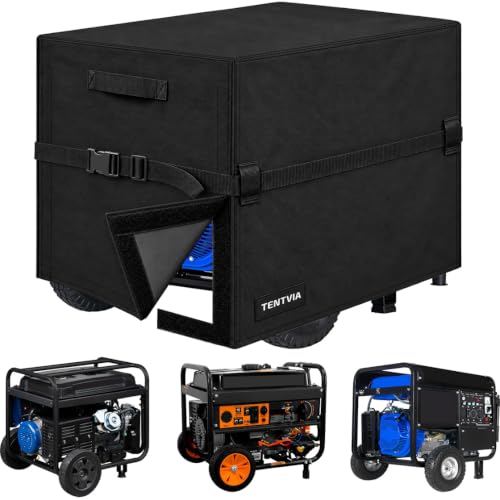
3. Generator Cover-38”Lx28”Wx30”H
A Generator Cover-38”Lx28”Wx30”H (generator cover), per the listing. Check price on Amazon.
Good for: protecting a generator. Watch out: Check size fit.
Best for protecting a generator
4. Generator Cover 32 Inch – 600D Outdoor Generator Covers Heavy
A Generator Cover 32 Inch – 600D Outdoor Generator Covers Heavy (generator cover), per the listing. Check price on Amazon.
Good for: protecting a generator. Watch out: Check size fit.

Best for protecting a generator
5. Generator Cover for 5000-10000W 32″L x 24″W x 24″H
A Generator Cover for 5000-10000W 32″L x 24″W x 24″H (generator cover), per the listing. Check price on Amazon.
Good for: protecting a generator. Watch out: Check size fit.


Best for protecting a generator
6. Porch Shield Generator Cover for 5500-15000W
A Porch Shield Generator Cover for 5500-15000W (generator cover), per the listing. Check price on Amazon.
Good for: protecting a generator. Watch out: Check size fit.
Best for protecting a generator
7. Porch Shield Generator Cover for 5000-10000W
A Porch Shield Generator Cover for 5000-10000W (generator cover), per the listing. Check price on Amazon.
Good for: protecting a generator. Watch out: Check size fit.
Best Picks by Category
These labels summarize listing data and are not hands-on test results.
- Top rated: Generator Cover for 5000 ‑10000W — check price on Amazon.
- Most reviewed: Porch Shield Generator Cover for 5500-15000W — check price on Amazon.
- Best value: Generator Cover-38”Lx28”Wx30”H — a budget-tier pick; check price on Amazon.
- Lowest price: Generator Cover-38”Lx28”Wx30”H — a budget-tier pick; check price on Amazon.
- Premium option: Porch Shield Generator Cover for 5500-15000W — a higher-tier pick; check price on Amazon.
Price, Rating and Review Comparison
The table lists the picks with their price tier. Prices change often, so confirm the current price on Amazon.
| Product | Price | Rating | Ratings | Price tier |
|---|---|---|---|---|
| Generator Cover-38”Lx28”Wx30”H | Check price on Amazon | — | — | Budget |
| Generator Cover for 5000-10000W 32″L x 24″W x 24″H | Check price on Amazon | — | — | Budget |
| Waterproof Generator Cover | Check price on Amazon | — | — | Mid-range |
| Generator Cover for 5000 ‑10000W | Check price on Amazon | — | — | Mid-range |
| Generator Cover 32 Inch – 600D Outdoor Generator Covers Heavy | Check price on Amazon | — | — | Mid-range |
| Porch Shield Generator Cover for 5000-10000W | Check price on Amazon | — | — | Mid-range |
| Porch Shield Generator Cover for 5500-15000W | Check price on Amazon | — | — | Mid-range |
How Much Feedback Backs Each Rating
Check the product page on Amazon for the current details on each pick.
- Waterproof Generator Cover: Check price on Amazon.
- Generator Cover for 5000 ‑10000W: Check price on Amazon.
- Generator Cover-38”Lx28”Wx30”H: Check price on Amazon.
- Generator Cover 32 Inch – 600D Outdoor Generator Covers Heavy: Check price on Amazon.
- Generator Cover for 5000-10000W 32″L x 24″W x 24″H: Check price on Amazon.
- Porch Shield Generator Cover for 5500-15000W: Check price on Amazon.
- Porch Shield Generator Cover for 5000-10000W: Check price on Amazon.
How to Choose
Rating
Check amps, size or power ratings.
Build
Heavier materials last longer.
Safety
Use protective gear and follow instructions.
Running cover or storage cover
Not every generator cover is meant to be used in the same way, and mixing them up is a safety risk.
- Storage covers protect an idle generator from rain, snow, dust, sun, and debris. They must only be used when the engine is off and fully cool.
- Running covers or enclosures are designed to allow safe operation in wet weather, with openings or a frame that keeps the cover away from the exhaust and allows ventilation.
Never run a generator under a cover that is not explicitly designed for that purpose, and never run it in a closed space. Exhaust contains carbon monoxide, which is dangerous. Check the product listing and the generator manual for what is allowed, and keep the generator outdoors and well away from windows and doors.
Measuring your generator for the right cover
A cover that is too tight tears at the seams; one that is too loose flaps and collects water.
- Measure the length, width, and height of the generator, including handles, wheels, and any protruding parts.
- Compare to the cover’s stated dimensions, and check which units it lists.
- If you use a wheel kit or a transfer switch attachment, include them in your measurements.
- Look for covers that list compatible wattage ranges, but treat those as a guide rather than a guarantee of fit.
Choose a size that allows a little room for air to circulate under the cover. Inverter-style generators and open-frame models have different shapes, so confirm the listing matches your type.
Fabric, coatings and UV resistance
The material determines how long the cover will last and how well it protects.
- Heavy polyester or similar fabrics with a waterproof coating are common. Higher denier ratings generally mean thicker fabric, but check the listing for the actual specification.
- Taped or welded seams help reduce leaks compared with simple stitching.
- UV-resistant coatings slow sun damage, which matters if the cover stays outdoors for months.
- Look for reinforced corners and grommets, which tend to wear first.
Cheaper covers may crack or fade sooner in strong sun or cold weather. Check how the listing describes the waterproofing, and avoid assuming that water-resistant means waterproof.
Ventilation, tie-downs and wind hold
A cover that traps moisture can cause rust and mildew, so ventilation matters as much as waterproofing.
- Vents or mesh panels let moist air escape.
- Elastic hems, drawcords, or buckle straps keep the cover in place in wind.
- Check that the straps are strong and the buckles do not crack in cold weather.
- A cover with a clear access flap for the fuel cap or control panel can be convenient.
Make sure the generator is cool before covering it, and keep the base on a dry surface rather than standing water. A wet cover left in place for long periods can trap moisture, so dry it occasionally.
Care, storage and seasonal prep
A cover helps, but it does not replace routine generator maintenance.
- Wipe off dirt and debris, and let the cover dry fully before folding it.
- Follow the generator manual for fuel stabilizer or draining the carburetor before long storage.
- Keep the unit in a dry, secure place when possible, such as a shed or garage with proper ventilation.
- Inspect the cover for tears, cracked coating, and failed seams at the start of each season.
Replace the cover if it no longer sheds water, has holes, or has become brittle. A damaged cover can do more harm than good by holding moisture against the metal.
Matching a cover to your generator type
Generators come in several shapes, and the shape decides which cover will sit well. Open-frame units have a tubular frame, exposed engine parts and a fuel tank on top. They are usually taller and more angular, and the frame corners can press against thin fabric. Inverter-style units are usually enclosed in a molded case and tend to be smaller and smoother, so a cover sized for a big open-frame model will hang loose and collect water in its folds.
Wattage ranges in a listing are a rough guide to the size of unit the maker had in mind. They are not a measurement. Two generators with the same output can differ a lot in length and height, which is why the listings in this guide give dimensions or wattage bands that you should check against a tape measure.
- Open-frame models: look for a roomy cover with reinforced corners and enough height for the fuel cap and any raised handle.
- Enclosed or inverter models: a closer fit is usually fine, but still leave room for the handle and any carry strap.
- Units with wheel kits or a folding handle: measure with the handle in the position you will leave it in.
- Dual-fuel or units with a side-mounted propane connection: check that the cover does not press on hoses or fittings.
If you own more than one generator, do not assume a single cover will suit both. A cover that is the right size for the larger unit may be too loose for a smaller one, and loose fabric catches wind. Check the product listing and your generator manual for dimensions rather than relying on the name of the generator model alone.
Where to place and park a covered generator
Where the generator sits matters as much as what covers it. For storage, choose a spot that is level, solid and dry. Standing water, bare mud or soft ground lets moisture creep up under the cover and into the frame. A paved pad, a concrete slab or a sturdy platform keeps the feet out of puddles and makes the cover easier to put on and take off.
Think about runoff. Water that sheds off a cover has to go somewhere, and a spot directly under a roof edge or beside a downspout can mean a constant drip or a wet base. A place with a little overhead shelter, such as a porch roof or a lean-to that stays well away from any building openings, can reduce the load on the cover without turning the area into an enclosed space.
- Keep stored fuel in approved containers and away from living areas, following local rules and the generator manual.
- Choose a spot you can reach quickly in a storm or outage so you are not carrying a heavy unit through snow or mud.
- Keep the unit clear of leaves, brush and anything that could trap damp against the cover.
- Think about security: a cover hides the unit from view, but it does not lock it down, so a chain or anchor point may still be worth considering.
When it is time to run the generator, remove the cover, move the unit to its proper outdoor operating spot as the manual directs, and keep exhaust away from windows, doors and vents. A cover is for storage, and the place you store the unit is not always the place you run it.
Climate and weather: what your cover will face
The weather in your area should shape what you buy. In places with heavy rain, the main job is shedding water without leaking at seams. In snowy areas, wet snow adds weight, and a cover that sags can pool melting water. In hot, sunny regions, ultraviolet light is the main enemy, since it can fade and stiffen coatings over a season or two. Coastal or humid areas add salt and damp air, which make ventilation and drying habits more important.
Wind is a quiet source of damage. A cover that flaps all night rubs at the same stress points and wears through at the corners and hem. Strong gusts can also lift an undersized or poorly secured cover entirely. Check how the listing describes the closure: elastic hems, drawcords, buckle straps and grommets all help, and combining two of them is better than relying on one.
- Rain-heavy areas: look for taped or welded seams and a fabric the listing describes as waterproof rather than only water-resistant.
- Snow and cold: check that buckles and straps are not likely to become brittle, and brush off heavy snow when it builds up.
- Sunny climates: favor a listing that mentions UV protection and a lighter color that reflects heat.
- Windy sites: use all the straps and consider an extra tie-down around the base.
No cover is permanent. Seasons of exposure wear any fabric down, so treat the cover as a replaceable part and not as a one-time purchase.
Common cover mistakes to avoid
Most problems with generator covers come from a handful of habits that are easy to fix. The first is covering a warm engine. A hot muffler and exhaust can damage fabric, and heat can leave moisture trapped inside as the unit cools. Always let the generator cool fully before covering it, and keep the cover clear of exhaust parts.
The second is buying only on price or wattage range. A snug fit matters more than a bargain, because a cover that is too small will strain, and one that is too large will flap. The third is leaving a wet cover on a damp generator for weeks. Moisture sealed in against metal is a recipe for surface rust, so lift the cover now and then and let everything air out.
- Do not stretch a cover over a unit that is only just too big; it will fail at the seams.
- Do not leave the cover cinched tight on a soaked unit.
- Do not use a storage cover as a running enclosure.
- Do not ignore the fuel system: a cover does not stop old fuel from gumming up the carburetor, so follow the manual for storage steps.
- Do not skip a seasonal check of the straps, grommets and seams.
Another common mistake is forgetting to put the cover back on after a quick job. A cover that lives in the garage does nothing for a generator sitting out in the rain. Pick a spot to hang or fold the cover that is close to the unit so putting it back is easy.
Budget tiers and questions to ask before buying
Generator covers span a range from basic, lightweight options to heavier, more finished designs. At the lower end, expect thinner fabric, simpler stitching and fewer closures. These can work well for a sheltered spot, a mild climate or short-term use, but they may wear sooner in sun, wind or snow. In the middle, listings tend to describe thicker fabric, reinforced corners and better straps. Higher-priced covers may add features such as taped seams, vents, access flaps or stronger buckles. A higher price does not guarantee a better fit, so match features to your weather and your generator first.
Because the listings in this guide are summaries of maker claims, check the product page for the details that decide whether a cover will do the job. Customer questions on the listing can also hint at how it holds up over time and in different weather.
- What are the stated length, width and height, and do they match my generator with its handle and wheels?
- Does the listing say waterproof, water-resistant or neither, and how are the seams made?
- Are there vents, and where are they placed?
- How does the cover secure: elastic, drawcord, straps or a mix?
- Does the maker say it is for storage only or for use during operation?
- What do the return and warranty terms say?
Also consider how often the generator stays outdoors. A unit kept in a shed needs less from a cover than one left out all year. A cover is protection for the machine, not a substitute for a sensible storage place.
A Seasonal Routine for a Covered Generator
A generator cover works best as part of a seasonal routine rather than as a fit-and-forget purchase. In spring, take the cover off, inspect it for winter damage, tears at the seams, tired elastic, worn straps, and clean it before it goes back on, because grit held against the generator’s paintwork all summer does slow damage. Check the generator itself at the same time: a cover hides the machine, and hidden machines get their oil, fuel and air filter forgotten. The cover should prompt inspection, not replace it.
Through the storm and outage seasons, the routine is about readiness. The generator must be reachable, the cover removable with cold or gloved hands, and the straps or drawcords operable without a struggle in the dark. Practise removing and refitting the cover once in good weather; the first time you do it should not be during an outage in rain. Keep the area around the covered generator clear so air can circulate and so you are not moving stored clutter before you can even reach the machine.
In autumn, prepare for the wettest months. Confirm the cover still sheds water rather than pooling it, reposition the generator if last winter showed a drip line or a puddle in the wrong place, and check that rodents have not discovered the shelter the cover provides, since nesting material inside a generator housing is a genuine seasonal problem. A few minutes of this attention twice a year keeps both cover and generator in the condition the rest of this guide assumes.
Fitting Problems: Too Tight, Too Loose and Awkward Shapes
Most cover disappointments are fitting problems in disguise. A cover that is too tight strains its seams every time it is fitted, fights the user at every corner, and eventually splits at the point of greatest tension, usually over a handle or a control panel edge. A cover that is too loose seems harmless but billows in wind, works its fastenings loose, chafes the machine’s finish and collects pools of water in its folds. The measuring guidance earlier in this guide exists because the middle ground, a cover with modest room that secures down properly, is the only fit that actually protects.
Awkward shapes complicate the choice. Generators with prominent handles, wheel kits, fuel caps that sit high or control panels that protrude will not sit happily under a cover measured from the frame dimensions alone. Measure to the outermost points of the machine as it actually stands, including the handle in its resting position, and check the cover’s shape, not just its numbers: some covers in this guide are cut more generously around the top for exactly this reason. If your machine falls between sizes, the slightly larger cover with good straps is usually the safer error.
After fitting a new cover, revisit it a week later. Materials relax, elastic settles and straps find their natural position, and a cover that seemed secure on day one can develop a loose corner that flaps itself to death over a windy month. That one-week check, plus a tug on each fastening after any major storm, is the whole secret of covers that stay put. Owners who skip it often conclude a good cover was badly made, when it was simply never re-tensioned after settling.
What a Cover Cannot Do: Honest Limits and Complementary Care
A cover is weather protection, not a restoration product and not a security system, and expecting the right things from it prevents disappointment. It will not reverse rust that has already taken hold, stop corrosion inside a fuel system, or keep a neglected engine ready to start. Those outcomes depend on the maintenance the cover should remind you to do: treating early rust spots, following the manufacturer’s storage guidance for fuel and oil, and running the machine periodically so it is exercised, lubricated and proven, not merely dry.
Nor does a cover make an unsafe location safe. A generator stored under a cover still produces deadly exhaust when run, still needs the clearances and outdoor positioning the safety guidance in this guide and the manufacturer’s manual demand, and still must never be run in a garage, under a cover not designed for running, or near openings into the house. The storage-versus-running distinction made earlier in this guide is the single most important idea in it, and no convenience of a quick-release cover changes it.
Finally, a cover does not replace inspection after extreme weather. After a major storm, check under the cover: confirm no water has been driven inside, no debris is packed against vents, and the machine is dry before the cover goes back on. Trapping storm water against the machine under a freshly refitted cover is worse than leaving it uncovered to dry. Used with these honest limits in mind, the covers above do their real job very well: they keep a maintained machine clean, dry and ready between uses.
Storing the Cover Itself and Knowing When to Replace It
Covers wear out, and how they are treated when off the machine decides how fast. When a cover comes off for a season, clean it, dry it completely and store it loosely folded or rolled in a dry place out of sunlight. A cover stored damp grows mildew that stains and weakens it; a cover stored crushed under heavy items develops the creases and cracks discussed in the fabric section above. The storage bag some models include is worth using for exactly these reasons, and a cover treated this way routinely outlasts one twice its price that was thrown in a corner.
Learn the signs that a cover’s protective life is ending. Fabric that has gone stiff or papery, coating flaking from the inside, seams opening at stress points, elastic or straps that no longer hold tension, and water that soaks through rather than beading and running off all mean the cover is now a dust sheet, not weather protection. Test suspect fabric during a shower of rain: if the inside is damp afterwards, the argument is over. Replacing a cover at this stage is far cheaper than the corrosion repairs that follow a winter of false confidence.
When you replace, replace from your notes. You know by now whether the old size was right, whether the fastenings suited your hands and weather, and whether vents mattered in your climate. That experience makes the second purchase from a list like this one a five-minute decision rather than a fresh research project. The best outcome of a first cover is not just a protected generator; it is an owner who knows exactly what their machine and location actually need.
Choosing Among the Covers Above for Your Machine and Climate
The covers in this guide divide by size range, fabric weight and fastening style, and your climate should lead the decision. In wet, windy regions, prioritise secure fastenings and a fabric that sheds water under pressure from driven rain, and be sceptical of any cover whose straps you could not operate with cold hands. In hot, sunny regions, ultraviolet resistance and ventilation move to the top of the list, because sun degrades fabric faster than rain does and trapped heat and moisture under a cover in strong sun create their own corrosion problem.
For machines stored in genuinely sheltered spots, a carport corner or under a lean-to, a lighter cover may be entirely sufficient, since its real job is dust and drip protection rather than storm defence. Spending heavily to protect a sheltered machine from weather it never meets is wasted money; spending lightly to protect an exposed machine is wasted money faster. Match the cover to the exposure honestly, using the placement and climate sections above, and both errors disappear.
Size remains the non-negotiable foundation: measure the machine as it stands, allow for handles and wheels, and only then compare fabrics and features among the covers that fit. Read the seven options above in that order, fit first, climate second, features third, and the right cover for your generator should be obvious. Fitted and maintained as these sections describe, it will quietly do its job for seasons at a time.
Covering a Generator That Lives on a Stand, Cart or Pad
Generators do not all sit flat on the ground, and the mounting changes the cover’s job. A machine on a low pad needs a cover long enough to protect the lower frame from splashed rain and ground moisture, while one on a wheeled cart needs clearance so the cover does not drag, snag or pull tight across the wheels when fitted. Measure with the generator exactly as it lives, wheels, handles and stand included, and check how the cover will come off: a cover that must be lifted over a tall handle in a confined space will be fought with every time, and fought-with covers get left off.
If the generator is moved between positions, store the cover where the machine parks, not where it is used, so the two are always reunited at the end of a job. Small logistics like this decide whether a cover is used a hundred times or ten, and a cover used a hundred times is the one that actually protects the machine’s value.
Condensation: The Hidden Moisture Problem
Owners are often surprised to find moisture under a cover that kept the rain out, but condensation is the cover’s subtler enemy. Warm, damp air trapped under an impermeable cover condenses on cool metal overnight, and in some conditions a badly ventilated cover can keep a machine wetter than no cover at all. This is why the ventilation discussion in the main guide matters: vents, breathable panels and air space between cover and machine are functional features, not marketing, especially in humid climates and in seasons when days are warm and nights cold.
Your habits can help the cover do its job. Never cover a machine that is still wet or still warm from use; let it cool and dry first. After long wet spells, lift the cover on a dry day and let everything air. If you repeatedly find condensation, change the routine before blaming the fabric: a cover lifted and aired weekly protects better in a damp climate than a theoretically superior cover sealed down for a season.
Security, Appearance and Being a Good Neighbour
A cover does quiet social work. A covered generator looks deliberate and cared for rather than abandoned, which matters in shared spaces, front gardens and anywhere neighbours or landlords see the machine. It also keeps the generator’s details, model, condition and accessories, out of casual view. A cover is not a security device and should never be relied on as one, but tidiness and discretion are real benefits that owners consistently mention once they have lived with a cover for a while.
Covers also contain the small messes of ownership: the drips, dust and leaf litter that gather around a stored machine are kept off the generator itself, and the area stays cleaner. When choosing between the covers above, give a little weight to how the result will look where it will live for years. Equipment that looks right gets maintained; equipment that looks shabby gets neglected, and that psychology is a genuine part of long-term care.
Fitting a Cover Into an Emergency-Ready Household
In a household that depends on its generator, the cover is part of the emergency system and should be drilled like the rest of it. The cover must come off quickly, in the dark, by any adult in the house, and go somewhere definite rather than being dropped in the wet. Practise the removal and refit once, agree where the cover lives during an outage, and make sure straps or fastenings can be worked with cold hands or gloves. A cover that delays power restoration by ten fumbled minutes in a storm has failed at its most important moment.
Keep the generator’s starting essentials with the plan, not scattered: the manual, the fuel routine the manufacturer recommends, and a note of the last exercise run. The cover protects the machine between emergencies; the household’s readiness protects the emergency itself. Both are cheap, both are easy, and together they are the entire point of owning the equipment.
Comparing Fabric Weights Without a Laboratory
Fabric descriptions can overwhelm a buyer, so use handling tests and common sense. A protective cover should feel substantial without being stiff, its seams should be even and firmly stitched, and its inside face should be smooth enough not to abrade the machine’s finish as it is drawn on and off hundreds of times. Fastenings should operate positively, clicking, gripping or tying securely, rather than relying on hope and gravity. These judgements, made from photographs, descriptions and the detail in the reviews above, predict real-world service better than any single number in a listing.
Heavier is not automatically better, as the main guide notes: a very heavy cover on a machine that is uncovered weekly becomes a chore that gets skipped. Match the fabric to the exposure and to your own willingness to handle it. The best cover is the heaviest one you will still happily remove and refit every time the generator is used, because protection only exists on the days the cover is actually on.
A Cover Buying Recap in Five Questions
Before ordering, answer five questions from this guide. Have I measured the machine as it stands, handles and wheels included? Is this a storage cover, or do I genuinely need a design intended for running, with all the manufacturer’s conditions that involves? Does the fastening system suit my weather and my hands? Does the ventilation suit my climate’s condensation risk? And will I honestly use this cover every time, or is a simpler one more likely to be refitted? A cover chosen by those answers will not disappoint.
If two covers remain tied after the five questions, choose the one whose maker gives the clearest sizing and care information, because that clarity usually signals a product designed by people who understand generators. Then fit it, check it after a week, and fold it into the seasonal routine described earlier. That is the whole craft of generator covers, and it is not a large craft, but done properly it quietly protects one of the most useful machines a household owns.
Frequently Asked Questions
Is it right for beginners?
Check the features and manual.
Do I need extras?
Often protective gear or accessories.
How do I store it?
Dry and covered.
Can I run my generator with the cover on?
Only if the cover is specifically designed and labeled for use while running. Otherwise, remove it and ensure the engine is off and cool before covering.
Will a cover prevent rust?
It helps by keeping rain and snow away, but trapped moisture can still cause problems. Good ventilation, a dry base, and regular checks are important.
How do I know which size to buy?
Measure your generator and compare the dimensions with the listing, allowing a little room. Do not rely only on wattage.
Do covers fit all generator brands?
Many are universal in shape, but fit varies. Check the dimensions and compatibility notes in the listing.
How long should a generator cover last?
It depends on the fabric, the sun and weather exposure, and how well you care for it. Inspect it regularly and replace it when it wears out.
Can I use a tarp instead?
A tarp can trap moisture and blow off in wind, and it is not designed for fit or ventilation. A purpose-made cover is usually more suitable.
Should I buy a cover with vents or one without?
Vents or mesh panels let moist air escape, which helps reduce rust and mildew, so they are generally useful for covers left on for long periods. A cover without vents may shed water well but can trap damp air. Check the listing to see how the maker handles airflow.
Can I cover the generator right after using it?
No. Let the engine and exhaust cool completely first. Covering a hot unit can damage the fabric and trap heat and moisture. Follow the generator manual for cool-down guidance.
Does the color of the cover matter?
It can. Lighter colors tend to reflect more sunlight, which can help in hot climates, while darker colors may absorb more heat. Pick based on your climate and how much sun the unit gets, and check the listing for the color options.
What should I do if the cover pools water on top?
Pooling usually means the fabric is sagging or the cover is too loose. Try tightening the straps or choosing a better-fitting size. Brush off standing water and snow so the weight does not stress the seams.
Can I keep fuel in the generator while it is covered?
Storing fuel in the tank is a question for your generator manual, because fuel can go stale and cause starting problems. Many makers describe fuel stabilizer or draining the system before long storage. A cover does not change those instructions.
Is a heavier fabric always better for a generator cover?
Not always. Heavier fabric is generally more durable, but it can be harder to handle and may not suit every unit. The fit, the seams and the closures matter just as much, so look at the whole design.
How can I stop the cover from blowing off in wind?
Use every strap or drawcord the cover provides, and make sure the size is snug without being tight. An additional tie around the base can help in exposed areas. Check the straps for wear at the start of each season.
When is it time to replace a generator cover?
Replace it when it no longer sheds water, the coating cracks or peels, seams split, or the fabric becomes stiff and brittle. A worn cover can hold moisture against the generator, which can do more harm than good.
Bottom Line
Never run a generator covered; use covers for storage.
More Workshop Guides
- Flux Core or MIG Welder? A Beginner Guide
- Best Beginner MIG Welders
- Best 140A Flux Core Welders for Home Shops