Disclosure: As an Amazon Associate, UMT Smart Tool earns from qualifying purchases. This guide is built from product listings and maker specifications, not from our own direct testing. Listing details are approximate and can change, so check the current listing before you buy. Last updated: November 9, 2026.
“Best chairs” means very different things depending on where the chair will live. A seat that supports you through a full workday needs adjustability and firm, even support. A lounge chair needs the opposite: a relaxed angle and a little give. A dining chair needs to suit the table and survive daily spills. This guide is organized by use case, so you can begin with the job the chair has to do, then compare the strongest option in that role.
Quick Choices
The short version: six chairs we would look at first, one per use case.
| Choice | Type | Best for |
|---|---|---|
| Steelcase Leap | Ergonomic office chair | All-day desk work and back support |
| Herman Miller Aeron | Premium office chair | Long-term investment and warm rooms |
| IKEA POÄNG | Lounge / accent chair | Reading corners and relaxed living rooms |
| La-Z-Boy Brooks Rocking Recliner | Recliner | Kicking back for TV, reading and naps |
| Article Svelti | Dining chair | Modern dining sets that are easy to clean |
| FlexiSpot C7 | Value desk chair | Home offices with tighter limits |
In this guide
Our Choices

1. Steelcase Leap — Best Ergonomic Office Chair
The Leap is our first choice for full-time desk work because so much of it adjusts. Steelcase’s LiveBack backrest flexes and changes shape as you shift position, and the lumbar support moves up and down, with a separate dial for lower-back firmness. That matters, because back support that cannot be moved rarely lands in the right place. The seat depth also slides, helping shorter and taller users keep a small gap behind the knees.
The seat is padded foam rather than mesh, so it feels familiar and cushioned, though warmer than a suspension seat in a hot room. The recline glides so your eyes stay near screen height as you lean back. The trade-off is listing detail: this is a premium-tier chair with plain office styling. For someone who sits six or more hours a day and wants a chair fitted carefully to their body, it is the safest ergonomic bet here.

2. Herman Miller Aeron — Best Premium Office Chair
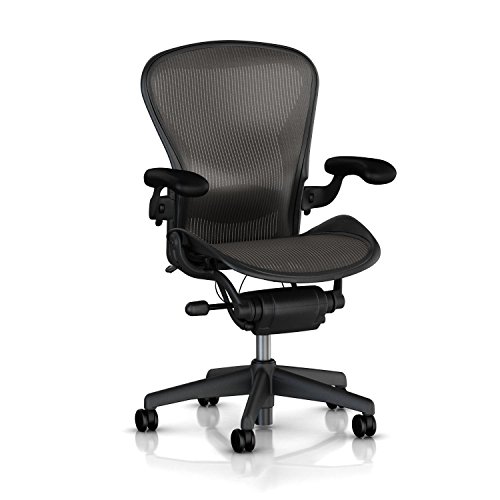
The Aeron takes a different route. Instead of a padded seat, it uses a suspended mesh — Herman Miller’s 8Z Pellicle — stretched across seat and back, with different tension zones intended to spread weight evenly and let air pass through. There is no foam to compress, and the chair runs noticeably cool. Rather than a seat-depth slider, the Aeron comes in three sizes, so choosing the right size is part of the purchase, not an afterthought.
Support options include PostureFit SL, which supports both the sacral and lumbar regions, plus a tilt limiter and forward tilt for people who lean in over a desk. The firm, upright feel divides opinion: fans call it supportive; others find the rigid frame edge unforgiving if they sit sideways or cross-legged. It is a premium-tier, buy-it-for-years purchase. Choose it if you run warm, like a firmer sit, and will take the time to get the size right.

3. IKEA POÄNG — Best Lounge and Accent Chair
The POÄNG has been in IKEA’s range for decades — the design dates to the 1970s — and its appeal is simple: a layer-glued bentwood frame that flexes gently as you sit, giving a soft, springy resilience rather than a rigid perch. The high back supports the neck, and the laid-back angle suits reading, music and conversation far better than upright work. Cushions come in a range of fabrics and a leather option, and the separate cushion makes refreshing the look straightforward.
It is light, compact and easy to move between rooms, and a matching footstool is available. The compromises are predictable: no meaningful adjustability, a low seat that can be awkward for anyone with limited mobility, and a thin cushion that will not give you the deep sink of a plush armchair. At a value-focused tier for a design classic, it earns its place in a reading corner or calm living room.

4. La-Z-Boy Brooks Rocking Recliner — Best Recliner
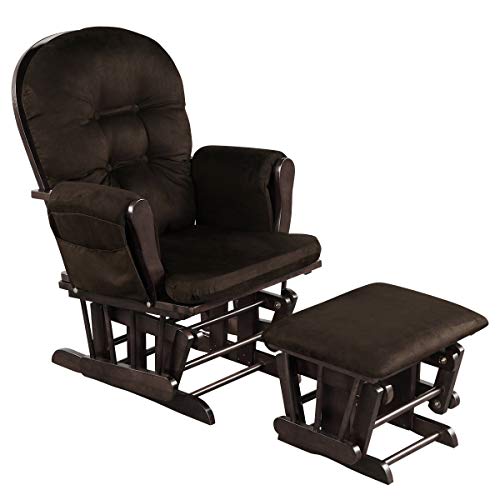
A recliner is a different purchase: you are buying a mechanism as much as a seat. The Brooks is a classic rocking recliner from La-Z-Boy, the brand most associated with the category. It rocks while upright, then reclines with a raised footrest, and its padded styling is built around comfort viewing rather than desk sitting. A handle-operated recline keeps the mechanism simple.
Expect a generous footprint: recliners need clearance behind and in front, so measure your room in the fully reclined position before ordering. The traditional styling suits family rooms better than minimalist spaces, and like most recliners it is heavy to move. Upholstery choices typically include fabric and leather options, so households with pets should weigh cleanability carefully. For an end-of-day chair for television, reading and naps — from a maker whose core business is recliners — the Brooks is the dependable, comfort-first choice.
5. Article Svelti — Best Dining Chair
Dining chairs work harder than they look: they are dragged, spilled on and sat on by every size of guest. The Svelti from Article answers with a molded plastic seat shell on powder-coated metal legs — a combination that wipes clean, shrugs off messes, and stays light enough to move without effort. The modern, Scandinavian-style silhouette works in dining rooms that would look heavy with upholstered seating.
Flexibility is a strength: the design is offered with or without arms, and in dining, counter and bar heights, so the same look can run from table to kitchen island. The chairs are also stackable, which helps smaller homes that need spare seating out of the way. The trade-off is lingering comfort: a molded shell will not cushion a three-hour dinner party like a padded seat, and plastic feels less warm than wood or upholstery. For busy, family-friendly dining, the Svelti is the practical modern choice.
6. FlexiSpot C7 — Best Value Desk Chair
FlexiSpot is best known for standing desks, and the C7 brings the same value-first approach to seating. It covers the basics basic task chairs usually skip: a breathable mesh back, a padded seat, lumbar support designed to adapt as you move, and seat-depth adjustment so the seat does not press into the back of your knees. Height and tilt adjustment are there as expected.
Where the value shows is in the finer points: armrests and trim feel less refined than on the premium chairs above, and it will not match a Leap or Aeron for durability or breadth of adjustment. Assembly is part of the deal at this tier. For a home office used a few hours at a time, or a first proper desk setup, the C7 delivers the adjustments that matter most while staying firmly in the value-focused tier.
Best by Category
- Ergonomic office chair: Steelcase Leap — the widest range of fit adjustments, including seat depth and lumbar firmness.
- Premium office chair: Herman Miller Aeron — cool mesh suspension, three-size fit and long-term durability.
- Lounge / accent chair: IKEA POÄNG — flexible bentwood frame and an easy, relaxed sit.
- Recliner: La-Z-Boy Brooks — rocking plus full recline from a specialist maker.
- Dining chair set: Article Svelti — wipe-clean, stackable, in several heights.
- Value desk chair: FlexiSpot C7 — key ergonomic adjustments without the premium tier.
That is the point of buying by use case: money spent on a recline mechanism, dining durability or office adjustability only pays off in the room where it is used every day.
How to Choose
Chair types and use case
Begin with hours and activity. A chair used eight hours for focused work needs firm support and adjustment. A lounge chair used for an hour of reading needs a relaxed back angle. Dining chairs are used in shorter bursts, so durability, cleanability and table fit matter more than deep cushioning. One chair bought for all three jobs usually does none of them especially well.
Seat height, depth and ergonomics
Your feet should rest flat on the floor with knees at roughly a right angle, with a small gap — about two or three fingers — between the seat edge and the back of your knees. Seat height is set against your desk or table, not in isolation. For desk work, look for a backrest that supports the natural curve of your lower back and lets you sit back rather than perch.
Materials: mesh, leather, fabric and wood
Mesh breathes and keeps its shape, but feels firm. Foam and fabric feel warmer and softer, though foam softens with years of use. Leather wipes clean and suits dining chairs and recliners, but can feel hot in summer. Wood and molded plastic are the easiest to clean and the least forgiving over long sits — a good trade at the dinner table, a poor one at a desk.
Weight capacity and build quality
Check the maker’s stated weight limit and match it honestly to everyone who will use the chair, with headroom to spare — capacity is also a rough proxy for frame strength. Then look at the parts that fail first: casters, gas lifts, recline mechanisms and armrest mounts. Metal bases generally outlast plastic ones. Never rely on a retailer’s capacity figure if the maker’s page lists a different one.
Adjustability
For desk chairs, the adjustments that matter most are seat height, lumbar support position, seat depth, armrest position and tilt tension. Each one fits the chair to your body rather than the average body it was designed around. For lounge and dining chairs, adjustability barely exists — fit is decided at purchase, which is why sitting in one first, or an easy return route, matters more.
Care and warranty
Match care to your household. Fabric needs vacuuming and spot cleaning, mesh can be wiped and vacuumed, wood and plastic need only a damp cloth, and recliner mechanisms benefit from debris-free moving parts. Read the warranty in parts: frame, mechanism, foam and fabric are often covered for different periods, and a long frame warranty says more about build quality than any marketing claim.
Chair Mechanisms and Controls Explained
Under the seat of most task chairs sits a mechanism that decides how the chair moves. A basic tilt lets the backrest lean, while a synchro mechanism moves the seat and back together at a set ratio, which keeps your posture supported as you recline. Knowing the terms helps you read a listing quickly.
| Control | What it does |
|---|---|
| Seat height lever | Raises or lowers the seat on a gas cylinder |
| Tilt lock | Holds the backrest at chosen angles |
| Tension knob | Adjusts how hard the back pushes against you |
| Seat slide | Changes seat depth for different leg lengths |
Simple chairs may skip several of these, which is fine for short sessions. If you sit for long stretches, more adjustment gives you more ways to fine tune the chair to your body.
Armrests, Headrests and Lumbar Support
Armrests, headrests and lumbar supports are the parts that people often disagree about. Adjustable arms can move up, down, in and out, and some pivot as well. Fixed arms may be fine for a lounge chair, yet they can catch on the edge of a desk or feel too high or low.
Lumbar options
- Built-in curve: a shaped back that follows the spine without moving parts.
- Adjustable lumbar: a pad or mesh area that can be raised, lowered or pushed forward.
- Separate cushion: a removable pillow that you place where you like.
A headrest is helpful if you lean back to read or take calls, but it can get in the way if it sits too high. Look for models where it can be removed or tilted. The right choice depends on your height, your desk and your habits, so read the maker’s adjustment ranges.
Wheels, Bases and Floor Protection
The base and casters affect stability, noise and how your floors age. Five-point bases are the standard because they resist tipping. Nylon bases are lighter and common on budget-friendly chairs, while aluminum and steel bases are more rigid and often appear on premium models.
Casters come in hard and soft versions. Hard wheels roll easily on carpet but can scratch wood and tile. Soft rubber or polyurethane wheels are kinder to hard floors and tend to be quieter. Many makers sell replacement casters, so it is worth checking whether you can swap them later.
If you use a chair mat, make sure it suits your floor type, since some mats are made for carpet and others for hard surfaces. A chair that rolls too freely on smooth floors can also be a nuisance, so brake casters that lock when unweighted may help.
Common Chair Buying Mistakes
Choosing a chair is more personal than many shoppers expect, and a few traps appear again and again.
- Buying for looks without checking seat height range against your desk.
- Ignoring seat depth, which can leave your legs unsupported or pressing the edge.
- Assuming a bigger chair is always more comfortable.
- Overlooking assembly, since some chairs need a second pair of hands.
- Forgetting to check warranty length and part availability.
It also helps to sit in a few chairs in a shop or at a friend home if you can, noting how the seat edge meets the back of your knees and whether the back follows your spine. Measure your desk height and your own seated dimensions before you shop, and compare them with the listing. A few minutes with a tape measure saves a lot of hassle.
More Chairs Worth a Look

IKEA MARKUS Office Chair
The MARKUS is a high-back office chair with a mesh back and a built-in headrest. It is designed with a synchro tilt and adjustable height, and it aims to suit people who sit for longer periods. The listing notes available colors and a warranty from the maker, so confirm those before purchase.


Secretlab Titan Evo
The Titan Evo is a gaming-style chair with an adjustable lumbar system, four-way arms and a magnetic head pillow. It is popular with people who like a bucket-style seat and plenty of reclining range. Sizes come in several options, so match the dimensions to your height and weight.


Branch Ergonomic Chair
The Branch Ergonomic Chair is a mesh-back task chair with adjustable seat height, depth and arms. It is intended for home offices and tends to be simple to assemble. Its range of adjustments makes it worth a look for people between chair sizes, and the maker lists dimensions on the listing.


Steelcase Gesture
The Gesture is built around arms that follow the movement of the user, which suits people who switch between keyboard, tablet and phone. It has a flexible back and a variety of adjustments. It sits at the premium end of the market, so check warranty details and the available configurations on the listing.

More Questions Buyers Ask
Do I need an ergonomic chair for short work sessions?
Not necessarily. A comfortable, adjustable chair that fits your desk may be enough for a few hours a day. Longer sessions usually benefit from more adjustment, so consider how many hours you sit and choose the features that matter most.
How do I adjust a chair to fit my desk?
Set the seat so your feet rest flat and your knees sit about level with your hips. Bring the arms to a height where your shoulders relax, and position the chair close enough that your forearms are roughly parallel to the desk. Make small changes and sit for a while before adjusting more.
Can I replace parts on an office chair?
Often yes. Gas cylinders, casters and armrest pads are commonly replaceable, depending on the maker. Check the listing or the support page for parts, and follow the instructions when swapping a cylinder, since the seat is under spring pressure.
What weight limit should I look for?
Choose a chair with a stated limit comfortably above your weight, since this leaves margin for movement and long term wear. Heavy-duty models usually list their capacity clearly, along with seat width and base type.
Living With Each Pick: Months at the Desk and Around the Table
The Steelcase Leap leads this list because its adjustments keep working after the honeymoon: the back tension, the flexible back frame and the sliding seat let the chair track you through a long day of posture changes rather than holding one ideal position. Owners notice the difference in month three, when cheaper chairs start creaking and this one simply continues. Its honest limitations are price and appearance: it costs professional money and looks like office equipment, because it is. Choose it if you sit six or more hours a day and your budget has room for a buy-once chair; skip it for a spare-room desk used an hour a week, where its strengths would never be felt.
The Herman Miller Aeron is the mesh benchmark, suspending you in a pellicle seat that breathes through summer and never packs down the way foam does. It suits warm rooms and warm sitters and people who dislike the sunk-in feel of cushions. Its trade-offs are equally clear: the firm mesh edge and the chair’s sizing system mean the wrong size is genuinely uncomfortable, so the size chart is not a suggestion, and its waterfall of adjustments rewards ten minutes of setup. The IKEA POÄNG leaves the desk entirely, offering that famous gentle flex in a bentwood frame at a fraction of the price, as a reading and lounge chair. It is not an office chair and should never be bought as one; its low, reclined posture is for books and conversation, and its low seat can challenge anyone with limited mobility.
The La-Z-Boy Brooks brings the recliner’s case: full-body support, a footrest and upholstery made for evenings, at the cost of floor space and any pretense of task seating. The Article Svelti dining chairs work the opposite shift, light, stackable-leaning and wipeable around a table, with a sculptural look that lifts a dining room; their firm, upright sit is right for meals and wrong for laptop marathons. The FlexiSpot C7 closes the list as the value desk chair that borrows the premium playbook, offering real adjustability and a supportive back at a mid-range price, with the reasonable expectation that its materials and refinement sit a step below Steelcase and Herman Miller. The list’s lesson is that chair is a job description, not a product category: match the chair to the hours and the activity, and every pick here is the right answer to its own question.
Fitting a Chair to a Body: A Practical Method
Forget showroom sitting, which rewards softness in the first thirty seconds. Fit a chair with measurements and a longer test. Seat height should let your feet rest flat with knees at roughly a right angle, and if your feet dangle, no backrest design will save your thighs from the seat edge’s pressure. Seat depth should leave a small gap, about two or three fingers, between the seat front and the back of your knees when your back is against the backrest; too deep and you will slump to reach the back, too shallow and you lose thigh support. These two numbers explain most chair regret, and both are printed in listings, so measure your current best chair and shop by comparison.
Then tune in order: height first, depth second, back tension third, arms last. Armrests should support your forearms without lifting your shoulders, and if they collide with the desk, lower them or choose a chair whose arms adjust widely, because raised shoulders through a workday undo every other adjustment. Lumbar support should meet the small of your back without pushing you forward off the seat; if it feels like a fist, it is set too aggressively or the chair is the wrong size. Give any new chair a full working week before judging, changing one setting at a time, and keep the packaging until the verdict is in. Comfort for a whole day is a system of small fits, and the adjustable picks in this guide reward the patience that fixed chairs cannot.
Floors, Casters and the Room Around the Chair
The chair is only half the purchase; the floor finishes the system. Hard casters on hardwood or tile can mark floors and roll too freely, while soft casters on carpet drag; most quality chairs offer both, and choosing the right set at purchase is cheaper than a floor mat later. A chair mat makes sense on deep carpet, where it also restores smooth rolling, and under heavy chairs on softer wood floors. Check the chair’s footprint against the room: a recliner such as the Brooks needs its full extension measured with the footrest out and the back reclined, and dining chairs such as the Svelti need pull-out room behind them that tight dining nooks often lack.
Desk and table heights complete the picture. A desk chair must slide its arms or its seat under the work surface without forcing you to sit at a distance, and a dining chair’s seat height should leave comfortable thigh clearance under the table’s apron, a measurement hosts forget until the first dinner. Finally, think about the chair’s second life: office chairs with replaceable casters, arms and cylinders, such as the premium picks here, can serve for many years with small parts, while a chair with no parts support is disposable on a longer fuse. Buying the chair you can maintain, in the size that fits, for the job you actually do, is the whole secret this category keeps re-teaching.
Desk Chairs vs Lounge Chairs: Spending in the Right Room
Homes contain two sitting budgets that are often confused. The desk budget buys health-adjacent equipment for long, daily hours, and it deserves the serious money in this list: the Leap, the Aeron or the FlexiSpot C7 will be used for thousands of hours, and their cost per hour quickly undercuts a cheap chair replaced twice. The lounge budget buys pleasure: the POÄNG’s flex, the Brooks recliner’s embrace, hours measured in chapters and films rather than spreadsheets. Pleasure seating can be bought on feel alone in a way desk seating cannot, because a lounge chair that delights you for twenty minutes in the shop will delight you at home, while a desk chair’s truth only emerges at hour six.
Dining chairs sit between the budgets, bought in sets and judged on meals, homework sessions and long dinners. The Svelti’s firm, upright sit is correct there, and the test that matters is a full evening, not a perch. When money is tight, fund the chair you sit in longest first, borrow quality for the others through the secondhand market, where premium office chairs in particular circulate widely, and upgrade the room you live in most. A household that allocates by hours rather than by room prestige ends up comfortable everywhere it actually sits.
Decision Checklist: Five Measurements Before You Order
Bring numbers, not impressions, to the final choice. One: your desk or table height, and the clearance beneath its apron, which together decide the seat height and arm height your chair must offer. Two: your own lower-leg length, which sets the seat height at which your feet rest flat, and your thigh length, which sets the seat depth that will support without pressing behind the knee. Three: the size class of any sized chair, checked against the maker’s chart rather than your clothing size, a step Aeron buyers skip at their peril. Four: the floor type and the caster type it demands, decided at purchase rather than after the first scratch. Five: the room’s clearance, with recliners measured fully extended and dining chairs measured pulled out with a person rising from them.
With those five numbers, the six picks sort themselves quickly: long desk hours point to the Leap, the Aeron or the C7, separated by budget and by whether you prefer cushion or mesh; pure lounging points to the POÄNG or the Brooks, separated by space and by whether you want a gentle flex or a full recline; dining points to the Svelti and its set-mates. Order from a seller whose return terms respect the week-long test this guide recommends, keep the packaging until the verdict, and remember that a chair returned for the right size is a success of the process, not a failure of the purchase.
Secondhand Premium Chairs: A Smart Route, With Checks
[“Premium office chairs circulate widely on the secondhand market as offices refresh their fleets, and a used Leap or Aeron can deliver a decade of service at a fraction of its new price. Buy with checks, not hope. Sit in the chair and work every adjustment: the gas lift must hold height without sinking over ten minutes, the tilt tension must change feel as you turn it, the arms must lock where you set them, and the casters must roll without grinding. Inspect the mesh or upholstery under bright light for tears and sagging, check the base for cracks, and ask the chair’s age and origin, since fleet chairs with known histories are the safest buys.”, “Budget for the consumables a used chair may need: casters, arm pads and a gas cylinder are all replaceable on the premium picks in this guide, which is precisely why those models dominate the secondhand market. A chair that needs one such part at a fair price is a bargain; a chair with a torn mesh seat or a cracked frame is not, because those repairs erase the saving. Compare the total, price plus parts plus your time, against the value picks available new, and let the arithmetic decide. Done carefully, secondhand is how many home offices in this guide’s audience ended up in genuinely professional chairs, and it is a route we recommend without hesitation when the checks pass.”]
Frequently Asked Questions
What is the best chair for working from home all day?
An ergonomic office chair with adjustable lumbar support and seat depth — here, the Steelcase Leap or the Herman Miller Aeron. The choice comes down to seat feel: padded and highly adjustable (Leap) versus cool mesh suspension in a sized frame (Aeron).
How do I know if a chair is the right size for me?
Sit back fully: feet flat, a small gap behind the knees, lower back touching the backrest, and armrests that let your shoulders relax. If a chair comes in sizes, follow the maker’s sizing chart rather than defaulting to the middle size.
Is mesh or a padded seat better?
Neither is universally better. Mesh runs cooler, holds its shape and feels firmer. Padding feels softer and warmer, and suits people who dislike a suspended feel. In a warm room, mesh is usually the safer choice; if you find mesh hard, choose padding.
How much should I spend on a desk chair?
Spend in proportion to hours. For occasional use, a value-focused chair with the core adjustments is sensible. For full-time work, the premium tier buys better mechanisms, broader adjustment and longer parts support, spread over many years of daily use.
Can one chair work for dining and desk use?
It can, but rarely well. Desk chairs roll and swivel at desk heights, while dining chairs are fixed, easier to clean and proportioned for tables. If space forces one chair to do both, choice a simple, non-rolling chair that suits your table height and accept the compromise.
How long should a good chair last?
It depends on build tier and use. Premium office chairs are built for many years of daily use with replaceable parts; value chairs wear sooner, with foam, fabric and casters aging first. Care and intensity of use matter as much as the badge.
How long should I sit in a chair before deciding to keep it?
Give it several full days of your real routine, adjusting one setting at a time, because first impressions reward surface softness that often disappoints by hour six. Many retailers of premium chairs offer trial windows for exactly this reason. If a chair still feels wrong after a week of methodical adjustment, believe the evidence: fit problems rarely improve with more time, and exchanging sizes, as with the Aeron’s size range, fixes more returns than any accessory.
Are gaming-style chairs as supportive as office chairs?
Some are well built, and the Secretlab Titan Evo in our also-considered section is a serious product, but the racing-bucket shape prioritizes holding you in one posture, while ergonomic office chairs such as the Leap are designed to let you move through many postures. For long workdays, freedom to shift usually beats being held. If you game and work at the same desk, an adjustable office chair generally serves both masters better.
What is the best chair material for a home with pets?
Smooth, tightly woven or wipeable surfaces win: leather and quality faux leather release hair with a wipe, tight weaves resist claw snags better than loose ones, and mesh such as the Aeron’s shrugs off hair but can trap it in the weave. Avoid deep textures and delicate bouclé where claws live. A washable throw over a lounge chair like the POÄNG protects the cushion while keeping the chair inviting for everyone, pets included.
Can a good chair make a bad desk setup comfortable?
Only partly. Monitor height, keyboard position and desk depth shape your posture as much as the chair does, and a superb chair under a screen that sits too low will still leave you hunched. Set the screen so its top is near eye level, keep the keyboard close enough that your elbows rest near your sides, and then let the chair do its part. Think of the chair as one leg of a three-legged stool, not the whole stool.
How do I stop an office chair squeaking?
Work through the moving parts in order: tighten every visible bolt, since loosened hardware causes most squeaks; check the casters for trapped grit; and confirm the gas cylinder is seated firmly in the base and the mechanism. A squeak that survives tightening and cleaning, especially with a chair that also leans or lists, points to wear in the mechanism itself. Premium models justify a parts inquiry; budget models usually announce their retirement this way.
Is a headrest worth having on a desk chair?
For upright task work, rarely: a headrest earns its place during reclined thinking, calls and reading, and can otherwise encourage a slumped posture if it pushes the head forward. If your workday includes genuine recline time, choose a chair whose headrest adjusts in height and angle, and set it to meet your head only when you lean back. If your day is all forward focus, spend the money on the back and seat instead.
How should dining chairs be spaced around a table?
Give each diner roughly two feet of table edge, and leave enough room behind each chair for it to pull out and for someone to pass with a serving dish, which tight dining rooms often cannot honestly offer. If space is short, choose slimmer chairs such as the Svelti over upholstered carvers at every place, and reserve the larger chairs for the table’s ends, where the room usually breathes a little more.
Can I mix chair styles around one table?
Yes, and done deliberately it looks intentional rather than accidental: keep one element constant, height, material family or color, and let the shapes vary. A common pattern pairs matching side chairs with two different end chairs. Keep seat heights within a small range of each other so diners sit level, and test the mix with a real meal before committing to a full set of anything unusual.
What makes a lounge chair comfortable for reading?
Support for the book as much as the back: a backrest angle that keeps the text at a natural distance, arms at a height that carries the elbows without shrugging, and enough seat depth to shift positions over a long chapter. The POÄNG’s gentle flex suits readers who move; a recliner suits readers who settle. Lighting does the rest, and the best reading chair in the world fails beside a dim lamp.
How do I protect chair legs and floors from each other?
Fit felt or glide pads matched to the leg’s shape, replace them when they compress or collect grit, and lift rather than drag chairs whenever possible. On hard floors, pads are maintenance items, not permanent fittings, and a gritty pad scratches worse than a bare leg. In dining rooms, a low-pile rug under the table solves the noise and the scratching together, provided it extends far enough for pulled-out chairs to stay on it.
Are armless chairs better for small dining rooms?
Often, yes: armless chairs tuck fully under the table, freeing floor and sightlines, and they suit diners who prefer freedom of movement. The trade is comfort over long sittings, where arms earn their keep. A hybrid that works in many small rooms is armless chairs along the sides and one or two armed chairs at the ends, where the table’s geometry leaves more room.
When should an office chair be replaced rather than repaired?
When the structure itself is tired: a seat cushion compressed to the board with no replacement available, a back frame cracked or permanently twisted, or a mechanism worn beyond its parts support. Casters, cylinders, arm pads and bolts are repairs; frames and molded shells are the chair. Premium models stretch the repair window for years, which is a real part of their value case against cheaper chairs replaced whole.
What seat height suits a standing desk used at sitting height most of the day?
The same rules apply as for a fixed desk: feet flat, knees near a right angle, elbows resting near your sides at the keyboard. The advantage of a height-adjustable desk is that the chair and desk can meet each other, so set the chair for your body first, then bring the desk to the chair rather than contorting yourself to a fixed surface. Save both numbers once they work; a memory preset is only useful if the chair half of the equation stays constant.
How do I choose chairs for a home office that doubles as a guest room?
Prioritize the workday, since that is the room’s longest duty: a proper desk chair such as the C7 or the Leap, chosen for your hours, and let guests borrow it happily for their shorter sittings. If the chair’s office look bothers you in guest mode, a throw over the back and a cushion soften it in seconds. The reverse compromise, a pretty occasional chair asked to host eight-hour workdays, fails the person who uses the room most, which is the wrong trade.
Bottom Line
Buy the chair for the job, not the label. For all-day desk work, the Steelcase Leap’s adjustability makes it our first recommendation, with the Herman Miller Aeron the premium alternative for cool mesh and a sized fit. For relaxing, choose the IKEA POÄNG or the La-Z-Boy Brooks; around the table, the Article Svelti; for tighter limits, the FlexiSpot C7. Check dimensions and the current listing detail before you order.
Related Guides
- 6 Best Gaming Chairs: Corsair T3 Rush, GTPLAYER and More (2026)
- 6 Best Big and Tall Gaming Chairs: GTPLAYER, YFO, Athena (2026)
- 7 Best Ergonomic Office Chairs: HON, Duramont, Mesh Picks (2026)
- 6 Best Gaming Chairs with Footrest: GTPLAYER and More (2026)
- 6 Best Ergonomic Gaming Chairs for Long Sessions (2026)