Disclosure: As an Amazon Associate, umtsmarttool.com earns from qualifying purchases. Links to Amazon on this page are affiliate links; they cost you nothing extra. Listing details such as price and availability change often, so check the current Amazon listing before you buy.
The best diving slippers are neoprene dive boots with a firm molded sole, a snug stretch fit and a thickness that matches the water you plan to enter. For warm water holidays that usually means a 3mm pull-on boot, for shore entries over rough ground a thicker zip boot with a sturdier sole, and for travellers who count every gram a low cut bootie that packs flat. This guide sorts six well-known options by those situations so you can pick one and move on to the fun part of the trip.
Dive boots are one of the smallest items in your kit and one of the easiest to get wrong. A boot that is too tight cuts into the foot and a boot that is too loose lets your fin pocket rub, so the sections below spend as much time on fit and fin pairing as on features. Everything here comes from manufacturer listings and published specifications, and we have not tried any of these ourselves. Always confirm the exact thickness, size chart and zipper details on the current listing before ordering.
In this guide
Quick Picks: Which Diving Slippers to Choose
If you only have a minute, use this table to jump straight to the type of boot that fits your trip. Each row links to the full section below.
| Pick | Best for | Why it stands out | Link |
|---|---|---|---|
| Best overall | Boat dives and shore entries | Thicker neoprene with a molded, grippy sole | Check on Amazon |
| Best for small luggage | Warm water travel | Low cut bootie that folds small | Check on Amazon |
| Best for rocky entries | Shore diving | Heavier sole built for uneven ground | Check on Amazon |
| Best premium pick | Frequent divers | Brand known for full dive kits | Check on Amazon |
| Best value for money | First dive holiday | Simple 3mm pull-on style | Check on Amazon |
| Best zip style | Easy on and off | Side zipper for wet feet | Check on Amazon |
How We Chose These Diving Slippers
We looked for boots from makers that already sell dive equipment, because a company that builds fins and regulators understands how a boot has to sit inside a fin pocket. We then compared the thickness range, the closure, the sole design and the way each boot is described by its maker. Models with vague listings, missing size charts or unclear materials were left out.
A word on terms. Many shoppers search for diving slippers when they mean dive boots, and some mean the thin socks worn under a full foot fin. This guide covers boots you can wear with a full foot fin or an open heel fin plus a strap, and we point out where a boot is better suited to walking on a jetty or beach than to swimming.
Because we have not worn these ourselves, we describe what each listing says rather than how it feels. Where a detail is not certain, we say to check the listing. That keeps the advice honest and keeps you from ordering on a guess.
Best Overall: Cressi Minorca Dive Boots
The Cressi Minorca is a neoprene boot from an Italian maker that has been in the water sports business for decades. It sits in the middle of the range, which is why it earns the overall slot: it is not a bare bootie and it is not a stiff expedition boot. If you want one pair that handles a boat dive in the morning and a walk across a pebbly beach in the afternoon, this is the sort of boot to look at first.
It suits divers who rent fins at the resort and want their own boots for hygiene and a familiar fit. It also suits people who like to walk to the entry point carrying a tank, because a molded sole spreads the feel of the ground better than a thin sock.
- A neoprene upper that stretches around the ankle and instep for a close fit.
- A molded sole with a textured pattern, so the boot is more than a sock when you walk on a dock.
- A pull-on or zip style depending on the version, which makes it simple to get on after a rinse.
The honest limitation: thicker neoprene boots take longer to dry and take more space in a suitcase than a thin bootie. Sizing also varies by version, so check the size chart against your shoe size and whether you plan to wear a thin sock inside.
Choose it if you want a balanced boot for mixed boat and shore days. Skip it if your bag is already at the weight limit and you only dive in water warm enough for a thin bootie.
Best for Small Luggage: Cressi Low Boot
The Cressi Low Boot is a short, thin bootie. Where a taller boot covers the ankle, a low cut design stops near it, so there is less material to dry and less to pack. For a traveller flying with a carry on and a mesh dive bag, that difference is real. It is also the type of boot many divers pick when the water is warm and the main job is to stop the fin pocket from rubbing the heel.
This is a good match for anyone who dives from a resort house reef, a calm lagoon or a boat with a soft deck. It is less of a match for a long walk over sharp rock, since a thin sole offers less underfoot structure.
- A short cut that leaves the ankle free, which many people find easier to put on.
- Thin neoprene that folds flat and slips into the corner of a bag.
- A simple pull-on design with no zipper to jam with sand or salt.
The honest limitation: a thin bootie does not suit cold water. If your plan includes a spring dive in a lake or a northern coast, a thicker boot is the better call. Also, with fewer fastening points, a loose pair can shift inside the fin, so size carefully.
Choose it if you travel light and dive in warm water. Skip it if you expect to walk over rough ground to reach the water.
Best for Rocky Entries: Scubapro Delta Boot
Scubapro is a name most divers know from regulators, buoyancy compensators and fins, and its Delta boot belongs to the same line of thinking: gear that should still make sense after many trips. The Delta is a thicker neoprene boot with a more structured sole, aimed at the diver who steps off a rocky shoreline rather than a tidy platform.
It suits shore divers, people who carry their kit down a path to the water, and anyone who prefers the feel of a real sole under the arch when they walk with a weight belt on. The thicker build also helps if you pair the boot with a hard edged open heel fin.
- A firmer sole than a bootie, giving more structure when you walk to the entry point.
- Thicker neoprene that leaves less room for sand to sit inside the boot.
- A fit designed for use with open heel fins, so you can adjust the strap over the boot.
The honest limitation: stiffer boots can feel bulky inside a full foot fin pocket, and some divers find they need to move up a fin size. If you only own full foot fins, this is not the easiest match.
Choose it if you dive from the shore or own open heel fins. Skip it if you rent full foot fins and want the slimmest possible boot.

Best Premium Pick: Mares Equator Dive Boots
Mares has been making diving gear for generations, and the Equator boot reflects the same background: a boot built for the diver who goes in the water often and wants one pair to last through many trips. The word premium here is about the maker and the construction approach, not about a claim on durability, since we cannot judge that from a listing.
It fits the diver who has already moved past the rental stage, has a regular pair of fins and wants boots that match the rest of the kit. If your equipment is already from the same family, pairing the boots with those fins is simple.
- A neoprene build with a molded sole, suitable for a walk across a deck or a pier.
- A cut that sits snugly around the ankle so the boot stays in place in the fin.
- A design from a maker that offers matching fins and accessories.
The honest limitation: if you only dive once a year, a premium name is more than you need. The money is better spent on a good mask or a rental fit session. Also confirm the listing for the stated thickness, because Equator versions can differ.
Choose it if you dive regularly and want your boots to match your gear. Skip it if you dive only on an annual holiday.
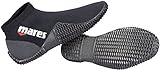
Best for a First Dive Holiday: Seavenger Zephyr 3mm Neoprene Boots
For a first holiday dive trip, a simple 3mm boot is usually all you need, and the Seavenger Zephyr fits that description. A 3mm neoprene boot is the common choice for tropical water, since it adds a layer between the foot and the fin pocket without turning the whole foot into a thick block.
It suits beginners who are renting everything else, snorkellers who want something warmer than a bare foot, and families who need a pair for each person without spending on the top of the range. It also works as a spare pair for a second trip.
- A 3mm neoprene build, the thickness most warm water divers look for.
- A pull-on style that is quick to put on and has no zipper parts to wear out.
- A straightforward design that makes it easy to compare against other 3mm boots.
The honest limitation: with a lighter sole than the thicker boots in this guide, it is better for boats and jetties than for long walks on rough ground. If you plan a lot of shore diving, step up one level.
Choose it if this is your first dive trip in warm water. Skip it if you want a heavy sole for scrambling down rocks.
Best Zip Style: NeoSport Premium Neoprene Zipper Boots
NeoSport sells a long line of neoprene gear for water sports, and its zipper boots are meant for people who dislike wrestling a wet boot over a heel. A side zipper opens the boot wide, which helps if your feet swell after a long morning or if you wear a thin sock inside.
These suit divers with a high instep, people who find pull-on boots tight, and anyone who stores their boots and wants them to open fully so they can air out. The thicker versions are intended for cooler water, so read the listing to see which thickness you are buying.
- A side zipper that opens the boot wide for easy entry and exit.
- Neoprene construction in a thickness that the listing states, from lighter to heavier options.
- A sole intended for walking from the car to the water.
The honest limitation: any zipper is a part that can collect sand and salt, so rinse the boot well and keep the zipper clean. A zipper can also add a seam that you may feel inside a tight fin pocket.
Choose it if you want an easy on and off boot. Skip it if you prefer a seamless pull-on design.
Comparison Table: All Six Dive Boots Side by Side
This table puts the main differences in one place. Thickness and exact sole details change between versions, so treat it as a guide and confirm on the listing.
| Product | Style | Material | Key feature | Best use | Link |
|---|---|---|---|---|---|
| Cressi Minorca | Mid height boot | Neoprene | Balanced sole and stretch | Boat and shore mix | Check on Amazon |
| Cressi Low Boot | Low cut bootie | Thin neoprene | Packs flat | Warm water travel | Check on Amazon |
| Scubapro Delta | Structured boot | Neoprene | Firmer sole | Rocky shore entries | Check on Amazon |
| Mares Equator | Dive boot | Neoprene | Matches Mares fins | Frequent divers | Check on Amazon |
| Seavenger Zephyr | Pull-on boot | 3mm neoprene | Simple warm water build | First dive holiday | Check on Amazon |
| NeoSport Zipper | Side zip boot | Neoprene | Wide opening | Easy on and off | Check on Amazon |
How to Choose Diving Slippers: A Buying Checklist
Work through this list in order and you will narrow the field quickly.
- Water temperature. Warm tropical water usually calls for a 3mm boot. Cooler water calls for thicker neoprene, and the listing should state the thickness clearly.
- Fin type. Full foot fins want a slim boot or none at all. Open heel fins with a strap are made to be worn over a boot, and a thicker sole works well with them.
- Entry style. Boat dives on a flat deck need less sole than a scramble down a rocky shore.
- Closure. Pull-on boots have fewer parts. Zip boots are easier to take off with wet hands.
- Size chart. Neoprene boots often follow their own chart. Measure your foot and compare against the maker’s table rather than your usual shoe size.
- Drying and packing. A low bootie dries and folds quickly. A tall boot needs space and time to dry.
- Use out of the water. If you want to walk a lot on land, check how the sole is described.
Reading a 3mm Rating
The number in the name is the neoprene thickness in millimetres. It is a quick way to compare boots from different makers, but thickness is only part of the story, since cut, seam style and sole design also change how the boot feels. A 3mm boot is a good starting point for warm water, and many travellers choose it because it also fits more easily under open heel straps than a thicker option.
Fit Between a Boot and a Fin
If you already own fins, take the fin pocket into account. A boot that fits perfectly on its own can feel tight once it sits inside a fin. Some divers go up half a size in the fin, and others pick a thinner boot. If you rent fins at the destination, tell the rental shop that you are wearing your own boots so they can fit the right size.
Common Buying Mistakes to Avoid
- Buying by shoe size only. Neoprene boot charts rarely match street shoes. Use the chart on the listing.
- Choosing thick boots for warm water. A heavy boot adds bulk in your bag and in the fin without any benefit in a tropical lagoon.
- Ignoring the fin you will use. A boot has to work with the fin, not just on its own.
- Skipping the rinse. Salt, sand and sunscreen build up in neoprene. A fresh water rinse after every trip keeps the boots comfortable.
- Drying in direct sun. Many neoprene makers suggest drying in the shade, since heat and sunlight can age the material.
Caring for Dive Boots Between Trips
A few simple habits make dive boots last. Rinse them in fresh water after each use, paying attention to the zipper if there is one and to the inside of the heel. Turn the boot inside out when you can, let it dry in the shade, and store it flat or loosely stuffed rather than folded tightly for months. Avoid leaving boots in a hot car or locked luggage compartment. The maker’s care label has the final word, so follow it if it differs from this advice.
Final Recommendation: One Pick for Every Diver
If you want the single best all round pair, start with the Cressi Minorca. For a minimal packing list, the Cressi Low Boot is the lightest choice here. For a shore diver who walks to the entry over rough ground, the Scubapro Delta Boot is built for that job. A regular diver who likes matching gear can look at the Mares Equator. A first time holiday diver does not need to look past the Seavenger Zephyr 3mm. And if you dislike pulling a wet boot over your heel, the NeoSport zip style is the answer.
Pick the boot that matches your water temperature and entry style, confirm the size on the maker’s chart, and order with confidence. Here are the two picks that suit most readers.
Frequently Asked Questions
Are diving slippers the same as dive boots?
In everyday searches, yes. Diving slippers usually means neoprene dive boots or booties that go under or inside a fin. Some people use the term for thin neoprene socks, so check the product name and description.
What does a 3mm dive slipper mean?
It refers to the thickness of the neoprene, three millimetres. A 3mm boot is a common choice for warm water, and it is slim enough to fit comfortably inside many fins.
Can I wear dive boots with full foot fins?
Some people do, but full foot fins are made to be worn barefoot or with a thin sock. If you want boots, a slim bootie is easier to fit. Open heel fins are designed for thicker boots.
How do I choose the right size?
Measure your foot and use the size chart on the listing, since neoprene boots often run on their own scale. If you are between sizes, consider the fin you will wear and whether you plan to add a thin sock.
Can I walk around town in them?
They are made for the beach, boat and dive site. A boot with a firmer sole is better for walking, but they are not a replacement for everyday shoes, and wet neoprene can wear quickly on rough pavement.
How should I clean them?
Rinse with fresh water after each trip and dry them in the shade. Follow the care label from the maker, and avoid harsh cleaners that may damage the material.
Can I return them if the size is wrong?
Return rules depend on the seller and the listing, so read the return terms on the product page before you order. Buying from a listing with a clear size chart makes a wrong size less likely.
The Bottom Line on Diving Slippers
A good pair of diving slippers is simple: the right thickness for your water, a sole that matches your entry, a fit that works with your fins and a size you checked against the chart. Choose from the six boots above based on those four points, and your feet will be one less thing to think about on your next dive trip.