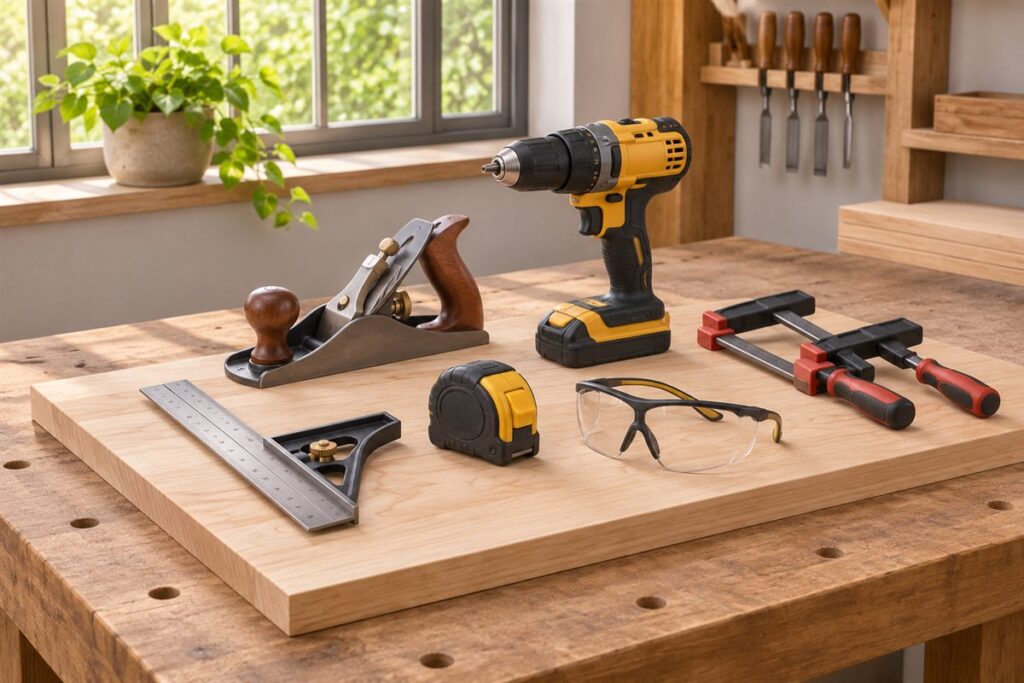
An everyday carry multitool folds pliers, blades, drivers and small helpers into one pocket-sized body. Our team has not used the products in this guide ourselves, so we do not rank or promise anything. Instead, this page shows how to judge a listing so you can decide for yourself.
Most buying mistakes come from choosing by tool count alone. A long list of attachments means little if the pliers feel weak, the blades do not lock, or the carry size annoys you daily. Read the points below, compare them against the maker’s own listing, then use the table to line up the candidates you are considering.
As an Amazon Associate we earn from qualifying purchases. Links on this site are affiliate links, and they do not change the information we give.
What to Look For
| Factor | Why it matters | What to check |
|---|---|---|
| Tool selection | You will only use a few of the attachments often. | List the five jobs you do most and match them to the tool set. |
| Locking mechanism | Locks keep blades and drivers from folding during use. | Look for lock descriptions on each blade and driver, not just the main one. |
| Folded size and weight | A tool left at home is no use as an everyday carry. | Compare folded length, thickness and weight with your pocket or belt. |
| Plier quality | Pliers are the part most people reach for first. | Check jaw shape, whether wire cutters are included, and how the handles feel. |
| Materials and finish | Steel type and coating affect wear and rust resistance. | Read the maker’s stated steel, handle material and any coating. |
| Outside access | Opening tools without unfolding the handles saves time. | See whether blades and drivers open while the tool is closed. |
| Local rules | Blade length and locking blades are restricted in some places. | Check the rules where you live and where you travel. |
Setup and Care Tips
- Rinse off grit and lint, then dry the joints before storing the tool.
- Add a drop of light oil to pivots and hinges now and then.
- Keep a small cloth with the tool so you can wipe blades after use.
- Tighten any adjustable screws gently if the maker supplies a key.
- Store the tool in a dry sheath or pocket pouch, away from loose coins.
Mistakes to Avoid
- Buying the longest tool list instead of the set you will actually use.
- Skipping the maker’s size figures and finding the tool too bulky to carry.
- Using a small driver as a pry bar and bending the tip.
- Ignoring local carry rules before travelling with the tool.
- Leaving it wet in a pocket for days.
FAQ
Is a bigger multitool always better?
No. Larger tools offer more attachments but are heavier and harder to carry daily. A smaller body with good pliers often suits routine jobs better.
Do I need a locking blade?
A lock keeps the blade open during use, which many buyers prefer. Check the listing wording for each blade and for your local carry rules.
Questions to Ask Before You Buy
- Which three tasks do you expect to do most often, such as opening packages or tightening small screws?
- Can you carry it where you spend your day, including work sites, schools and travel routes?
- Do local rules or workplace policies limit blade length or locking tools?
- Can you open each tool with one hand, and does the handle feel comfortable?
- Are the bits and blades replaceable, or is the whole tool one fixed unit?
- Does it come with a sheath, pouch or clip that suits your daily carry?
Feature Trade-offs
A small tool cannot do everything. Here is how common design choices pull against each other.
| Choice | Good for | Cost of the choice |
|---|---|---|
| Fewer tools | Slim, light carry | Less variety for odd jobs |
| More tools | Wide coverage | Bulk and a thicker handle |
| Pliers body | Gripping and bending | Heavier than a card style tool |
| Card or flat style | Wallet or pocket space | Short reach and small leverage |
| Outside access tools | Quick use with the handle closed | Fewer tools inside the handle |
Who Should Skip It
A pocket multitool is a convenience, not a replacement for full size tools. If your work needs steady torque, heavy cutting or precision, a proper screwdriver, plier or knife will serve you better. Those who travel by air should also think twice, since many carriers do not allow bladed tools in hand luggage. Check the rules of your route before packing.
Anyone who seldom needs a tool in daily life may find that it simply sits in a drawer. In that case a basic small knife or a few bits on a keyring may be enough.
When you do use a multitool, cut away from your body, keep it out of reach of young children, and close it fully before putting it away. Follow the maker’s manual, local rules and a qualified professional where needed for any task that goes beyond light use. Wipe it dry after contact with moisture, and add a drop of suitable oil to pivots as the maker suggests.
Before choosing, try listing the jobs you did last month that a small tool would have helped with. If the list is short, favor a simple, light design. If it is long, a larger body with more tools may earn its place. Being honest about real habits is more useful than imagining every possible task, and it keeps your pocket from carrying dead weight.
The Short Version
Choose the multitool you will actually carry. Match the tool set to your regular jobs, look for locks and sturdy pliers, and check size and local rules before ordering.