Disclosure: As an Amazon Associate, umtsmarttool.com earns from qualifying purchases. Links to Amazon on this page are affiliate links; they cost you nothing extra. Listing details such as price and availability change often, so check the current Amazon listing before you buy.
The best slippers for concrete floors have a thick, durable outsole, some insulation between your foot and the slab and an upper that survives dust, damp and the odd spill. Bare concrete pulls heat out of your feet and wears down soft house slippers quickly, so a flimsy terry pair is the wrong tool for a garage, basement or workshop. This guide compares six sturdy options and explains who should choose each one.
You will find a quick picks table, six profiles with three strengths, one honest limitation and a choose it or skip it line, a comparison table, a checklist, common mistakes and care tips. All details come from manufacturer listings and general product knowledge, so confirm materials and sizing on the current listing before you order.
In this guide
Quick Picks: Slippers for Slab Floors
Look for the place you spend the most time, then open the matching profile.
| Where you stand | First pick to check | Why it fits | Link |
|---|---|---|---|
| Best overall for a basement | Crocs Classic Lined Clog | Fuzzy lining with a washable shell | Check on Amazon |
| Best hardsole for a workshop | Haflinger AT Classic Hardsole Slipper | Felted wool with a firm sole | Check on Amazon |
| Best for cold slabs | Glerups Slip-On with Rubber Sole | Thick wool felt with rubber bottom | Check on Amazon |
| Best classic outdoor-ready moccasin | L.L.Bean Wicked Good Slippers | Shearling lining and rubber outsole | Check on Amazon |
| Best for wet and dusty garages | Chaco Chillos Clog | Strap-back clog built for rough use | Check on Amazon |
| Best premium leather clog | Birkenstock Boston Clog | Suede clog with a contoured footbed | Check on Amazon |
How We Chose Slippers for Concrete
Concrete is hard, cold and abrasive. Those three traits shaped our short list. A pair needs a sole thick enough to blunt the cold, a bottom tough enough to survive grit and a design that can handle a wipe-down after a messy job. We also looked at how each pair is likely to feel after an hour on a slab, based on what makers say about cushioning and footbeds.
We worked from manufacturer listings and published specifications, and we have not used these pairs ourselves. That is why every profile names a limitation instead of promising a perfect result. If your slab has heated flooring, a sealant or a rough finish, adjust the picks to suit.
1. Crocs Classic Lined Clog
The Classic Lined Clog takes the familiar Crocs shell and adds a soft, fuzzy liner, which makes it a natural match for a basement den or a mudroom where the floor is cold from October to April. The outer material is the brand’s Croslite foam, so it wipes clean after a trip across a dusty garage.
The lined version is a step above the plain clog for cold feet, though anyone who lives in a very cold lower level may still want thicker socks.
Plenty of households keep one pair by the door to the garage just for this reason. You can step into it without bending down, carry a load of laundry to the basement washer and kick it off again at the top of the stairs.
Who it suits: people who move between a heated house and an unfinished lower level.
- A lined interior that adds warmth over a plain clog.
- A foam shell that rinses clean and dries quickly.
- A roomy shape that fits over a pair of thicker socks.
Honest limitation: the foam sole is soft compared with leather or felt soles, so it may wear faster on rough slabs, and the liner needs its own care.
Choose it if you want an easy, washable pair for damp spaces. Skip it if you want a firm leather feel.
2. Haflinger AT Classic Hardsole Slipper
Haflinger is a German brand known for boiled wool slippers, and the AT Classic Hardsole is built for people who want that felted warmth with a harder bottom. It is a good fit where the floor is rough or the day includes a lot of walking.
Boiled wool is made by shrinking knitted wool until the fibers lock together, and the result is a thick fabric that stops drafts. The brand has made footwear in this way for a very long time, so you will see the same silhouette in many homes.
Wool felt is naturally dense, so the upper holds heat well. The hardsole is aimed at indoor and light outdoor wear, which suits a workshop with a mix of concrete and wood.
Who it suits: woodworkers, hobbyists and anyone who spends hours on a slab and wants real insulation.
- A boiled wool upper that is warm and holds its shape.
- A firmer sole than a typical house slipper.
- A design that many buyers use for years with proper care.
Honest limitation: wool takes longer to dry after getting wet, and it does not love standing water or oily spills.
Choose it if warmth and a firm sole are your top needs. Skip it if your garage floor is regularly wet.
3. Glerups Slip-On with Rubber Sole
Glerups is a Danish company that makes wool felt slippers, and its slip-on with a rubber sole combines that warmth with a bottom meant to meet the floor. The brand describes the wool as a natural insulator, which is the reason people look at it for a cold slab.
The look is simple. There are no buckles or heavy stitching, which makes it a pleasant choice if the room doubles as a laundry area or a home gym. Many owners treat it as a quiet, everyday pair that is happy on a rug and equally happy on bare slab.
Because the rubber is built into the sole, the slip-on can handle concrete without chewing through the felt in a season or two, as softer soles might.
Who it suits: people with cold basements who want a minimal, clean-looking pair.
- A thick felted wool that insulates the foot.
- A rubber bottom that resists wear on rough ground.
- A simple, low-profile shape that is easy to slide on and off.
Honest limitation: felt can look scuffed in a dusty room, and the pair is not suitable for splashing water.
Choose it if you want warmth that lasts through winter. Skip it if you need a quick-wash shell.
4. L.L.Bean Men’s Wicked Good Slippers
L.L.Bean’s Wicked Good line is among the best known sturdy slippers in the outfitter’s catalog, with a shearling lining and a rubber outsole. The brand sells it as a pair you can wear indoors and out, which fits a garage trip as easily as a morning at the table.
Heritage outfitters like this one tend to build for people who actually use the product every day, and that shows in the practical details such as the stitched moccasin construction. It is also a common gift for people who spend winters in a cold house.
Think of this as the all-rounder for a house with a concrete floor in one corner. It keeps your feet warm in the living room and still has a bottom that does not give up when you step onto the slab.
Who it suits: homeowners who want one pair that is equally comfortable on carpet and concrete.
- A shearling lining described as warm and soft.
- A rubber outsole for added traction and durability.
- A familiar moccasin shape that many people already know how to size.
Honest limitation: shearling is hard to clean if it gets soaked, and a garage with oil or solvents can quickly stain suede.
Choose it if you want a single versatile pair. Skip it if you work with fluids on a regular basis.
5. Chaco Chillos Clog
Chaco is better known for sport sandals, and the Chillos Clog brings its outdoor design sense to a slip-on. It has a strap at the back and a contoured footbed, so it stays on your foot when you carry a toolbox or step up a basement stair.
Chaco has a reputation for adjustable, supportive outdoor footwear, so owners of its sandals will recognize the approach: a footbed shaped to the foot, a sole that bites into the ground and straps rather than loose fabric.
It is not a fuzzy slipper, and that is the point. It is for hard, practical jobs where you want a sturdy shoe that you can still step out of in the hallway.
Who it suits: people who do chores in a garage, shed or workshop and need more structure than a traditional slipper.
- A sturdy sole built to grip rough ground.
- A strap that holds the heel in place.
- A design made for outdoor and active use, with a footbed shaped for support.
Honest limitation: it is not a plush indoor slipper, and thick socks may be needed on a cold slab.
Choose it if you want a rugged slip-on. Skip it if you want a cozy lining.
6. Birkenstock Boston Clog
The Boston is a closed-toe clog from Birkenstock with a suede upper and the brand’s contoured cork-style footbed. It has a longstanding following among people who want a supportive clog for home use and light outdoor tasks.
It has been around for decades, which means plenty of buyers already know its fit. Many describe a break-in period as the suede molds to the foot, so plan on wearing it around the house before you rely on it for a full day.
On concrete, its appeal is the footbed. It gives your arch a defined shape that flat slippers cannot, which can make long hours on a slab more comfortable. It is also a good-looking option if the garage is attached to a living space.
Who it suits: shoppers who want arch support and a good-looking clog that is up to concrete.
- A contoured footbed with a defined heel cup.
- A closed toe that protects against small bumps.
- A suede upper that looks sharp and breaks in over time.
Honest limitation: suede is not friendly to water, and the footbed has a firm feel that some wearers need time to get used to.
Choose it if you want support and style. Skip it if your slab is often wet.
Comparison Table: Slippers for Concrete at a Glance
| Pair | Upper | Sole | Key feature | Best use | Link |
|---|---|---|---|---|---|
| Crocs Classic Lined Clog | Foam shell, fuzzy liner | Foam | Washable and warm | Mudroom and basement | Check on Amazon |
| Haflinger AT Classic Hardsole | Boiled wool | Hard sole | Dense insulation | Workshop | Check on Amazon |
| Glerups Slip-On | Wool felt | Rubber | Natural insulation | Cold basement | Check on Amazon |
| L.L.Bean Wicked Good | Suede, shearling | Rubber | Indoor and outdoor | All-round house use | Check on Amazon |
| Chaco Chillos Clog | Synthetic and textile | Rugged rubber | Heel strap | Garage chores | Check on Amazon |
| Birkenstock Boston | Suede | Contoured footbed | Arch support | Long stands | Check on Amazon |
How to Choose House Slippers for Concrete Floors
Concrete rewards planning. Use these points to match a pair to your space.
Insulation Between Foot and Slab
The thickness of the sole and the material above it decide how quickly the cold reaches your foot. Wool felt, shearling and thick foam all help. A thin terry slipper with a paper-light bottom will feel cold almost at once.
Outsole Durability
Rubber and hard EVA-style soles outlast soft fabric bottoms. If the listing says the sole is meant for indoor and outdoor use, that is a good sign for a slab.
Moisture and Stains
Basements get damp and garages get oily. Foam shells wipe clean, while wool and suede prefer dry, tidy conditions. Pick the material that matches the mess you expect.
Support for Standing
Concrete does not give. If you will stand for a long time, a contoured footbed or a thicker midsole is worth more than a pretty lining. Remember that cushioning wears out: a pair that felt springy in the first month may feel flatter by spring, so judge by how it feels late in the day, not the first ten minutes. A rubber-backed anti-fatigue mat at the bench also helps.
Heel Security
Stairs between the house and the basement are a common place for slipper accidents. A heel strap or a closed back keeps the pair on your foot.
Fit With Socks
Cold slabs call for wool socks. Check the listing to see how roomy the fit is, and choose a size that allows for a thicker sock without squeezing your toes.
Matching a Pair to the Space
Different rooms ask different things of a slipper. Think about the surface, the mess and the amount of time you spend there, then pick accordingly.
The Finished Basement Den
You want warmth and comfort, so lean toward the Crocs lined clog or the Glerups slip-on. Their soft interiors suit a space where you sit more than you work.
The Home Workshop
Sawdust, metal bits and dropped tools call for a firmer shoe. The Haflinger hardsole and the Chaco clog both cope better than a fluffy slipper.
The Attached Garage
You pass through often and need quick on and off. A clog or a moccasin with a rubber sole saves you from lacing boots for a short trip.
The Laundry Room
Wet floors and detergent drips favor a washable shell. The Crocs lined clog is the natural pick here.
The Hobby Room or Home Gym
Here you might stand on a slab for a short session, then rest. A contoured clog such as the Birkenstock Boston gives your arches something to work with, while a lightweight felt slip-on is easy to leave at the door between sessions.
Keeping Warm on a Cold Slab: Beyond the Slippers
Even a well-insulated pair has limits when the floor beneath it sits near the temperature of the soil outside. A few low-effort changes can take pressure off your slippers and make the room feel more livable.
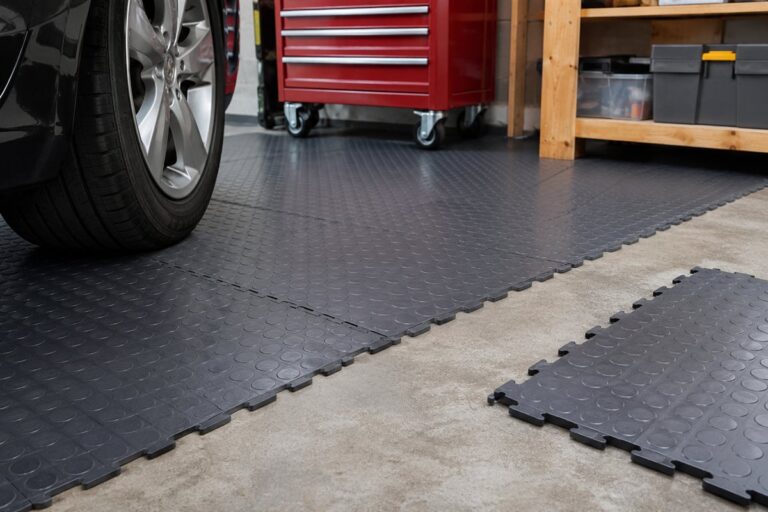
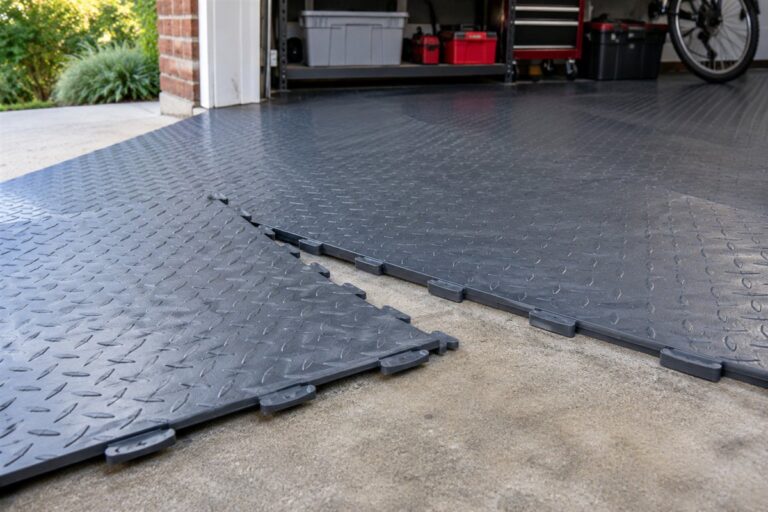
Begin with a rug or interlocking foam tiles in the places where you stand most, such as in front of a workbench, a washer or a hobby table. Foam tiles trap a layer of air and add give, which helps both warmth and comfort. If you need a sealed or washable surface, look for tiles made for garages and read the maker instructions on weight and fit.
Socks matter more than people expect. A pair of midweight wool socks under a lined clog or felt slipper keeps the foot a few steps warmer than cotton, because wool keeps insulating when slightly damp. Rotating two pairs through the week prevents the clammy feeling that makes cold floors seem worse.
Finally, think about time rather than gear. If you spend an hour every evening in a cold lower level, a small space heater sized for the room, used according to its instructions and with an electrician or professional consulted for any wiring questions, may suit better than a heavier slipper. Never leave a heater unattended, and keep it clear of boxes, sawdust and fuel cans.
Common Buying Mistakes to Avoid
- Buying a thin indoor slipper. It will wear out and feel cold on a slab within a few weeks.
- Choosing suede for an oily garage. Stains are hard to remove from suede and wool.
- Skipping the heel strap. Stairs and slick concrete make a loose heel a real hazard.
- Ignoring sizing for socks. A tight fit cuts off circulation and makes feet colder.
- Forgetting a mat. No slipper can fully make up for hours on bare concrete, so add a mat where you stand most.
Caring for Slippers That Live on Concrete
A little maintenance goes a long way on a hard surface, because the floor itself does the damage.
Wipe the soles when you come in from the garage, since grit and oil tracked into the house can damage both the slippers and your floors. Foam shells can be rinsed under a tap and left to air dry away from heaters. Wool, felt and suede are best brushed dry and spot cleaned, following the maker’s care label.
Look at the outsole every month. Cracks, flat patches or embedded metal shavings are signs that a pair needs replacing. Keep your slab slippers apart from your living room pair so that workshop debris does not travel across the house.
Final Recommendation: One Pick for Every Buyer
- Easiest to keep clean: the Crocs Classic Lined Clog.
- Warmest firm sole: the Haflinger AT Classic Hardsole Slipper.
- Best for a cold basement: the Glerups Slip-On with Rubber Sole.
- Best all-rounder: the L.L.Bean Men’s Wicked Good Slippers.
- Best for rough chores: the Chaco Chillos Clog.
- Best supportive style: the Birkenstock Boston Clog.
A practical rule is to buy for the worst moment, not the average one. If your slab is cold and damp at its worst, choose for that, because you will be glad of the extra insulation and easy cleaning when the weather turns.
Not sure where to begin? Choose the Crocs lined clog if your lower level is damp, or the L.L.Bean slipper if it is dry and you want one pair for the whole house. Open the listings below, check your size and order.
Frequently Asked Questions
Why do my feet get so cold on concrete?
Concrete conducts heat away from your body quickly, so a thin sole offers little protection. A thick, insulating sole and wool socks make a large difference.
Can I wear fuzzy slippers in a garage?
You can, but they wear out fast and pick up dust and oil. Lint and dust cling to the fibers, and the thin sole may also tear on rough patches. A lined clog or a rubber-soled moccasin lasts longer.
Are wool slippers good for damp basements?
Wool insulates well, but it needs to dry thoroughly. Damp wool can develop odor, so a boot tray or shelf with airflow is better than leaving the pair on the floor. If the room is damp, keep the pair off the floor and air it out between wears.
What size should I buy if I wear thick socks?
Read the maker’s sizing notes. Try the pair on in the afternoon, when feet are slightly larger, and wear the socks you plan to use. Many shoppers go up a half size or choose a roomy style, but fit varies by brand.
Do I still need a mat?
For long periods at a bench or sink, yes. A mat adds give that no slipper can fully match on a slab.
Are clogs okay on basement stairs?
A clog with a heel strap or a snug fit is a better choice than an open-back scuff, but go slowly on any stairs and use the rail.
What if the pair does not fit?
Amazon return terms depend on the seller and item. Check the policy on the listing before you order, and keep the packaging.