Disclosure: As an Amazon Associate, umtsmarttool.com earns from qualifying purchases. Links to Amazon on this page are affiliate links; they cost you nothing extra. Listing details such as price and availability change often, so check the current Amazon listing before you buy.
If you are trying to work out the best Tempur Pedic mattresses for your bedroom, the first thing to know is that the brand organises its range into a handful of families, and the differences between them are mostly about how much material and how many comfort layers you want. This guide walks through the lineup the way a shopper would meet it: the softer Cloud, the core Adapt, the more layered ProAdapt, the premium LuxeAdapt, and the Breeze cover versions that the maker positions as its cooler-feeling option.
It is written for people who already like the idea of Tempur memory foam and want to choose between models without reading a showroom brochure. You will get a plain comparison, a short write-up for each family, a method for choosing between them, notes on setup and care, and answers to questions that come up often, including how to approach side sleeper shopping and where to look when you want the best value on Tempur Pedic mattresses. We do not quote comfort ratings, warranty terms or trial lengths, because those change. Always confirm them on the listing.
Quick Comparison
| Model family | Who it is for | Main point | Link |
|---|---|---|---|
| Tempur-Pedic TEMPUR-Cloud | Shoppers who want the softest, most cushioned feel | Entry point to the brand with a plush character | Check on Amazon |
| Tempur-Pedic TEMPUR-Adapt | Most first-time Tempur buyers | The core, well-known contouring foam bed | Check on Amazon |
| Tempur-Pedic TEMPUR-ProAdapt | People who want extra layers and cover options | A more built-up step above the Adapt | Check on Amazon |
| Tempur-Pedic TEMPUR-LuxeAdapt | Buyers who want the most layered build | The top of this foam family | Check on Amazon |
| Tempur-Pedic TEMPUR-Breeze | Shoppers who often feel warm in bed | Cooling cover and layer approach | Check on Amazon |
In this guide
How We Approached This Lineup
Tempur-Pedic sells several families and renames or updates them periodically, so this guide is built from the maker’s public descriptions and current listings, not from our own trials. We have not slept on these mattresses. We organised them by family rather than by one specific code, because exact model names, covers and sizes differ by listing, and we would rather send you to check the current page than guess a number. If a family below is no longer listed by the time you read this, look for its replacement in the same position in the range.
Which Tempur-Pedic Family Fits Which Shopper?
Tempur-Pedic TEMPUR-Cloud Mattress
The Cloud is the soft, cushioned end of the lineup and the usual first stop for the brand. It uses Tempur’s own memory foam, which is known for a slow, contouring response, and the family is described by the maker as having a plush feel.
It suits people who want to try Tempur foam without moving into the layered families, and shoppers who like a sinking, enveloping bed. It is also a natural option for a guest room that you want to feel generous.
The trade-off is the same as with any very soft all-foam mattress: you sit in it, rather than on it, which some people dislike. If you prefer a firmer feel, the Adapt or ProAdapt are better places to look. Confirm the current description and sizes on the listing.
Tempur-Pedic TEMPUR-Adapt Mattress
The Adapt is the model many people mean when they say they want a Tempur-Pedic. It is built around the brand’s adaptive memory foam, and it is sold in more than one comfort option, so check which one the listing shows.
It suits shoppers who want the core Tempur experience without the extra layers or higher tiers. For a main bedroom with two people who like a contouring, motion-absorbing bed, it is the simplest family to understand.
The trade-off is that it is a foam bed, so it does not have the coil bounce of a hybrid, and its feel is slow-moving. If you like a springy surface or a quick edge, you may prefer a hybrid brand. The Adapt is also a significant purchase, so compare listings before you commit.
Tempur-Pedic TEMPUR-ProAdapt Mattress
The ProAdapt takes the Adapt and adds more construction, with extra layers and cover treatments that the maker lists in its descriptions. It also comes in several comfort options in the range.
It suits buyers who liked the Adapt idea but wanted a more built-up, premium feel, or who like being able to choose between softer and firmer versions within a family. If you are comparing a few models in person or online, this is usually the one that sits in the middle of the conversation.
The trade-off is that additional layers add weight and cost, and the benefit depends on your taste. If you are happy with a plain Tempur feel, the Adapt may be enough. Check the listing carefully for which comfort level and cover you are looking at.
Tempur-Pedic TEMPUR-LuxeAdapt Mattress
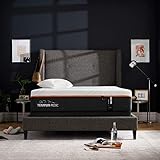
The LuxeAdapt is the more premium member of this foam family. It is aimed at buyers who want the most layered build the maker offers in this line, with a thicker feel and added cover details.
It suits shoppers who have decided on Tempur foam and want to spend toward the top of the range, perhaps for a main bedroom they plan to keep for years. It can also be a good match if you want a bed with several comfort options in the same family.
The trade-off is that it is a large, heavy purchase, and the improvement over the ProAdapt is a matter of preference. Make sure your frame or foundation suits a deeper mattress and read the maker’s base guidance first.

Tempur-Pedic TEMPUR-Breeze Mattress
The Breeze versions are the maker’s cooling-oriented options. They use a cover and layer approach described as designed to feel cooler to the touch than standard Tempur foam. Breeze is offered as variants within the main families, so the exact listing you see may carry the name of the base model and the Breeze label.
It suits people who like the contouring Tempur feel but dislike a warm bed. Whether the cooling approach changes how the bed feels for you depends on your bedding and room.
The trade-off is the cost of the extra technology, and the fact that the description is marketing language about the surface rather than a promise. If you rarely feel warm in bed, the standard Adapt may be enough. Check the listing to see exactly which base model carries the Breeze treatment.
Best Tempur-Pedic Mattresses for Side Sleepers
People who sleep mostly on their side often look for a softer or medium comfort level, and the Cloud, Adapt and ProAdapt are the families they usually compare. We do not make comfort claims here, because it depends on the individual. Use the listing’s comfort descriptions, and pick the softer or medium option in the family if that fits your preference.
Best Value on Tempur-Pedic Mattresses
Because these mattresses are large purchases, shoppers naturally look for the lowest total cost. The practical way is to compare current listings for the same family, size and comfort level across sellers, and to check what is included, such as a protector, a pillow or delivery. We do not quote figures, as they move often. Confirm return terms before you order.
Best First Choice for New Tempur Buyers
The Adapt is the clearest first choice: it carries the brand’s core character and keeps the decision simple. From there, move up or down the family depending on whether you want more cushioning or more layers.
How to Choose Between Tempur-Pedic Models
Think about three questions. First, how soft do you like a bed? The Cloud leans soft, the Adapt is the core, and the ProAdapt and LuxeAdapt add layers and comfort options. Second, do you tend to feel warm in bed? If so, look at the Breeze versions. Third, how long do you plan to keep the mattress? A premium family may make more sense if you will use it for many years.
Reading the listing
Look for the exact family name, the comfort level, the size, the thickness and what is included. Names that look similar can belong to different families, and common misspellings in searches, such as tempurpedic or tempur pedic, often return mixed results. Verify the brand name in the listing title.
Matching the base
A foam mattress needs a suitable base. Check the maker’s guidance for slats, platform spacing and foundations, and confirm compatibility with an adjustable base if you plan to use one.
Weight and handling
Tempur mattresses are heavy. Plan your delivery route, and have two people ready to move the bed upstairs. Do not drag a foam mattress by its cover handles unless the maker says so.
Common mistakes include buying a family without checking the comfort level, forgetting to measure the frame, and ignoring return terms.
How Tempur-Pedic Compares With Other Foam Brands
Tempur-Pedic positions itself as a long-established memory foam name, and its beds use a proprietary material rather than the generic polyurethane memory foam found in many boxed mattresses. In practice that tends to mean a denser, slower feel, and a bed that costs noticeably more than most online foam options. Whether the difference is worth it is a matter of taste and spending limit, and nothing on a listing can settle that for you.
If you are cross-shopping, think about what you are comparing. Boxed gel foam beds from online brands are lighter and easier to deliver. Hybrids from other makers add coils for bounce. A Tempur bed is a foam bed first, so its closest rivals are other premium foam mattresses, not coil beds.
Choosing Between Comfort Levels Within a Family
Several of the families above are offered in more than one feel, often labelled as soft, medium or firm, with hybrid versions in some cases. The labels belong to the maker, and they are best read as relative steps inside one family rather than absolute descriptions.
- If you like to sink into a mattress, look at the softer version of the family you like.
- If you like a flatter, more level surface, look at the firmer version.
- If you share the bed and disagree, the medium version is usually the common ground.
Because the same family name can cover several feels, make sure the listing shows the comfort level you intended. A quick check of the title, the product options and the description avoids ordering the wrong version.
Care and Troubleshooting
A memory foam bed needs very little maintenance, but a few habits help it keep its look and feel. The table covers the common situations.
| Situation | What to do |
|---|---|
| Faint smell after unpacking | Air the room and leave the bed uncovered for a while, as the maker advises |
| Spill or stain | Blot gently and follow the care label; avoid soaking the foam |
| Cover looks dirty | Check whether the cover is removable and follow the label for washing |
| Surface feels different over time | Rotate the bed if the maker recommends it, and check the base is still flat |
| Bed sags near the edge of the frame | Check slat spacing and the base against the maker’s guidance |
Use a mattress protector that suits foam, keep the bed away from direct heat, and do not fold or bend it. If something seems wrong with a new mattress, contact the seller and keep the original packaging details to hand.
Setup, Safety and Care Notes
Follow the maker’s unpacking instructions. New foam may have a faint smell for a while, so open a window and let the room air. If you use a powered base, follow that base’s own instructions for electrical connections and compatibility, and use a qualified professional for any wiring you are unsure about. Use a protector as the listing suggests, and clean only as the care label says. Check local rules about disposing of an old mattress.
What Contouring Foam Actually Does, and Who It Suits
Every model in this lineup, from the Cloud to the Adapt, ProAdapt, LuxeAdapt and Breeze versions, belongs to the same broad idea: a foam mattress that responds to pressure and body heat and settles around the shape lying on it. Understanding that behavior helps you decide whether the brand is right before you worry about which family to pick.
Contouring foam spreads weight across a larger area, which many people find eases pressure on shoulders and hips. The surface moves slowly under you and returns slowly when you leave it, rather than pushing back like a coil spring. The result is a feeling of being held in the bed rather than sitting on top of it. Some people love that. Others find it feels stuck or confining, especially if they change position often during the night. If you have not slept on a foam bed before, spend time on one in a showroom or confirm that the seller offers a trial period.
The foam also reacts to temperature. It softens slightly as it warms, so a bed that feels firm when you first lie down may feel more yielding after a few minutes. In a cold room, the foam can feel firmer until your body warms it. That is normal for the category, and it is one reason a quick test in a showroom may not tell the whole story.
Foam beds may not suit everyone. If you prefer a lively, bouncy surface or like to sleep on top of the mattress, you may prefer a hybrid or innerspring. If you share the bed and want a solid edge for sitting on, check what the maker says about edge support. These are preferences, not flaws, and they are the best filter before comparing models.
Sleep Position, Body Weight and Motion Between Partners
Comfort advice usually starts with sleep position, and the earlier section on side sleepers covers that group. Other sleepers have different needs.
- Back sleepers often look for medium feel that supports the lower back without a deep dip. A very plush bed may let the hips sink too far for some people.
- Stomach sleepers generally do better on a firmer surface, because sinking the midsection can arch the spine. A softer model such as the Cloud may be less appealing for this group.
- Combination sleepers, who shift between positions, may find slow-responding foam harder to move across and may prefer a medium level or a more responsive version.
Body weight matters, too. A lighter person may not compress firm foam enough to feel the contouring, so a softer version can feel better. A heavier person may sink deeper into a soft bed and want more support from a firmer or thicker option. Because makers use their own labels, read the comfort level on the listing and ask the seller about weight guidance if it is not stated.
For couples, motion isolation is one of the main reasons people consider foam. Because the material absorbs movement instead of passing it across the bed, a partner turning over is often less noticeable. Differences in firmness preference are the larger problem, which is why a medium level is often the common ground. If one of you sleeps hot and the other does not, the Breeze versions may be worth a look, and a cooling mattress protector can help on any model.
Returns, Trials and Warranty Questions to Settle Before You Buy
A mattress is hard to judge in a few minutes, so the policy behind the purchase matters almost as much as the model. Details differ by seller and may change, so use the listing and the seller’s pages, not this guide, as the source for any terms.
Questions worth answering before you order:
- Is there a trial period, and is the return free or does it involve a fee for pickup or restocking?
- Who handles returns: the maker, the retailer or the marketplace seller?
- What does the warranty cover, such as sagging beyond a stated depth, and what voids it, such as a stained cover or an unsuitable base?
- Does the warranty require a particular foundation, and does a powered base count?
- Is the seller an authorized retailer, and does the listing name the exact family and comfort level?
Keep the order confirmation, product label and photos of the mattress when it arrives. If a mattress arrives damaged or the wrong model, contact the seller promptly, since many claims have time limits. Photograph any sag or defect with a straight edge across the surface if you later make a warranty claim, and follow the claim process exactly.
How Long a Foam Mattress Should Last and When to Replace It
A well-made foam mattress can last many years, but lifespan depends on body weight, sleeping habits, the support underneath and how the bed is cared for. A solid, flat, properly spaced base is one of the best ways to protect your investment, since uneven support can cause dips that foam cannot fix. A mattress protector guards against spills and body oils, and many warranties expect you to use one.
Signs that it is time to replace the bed include visible sagging or body impressions that do not recover, new aches in the morning that go away when you sleep elsewhere, and a surface that no longer feels supportive. A change in your needs counts too: a new health condition, a different partner or a move to an adjustable base may call for a different comfort level.
Before buying a replacement, check whether the problem is the mattress or the base. A bent slat, an old frame or a worn foundation can mimic mattress failure, and a fix can cost far less. If you decide to replace, check local options for disposal or recycling instead of leaving a large mattress at the curb, since many areas have specific rules.
Frequently Asked Questions
What is the difference between Adapt and ProAdapt?
The ProAdapt adds more construction and comfort options on top of the Adapt idea. Check the listing for the current layer descriptions.
Is the Cloud the softest model?
It is positioned as the plush option in the lineup. Confirm the comfort description on the listing.
Do all models have cooling covers?
No. The Breeze versions are the ones with the cooling treatment, and the wording differs between listings.
Can I use a Tempur-Pedic on an adjustable base?
Many people do, but follow the maker’s compatibility guidance for both the mattress and the base.
Where should I look for the best Tempur-Pedic mattress for side sleepers?
Compare the softer and medium comfort levels in the Cloud, Adapt and ProAdapt families, and use the listing text as your guide.
Are the names the same everywhere?
Not always. Makers update families and listings sometimes carry slightly different wording, so search with the family name and check the details.
Is a Tempur-Pedic mattress heavy?
Yes, premium foam beds are dense and weigh a lot, especially in queen and king sizes. Arrange help for delivery and any stairs.
Does a Breeze mattress feel different from a standard one?
The maker describes it as having a cooler-feeling cover and layers. How noticeable that is depends on you, your bedding and your room, so read the listing’s own wording.
Is a Tempur-Pedic mattress good for couples?
Many couples consider foam for its motion isolation, since the material absorbs movement instead of passing it across the bed. The harder part is agreeing on firmness, and a medium comfort level is often the middle ground. Check edge support and heat if you share, and consider the Breeze versions for a warm sleeper.
Which Tempur-Pedic feel is best for stomach sleepers?
Stomach sleepers generally do better with a firmer surface so the midsection does not sink and arch the spine. The Cloud is described as the soft, plush option, so it may be less suitable for this group. Look at the firmer comfort levels in the other families, and confirm the level on the listing.
How long does a foam mattress usually last?
It varies with body weight, the base underneath and how well you care for it. A flat, correctly spaced base and a protector help a foam bed last longer. Replace it when you see deep body impressions that do not recover or you start waking with new aches that ease elsewhere.
What should I check before buying a mattress online?
Read the return and trial terms, who handles the return, and what the warranty covers and excludes. Confirm that the listing names the exact family, size and comfort level, and that the seller is authorized. Keep your receipt and photos of the delivered mattress in case you need to make a claim.
Bottom Line
For most people the Tempur-Adapt is the simplest first choice, the Cloud suits a plush preference, the ProAdapt and LuxeAdapt add layers, and the Breeze versions address warm sleepers. Verify the family, comfort level and size on the listing before ordering.