A push drill is a hand drill that turns when you press down on the handle. A spiral shaft inside spins a small chuck, so you can make fine holes with no battery and no cord. The spiral type in this guide holds thin bits, often up to about 2 mm, which suits wood, resin, wax and models. The main choices are chuck capacity, material, the bits supplied and the size of the body.
The six picks below run from a plain chuck sold without bits to kits with 10 or 20 bits. Sizes and materials come from each listing page and are the makers’ own claims. We have not used these drills ourselves. Where a listing is thin or repeats itself, we say so.
As an Amazon Associate we earn from qualifying purchases. Links below are affiliate links, and they do not change the product information we give.
What to Look For
| Feature | Why it matters |
|---|---|
| Chuck range | Sets the smallest and largest bit you can hold |
| Bits included | Some are sold as the bare drill only |
| Body material | Steel, plastic or alloy change the weight and feel |
| Length | A longer body gives more stroke for each press |
In this guide
Specs at a Glance
| Push drill | Chuck range | Bits | Notes |
|---|---|---|---|
| Global Tools JASPD-02 | 0 to 2.0 mm | Two collets | Tool steel and plastic; 2.71 oz; about 185 mm |
| MachEL SPHPVD2.0 | 0 to 2.0 mm | Not listed | Tool steel; 6.3 in long |
| NACX | 0.2 to 2.0 mm | None; chuck only | High speed steel; 0.03 kg |
| The Beadsmith BDRILL10 | Bits 0.8 to 3 mm | 10 bits | 4.75 in; stainless steel; 1.92 oz |
| KATUR BT-5342 | 0.2 to 2 mm | None listed | Two chucks; 110 mm; 1.06 oz |
| Saipe 20 piece | 0.3 to 2.0 mm | 20 bits, 0.3 to 1.6 mm | HSS and plastic; 4 jaw chuck |
The 6 Best Push Drills

Top pickBest for fine pilot holes in craft work
1. Global Tools Precision Archimedes Spiral Push Drill, 0-2.0 mm
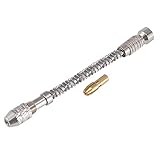
A metallic push drill with two collets and a 0 to 2 mm bit capacity, made of tool steel and plastic. It is pressed down on the body to turn the bit, and the listing gives roughly 185 mm in length and 2.71 ounces. The bullets repeat themselves and the package quantity shows 10, so check what arrives.
Suits: fine pilot holes in craft work. Strengths: two collets and a clear capacity. Weaknesses: a muddled listing. Skip it if you want bits in the box.


Best for resin and craft holes
2. MachEL Precision Archimedes Spiral Push Hand Pin Vise Drill
A black tool steel drill about 6.3 inches long with an adjustable 0 to 2 mm capacity. The maker names wood, clay, resin molds and jewelry pendants as uses, and calls the spiral action smooth. The listing does not give a weight or say whether bits are included.
Suits: resin and craft holes. Strengths: an all-steel body. Weaknesses: no weight or bit details. Skip it if you want a ready kit.

Best for an owner who already has micro bits
3. NACX 0.2-2mm Mini Pin Vise Spiral Hand Push Drill Chuck
A high speed steel chuck that holds 0.2 to 2.0 mm bits and turns when pressed by hand. The listing says the package holds one semi-automatic hand drill and a chuck, with no twist bit included. The maker lists wood, plastic, rubber, horn and models as suitable materials. The weight is 0.03 kg.
Suits: an owner who already has micro bits. Strengths: a wide 0.2 to 2 mm range. Weaknesses: no bits. Skip it if you need a full kit.
View 0.2-2mm Mini Pin Vise Spiral Hand Push Drill Chuck Micro Tool for Twist Bit on Amazon

Best for bead and jewelry work
4. The Beadsmith Craft Drill Set, Push Hand Drill with 10 Bits
A 4.75 inch stainless steel push drill with an adjustable chuck and ten bits from 0.8 to 3 mm, with a textured grip. The maker says it makes small holes in beads, wood, shells, wax, resin and metal, but warns it is not for steel, hard metal or stone. The weight is 1.92 ounces.
Suits: bead and jewelry work. Strengths: ten bits and a grip. Weaknesses: not for hard materials. Skip it if you drill metal often.


Best for small hobby holes
5. KATUR Semi-Automatic Turbine Drive Precision Hand Drill
A silver alloy steel push drill with two chucks for straight shank bits from 0.2 to 2 mm, about 110 mm long and 1.06 ounces. The maker names amber, beeswax, wood, plastic, walnut and rubber and offers a two year warranty on defects. The listing does not say bits are included.
Suits: small hobby holes. Strengths: two chucks and a light body. Weaknesses: no bits listed. Skip it if you want a longer body.
Best for a first kit with many bit sizes
6. Saipe 20pcs Mini Twist Drill Bit Set with Spiral Hand Push Drill Chuck
A spiral push chuck sold with 20 high speed steel micro bits from 0.3 to 1.6 mm. The four jaw chuck holds 0.3 to 2.0 mm. The maker lists wood, plastic, rubber, models and electronics assembly as uses.
Suits: a first kit with many bit sizes. Strengths: twenty bits in one pack. Weaknesses: plastic parts in the body. Skip it if you want an all-metal tool.
View 20pcs Mini Twist Drill Bit Set + Spiral Hand Push Drill Chuck on Amazon
Care and Setup
- Hold the bit straight and press with steady, light pressure.
- Clamp small work so it cannot spin.
- Back the bit out now and then to clear dust.
- Keep thin bits in a case so they do not bend.
Mistakes to Avoid
- Pressing hard at an angle, which can snap a thin bit.
- Using a bit larger than the chuck range.
- Expecting to drill hard metal with a hobby push drill.
- Assuming bits are included without checking the listing.
Technique for Clean Holes With a Spiral Push Drill
A spiral push drill rewards a light, steady touch. Begin by marking the hole with a pencil or a scribed cross, then make a tiny dimple with a pointed awl or center punch where the bit should start. Without a dimple, thin bits tend to skate sideways on a smooth surface and leave a scratch. Hold the drill upright with the bit tip in the dimple, rest your other hand on the work, and press down with a smooth, even push.
Each push turns the bit in one direction and the spring returns the handle on the way up, so the bit usually cuts on the downstroke and may rotate back on the upstroke. Keep the rhythm slow and consistent. Pushing fast and hard at an angle is the usual cause of snapped bits. If the drill feels like it is binding, lift it out, clear the dust and start again rather than forcing it.
Watch the alignment from two sides. Check that the drill is vertical from the front, then from the side, or ask a helper to look. A small square or a block with a drilled guide hole helps if you need straight holes for something like a pendant or a model part. Back the work with a scrap block so the bit exits cleanly and does not tear the underside.
- Clamp or hold small work firmly; a spinning workpiece is a common cause of breakage.
- Lift the bit every few strokes to clear chips and cool the cut.
- In wax, resin and soft plastics, go slowly so the material does not heat and gum up the flutes.
Practice on scrap of the same material first. Soft wood, craft foam and resin behave differently, and a few test holes show how much pressure each one tolerates before you commit to the finished piece.
Chuck, Collets and Matching Bit Shanks
The business end of a push drill is its chuck or collet, and it decides which bits you can use. Many models hold bits through a small adjustable chuck, while others use interchangeable collets, each sized for a narrow range of shank diameters. The listings in this post give chuck ranges, such as up to about 2 mm. That range refers to the shank, the smooth end of the bit that sits in the chuck, not necessarily the cutting diameter, so check both numbers when you buy bits.
A bit that is too thin for the jaws can slip or sit off-center and wobble, which causes broken tips and ragged holes. A bit that is too thick simply will not fit. If you buy a drill sold without bits, measure the shank of the bits you already own with a caliper or look at the packaging, and confirm they fall within the stated range. Some micro bits have reduced shanks so that a small cutting diameter can fit in a larger chuck; others do not, so read the description.
- Tighten the chuck by hand until firm, then check that the bit runs true by spinning it slowly and watching the tip.
- If the tip wobbles, loosen, reseat the bit and retighten before drilling.
- Keep the spare collets in a small container so they do not roll away.
Four-jaw chucks tend to center a bit more reliably than a simple screw-type grip, but quality varies by model. Straight-shank bits work best. Avoid bent or damaged shanks, since they can never run true. Where a listing says nothing about the shank or collet size, treat that as a question for the seller before you order.
What a Push Drill Can and Cannot Cut
A spiral push drill is a precision hobby tool, not a general-purpose drill. It works best in soft and medium materials where a thin bit meets modest resistance. Common uses include pilot holes in softwood, holes in beads and shells, small holes in resin and polymer clay, wax, amber, horn, thin plastic, craft foam and leather. Model makers use it for tiny mounting holes, and jewelers for starting holes before using a finer saw or wire.
Hard materials are a different story. One listing in this post warns against steel, hard metal and stone, and that is sensible advice. Thin bits in a hand-driven tool do not have enough force to cut hard alloys, and pushing harder just bends or snaps the bit. For thin soft metals such as sheet aluminum or copper, a very small hole may be possible with sharp high speed steel bits, a center mark and patience, but results vary with thickness and temper.
Check the material before you start. Dense hardwoods can be drilled, but they take more strokes and a sharper bit. Glass, ceramic and gemstones need specialist bits and are not suited to this tool. If a material resists, switch to a rotary tool or a drill press rather than leaning on a hand drill.
- Use a small pilot hole first if the hole must be larger than the thinnest bit you own.
- Add a drop of light oil for thin soft metals, and wax or water for some plastics.
- Keep fingers behind the bit’s path in case of slips.
If most of your work is hard material, a push drill is the wrong tool and a powered option will serve you better.
Choosing Micro Bits and Avoiding Breakage
Micro bits are fragile. The thinner the bit, the less it tolerates side pressure, heat and sudden jolts. When a listing offers a set, think about which sizes you will really use. A wide range from very fine to just under the chuck limit covers jewelry, models and electronics assembly, while a smaller set of common sizes may be enough for occasional crafts. Bits made from high speed steel are widely used for this kind of work, but sharpness and finish vary between sets, so check feedback about breakage.
Many snapped bits come from the same few causes. The first is side load: if you tilt the drill as you press, the bit bends and snaps. The second is a dull tip, which needs more force and heats the cut. The third is clogged flutes; chips that are not cleared pack the groove and jam the bit. The fourth is storage: loose bits rattling in a drawer chip their tips.
- Buy spares of your smallest sizes, since they are the first to break.
- Keep bits in a labeled case or a foam block, tips protected.
- Replace a bit whose tip looks rounded or chipped rather than pushing harder.
- Use the bit’s diameter to match the hole you need, noting that holes can come out slightly larger than the bit.
If a bit breaks inside the hole, do not try to drill past it. Work a fine pick or tweezers to remove the stub if it protrudes, or start a new hole nearby. Prevention is cheaper: slow strokes, steady alignment and clear chips.
Push Drill Versus Pin Vise and Rotary Tool
Push drills sit alongside a few similar tools, and knowing the differences helps you buy the right one. A pin vise is a simple hand holder with a chuck and a handle; you turn it by rolling it between your fingers. It gives excellent control and feel for very fine bits, costs less and has no moving parts to wear, but it is slow and tiring for many holes. A spiral push drill is faster for repeated holes and lets you apply steady downward force, which suits making a row of holes in beads or wooden parts.
A rotary tool or a small electric drill is much faster and handles harder materials, but it spins quickly and can melt plastics, burn wood or snap thin bits if you are not careful. It also needs power and makes more noise. For tiny, delicate work where you want to feel the material, many hobbyists prefer a hand tool. For larger batches or tougher materials, a powered tool saves time.
- Choose a push drill for beads, resin, wax, model parts and light woodwork.
- Choose a pin vise for the finest bits and maximum feel.
- Choose a powered tool for hard materials or large quantities.
Keep your push drill in good shape by wiping off dust and adding a drop of light oil to the spiral shaft if the manual allows. Stop using it if the spring weakens, the shaft binds, or the chuck no longer holds a bit centered, and replace it or the damaged parts. Check the listing for warranty terms, since a hand tool with moving parts can wear out over time.
What should you check before buying a push drill, and who should pass?
Before buying a spiral push drill, check the chuck range, whether bits come in the box and what material you plan to cut. Those three answers decide most returns.
- Chuck range against your bits: measure the shanks of bits you already own, and confirm they fit inside the stated range.
- Package contents: some listings are chuck only. The NACX is described that way, and the KATUR and MachEL listings do not say bits are included.
- Body material and weight: all-steel feels solid, while plastic parts keep weight down but may wear sooner.
- Length: a longer body gives more stroke per press, and a short one fits a pocket or a jewelry bench.
- Warranty and returns: the KATUR listing mentions a warranty on defects, so read the current terms for any pick.
- Spare bits: thin sizes snap easily, so plan to keep spares.
Be honest about the downsides. A push drill is slow compared with a powered tool, and it takes practice to press straight. Some listings are thin or repeat themselves, so you may need to ask the seller about details. Plastic parts in the body, such as in the Saipe kit, may not last as long as a metal body under heavy use.
Who should skip it: anyone who drills hard metal, stone or many holes a day. A rotary tool or drill press will serve you better, and the Beadsmith listing itself warns against steel and stone.
Which push drill should you buy?
The best push drill is the one whose chuck range, contents and body match your projects. Use these pairings from the six picks in this guide.
- You are new and want bits included: the Saipe kit comes with the most bits, so you can start straight away. The Beadsmith is the other choice with bits in the box.
- Bead and jewelry work: the Beadsmith has a textured grip and larger bit sizes for beads, shells, wax and resin.
- You already own micro bits: the NACX is a chuck only with a wide range, so you are not paying for bits you do not need.
- Resin and craft pieces with an all-steel feel: the MachEL has a tool steel body, but check with the seller what is included.
- Small, light and portable: the KATUR is the lightest of the group, with two chucks.
- Flexibility with collets: the Global Tools comes with two collets, though its listing is muddled, so confirm what arrives.
Compare the picks above, check each listing for the chuck range and what is included, then choose the push drill that fits the material you drill and the bits you already have.
How Each Pick Behaves at the Bench
All six tools in this guide use the same push-to-spin idea, but they differ in chuck design, bit supply and intended work, and those differences decide which one belongs on your bench. Read the picks below against the jobs you actually do: jewelry and bead work, model building, electronics, resin and wood craft, or general small-hole drilling where a power drill is too much tool.
Global Tools Precision Archimedes Spiral Push Drill: the focused instrument
The Global Tools pick covers the fine end of the range, working with very small bits for precise holes in delicate stock. It suits jewelers, watch and clock hobbyists, and modelers who drill the same small sizes repeatedly and value a smooth, controllable stroke. Because it is a specialist, pair it with a small organizer of bits in the sizes you use most, kept with the drill so the setup never has to be hunted down.
MachEL Precision Archimedes Spiral Push Hand Pin Vise Drill: the versatile middle
The MachEL tool sits in the middle of this group: a pin-vise-style grip with the spiral push action, aimed at crafters and hobbyists who move between materials in a single session. Its appeal is adaptability rather than extreme fineness. If your work ranges from soft wood and plastic to light metal tags and resin castings, this is the pattern to look at first, and it is a sensible single purchase for a shared household craft bench.
NACX Mini Pin Vise Spiral Hand Push Drill: compact and bit-ready
The NACX pick emphasizes a compact body and a wide micro-bit range, which makes it a good fit for electronics hobbyists, model railroaders and anyone drilling pilot holes in tight assemblies where a longer tool will not fit. Short tools trade stroke length for access, so expect more pushes per hole; in exchange you gain control in confined spots where a full-size drill would lever against surrounding parts.
The Beadsmith Craft Drill Set: made for bead and jewelry work
The Beadsmith set is the clearest single-audience pick here: it is packaged for crafters who enlarge bead holes, drill soft stones, shells, pearls and polymer pieces, and similar jewelry tasks. A set that arrives with its own bits matched to that work saves the trial and error of assembling a bit collection from scratch. If beads and jewelry are your main material, start here; if they are not, the more general picks will serve you better.
KATUR Semi-Automatic Turbine Drive Precision Hand Drill: the different mechanism
The KATUR tool takes a different mechanical approach from the classic Archimedes spiral, using its turbine-style drive to convert the push into rotation. That gives it a distinct hand feel that some users find smoother for repetitive holes in production-style craft work, such as batches of identical charms or model parts. Because the mechanism differs, handle one with an open mind: judge it by the holes it makes in your material, not by how a spiral drill feels.
Saipe 20-Piece Mini Twist Drill Bit Set with Spiral Hand Push Drill: the starter bundle
The Saipe bundle is the practical entry point: a spiral push drill supplied with a spread of mini twist bits, so a beginner can begin drilling the same day and learn which sizes their work actually needs. Bundles like this are how most people discover their two or three essential bit sizes; once you know yours, you can buy better individual bits in just those sizes and keep the bundle bits as spares and for rough work.
Head-to-Head: The Choices That Actually Matter
Chuck style: three-jaw chuck versus collet pin vise
A small three-jaw chuck grips a range of shank sizes with a twist and forgives mixed bit collections, but it can grip slightly off-center if tightened carelessly, which shows up as wobble in the finest bits. A collet system centers a bit very accurately within its size band, but each collet covers a narrow range, so changing sizes can mean changing collets. For varied craft work, the chuck is more forgiving; for repeated holes at one or two sizes, the collet feels more precise. Either way, seat the bit deep, tighten firmly, and spin the tool once in the air to check for visible wobble before you touch the workpiece.
Bits included versus bits bought separately
A bundled bit set wins on convenience and loses on specialization: the sizes are a manufacturer’s guess at what you need. Buying bits separately costs more effort but lets you duplicate the sizes you break most and skip the sizes you never touch. The sensible path for most buyers is the middle one: start with a bundle or a set that includes bits, keep a simple note of the sizes you reach for over the first month, then restock only those sizes individually. Your bit box will shrink, your breakage cost will drop, and setup for each session gets faster.
Spiral push action versus turbine-style drive
The classic spiral drill gives direct feedback: you feel resistance change as the bit cuts, which helps you ease off before a fine bit snaps. The turbine-style drive smooths that feedback in exchange for a steadier rhythm on repetitive work. Neither mechanism changes what the tool can cut; both are limited by bit size and material hardness. Choose the spiral for varied, delicate, one-off holes where feel matters, and consider the turbine style when you drill many similar holes in a sitting and rhythm matters more.
First Session: Setup and Your First Ten Holes
Preparing the workpiece
Clamp or firmly hold small work; never drill a piece held loosely in your fingers, because a bit that grabs will spin the piece and can cut skin. Mark each hole with a fine point, then make a tiny starter dimple with an awl or a pin so the bit starts in the mark instead of skating across the surface. Work over a sacrificial board or a drilling mat so the bit has somewhere harmless to go when it breaks through, and wear eye protection, because fine bits that snap can flick fragments.
The stroke, taught properly
Hold the drill vertical, rest the top cap in your palm, and press down with steady, moderate pressure while your other hand steadies the body. Let the mechanism do the rotating; your job is pressure and alignment, not speed. Use several light strokes rather than one hard push: fine bits cut better with patience and clear their flutes between strokes. When you feel resistance rise sharply, stop, withdraw the bit, clear the dust from the hole, and resume. That pause, repeated as a habit, is the single biggest reducer of broken bits for new owners.
Reading your first holes
Inspect the first holes you make. A clean entry with no wandering scar means your starter dimple and alignment are right. A hole that starts off-mark means the dimple was too shallow or the first stroke was too forceful. Ragged exits on the back face mean you pushed through the breakthrough instead of easing off at the end; support the back of the piece and lighten pressure for the final strokes. These three checks, done once, calibrate your technique for every hole after.
Troubleshooting in Diagnostic Order
The bit wanders at the start
Check the starter dimple first: no dimple, no reliable start. Next check bit seating: a bit gripped by only its tip wobbles and walks. Then check your angle: a drill tilted even slightly at the first stroke starts a slanted hole that the bit then follows. Fix in that order and most wandering disappears without buying anything.
Bits keep snapping
Work through four causes in sequence. Pressure: too much downward force is the most common cause, so lighten up and add strokes. Alignment: a tilted drill side-loads the bit, so re-square your stance. Material: a bit that survives wood may snap in harder stock, so confirm the material is within what a hand push drill can reasonably cut. Bit condition: a bit already bent or dull from earlier abuse will fail early, so retire suspect bits instead of nursing them. If breakage continues after all four checks, the hole you want is probably beyond micro-bit work and belongs to a pin vise with a stouter bit or a small rotary tool used carefully.
The drill spins but does not cut
A spinning bit that makes dust but no progress is usually dull, clogged, or turning in packed debris. Withdraw it, clean the flutes, clear the hole, and try again. If a fresh bit cuts immediately, the old one was dull; retire it. If even a fresh bit only polishes the surface, the material is too hard for this class of tool, and forcing it will only break bits.
The chuck will not hold the bit
Check for debris in the jaws or collet, check that the shank size is inside the tool’s stated grip range, and check that you are tightening fully rather than snug. A shank below the minimum range will never grip reliably; use the correct collet or a bit with a standard shank instead of wrapping or shimming, which guarantees an off-center hole.
Choosing by User and Material
Jewelry and bead work
Prioritize fine bit range, smooth low-pressure action and a set that includes bits for soft stone, shell and pearl. The Beadsmith pattern fits this work directly, and the fine-range specialists suit jewelers who already own bits. Drill delicate pieces slowly, support them fully, and accept that some fragile materials should be drilled wet or by other methods recommended for that material; a push drill is gentle, but it is not magic.
Models, miniatures and electronics
Prioritize compact size and control for pilot holes in plastic, resin and thin wood, plus a chuck that handles the small range of sizes model work uses. The compact picks earn their place here. Keep a pin vise alongside for the very smallest one-off holes where even a push drill feels coarse.
General craft bench
Prioritize versatility: a mid-range chuck, included bits to start, and a body comfortable for occasional use across materials. The bundle and middle picks fit. As your work settles into a specialty, you can add the specialist tool later and keep the general one for everything else.
Storage, Bit Care and Long-Term Habits
Store bits in a labeled organizer by size, never loose in a drawer where edges knock and sizes mix. Return the drill to a case or a bench holder with the chuck empty or holding a mid-size bit, so the jaws are not left sprung around the finest shank. Wipe bits clean after use in resin or wood, because dried residue in the flutes dulls the next hole. Keep a small stock of your two most-used sizes so a breakage mid-project is an inconvenience, not a stop. With those habits, a modest push drill and a disciplined bit box will drill clean, accurate small holes for years, which is exactly the quiet, controlled work this tool class exists to do.
Material Notes: What Changes From One Stock to Another
Softwood, balsa and craft wood
These are the friendliest materials for a push drill and the right place to learn. Bits cut quickly, so the discipline is restraint: fewer strokes than you expect, and a backing board to prevent the exit side from splintering. In balsa and other very soft stock, a hole can oversize if you wobble, so keep the drill vertical and let the bit’s own diameter set the hole.
Plastics, resin and acrylic
Plastics reward a sharp bit and a patient stroke, because friction heat can soften the material and smear the hole. Work in short bursts, withdraw often to clear the flutes, and support thin sheet fully so it cannot flex and crack around the bit. For cast resin pieces, drill from the most visible face so any minor exit roughness lands on the hidden side, and test on a scrap casting before drilling a finished piece.
Shell, pearl and soft stone
These materials are brittle rather than hard, and they fail by chipping and cracking, not by resisting the bit. Support the piece completely, start with the lightest possible pressure, and enlarge an existing hole gradually rather than forcing a larger bit through in one step. Work over a soft surface so a finished piece is not damaged if it slips, and stop immediately if a crack line appears; a cracked bead cannot be uncracked, but a half-enlarged hole can always be finished later by another method.
Thin metal and tags
Light-gauge soft metal is within reach of a push drill for small holes, but it is the upper end of the tool’s ability. Use a firm backing, a clear starter dimple, and steady strokes, and expect slower progress. If the metal is thick, hardened, or the hole is large, that job belongs to a different tool, and recognizing the boundary protects both your bits and your workpiece.
Building a Small-Bits Kit That Stays Useful
The drill is only half the system; the other half is a bit collection organized around your work. Start with the bits that came with your tool or bundle and a simple case with labeled compartments. Over the first projects, note every size you use and every size you wish you had. Buy duplicates of the two sizes you use most, because those are the ones whose breakage would stop a project, and buy singles of the sizes you use rarely. Retire bent and dull bits without sentimentality: a damaged micro bit costs little to replace and a great deal in spoiled work if it wanders or snaps inside a piece. Keep one inexpensive bit for rough jobs like drilling through glued or painted stock, and reserve your best bits for clean, visible work. This small discipline turns a budget tool into a reliable bench system, and it is the same discipline jewelers and modelers apply to far more expensive equipment.
When to Choose a Different Tool Instead
A push drill is the wrong purchase if your holes are mostly in hardwood at larger sizes, in metal beyond light gauge, or in masonry of any kind; those jobs need rotary power and bits designed for them. It is also the wrong tool if you need deep holes, because stroke and bit length limit practical depth. Where it wins is the wide middle of small, shallow, precise holes in forgiving materials, done quietly at a bench with full control and no setup. If that describes your work, one of the six picks above will do it well. If it describes only a small part of your work, buy the bundle, learn your sizes, and let experience tell you whether a specialist pick is worth adding later.
Ergonomics and Hand Comfort for Longer Sessions
Craft drilling is often batch work: a tray of beads, a sheet of model parts, a run of identical charms. Comfort decides whether the last holes are as clean as the first. Rest the cap of the drill in the center of your palm rather than on your fingertips, keep your wrist straight, and let your shoulder stay down and relaxed; tension travels straight into pressure, and pressure is what snaps bits. Raise the work to a height where you can look straight down the drill without hunching, because a vertical view is also your alignment check. Alternate hands for steadying and pressing if a session runs long, and take short breaks before fatigue sets in rather than after your holes start to wander. If your palm tires quickly, a tool with a larger, rounded cap will suit you better than a slim one, which is a legitimate reason to choose one pick over another even when their chucks and bit ranges look similar on paper. Good holes come from a relaxed, repeatable stroke, and the tool that fits your hand is the one that makes that stroke automatic.
Finally, keep the drill itself in the habit loop: a drop of light oil on the spiral occasionally, used sparingly and wiped so it cannot reach your workpieces, keeps the stroke smooth on tools whose makers recommend it; where the maker says to run it dry, follow the maker. A smooth stroke is not a luxury on a tool powered entirely by your hand, because every bit of friction you remove from the mechanism becomes control you gain at the bit.
Push Drill FAQ
How does a spiral push drill work?
You press the body down. A spiral groove in the shaft turns the chuck, and a spring brings the handle back up. It is a hand tool, so it is slow but quiet.
Which pick comes with the most bits?
The Saipe lists 20 bits. The Beadsmith lists 10.
What materials can a spiral push drill handle?
Soft woods, resin, wax, polymer clay, beads, shells, thin plastic and similar materials. It is not suited to hard steel, stone or glass.
Why do my thin bits keep snapping?
Usually from tilting the drill, pressing too hard, a dull tip or chips clogging the flutes. Keep the drill vertical, use light even strokes and clear the bit often.
How do I stop the bit from wandering at the start?
Make a small dimple with an awl or center punch, then set the bit tip in it before you push. This keeps the tip from skating on smooth surfaces.
Are bits included with push drills?
It depends on the listing. Some are sold as a chuck only, so check whether bits are listed in the package contents before ordering.
Can I use a larger bit than the chuck range?
No. The shank must fit within the stated chuck range. Some bits have reduced shanks, but check the description.
How should I clean and store the drill?
Wipe off dust, keep it dry, and add a drop of light oil to the moving parts only if the manual allows. Store bits in a case with their tips protected.
Is a push drill better than a pin vise?
It is faster for repeated holes, while a pin vise gives more feel for the finest bits and costs less. Choose by how many holes you drill and how delicate they are.
What size holes can a spiral push drill make?
It makes small holes, limited by the chuck range on the listing, often up to about the width of a thin twist bit. The hole is about the size of the bit you fit. Check both the shank range and the cutting diameter of your bits.
Do I need to buy bits separately for a push drill?
Sometimes. Kits like the Saipe and the Beadsmith include bits, while chuck-only listings do not. Always check the package contents before ordering.
Can a push drill make holes in beads without cracking them?
It can, if you go slowly, hold the bead firmly and use a sharp bit. Soft or fragile beads need light pressure, and a scrap test first helps.
Why does my push drill bit not spin straight?
The bit may be seated off-center, bent, or held too loosely. Loosen the chuck, reseat the bit, tighten it and spin it slowly to check that the tip runs true.
Is a push drill safe for children to use?
It has no motor, but the bit is sharp and thin bits can snap. Children should only use one with adult supervision and the work clamped down.
How do I drill a hole in curved or round objects?
Make a small dimple first so the bit does not slip, and hold the object in a clamp or a soft-jawed holder. Keep the drill aligned with the center of the curve and use light pressure.
The Short Version
For two collets, the Global Tools. For an all-steel body, the MachEL. For a bare chuck, the NACX. For jewelry bits to 3 mm, the Beadsmith. For a light two chuck tool, the KATUR. For the most bits, the Saipe.