Field dressing means cleaning and skinning game soon after a hunt, and the right knife makes the job faster and cleaner. The best tools have a curved belly for skinning, a point that opens without puncturing, and a grip that stays secure when wet. Weight and balance matter too, since you may carry the knife for miles before you use it, and a sheath that stays quiet and secure is worth having.
The six knives below include classic fixed blades, a replaceable-blade scalpel-style tool and a folding option. Pick on blade shape, how easily you can sharpen it in the field, and how well the handle holds up with blood and water. Keep the tool simple and well maintained, and carry a small sharpener or spare blades so a dull edge never ends a hunt early. Always follow local game and carry regulations wherever you hunt. We have not used these products ourselves, so confirm the details on the current listing before you buy.
As an Amazon Associate we earn from qualifying purchases. Links below are affiliate links, and they do not change the product information we give.
What to Look For
| Feature | Why it matters |
|---|---|
| Blade shape | A curved belly slices skin; a modest point opens cavities |
| Blade type | Fixed blades are strong; replaceable blades save sharpening time |
| Handle | Rubber or textured grips stay secure when wet |
| Sheath | A good sheath keeps the knife safe and hands free |
In this guide
Specs at a Glance
| Knife | Type | Blade style | Notes |
|---|---|---|---|
| Buck Knives 103 Skinner | Fixed blade | Drop-point-style skinner | Traditional handle |
| Havalon Piranta Edge | Folding | Replaceable scalpel-style blades | Lightweight |
| Outdoor Edge RazorPro | Folding | Replaceable blades | Rubberized handle |
| Benchmade Saddle Mountain Skinner | Fixed blade | Drop-point skinner | Textured handle |
| Morakniv Garberg | Fixed blade | Full-tang blade | Textured grip |
| Cold Steel Pendleton Hunter | Fixed blade | Drop-point hunter | Textured handle |
The 6 Best Knives for Field Dressing
Top pickBest for traditional hunters
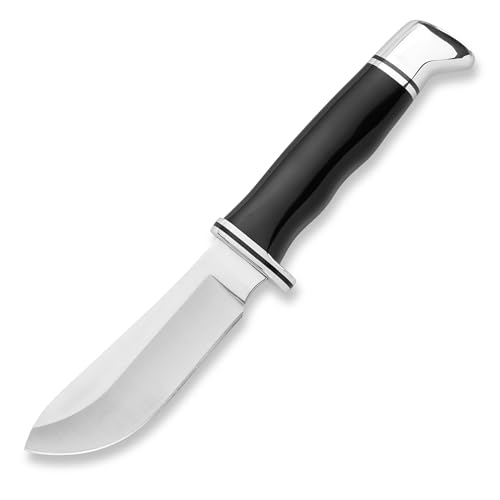
1. Buck Knives 103 Skinner
A long-running fixed blade from Buck designed specifically for skinning. It has a rounded belly and a classic look, and it is a staple choice among traditional hunters.
Suits: traditional hunters. Strengths: a proven skinning shape. Weaknesses: handle can be slick when wet. Skip it if you want a modern grip.
Best for hunters who dislike sharpening in the field
2. Havalon Piranta Edge
A folding knife that uses replaceable surgical-style blades, which stay very sharp and are swapped rather than sharpened. It is popular for deer and small game.
Suits: hunters who dislike sharpening in the field. Strengths: razor edge and light weight. Weaknesses: blades are delicate and can snap under force. Skip it if you pry or split bone.
View Havalon Piranta Edge on Amazon

Best for big game hunts
3. Outdoor Edge RazorPro
A folding replaceable-blade knife from Outdoor Edge with a textured handle and several blades included. It is a practical choice when a quick blade change beats a field sharpening session.
Suits: big game hunts. Strengths: grippy handle and fast blade swaps. Weaknesses: you must carry spare blades. Skip it if you prefer one strong fixed blade.

Best for serious hunters
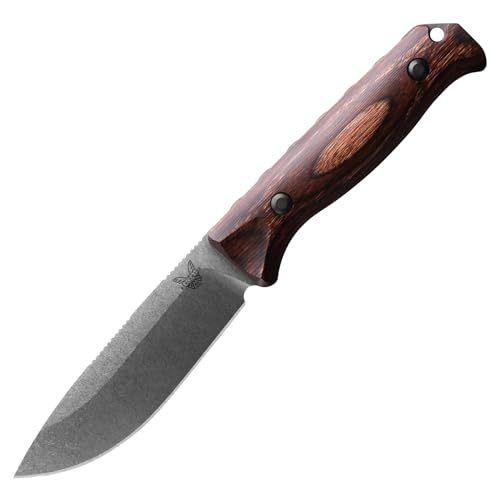
4. Benchmade Saddle Mountain Skinner
A premium fixed blade from Benchmade, designed for skinning and general field work with a solid grip and a quality sheath. It is a step up in finish and steel.
Suits: serious hunters. Strengths: good steel and refined handling. Weaknesses: more refined than basic options. Skip it if you only hunt occasionally.


Best for hunters who also camp
5. Morakniv Garberg
A Swedish fixed blade with a full-tang design that is often used for bushcraft. It handles field dressing as well as camp chores, and the sheath is practical.
Suits: hunters who also camp. Strengths: tough build and flexible use. Weaknesses: less specialized than a skinner. Skip it if you want a curved skinning blade.


Best for all-round hunting use
6. Cold Steel Pendleton Hunter
A fixed-blade hunter from Cold Steel with a drop-point blade and a handle meant to keep its grip in wet conditions. It is built as a general-purpose hunting knife.
Suits: all-round hunting use. Strengths: dependable shape and a sturdy handle. Weaknesses: moderate size may be big for small game. Skip it if you prefer a slim folder.

Care and Setup
- Rinse and dry the blade after each use.
- Wipe and oil carbon steel blades before storage.
- Replace dull scalpel-style blades before they snag.
- Store fixed blades in a dry sheath.
Mistakes to Avoid
- Using a skinning blade to pry or split bone.
- Leaving blood on the steel overnight.
- Carrying one folding knife and no spare blades.
- Skipping a sharpener in the pack.
Blade Length, Thickness and Point Design
Field dressing is mostly slicing, not chopping, so a thin blade with a good edge usually beats a thick, heavy one. A blade that is too thick resists the cut and drags through hide, while one that is too thin can flex if you lean on it. Look for a stock thickness that feels stiff enough for controlled pressure and thin enough behind the edge to slice cleanly. Listings often give blade length, thickness and the type of grind, and those three details tell you more than the model name.
Length is a balance. A shorter blade gives you control in tight spaces, around joints and near the cavity, where precision matters. A longer blade reaches farther and makes long strokes on a big animal easier, but it is harder to steer. Many hunters find a mid-sized blade covers most game from small deer to larger animals, and some keep a second, smaller knife for fine work.
Point shape is a safety feature as much as a style choice. A drop-point has a gently lowered tip that is strong and less likely to puncture organs, which matters when you open the cavity. A sharply pointed tip can pierce what you did not intend to cut. A rounded belly helps in skinning by letting you sweep long cuts without catching the point. Some knives add a guthook or a blunt tip for opening, but a plain blade is simpler to clean and sharpen. Choose the shape that matches the game you hunt most.
Grips That Work With Wet Hands
Blood, fat and water turn a smooth handle into a hazard, so grip design deserves close attention. Textured rubber, checkered polymer or deeply grooved material keep their hold when slippery, while polished wood or smooth metal can become treacherous. Traditional wood handles can feel pleasant and warm, but you should be aware that they may be slicker when wet. The post already mentions that some classic designs share this trait.
Check the guard or finger notch. A clear guard stops your hand from sliding onto the edge when you push, and a slight swell or ridge in the handle helps you hold position during a strong cut. Handle size matters as well. A handle that is too small tires the hand and cramps with gloves on, while an oversized one reduces control. If you hunt in cold weather and wear gloves, consider how the knife feels in them, since fine texture can vanish under thick material.
Think about cleaning. Handles with deep grooves can trap fat and blood, so you will need a brush and warm water after a hunt. Porous materials can absorb moisture and odors over time. Smooth synthetic materials are generally easier to clean, while natural materials need regular care. Whichever you choose, rinse the handle as well as the blade, and let it dry fully before storing, so the knife is ready for the next trip.
Sheaths, Carry and Quiet Movement
A knife you cannot carry comfortably will end up left behind. For fixed blades, the sheath decides how the knife rides on a belt, a pack strap or a vest. Look for a sheath that locks the blade in securely, so it does not fall out when you crawl, climb or slip, yet allows a smooth draw. Retention features such as a snap strap, a friction fit or a molded lock vary, so read the listing for how the knife is held.
Noise matters when you are stalking. Hard plastic can click against other gear, while leather or nylon is generally quieter, though leather needs care to keep it dry. Consider also the angle at which the knife sits. A vertical carry on the belt can catch on brush and seats; a horizontal or angled carry may suit a pack better. Some sheaths include a belt loop that can switch between positions, which is useful if you change gear.
Folding knives ride in a pocket or on a clip and are lighter and less obtrusive, but they require opening with potentially bloody hands and cleaning the pivot afterward. Whatever you carry, treat the sheath as part of the safety system. Check that it is intact before each trip, that stitches or rivets are sound and that the opening is not worn so wide that the blade could slip out. A good sheath protects both you and the edge.
Keeping an Edge in the Field
An edge dulls quickly when you cut through hide, hair and connective tissue, and a dull knife is more dangerous than a sharp one because it demands more force. Plan to maintain the edge during the job, not after it. A compact sharpener, a small ceramic rod or a pocket stone fits in a pack and can restore a working edge in a minute or two.
Different blade types call for different habits. Fixed blades are sharpened as needed, and the steel you choose affects how often that is. Some steels hold an edge longer but are harder to restore, while others sharpen easily with simple tools. Replaceable-blade knives skip sharpening altogether, which is the point of the design, but you need to carry spare blades and a safe way to change them. Blades of that kind should be handled carefully, as they are very sharp and small, and used blades must be disposed of safely, for example in a protective container.
Stop and touch up the edge when you notice it tearing instead of slicing, and not when it has become truly dull. After the job, wash the blade, dry it and apply a light coat of oil if the steel is prone to rust. This simple routine keeps a field knife dependable season after season, and it cuts the time you spend struggling with a poor edge during cold, tiring work.
Hygiene and Safe Handling in the Field
Handling game carries real hygiene considerations, so treat the job like any other task involving raw meat. Wear disposable gloves where practical, keep your cuts away from your body and avoid cutting toward your hand or leg. Work on stable ground with enough light to see what you are cutting, and keep other people clear of the blade.
Follow guidance from your local wildlife or game agency on handling, testing and disposal of carcasses, because rules and health advisories vary by area and species. These authorities can tell you about any precautions that apply to the animals you hunt. Do not assume that the same practice works everywhere.
Keep clean and dirty tasks separate. Rinse tools and hands with clean water where you can, and clean the knife thoroughly before it touches anything else in your pack. Carry a small amount of clean water, wipes or a cloth for this purpose. Cool the meat promptly and keep it clean, as local guidance advises. At home, wash the knife with hot soapy water, dry it fully and store it where children cannot reach it. A knife is part of food handling equipment in this context, so keeping it clean is as important as keeping it sharp. If you cut yourself, clean the wound promptly and seek medical care for anything deep.
Packing a Field Dressing Kit Around the Knife
The knife is only one piece of the job. A little planning before the trip means you are not improvising with cold hands at dusk. Keep everything in one waterproof pouch so it travels together and is easy to find in a dark pack.
- A primary fixed or folding knife with a handle you trust when wet.
- A small backup blade or a pack of replacement blades if your knife uses them.
- A compact sharpening tool suited to your blade steel.
- Disposable gloves and a few sealable bags for handling and carrying meat.
- Paper towels or clean cloth, plus a bottle of clean water.
- Cord for hanging or positioning the animal, and a headlamp with spare batteries.
Check the pouch at home a few days before the season. Replace anything dull, damaged or used up. Follow your local wildlife agency’s rules on tagging, transport and what you must carry, since those rules differ by region and species.
Choosing Between a Fixed Blade, a Folder and a Replaceable-Blade Tool
| Style | Strengths | Trade-offs |
|---|---|---|
| Fixed blade | Sturdy, simple to clean, no hinge to trap debris | Needs a sheath and is bulkier to carry |
| Folding knife | Compact, pocket friendly | Pivot and lock need extra rinsing and a close look for wear |
| Replaceable blade | Fresh edge on demand, thin and precise | Blades are delicate, and used ones need careful disposal |
Think about your hunting style. A long walk-in trip favors something light, while a truck-based camp lets you bring a larger fixed blade. If you share a camp, a mix of styles lets people choose what feels steady in their hands.
Learning the Task Before the Season
Reading a few trusted guides from your state wildlife agency or a hunter education course will teach more than any product listing. Practice the sequence with a mentor if you can, and walk through each step on paper so the order feels natural.
Work slowly and keep your free hand away from the path of the blade. A cut-resistant glove on the holding hand is a sensible addition. Clean and dry the knife the same day, because blood and moisture are hard on steel and handle materials. Follow official guidance for safe handling of game and for any disease-monitoring requirements in your area, and check local rules on what you may do in the field.
Keeping Your Knife Ready Between Seasons
Many field knives spend most of the year in a drawer, and that is where trouble begins. Before you store yours, wash off every trace of residue with warm water and a soft brush, then dry the blade completely, including the area under the handle scales and inside the sheath. Moisture trapped in a leather sheath can leave marks on the steel, so many hunters keep the knife outside the sheath during storage.
Wipe the blade with a very thin film of light oil recommended by the maker, and store it in a dry place with some air movement. Avoid sealed plastic bags unless you add a moisture absorber.
Pre-Season Inspection
- Look along the edge for chips, rolled spots or rust and decide whether it needs sharpening or professional attention.
- Check that the handle is tight, with no cracks or loose pins.
- On a folder, confirm that the lock engages firmly and that the pivot moves smoothly.
- Examine the sheath stitching, snaps and belt loop for wear.
- Replace any worn parts according to the maker’s instructions.
Treat this check as a yearly habit, much like checking a pack before a trip. A few quiet minutes at home beat discovering a loose handle in the field.
Field Dressing Knife FAQ
Fixed or folding for field dressing?
Fixed blades are stronger, while folding replaceable-blade knives are lighter and sharper out of the box.
What blade length suits deer?
A mid-sized blade is common, and many hunters like a knife that is easy to control in tight spaces.
Do I need a gut hook?
Not necessarily. A hook can speed some cuts, but many hunters prefer a plain blade.
Where are these used legally?
Check local rules for blade length and carry laws before you travel.
What blade shape is best for field dressing?
Many hunters prefer a drop-point or skinner shape with a curved belly and a controlled tip. The belly helps with long skinning cuts, and the lowered tip is less likely to puncture organs. Choose based on the game you hunt and how the knife feels in hand.
Is a thin or thick blade better for skinning?
A thinner blade usually slices more easily, while a thicker one is stronger for tasks like cutting through cartilage. For most field dressing, a moderate thickness with a keen edge is a good balance. Check the stock thickness on the listing.
How do I keep a knife from slipping when it is wet?
Choose a textured or rubberized handle, a clear guard and a comfortable size. Wipe your hands and the handle when they get slick, and work slowly. Wearing gloves that fit well can also help.
How often should I sharpen during a hunt?
Touch up the edge whenever it starts to tear instead of slicing. A small pocket sharpener or ceramic rod makes this quick. Replaceable-blade knives let you swap blades instead.
What should I do with used replaceable blades?
Handle them with care and store them in a protective container, such as a small tin or the maker's blade holder. Never put loose blades in a pocket or the trash where they could cut someone.
Do I need a second small knife?
Some hunters carry a small knife for fine work alongside a larger one, but it is not required. A single well-chosen knife is enough for many hunts. Add a second only if you find your main knife awkward for detail work.
How do I clean a knife after dressing game?
Rinse off blood and tissue with clean water, wash with hot soapy water, dry the blade and handle thoroughly and oil carbon steel lightly. Clean the sheath if it has been contaminated.
Can I sharpen a knife with a gut hook?
Yes, but the hook needs a small round file or a rod that fits its curve. Many hunters skip hooks for this reason. Check the manufacturer's advice before sharpening.
Matching Each Knife in This List to Your Hunt
The six knives above cover the main philosophies of field dressing, and choosing well means matching the tool to the game, the terrain and your own experience, always within the rules and seasons that govern lawful hunting where you are. The Buck Skinner represents the traditional dedicated skinner: a purpose-shaped fixed blade for hunters who process deer-sized game and value a tool that does one job predictably. The Havalon and Outdoor Edge entries represent the replaceable-blade approach, trading the ritual of sharpening for a fresh edge whenever the work demands it, which many hunters find reassuring when conditions are cold, light is fading and fine control matters most. The Benchmade Saddle Mountain Skinner is the premium fixed-blade option for hunters who want refined materials and a blade they will keep for decades. The Morakniv Garberg is the generalist’s fixed blade, as comfortable with camp tasks as with dressing work, while the Cold Steel Pendleton Hunter offers a compact, capable fixed blade at an accessible point in the range.
Experience level should steer the choice as much as budget. A newer hunter benefits from the forgiveness of a replaceable-blade system or a moderately sized fixed blade, because edge management is one less variable while they learn the overall task under the guidance of an experienced mentor. A seasoned hunter with established sharpening skills may prefer a quality fixed blade whose behaviour they know intimately. Neither preference is a compromise; both are rational responses to different stages of the same craft, and many hunters own one of each, choosing on the day according to the hunt.
Deer-sized game, smaller game and everything between
Game size shapes blade choice at the concept level. Deer-sized animals reward a blade with enough length and belly to work efficiently while staying controllable, which is why the dedicated skinners in this list cluster around similar proportions. Smaller game calls for smaller, finer control, where a compact blade or a replaceable-blade tool’s precision earns its keep. Larger game asks more of edge durability and of the hunter’s plan for keeping a working edge through a longer job. In every case, the legal framework comes first: know the seasons, tags, land permissions and carcass-handling rules for your area before any knife leaves its sheath, and treat the knife as one small part of a lawful, respectful harvest.
Planning the Work Before the Hunt
Good field dressing begins at home, days earlier. Lay out the kit you intend to carry: the knife in its sheath, any replaceable blades in their safe container, gloves, game bags, a small sharpening option if your system needs one, a headlamp, and the means to keep the harvest clean and cool according to local guidance. Check the knife the way you would check any safety-critical tool: edge keen, handle tight, sheath retention sound, no damage carried over from last season. Replace questionable items on the kitchen table, not in the field, where cold hands and fading light turn small problems into big ones.
Plan the human side too. Hunters who are learning should arrange to work alongside someone experienced, and even veterans benefit from agreeing who carries what and how the group will handle the work when an animal is taken. Know the route out, the vehicle setup for transport, and the storage or processor arrangements waiting at the end, because prompt, clean handling after the harvest is a matter of food safety and respect for the animal. The knife matters, but the plan around the knife is what turns a successful hunt into well-kept meat.
Fixed Blade, Folder and Replaceable Blade: An Honest Comparison
Each system in this list carries genuine trade-offs. A fixed blade offers strength, simple cleaning and no moving parts to foul, at the cost of carrying a sheathed tool of some size. The Garberg and the dedicated skinners exemplify the type: always ready, easy to wipe down, and dependable in cold or wet conditions where mechanisms stiffen. A replaceable-blade tool offers a perpetually fresh edge and light weight, at the cost of managing used blades responsibly and carrying spares; the Havalon and Outdoor Edge designs answer with systems that keep blade changes as safe and simple as the format allows. Folding knives, while handy general tools, ask more of their user in cleaning and in lock care after this kind of work, which is why the list leans on the other two formats.
The honest conclusion is that hunters succeed with every system here, and struggle when the system fights their habits. If you dislike sharpening and know it, the replaceable-blade route removes a real failure point. If you value a single durable tool and the skills that go with it, a fixed blade rewards the investment. Choose the system you will maintain properly, because a well-kept example of any of these outperforms a neglected example of the theoretically best one.
Care, Cleaning and Storage Between Hunts
After any field use, the knife deserves prompt, thorough cleaning at home: wash it in hot soapy water, dry it completely, and inspect the edge and handle before it goes back into storage. Sheaths need the same attention, since a sheath put away dirty quietly works against the blade it holds. Carbon and tool steels benefit from a whisper of food-safe oil before storage; stainless blades mainly need to be genuinely dry. Store the knife sheathed, in a dry place, away from the humidity swings of garages and vehicle cabins, and keep replaceable blades in their original safe packaging, disposing of used ones in a rigid container rather than loose in a pack or bin.
Between seasons, a short ritual keeps everything honest: re-check the edge, refresh it on your home sharpening setup if needed, confirm the sheath still grips as it should, and review your kit list against what the field taught you last year. Hunters who keep a few notes, what worked, what was forgotten, what the weather did, steadily improve their kit in a way that no single purchase can match. The knives in this list are all capable of lasting many seasons; the care routine is what decides whether they actually do.
More Field Dressing Knife Questions Answered
What should a beginner carry alongside the knife?
At the concept level, a beginner’s kit mirrors an experienced hunter’s, with the addition of guidance: gloves, game bags, a headlamp, a way to keep the harvest clean and cool, and, most valuable of all, an experienced companion for the first few times. Pack a small reserve of everything consumable, because the field is a poor place to discover a shortage. Keep the kit compact enough that you genuinely carry it rather than leaving it in the vehicle, and review its contents against local regulations and landowner expectations before the season opens.
How do I practise knife skills for this task outside the season?
Practise the transferable skills, not the task itself: safe handling, controlled cutting on ordinary materials, sharpening and edge testing, and sheath discipline until drawing and re-sheathing are automatic and careful. Kitchen work with similar blade shapes builds familiarity with grip and edge behaviour. Many hunters also take a hunter-education or game-care course, which covers the lawful and practical framework far better than improvisation. Arriving in season with calm hands and a maintained knife is the real goal of off-season preparation.
When should I choose the replaceable-blade option over a fixed blade?
Choose it when edge maintenance in the field is your known weak point, when weight matters on long approaches, or when you simply prefer to begin every job with a guaranteed fresh edge. Choose a fixed blade when you value durability, simple cleaning and a tool that doubles for camp work. Some hunters carry the replaceable-blade tool as the primary and a compact fixed blade as the backup, accepting a little extra weight for complete coverage. The decision is about your habits and your hunt, not about which system is winning an argument online.
How should used replaceable blades be handled and disposed of?
Treat every used blade as the sharp hazard it remains. Place it directly into a rigid, puncture-resistant container, never loose in a pocket, pack or game bag, and keep that container in the kit until you are home. Dispose of the sealed container according to your local guidance for sharps. The same discipline applies to a damaged fixed blade: wrap and contain it for the trip out rather than carrying it exposed. Safe disposal is part of the system’s cost, and hunters who choose replaceable blades accept it as part of the craft.
Does a more expensive knife dress game better?
Up to a point, price buys better steel, better heat treatment and better finishing, which show up as an edge that lasts longer and a handle that stays comfortable through a long job. Beyond that point, returns diminish quickly, and the hunter’s skill, preparation and care habits dominate the outcome. The Benchmade in this list earns its premium through materials and refinement, while the Morakniv proves how far a modest tool goes in practised hands. Buy the best you will genuinely maintain, and spend the difference on the rest of a well-planned kit.
Weather, Cold and Light: How Conditions Change the Work
Field conditions shape knife work more than any specification sheet admits. Cold stiffens hands and steals fine control, which is one reason experienced hunters favour simple, dependable tools in late-season conditions: a fixed blade with a handle that fills a cold or gloved hand, or a replaceable-blade system whose edge needs no field maintenance at all. Wet conditions test grips and sheaths, rewarding textured handles and carry systems that retain the knife when everything is slick. Fading light is the condition hunters mention most: work that begins at last light must be planned around a headlamp, unhurried movements and the discipline to slow down precisely when excitement and cold argue for speed. The knife that suits your hunt is the one that behaves predictably in the worst conditions you realistically face, not the one that shines on a mild afternoon.
Preparation answers most of it. Practise handling your sheathed knife with the gloves you actually hunt in. Confirm your headlamp lives in the kit, not in a drawer at home. Decide in advance, with your hunting companions, how work will be shared when conditions are poor, because improvisation in the cold is where small mistakes breed. None of this is dramatic; it is the quiet professionalism that separates hunters whose field dressing is a calm routine from those for whom it is the hardest part of the day.
Ethics, Legality and Respect: The Frame Around the Knife Work
A field dressing knife exists inside a framework that matters more than the tool: lawful seasons and licences, permission for the land, fair-chase ethics, and a commitment to use as much of the animal as possible and to waste nothing through carelessness. Prompt, clean field care is part of that commitment, because meat handled well honours the harvest and meat handled badly squanders it. New hunters should learn this framework from hunter-education courses, mentors and the regulations of their own region, which differ in detail and must be checked rather than assumed. Regulations govern matters such as tagging, transport and disposal of remains, and they are part of the hunt, not paperwork after it.
Respect also extends to the land and to other people who use it. Leave the site clean, manage waste exactly as local rules require, and consider the non-hunting public who may walk the same ground tomorrow. The hunting community’s reputation is built or damaged by these small acts, repeated across thousands of outings. A sharp, well-kept knife plays its part, because efficient, confident work is cleaner work, but the attitude the hunter brings matters more than the steel, and it is the part of the kit no purchase can supply.
Choosing a Backup and Knowing When to Switch
Many hunters carry a modest backup, a compact fixed blade or a second replaceable-blade tool, and the reasoning is practical rather than anxious. A primary knife can be dropped in poor light, its edge can meet something it should not, or the work can simply run longer than one edge wants to. A backup that is genuinely carried, light enough to forget until needed, turns those moments into inconveniences. Choose the backup from the opposite philosophy to your primary if you can: a fixed-blade primary pairs well with a replaceable-blade backup whose fresh edge solves the dullest problem instantly, while a replaceable primary pairs with a simple fixed blade that asks nothing and always works.
Know your switch triggers in advance. When cutting starts to require noticeably more force, when fine control feels like it is slipping away, or when you catch yourself rushing to finish on a tiring edge, that is the moment to refresh the edge or change the tool, not after the work has suffered. Hunters who decide these triggers at home, in calm conditions, follow them in the field without debate. It is a small example of the larger truth running through this guide: the field rewards decisions made early and calmly, and the knife is only ever as good as the plan carrying it.
Keeping skills current between seasons
Between seasons, the most valuable maintenance is your own. Review what last season taught you, refresh your knowledge of any regulation changes, and handle your kit often enough that none of it feels foreign on opening day. A short pre-season session, sharpening, sheath checks, kit inventory, does more for your field dressing than any mid-season purchase. The craft is perishable, and a little deliberate attention keeps it fresh.
After the Field: Transport, Cooling and the Next Steps
The knife’s work ends before the hunter’s does, and the steps that follow field dressing decide the quality of everything on the table later. Follow your region’s rules and best-practice guidance for cooling, protecting and transporting the harvest: keep it clean, get it cool as promptly as conditions allow, protect it from contamination and insects during the carry out, and transport it in a way that continues the cooling rather than undoing it. Game bags, a planned vehicle setup and a clear destination, home cooler, refrigerator or processor, are the unglamorous equipment that food safety is actually made of. Decide all of it before the season, because a plan improvised around a successful hunt is a plan made under the worst possible conditions of excitement, fatigue and fading light.
At home, the knife rejoins ordinary life: cleaned thoroughly, dried, inspected and stored as the care sections describe, while the harvest moves to its next stage according to the guidance and regulations you follow. Take ten minutes, that evening or the next day, to note what the outing taught you: anything forgotten, anything that failed, any condition you had not planned for. Those notes, accumulated over seasons, are worth more than any single item of gear, because they convert experience into preparation. The hunters whose field dressing impresses observers are rarely doing anything mysterious; they are executing a plan written by their own previous seasons.
Choosing Your Knife as Part of Choosing Your Season
Step back and the purchase in this list is one line in a larger budget of money, time and attention that a hunting season demands: licences and tags, travel, clothing that keeps you safe in your climate, optics or other equipment your method requires, and the processing arrangements at the end. Within that budget, the knife deserves its proportionate share, no more and no less. Overspending on the knife while underfunding boots or processing is a misallocation that the field will point out. Underspending to the point of carrying a tool you do not trust is the opposite error, and it surfaces at the worst moment. The six options here span the sensible range deliberately, so that the right allocation exists for a first-season hunter and a veteran alike.
Whichever you choose, commit to the system around it: the sharpening or blade supply it needs, the sheath checks, the kit list, the plan. A season is a chain of small preparations, and the knife is one strong link among many. Hunters who see it that way tend to hunt well for decades, and their knives, whichever name is on the blade, tend to look it: used, maintained and entirely fit for the next opening morning.
A short pre-season checklist to close
Confirm licences, seasons and land permissions for the year. Inspect and sharpen the knife, or stock its blades. Test the sheath’s retention. Assemble the kit against your written list, including light, gloves and game bags. Confirm transport and cooling arrangements. Review any regulation changes since last season. Then put the kit away complete, so that the season’s first opportunity finds you ready rather than shopping. Preparation of this kind is the least visible and most decisive part of the whole craft.
Knife Skills for the Rest of the Year: Camp and Kitchen Crossovers
A field dressing knife does not stop being useful when the season closes, and using it, appropriately, through the year keeps both the tool and the hands familiar. The compact fixed blades in this list make capable camp knives for food preparation, rope and wood work around a site, and the dedicated skinners, while specialised, still serve for general tasks where their curved profiles help rather than hinder. In the kitchen, a well-kept hunting knife can handle the heavy end of home butchery for those who process their own game or break down large cuts, bringing the season’s skills full circle to the table. The point of these crossovers is not to force one tool into every role, but to keep a valued blade in regular, honest use, because tools that are used are tools that get maintained, inspected and understood.
There is a boundary to observe in the other direction as well: kitchen knives and general household blades should not be promoted into field dressing roles they were not designed for, however sharp they are, because the field asks for handle security, sheath carry and cleanability that domestic knives rarely offer. Each tool in its place is a dull-sounding principle that prevents most equipment failures in every domain this guide touches. Respect it in both directions, and the kit you carry in season will be the kit you trust, because every piece earned its place by being right for the work rather than merely available on the day.
The quiet value of a knife you know completely
By a hunter’s third season with the same knife, something valuable has accumulated: complete knowledge of how its edge behaves, how its handle feels in every condition, how its sheath carries on every route. That knowledge is worth more than a marginal upgrade, which is why experienced hunters are conservative about changing tools that work. Buy once, from this list, at the level your commitment justifies, and then let familiarity compound. The best field dressing knife, in the end, is the one whose behaviour never surprises you.
The Short Version
For a classic skinner, the Buck 103. For a razor edge, the Havalon Piranta Edge. For quick blade swaps, the Outdoor Edge RazorPro. For a premium fixed blade, the Benchmade Saddle Mountain Skinner. For camp crossover, the Morakniv Garberg. For a general hunter, the Cold Steel Pendleton Hunter.