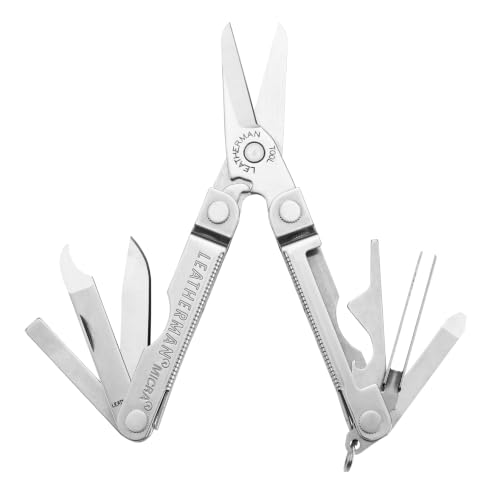
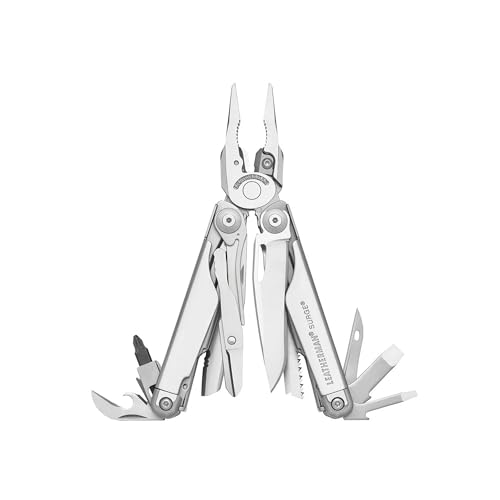
A rescue knife is built for cutting seatbelts, straps and clothing in an emergency, not for show. Blade shape matters more than size: a hooked or blunt-tipped design lets you cut without risk to the person you are helping. These tools are common among EMTs, paramedics and other first responders.
The six below cover rescue folders, a strap-cutting multitool, medical shears and a dedicated seatbelt cutter. Rules about what you may carry on duty vary by employer and region, so check your own policy first. We have not used these products ourselves. Details change between listings and versions, so confirm sizes, materials and what is included on the current listing before you buy.
As an Amazon Associate we earn from qualifying purchases. Links below are affiliate links, and they do not change the product information we give.
What to Look For
| Feature | Why it matters |
|---|---|
| Blade shape | Hooks and blunt tips reduce the chance of injuring a patient |
| One-hand opening | You may be holding something with the other hand |
| Glass breaker | A hardened tip can help in a vehicle rescue |
| Lock and clip | A secure lock and a pocket clip keep it ready and in place |
In this guide
Specs at a Glance
| Tool | Type | Blade | Notes |
|---|---|---|---|
| Spyderco Rescue 3 | Folder | Sheepsfoot style | Rescue-designed folder |
| Spyderco Assist | Folder | Blunt-tipped | Made for first-response use |
| Benchmade Triage 916 | Folder | Hooked blade | Strap cutter and glass breaker |
| Victorinox Rescue Tool | Multitool | Locking blade plus saw | Glass breaker and strap cutter |
| Leatherman Raptor Rescue | Folding shears | Medical shears | Compact when folded |
| Gerber Strap Cutter | Dedicated cutter | Protected blade | Seatbelt and strap use |
The 6 Best EMT Rescue Knives
Top pickBest for paramedics and EMTs who want a dedicated rescue folder
1. Spyderco Rescue 3
A purpose-built rescue folder from a respected knife maker with a sheepsfoot-style blade, a thumb hole for quick opening and a rugged handle.
Suits: paramedics and EMTs who want a dedicated rescue folder. Strengths: a rescue-first design and a trusted brand. Weaknesses: it costs more than an everyday folder. Skip it if you want a general-purpose utility knife.

Best for responders who need a purpose-built tool
2. Spyderco Assist
A rescue folder with a blunt tip and a handle made for quick access. It focuses on cutting straps and fabric rather than piercing.
Suits: responders who need a purpose-built tool. Strengths: a blunt tip that suits close work. Weaknesses: less useful for fine cutting. Skip it if you need a pointed blade.

Best for paramedics and firefighters
3. Benchmade Triage 916
A rescue folder with a hooked blade, a built-in strap cutter and a glass breaker, designed for medical and rescue use.
Suits: paramedics and firefighters. Strengths: a hook for safe cutting and a premium build. Weaknesses: a higher cost. Skip it if you want something basic.
View Benchmade Triage 916 on Amazon
Best for drivers and field workers
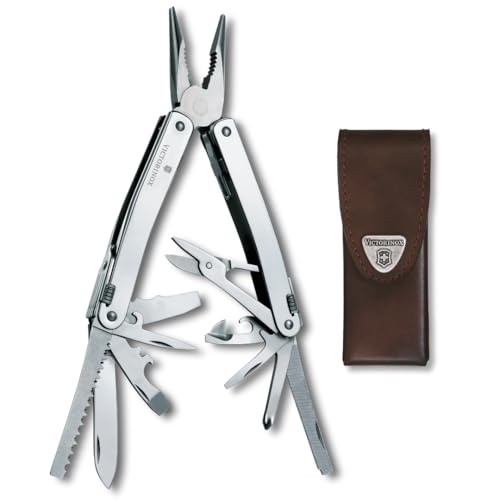
4. Victorinox Rescue Tool
A multitool that includes a locking blade, a saw, a glass breaker and a seatbelt cutter. It is a Swiss Army product with a reputation for quality.
Suits: drivers and field workers. Strengths: a broad toolset in one body. Weaknesses: larger than a single-purpose folder. Skip it if you want the smallest possible tool.

Best for clothing cuts and general medical use
5. Leatherman Raptor Rescue
Folding medical shears with a ring cutter, ruler and glass breaker. Shears are commonly used by EMTs instead of a knife for cutting clothing.
Suits: clothing cuts and general medical use. Strengths: shears instead of a blade. Weaknesses: fewer tools than a classic multitool. Skip it if you want a knife blade.

Best for vehicle kits and bags
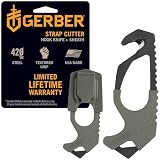
6. Gerber Strap Cutter
A small, dedicated strap and seatbelt cutter with a protected blade. It is compact enough to keep in a car or bag.
Suits: vehicle kits and bags. Strengths: a hidden blade and low cost. Weaknesses: it does not replace a knife. Skip it if you want a multi-use tool.
Many services issue or approve specific gear, so treat this list as a starting point. Whatever you pick, practice opening and using it under stress, with gloves on, until the motion is automatic.
Care and Setup
- Rinse off blood and fluids after use and dry the tool before storing it.
- Clean the lock and pivot with a drop of light oil as the maker suggests.
- Check that the clip and lock work before each shift.
- Sharpen or replace a dull edge, since a dull rescue tool is a hazard.
Mistakes to Avoid
- Carrying a tool your employer does not permit.
- Choosing a sharp-pointed blade for work near patients.
- Never practicing opening it one-handed.
- Leaving the tool in a hot car where the handle may warp.
Rescue Cutting Versus Ordinary Knife Work
A rescue tool has a different job from a pocket knife. Instead of slicing food or opening boxes, it must cut through seatbelts, straps, webbing, thick clothing and sometimes light cord, quickly and with minimal risk to a person who may be trapped beneath the material. That changes the design priorities, favoring edges that cut under tension, tips that will not stab, and handles that work with gloves and wet hands.
Think about the typical scene. A seatbelt under load is a tight band of strong fabric, so a hooked blade that catches and pulls through it is usually safer and faster than a straight blade that must be pushed. Clothing needs to be cut away without nicking skin, which is why many responders also carry blunt-tipped shears. A tool that excels at one task may be mediocre at others, so a rescue kit often combines several.
It also helps to separate carrying for duty from carrying for personal preparedness. A responder may need a tool they can reach with one hand in a cramped vehicle, while a driver keeping a cutter in the cabin mainly needs it within reach of the seat. Decide where the tool will live and who will use it.
Finally, remember that tools are an aid, not a substitute for training. Cutting near a person is a skill, and your service, employer or a qualified instructor can teach safe technique. Always follow your agency’s protocols about what you carry and how you use it.
Hook, Blunt-Tip and Serrated Edge Designs
Several edge designs dominate rescue tools, and each suits a particular task. A hook, sometimes called a rescue hook or strap cutter, has a concave cutting edge enclosed on three sides. Material is pulled into the hook and cut as you pull back, keeping the point away from skin. It is especially good for seatbelts and straps, though it is less versatile for general cutting.
A blunt or sheepsfoot-style tip lets a straight edge slide along the body without piercing. Combined with a slim blade, it can cut clothing and light material safely. These blades are less useful for detailed work and for piercing, but that is the point in medical settings.
Serrated edges bite into fibrous material such as straps and rope and keep cutting even as the edge gets worn. They can be slower to resharpen and can snag, so check how much of the edge is serrated. Some designs combine a plain section with serrations to balance clean slicing with grip.
Medical shears have a separate role. Their angled design and blunt lower blade slip under clothing and cut along the body. Many responders carry shears and a hook or folder together. When comparing, ask yourself what material you most often need to cut, what risk the tip poses and whether you can operate the tool one-handed. Check each listing for edge type, tip shape, and whether the cutter is replaceable.
Deployment, Locks and One-Handed Access
In an emergency, seconds and dexterity are limited, so access matters. A folding rescue knife should open smoothly with one hand, ideally even while wearing gloves, and should lock securely so it cannot close on your fingers. Test the lock and release mechanism, keeping your fingers clear of the edge. A lock that is easy to disengage with a thumb is valuable, but it must also resist accidental release under pressure.
Opening aids vary. Thumb studs, holes and flippers work with different hand positions and glove thickness. If you wear thick gloves, practice with them on, because small studs can be hard to find. A larger opening hole or textured surface can be easier to use under stress.
Carry position is equally important. A pocket clip that rides high keeps the tool accessible while seated, and a sheath or pouch mounted on a belt, vest or gear bag can keep it in a consistent place. A tool you cannot find is no use, so keep it in the same spot every time and make sure others who might need it know where it is.
Look at whether the tool includes extras such as a glass breaker or a seatbelt cutter built into the handle. These can be handy, but they add bulk and may be unnecessary if you already carry them separately. Choose a configuration you will actually carry daily.
Rules, Training and Responsible Carry
Before buying, confirm what you are allowed to carry. Employers, agencies and some medical systems have policies on blade length, locking mechanisms, and whether personal tools are permitted. Local laws also vary, especially for automatic or assisted openers and concealed carry. Read the rules from an official source, and ask your supervisor if you are unsure.
Training turns equipment into capability. Practice drawing and using the tool on realistic materials, such as an old seatbelt or strap, rather than only reading about it. Work on cutting away from your body and from a simulated patient, and rehearse in poor lighting. Training courses and agency instructors can offer guidance on safe technique and scene awareness.
Think about hygiene and infection control. A tool that contacts blood or body fluids needs cleaning and disinfecting according to your service’s procedures. Smooth surfaces and simple shapes are easier to clean than heavily textured ones with many crevices. If you use a folding model, consider how well you can clean the pivot area.
Finally, keep personal and duty equipment in good order and be mindful of where you carry it off duty. A rescue tool is a safety device, but it is also a blade, so store it securely when not in use and keep it away from children.
Inspection, Cleaning and Replacement Signs
A rescue tool that fails when needed is worse than none, so inspect it regularly. Check that the blade opens smoothly, locks firmly and closes without sticking. Test sharpness by cutting a piece of old webbing or strap and note how much effort it takes. If the tool struggles, it is time to sharpen or replace the blade.
Clean after use according to your service’s procedure, then dry thoroughly. For folders, clear out debris around the pivot and lock, and apply a drop of suitable lubricant. Check clips, sheaths, lanyards and pouches for wear, since a failing clip can drop the tool at the worst moment.
Sharpening hooks and serrated edges needs the right tool. Many hooks use a replaceable blade or require a small round or tapered stone, and serrations need a tapered rod. Follow the maker’s instructions, or ask a qualified person to sharpen it. Over-sharpening or using the wrong method can ruin the shape of the edge.
Replace the tool if the lock slips, the blade is bent or chipped, the handle is cracked, the hook is deformed or rust affects the cutting surface. Also replace it if it no longer meets your agency’s requirements. Keeping a spare within easy reach is a sensible habit, since rescue gear is often used in a hurry and can be lost on scene.
Rescue Knife FAQ
Do EMTs use knives or shears?
Many use shears for clothing and a hooked or blunt rescue tool for straps, depending on local policy.
What blade is safest near patients?
A blunt tip or hook, because it cuts material without poking skin.
Do I need a glass breaker?
It can help in vehicle incidents. Some tools include one, which saves carrying a separate item.
Are these legal to carry?
Local law and employer rules vary. Check both before you carry any blade.
What is the difference between a rescue hook and a regular blade?
A hook pulls material into a protected cutting edge so the point stays away from skin. A regular blade is more versatile but exposes the tip. Choose according to the task and risk.
Should I carry shears as well as a knife?
Many responders do, because shears cut clothing along the body with a blunt tip. A knife or hook handles straps and belts. Together they cover more situations.
Can I use a rescue knife for everyday tasks?
You can, but heavy use dulls the edge and wears the mechanism. Keep a separate everyday knife so the rescue tool stays ready.
How should I practice with a rescue cutter?
Practice on old seatbelts, straps and clothing, away from people. Include one-handed access, gloved use and low-light drills. Ask an instructor about safe technique.
Does a serrated edge stay sharp longer?
Serrations keep biting fibers even when the points wear, but they are harder to resharpen. Follow the maker's guidance for maintenance.
Where should I keep a rescue tool in a vehicle?
Keep it where the driver can reach it while belted, not in a trunk or a bag. Secure it so it does not become a loose object in a crash.
How often should I inspect the tool?
Check it regularly, and after every use. Test the lock, edge and clip so you can trust it when needed.
Steel, Coatings and Corrosion in Wet, Dirty Work
Rescue tools get exposed to conditions that ordinary pocket knives rarely see: blood and body fluids, road salt, rain, disinfectant wipes and the occasional spray of cleaning solution. That makes the blade steel and any coating more than a spec-sheet detail. Stainless steels resist rust better and tolerate frequent wiping, while higher-carbon steels can hold an edge longer but need more care to avoid corrosion. For a tool that is cleaned often and may sit in a damp bag, corrosion resistance is a reasonable priority.
Coatings such as black oxide, PVD or similar finishes reduce glare and protect the surface, but they can wear at the edge and on contact points with use. Do not count on a coating to make a blade rustproof. Any exposed steel at the edge will still need drying and an occasional wipe of oil.
- Choose a stainless blade if you rinse and disinfect the tool frequently.
- Be gentle with harsh chemicals, since some can discolor or pit steel if left on.
- Dry the tool completely before closing a folding blade or returning it to a sheath.
- Check for rust at the pivot, the lock and the base of the hook after any wet shift.
Multi-tools such as the Victorinox Rescue Tool and Leatherman Raptor Rescue add more surfaces and moving parts, so they may need more attention in damp conditions than a single-purpose cutter.
Handle Materials and Grip with Wet Gloves
Most rescue cutting is done while wearing gloves, often nitrile or heavier work gloves, and sometimes with wet or slippery hands. A handle that feels secure bare-handed can become slick under those conditions. Textured scales made of glass-filled nylon, G-10 or rubberized material generally give better traction than smooth metal. Deep jimping, finger grooves and a guard or choil help keep fingers from sliding toward the edge.
Handle shape also matters for how the tool can be used. A slim handle may be easier to carry, but it can be uncomfortable in a firm grip, while a chunky handle can be harder to fit into a pocket or a gloved palm. If possible, handle the tool wearing the same gloves you use at work, and test whether you can open and close it, lock it and release the lock without fumbling. Bright orange or high-visibility handles are easier to find in a dark ambulance or a messy bag.
Sharpening Hooks, Serrations and Straight Edges
A rescue tool should be sharp when it is needed, and the way you sharpen it depends on the edge. A plain straight edge can be maintained with a sharpening stone or a guided system, the same way a regular knife would be. A hook blade has a curved inner edge, which needs a small ceramic rod or a tapered file to follow the curve. Serrated edges have scallops that are best sharpened one at a time with a tapered rod, and many owners prefer to send them to the manufacturer or a professional.
Do not over-sharpen. Removing a small amount of steel is enough to restore the edge, and too much grinding can change the shape of a hook or tip. Check the manufacturer’s care instructions, and note whether the maker offers sharpening or replacement blades. After sharpening, clean the metal dust off the tool, because particles can interfere with the pivot and lock.
Matching the Tool to Department Policy and Duty Gear
Before buying, check whether your agency, school or volunteer group has rules on what you may carry. Some employers specify blade length, opening style or approved models, and some limit tools with a sharp point. Also consider how the tool fits with your existing gear. A clip that matches your belt, vest or bag, or a sheath that does not catch on a seat belt, can matter more day to day than a minor difference in steel.
A tool you can access with one hand and return to a secure spot is more useful than one that is buried in a bag. Consider adding a lanyard or a protective cover on the tip if you carry it loose, and keep a backup option in a vehicle kit.
Keeping a Backup and Replacing Worn Tools
Even a well-made rescue tool wears out or goes missing, so it helps to plan for replacement. Many professionals keep a spare in a vehicle kit or a go-bag, so a dropped, contaminated or confiscated tool does not leave them without a cutter. Note the purchase date and check the maker’s warranty and parts availability, including replacement blades or hooks. If a tool has been used on a call involving body fluids, follow your agency’s decontamination procedure and consider retiring it if it cannot be cleaned thoroughly. Replacing a tool at the first sign of a bent tip, loose pivot or unreliable lock is a modest cost compared with the risk of a failure during a rescue.
Frequently Asked Questions
Can I sharpen a rescue hook knife myself?
Yes, in most cases. A hook edge needs a small ceramic rod or tapered file that follows the curve, and removing only a little steel is enough. If you are unsure, ask the manufacturer about sharpening service or replacement blades, especially for serrated or specialized hook designs.
Are fixed blades or folding rescue knives better?
Fixed blades are simpler and have no lock to fail, but they need a sheath and are bulkier to carry. Folders are compact and convenient, but the lock and pivot need care. The better choice depends on your department rules, where you carry the tool and how quickly you can access it.
Does steel type matter for a rescue knife?
Yes, especially for corrosion. Stainless steels resist rust and handle frequent cleaning, while higher-carbon steels may hold an edge longer but need more drying and oiling. For a tool that gets wet and disinfected, a corrosion-resistant steel is usually the more practical choice.
Can I take a rescue knife on a plane?
Generally not in carry-on bags. Airport security rules in many countries prohibit knives and blades in the cabin, and exceptions are rare. Check the current rules of the airline and the security authority, and pack the tool in checked luggage if it is permitted, or leave it at home.
The Short Version
For a dedicated rescue folder, the Spyderco Rescue 3. For a blunt-tipped option, the Spyderco Assist. For a hooked blade, the Benchmade Triage. For a multitool, the Victorinox Rescue Tool. For shears, the Leatherman Raptor Rescue. For a budget strap cutter, the Gerber.