Disclosure: As an Amazon Associate, umtsmarttool.com earns from qualifying purchases. Links to Amazon on this page are affiliate links; they cost you nothing extra. Listing details such as price and availability change often, so check the current Amazon listing before you buy.
The best wood glue is the one whose working time, water resistance and joint strength match the job on your bench, and for most shops that means a good PVA wood glue from a maker you recognise. Titebond III is the usual answer when a project may meet moisture, Titebond II Premium suits most indoor furniture, and specialist formulas such as liquid hide glue or a thicker quick-grab glue cover the gaps. This guide compares seven wood glues for furniture and woodworking projects and tells you which kind of builder each one fits.
You will find a quick picks table first, then a profile of every glue with three strengths, one honest limitation and a choose it or skip it line. After that come a comparison table, a buying checklist, clamping and joint advice, and a list of common mistakes. Everything here comes from manufacturer listings and published information. We have not run our own bond trials, so always read the label on the bottle for open time, clamp time, water resistance and cure details before you commit a project to it.
In this guide
Quick Picks
Short on time? Match your project to a row and open the listing.
| Need | Pick | Why it stands out | Link |
|---|---|---|---|
| Best overall | Titebond III Ultimate Wood Glue 1414 | Water-resistant formula with a longer working time than the basic glues | Check on Amazon |
| Best waterproof wood glue for outdoor pieces | Titebond III Ultimate Wood Glue 1414 | Marketed for projects that see moisture, such as cutting boards and garden furniture | Check on Amazon |
| Best for indoor furniture | Titebond II Premium Wood Glue 5004 | Dependable all-round interior glue with water-resistant labelling | Check on Amazon |
| Best value-for-money everyday glue | Titebond Original Wood Glue | Classic yellow glue for dry, indoor work | Check on Amazon |
| Best for vertical joints and quick grab | Titebond Quick and Thick Multi-Surface Glue | Thicker body that stays where you put it | Check on Amazon |
| Best for easy availability | Gorilla Wood Glue | Familiar PVA bottle stocked widely and aimed at home projects | Check on Amazon |
| Best for repairs and long assemblies | Titebond Liquid Hide Glue | Traditional hide glue with a long open time and reversible joints | Check on Amazon |
What Is PVA Wood Glue and Why Do Most Woodworkers Use It
PVA stands for polyvinyl acetate, the water-based adhesive behind the familiar yellow and cream glues in woodworking shops. When you spread it on two pieces of wood and clamp them, the water leaves the joint, the glue film hardens and the two parts become one. A well-made glue line on tight-fitting joints is typically stronger than people expect, which is why PVA wood glue became the default for cabinets, chairs, boxes and picture frames.
The appeal is simple. PVA cleans up with water while it is wet, it does not need mixing, it works at normal room temperature and it sands reasonably well once dry. The trade-off is that it needs clamping pressure and some time, and it is not a gap filler. If the joint does not fit, no glue will rescue it.
Not every bottle on the shelf is identical, though. Makers adjust the formula to change how long you have to assemble the joint, how well the cured bond handles moisture and how thick the glue feels as it leaves the bottle. Those three differences explain most of the lineup below.
Best Wood Glue for Furniture
For furniture, the glue has to do three jobs at once. It must give you enough working time to assemble a frame with several joints, it must hold under years of everyday use, and it must leave a clean surface that accepts stain or finish. A chair with eight mortise and tenon joints is a very different task from gluing two scraps together, because you are racing the clock on every joint.
Titebond III and Titebond II Premium are the usual starting points for furniture builders, mainly because the longer working time of the III formula gives you room to breathe on bigger assemblies. If you plan to stain, wipe squeeze-out while it is still wet and check the label of any glue for advice on finishing, since dried residue can block stain and show up as pale patches.
For a project you may need to service later, such as an antique repair or a musical instrument, liquid hide glue deserves a look. Its joints can be released with heat and moisture, which is a real benefit when future repair matters more than outdoor resistance.
Best Waterproof Wood Glue
People search for waterproof wood glue when they are building cutting boards, garden benches, planters, window boxes or anything near a sink. The word needs a careful reading. Wood glue labels usually speak in terms of water resistance, and many makers refer to standard classifications that describe how a bond holds up to moisture. Titebond III, for example, is sold as a water-resistant glue for projects that may see damp conditions, which is the language to look for, rather than an idea that a joint can sit submerged forever.
Good joint design still matters outdoors. End grain drinks moisture, bare wood moves with the seasons and a glue line cannot fight constant soaking alone. Seal the finished piece with a finish suited to its use, keep end grain protected and follow the label on the bottle for what the glue is intended for. If a project will touch food, read the maker’s own statement on the bottle rather than relying on a general claim from an article.
The 7 Best Wood Glues for Furniture and Woodworking
Each profile below covers who it suits, what it does well, where it falls short and when to look elsewhere. Facts are limited to what the makers publish; check the current listing for bottle size, bundle contents and label details.
Titebond III Ultimate Wood Glue 16 oz 1414
Titebond III is the glue most woodworking forums point to when someone asks for a single bottle to keep on the shelf. It suits builders who want one glue that handles indoor furniture and the odd project that may see moisture, from cutting boards to a porch bench.
- It is sold as a water-resistant formula for interior and exterior projects, which widens what one bottle can do.
- The working time is longer than the basic yellow glues, giving you more room on frames with many joints.
- It cleans up with water while wet, so squeeze-out is manageable.
The limitation is that it is a darker, tan-coloured glue, and the colour can show on very pale woods if you leave squeeze-out behind. It also asks for clean, close-fitting joints and proper clamping like any PVA.
Choose it if you want one dependable bottle for furniture and outdoor-leaning projects. Skip it if you only ever build dry indoor pieces and prefer the lowest-fuss basic glue.
Titebond II Premium Wood Glue 16 oz 5004
Titebond II Premium is the glue for people who build tables, shelves, drawers and cabinets for the house and want a step up from the entry-level bottle. It suits anyone who wants a well-known all-rounder without thinking about outdoor use.
- It carries water-resistant labelling, so a damp cloth or a humid kitchen is less of a worry than with a basic interior glue.
- It has a pale, yellow tone that tends to blend better into light woods than the darker formula.
- The viscosity is easy to spread with a brush or roller for glue-ups with long edges.
The limitation is that it is not the formula to choose for full outdoor exposure. If your bench might live on a patio, step up to the III version.
Choose it if you build indoor furniture and want a trusted general glue. Skip it if your piece is going outside or you need the longest possible assembly time.

Titebond Original Wood Glue 16 oz
This is the classic yellow glue that many people picture when they hear the words wood glue. It suits beginners, hobbyists and anyone gluing small, dry, indoor pieces such as boxes, frames and craft projects.
- It is a simple, familiar PVA that is easy to find and easy to use.
- It sets reasonably fast, which helps on small assemblies where you do not need extra working time.
- It sands well after curing when the surface was prepared properly.
The limitation is moisture. It is positioned as an interior glue, so keep it away from cutting boards, planters or anything that will get wet. Its quicker set can also be tight for a large assembly with many parts.
Choose it if you glue small interior projects and want the straightforward option. Skip it if the project faces damp conditions or a complicated glue-up.

Titebond Quick and Thick Multi-Surface Glue
Quick and Thick is a heavier-bodied glue made for jobs where a runny bottle would wander. It suits trim repair, vertical surfaces, small mounting jobs and projects that join wood to other materials.
- The thicker consistency stays where you place it, which helps on vertical and overhead joints.
- It is marketed for multiple surfaces, so a single bottle can handle wood plus other common materials. Check the listing for the exact list.
- The faster grab means less time holding parts by hand before they stay put.
The limitation is that a quick grab shortens your window to reposition parts, so dry-fit everything first. It is also not the first choice for large panel glue-ups where a runnier glue spreads more evenly.
Choose it if you repair trim, work on vertical joints or fasten mixed materials. Skip it if you are laminating wide boards and need a long, even spread.

Gorilla Wood Glue 8 oz
Gorilla Wood Glue is a PVA wood glue from a brand that most home improvement shoppers already know. It suits weekend builders, repair jobs around the house and anyone who wants a recognisable bottle from a store aisle they already visit.
- The brand is easy to find across home centres and online sellers.
- It is sold as a ready-to-use wood glue aimed at general interior and exterior projects, as stated on the maker’s label. Check the bottle for the details.
- The smaller bottle size works for occasional use without a large amount sitting around.
The limitation is that a smaller bottle runs out quickly if you build often, and serious furniture makers tend to prefer the long-established woodworking lines for big projects. Confirm the water-resistance wording on the current label before trusting it outdoors.
Choose it if you want a convenient, familiar bottle for household repairs and small builds. Skip it if you glue up large furniture regularly and want a bigger container.

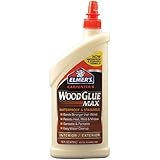
Elmer’s Carpenter’s Wood Glue Max
Elmer’s is a name that goes back to school craft tables, and the Carpenter’s Wood Glue Max line is the stronger sibling aimed at actual woodworking. It suits home users who like to buy from a brand they trust and need a bottle for household repairs, shelves and small furniture jobs.
- It is positioned as a stronger formula than Elmer’s craft glues and is made for wood work.
- It uses the common water cleanup approach, so wiping squeeze-out is straightforward.
- The bottle is widely stocked, which makes a replacement easy to find.
The limitation is that the lineup has several versions and bottle sizes, so read the listing carefully to see which one you are buying and what the label says about water resistance. It is also less commonly named in woodworking circles than the Titebond range.
Choose it if you like a household brand for repairs and small builds. Skip it if you want the formula that woodworkers most often reach for on furniture.
Titebond Liquid Hide Glue 8 oz
Liquid hide glue is the old-fashioned choice that still has a loyal following. It suits people restoring antiques, building or repairing instruments and anyone who values a repairable joint over a permanent one.
- The open time is long, which helps with intricate assemblies and many-part glue-ups.
- Joints can be taken apart later with heat and moisture, which makes future repairs far easier.
- It is generally liked for traditional work and fine furniture where reversibility matters.
The limitation is storage and shelf life. Hide glue has a more limited life than PVA once opened, and it is not an outdoor glue. Read the maker’s label for storage temperatures and cure details before relying on it.
Choose it if you restore antiques or want joints you can reopen. Skip it if you are building something for the garden or you glue only occasionally and the bottle may sit for years.

Wood Glue Comparison Table
Use this table to compare the seven glues side by side. Always confirm bottle size and label wording on the listing you open.
| Glue | Type | Key feature | Best use | Link |
|---|---|---|---|---|
| Titebond III Ultimate 1414 | PVA | Water-resistant formula, longer working time | Furniture and outdoor-leaning projects | Check on Amazon |
| Titebond II Premium 5004 | PVA | Water-resistant labelling, lighter colour | Indoor furniture and cabinets | Check on Amazon |
| Titebond Original | PVA | Classic interior yellow glue | Small dry projects | Check on Amazon |
| Titebond Quick and Thick | Thick PVA type | Heavy body, fast grab | Vertical joints and trim | Check on Amazon |
| Gorilla Wood Glue | PVA | Familiar brand, easy to find | Household repairs | Check on Amazon |
| Elmer’s Carpenter’s Wood Glue Max | PVA | Household brand made for wood | Shelves and small furniture | Check on Amazon |
| Titebond Liquid Hide Glue | Hide glue | Long open time, reversible joints | Antiques and instruments | Check on Amazon |
How to Choose the Best Glue for Woodworking Projects
A short checklist keeps you from buying the wrong bottle. Work through these points in order.
- Where will the piece live? Indoors and dry points to Titebond Original or II. Anywhere near moisture points to a water-resistant formula such as Titebond III.
- How complicated is the glue-up? More joints need more working time. A single butt joint can use a quick-setting glue.
- What finish will you apply? If you stain, residue matters. Pick a glue colour that will not stand out and plan to clean squeeze-out while wet.
- Will you need to repair it later? Choose hide glue if reversibility is more important than outdoor resistance.
- How often do you glue? Frequent builders save effort with the bigger bottle; occasional users should buy a size they can finish before the glue ages.
- Does it touch food? Read the maker’s own statement on the bottle for any food-contact wording before you use it on a board or utensil.
It also helps to remember that glue is only one part of a strong joint. Flat, clean, close-fitting surfaces and even clamp pressure do more for strength than the brand name.
Gluing Technique: Clamping, Open Time and Joint Prep
Even the best wood glue gives weak results when the preparation is rushed. Start by dry-fitting every part with the clamps set, so you know the joint closes tightly and you know where each clamp goes. Surfaces should be clean, dry and free of dust or oils. A freshly planed or sanded surface bonds better than one that has been sitting around.
Spread a thin, even film on both mating faces. Too little leaves dry spots, while too much only makes a mess. Bring the parts together within the open time shown on the label, apply clamp pressure until you see a small bead of squeeze-out, and stop there. Over-tightening can squeeze the joint dry.
Leave the clamps on for as long as the maker suggests, then give the piece more time before you put it under real load. Clamp time and full cure time are different, and the label is the place to check both. Cold shops slow everything down, so read the minimum temperature on the bottle as well.
Edge-to-edge panel glue-ups are the best chance to practise. A few cauls across the panel keep boards level, and a roller or brush spreads the glue evenly along long edges.
Best Wood Glue for Beginners
New woodworkers should start with a glue that forgives mistakes. Titebond II Premium is a good first bottle because the water-resistant labelling covers ordinary household conditions, and the bottle design is easy to control. If your first projects are small boxes, frames and craft items, the Original formula does the job and keeps things simple. Add a damp rag, a few scrap pieces for test joints and a small brush, and you have a complete starter kit.
Common Buying Mistakes
- Buying by brand alone. A familiar name does not tell you the working time or water resistance. Read the label.
- Using interior glue outdoors. A basic yellow glue on a garden bench is a repair waiting to happen.
- Expecting glue to fill gaps. PVA works best on tight joints. Gaps weaken the bond.
- Buying too large a bottle for occasional use. Old glue thickens and can behave differently. Match the size to how often you build.
- Ignoring temperature. Many glues have a minimum working temperature. A cold garage can ruin a glue-up.
- Skipping the dry fit. Discovering a bad joint with glue already spread is stressful and avoidable.
- Forgetting finishing. Dried squeeze-out can resist stain, so clean it up while wet.
Storage, Clean-Up and Troubleshooting
Keep the cap closed, store the bottle upright in a place that avoids freezing and extreme heat, and wipe the nozzle before sealing. A thin skin on the surface can be removed, but if the glue has turned lumpy or stringy, replace it rather than gamble on a project. If a joint fails, look at the surfaces first. Dust, oil, poor fit or too little clamp pressure cause more failures than the glue itself. When working with any adhesive, follow the safety information on the bottle, keep it away from children and clean up spills promptly.
Final Recommendation
Here is a pick for each type of buyer.
- Best overall and best waterproof wood glue: Titebond III Ultimate Wood Glue 1414.
- Best for indoor furniture: Titebond II Premium Wood Glue 5004.
- Best for simple dry projects: Titebond Original Wood Glue.
- Best for vertical joints and trim: Titebond Quick and Thick Multi-Surface Glue.
- Best for household repairs: Gorilla Wood Glue or Elmer’s Carpenter’s Wood Glue Max.
- Best for antiques and reversible joints: Titebond Liquid Hide Glue.
If you only want to buy one bottle today, open the Titebond III listing and confirm the size you need. If your work stays indoors, the Titebond II listing is the other strong place to start.
Frequently Asked Questions
Is wood glue stronger than the wood itself?
On well-fitted joints with long-grain surfaces, many woodworkers report that the wood fails before the glue line does. Results depend on fit, clamping and the species, so treat it as a sign that good preparation matters more than the label.
Can I use wood glue outdoors?
Only a glue labelled for exterior or water-resistant use, such as Titebond III, is suitable, and the finished piece should also be sealed. Basic interior glues are not meant for weather.
How long should I clamp a joint?
Follow the clamp time printed on your bottle. It depends on the formula, the temperature and the joint. Wait longer before stressing the piece, since full strength takes more time than the clamp period.
Can I stain over wood glue?
Dried glue can block stain, which shows up as pale patches. Wipe squeeze-out with a damp cloth while wet and sand carefully. Check the label for any finishing advice from the maker.
Does wood glue go bad?
Yes. Glue thickens, lumps or changes over time, especially after the bottle has been opened or exposed to cold. If the consistency has changed a lot, replace it. Check the bottle for the maker’s shelf life notes.
What is the difference between PVA and polyurethane glue?
PVA is water-based, cleans up with water and needs clamping. Polyurethane glues are a different chemistry that reacts with moisture and expands as it cures. This guide focuses on PVA and hide glue for woodworking.
Can I return glue if I buy the wrong one?
Return rules depend on the seller and the Amazon listing, and opened liquids are often treated differently from sealed goods. Read the return policy on the listing before you order and choose a size you are confident about.
Will these glues work on materials other than wood?
Wood glues are designed for porous wood. Quick and Thick is marketed for multiple surfaces, but check the listing for the exact materials, and use a glue designed for the specific material when in doubt.