Disclosure: As an Amazon Associate, UMT Smart Tool earns from qualifying purchases. This guide is built from product listings and maker specifications, not from our own hands-on testing. Prices are approximate and can change, so check the current price before you buy. Last updated: November 10, 2026.
The best wooden tubs all promise the same thing acrylic cannot copy: a deep, quiet soak in a material that insulates naturally, smells faintly of the forest and ages like furniture instead of plastic. What separates them is the job they are built for. A Japanese-style ofuro is short and very deep, made for sitting upright with water to your shoulders. A barrel-style wooden bathtub stretches longer and shallower for reclining. And a wood-fired outdoor barrel is a small hot tub, not a bathroom fixture at all. If you are still deciding between wood and every other material, our roundup of the best freestanding tubs covers acrylic, cast iron and stone resin; this guide is for buyers who have already chosen wood and now need the right tree, size and construction.
In this guide
Quick Picks
The short version: six wooden tubs we would look at first, from a compact cedar ofuro to a five-person wood-fired barrel.
| Pick | Type | Best for |
|---|---|---|
| ALFI brand AB1187 | Rubber wood oval soaker | Most bathrooms wanting a classic wood tub |
| jrytin STB03901 | Compact cedar ofuro with lid | Tiny bathrooms and seated deep soaking |
| OGOLOUG 47.24-Inch Cedar Tub | Cedar barrel soaker | Narrow doorways and accessory-complete kits |
| ALFI brand AB1105 | Large solid cedar soaker | Taller bathers who want to stretch out |
| ALEKO PIWSHTUB | Pine wood-fired barrel hot tub | Outdoor, off-grid group soaking |
| Zen Bathworks Onsen 60×30 | Handcrafted ofuro | Premium hinoki, cedar or teak builds |
Our Picks
1. ALFI brand 57-Inch Rubber Wood Soaking Tub (AB1187) — Best Overall
The AB1187 is the wooden tub we would point most buyers to first, because it behaves most like a normal freestanding bathtub. The oval shell is built from rubber wood — a dense plantation hardwood — and measures 57 x 26.75 x 25.5 inches, holding 66 gallons. ALFI reinforces the shell with three electroplated metal bands in the traditional stave-built style, and the listing is sold with a padded headrest and a chrome pop-up drain, so the tub arrives closer to install-ready than most wooden soakers. At 157 pounds it is heavy for wood, but still far lighter than a cast iron tub of similar size.
The trade-offs are the honest ones for this category. There is no overflow drain, so you manage fill level yourself, and ALFI covers the tub with a one-year warranty against manufacturing defects rather than the long warranties acrylic brands advertise. It is an indoor tub: keep it out of direct sun and away from heating vents so the wood does not dry and shrink between uses. Choose it if you want the look and warmth of a real wood tub in a standard bathroom, in the mid-range tier, without commissioning a custom build.

2. jrytin 34-Inch Cedar Japanese Soaking Tub with Lid (STB03901) — Best Compact Ofuro
The jrytin STB03901 follows the true ofuro formula: a very small footprint traded for exceptional depth. It measures just 34 x 23 inches, yet stands 32.25 inches tall and holds 65 gallons — nearly the capacity of the full-size ALFI above — because you sit upright on the built-in seat with water up to your chest. The tub is handcrafted from cedar with a lacquered finish, and the bundle is unusually complete: a wooden lid that keeps heat in between soaks, a bath pillow, a bath stool, an outlet hose and a pop-up drain are all in the box. At 85 pounds, it is also the easiest pick here to get through a door and into place.
Be clear about what that footprint means: this is a one-person seated soaker, not a tub to stretch out in, and taller bathers will sit with knees bent. The lacquered finish also needs gentler cleaners than raw cedar — no abrasive powders or bleach. For a small bathroom, a converted closet wet room or anyone who specifically wants the deep, upright Japanese soak, it delivers the real experience at a budget-friendlier tier than custom hinoki work.
3. OGOLOUG 47.24-Inch Cedar Wood Soaking Tub, Standard Package — Best Cedar Barrel for Small Bathrooms
OGOLOUG’s cedar barrel tub is sold in several lengths, and the 47.24-inch (1.2 m) Standard Package is the one we would buy for a small bathroom. The barrel is only 24.8 inches wide, narrow enough to pass through doorways that stop a normal freestanding tub, and the staves are bound with a hot-dip galvanized steel rim that will not rust as the wood swells and shrinks. The Standard Package is generous: the cedar barrel, inner and outer stools, a bamboo lid, a drain pipe, a suction-cup headrest, a hanging basket and a ladle are all included, so there is little left to buy before the first soak.
The maker’s own instructions set expectations honestly: you soak the empty tub before first use so the wood expands and seals, and early weeping at the seams is part of how stave construction works. The listing also notes design details can vary between batches, which is common at this tier. There is a larger Luxury Spa set with a steam cover if you want to turn the barrel into a steam sauna. For renters and small-space owners who want genuine cedar and a complete kit at the most accessible price tier here, this is the sensible starting point.

4. ALFI brand 63-Inch Cedar Wood Bathtub (AB1105) — Best Large Cedar Soaker
Where the AB1187 uses rubber wood, the AB1105 is ALFI’s solid cedar build, and at 63 x 28.38 inches it is the longest indoor wooden tub in this guide. Cedar is the traditional boat-and-bath timber for good reason: its natural oils resist rot, it stays comfortable against skin, and it gives the water a light scent that synthetic tubs cannot imitate. Like the smaller ALFI, the shell is reinforced with three electroplated iron wraps, and a pop-up chrome drain is included with a reversible drain layout to simplify plumbing. Reported weight is around 122 pounds, light for a 63-inch tub.
ALFI sells this model mainly through bath dealers and home centers rather than its own Amazon storefront, so use the search link to compare current sellers and confirm stock before ordering. There is no overflow included, and as with every stave-built wooden bathtub, the first fills double as a sealing soak while the cedar swells tight. Pick the AB1105 if you are taller, want to recline rather than sit upright, and prefer cedar over rubber wood — it sits in the premium tier, but it is the most conventional big-tub experience here.
5. ALEKO 4–5 Person Pine Wood Hot Tub with Internal Stove (PIWSHTUB) — Best Outdoor Wood-Fired Barrel
The ALEKO PIWSHTUB is a different species of wooden tub: a round pine barrel 70.9 inches across that seats four to five people around a stainless steel wood-burning stove mounted inside the tub. It holds 422 gallons, needs no electricity, pump or plumbing, and works as a hot soak in winter or an unheated cold plunge in summer. The kit is a true barrel build at 640 pounds — staves, bands, stove and bench seating — and it is the only pick here designed to live outdoors year-round.
ALEKO’s manual is blunt about the ownership experience, and buyers should be too: you fill the tub and leave the water in for at least four days at first so the pine swells and seals, minor leakage reduces with repeated use, and the stove must never be lit before the tub is filled to the marked line. You are also the thermostat — a fire does not switch itself off, so check temperature before anyone climbs in and never exceed 104°F. For a cabin, off-grid property or a backyard where a cedar barrel hot tub is the whole point, nothing else in this guide does this job.
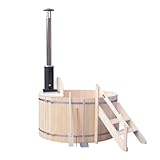
6. Zen Bathworks Onsen Ofuro Soaking Tub, 60 x 30 — Best Handcrafted Premium Ofuro
Zen Bathworks builds its ofuro tubs to order in the United States from engineered all-wood panels with internally metal-reinforced joints — a construction the maker says can be drained after every use without the through-cracking that plagues stave tubs, backed by a leak-free guarantee. The Onsen 60 x 30 measures 60 x 30 x 26 inches with a 22-inch soaking depth and 106-gallon capacity, and the wood menu is the real luxury: hinoki-style Port Orford cedar, Western red cedar, teak, sapele and white oak, all vertical-grain heartwood the maker selects for natural rot resistance.
This is a direct-from-the-maker purchase at a firmly premium tier, with lead times instead of Prime delivery, which is why the button below runs a search on the exact model name. What the money buys is choice — of species, aroma and grain — plus construction designed to remove the two classic wooden tub anxieties, leaks and drying cracks. If the ofuro ritual is the goal and the budget allows one definitive tub, the Onsen is the one we would commission.
Best Picks by Category
- Classic bathroom wooden tub: ALFI brand AB1187 — rubber wood oval with headrest and pop-up drain included, the easiest ownership path.
- Compact ofuro: jrytin STB03901 — 34-inch cedar footprint with a 32-inch-deep seated soak and a full accessory bundle.
- Small-bathroom barrel: OGOLOUG 47.24-Inch Cedar Tub — 24.8-inch width slips through narrow doors, stools and lid included.
- Large cedar soaker: ALFI brand AB1105 — 63 inches of solid cedar for bathers who want to stretch out.
- Outdoor wood-fired barrel: ALEKO PIWSHTUB — pine barrel hot tub for four to five people, no electricity needed.
- Handcrafted premium ofuro: Zen Bathworks Onsen 60×30 — made to order in hinoki-style cedar, teak or oak with a leak-free guarantee.
Notice the pattern: the right wooden tub is decided first by where it will live — a plumbed bathroom, a tight doorway or an outdoor deck — and only then by species and size.
How to Choose the Best Wooden Tubs
Wood species: cedar, hinoki, rubber wood, teak and pine
Species decides aroma, weight and upkeep. Cedar is the classic choice: naturally rot-resistant oils, a sweet scent and light weight, which is why both the jrytin and the ALFI AB1105 use it. Hinoki cypress — and its American cousin Port Orford cedar — is the traditional ofuro wood, prized for fragrance, and sits at the premium end. Rubber wood is denser and heavier, with a smoother, more furniture-like finish, but less natural aroma. Teak has the highest oil content and the least maintenance, at the highest cost. Pine is the budget barrel wood: fine for an outdoor hot tub like the ALEKO, but softer and more dependent on staying swollen and sealed.
Shape and soaking posture: ofuro versus reclined
Decide how you actually bathe. An ofuro is deep and short — 32 inches of height in the jrytin — so you sit upright, knees bent, water to the chest; it uses a small footprint and less floor space but holds surprising volume. A reclined wooden bathtub like the 63-inch AB1105 spreads that volume along its length for a conventional lie-back soak at shallower depth. Measure your own seated height and leg length against the interior dimensions, not the exterior ones, and remember a deep tub needs a step stool and a plan for getting in and out safely.
Construction: staves, bands and modern panels
Most wooden tubs are cooperage: vertical staves compressed by metal bands, sealed by the wood itself swelling when wet. That is why nearly every maker tells you to fill a new tub and let it sit — the first soak is part of the manufacturing process, and a stave tub left dry for months can shrink and weep until it is soaked again. Seams, band tension and a level floor decide how tight it seals. Modern panel construction, like the Zen Bathworks ofuro, glues and reinforces engineered boards instead, trading some tradition for a tub you can drain dry between uses without worry.
Size, weight and floor load
Run the numbers before the tub arrives. Add the tub’s dry weight to the water — 8.34 pounds per gallon — and one bather: the 66-gallon AB1187 lands near 850 pounds filled, while the ALEKO’s 422 gallons put it past 4,000 pounds, firmly ground-floor or deck territory. Doorways matter too; a 24.8-inch-wide barrel fits where a 28-inch tub will not. If you are comparing wood with the weight of traditional materials, our guide to the best clawfoot tubs shows how cast iron loads compare.
Drain, faucet and overflow planning
Wooden tubs are simpler than buyers expect: most ship with a pop-up drain, almost none include a faucet, and many — including both ALFI picks — have no overflow, so you are the overflow protection. Plan a freestanding or wall-mount filler tall enough to clear a 25- to 32-inch rim, confirm your floor drain position against the tub’s drain location (the AB1105’s reversible drain helps here), and think about how you will empty a deep ofuro — the jrytin’s included outlet hose is a small feature that matters every single week.
Care routine and warranty
Wooden tub care is a rhythm, not a chore list: rinse after use, clean with mild soap rather than bleach or abrasives, keep the tub in a humid bathroom rather than a dried-out heated one, and either use it regularly or keep some water in it so the staves stay swollen. Lacquered finishes need the gentlest handling; raw cedar can be lightly sanded if it roughens. Warranties in this niche are short — ALFI’s one year against manufacturing defects is typical — so a maker’s leak-free guarantee, as Zen Bathworks offers, is worth real money. For general layout and sizing context across all tub types, see our broader guide to the best bathtubs.
What should you check before buying a wooden tub, and who should skip it?
Before buying a wooden tub, confirm that it fits the room, the doorway and the floor, and that you are comfortable with the upkeep. Wood rewards buyers who measure first and accept a slower, more hands-on routine.
- Interior dimensions: check the inside length, width and depth, not only the outside size.
- Path to the room: measure doorways, hallways and stairs against the tub’s width.
- Filled weight: add the water and a bather to the tub’s dry weight and confirm the floor or deck can carry it.
- What is included: check for a drain, headrest, stool or lid, and remember that most listings do not include a faucet.
- Overflow: some tubs have none, so you control the fill level.
- Warranty and returns: read the terms on the listing, especially what counts as a defect.
Honest objections: stave-built tubs may weep during their first fills, they can shrink if left dry, and a deep ofuro is a climb to get in and out of. Warranties in this niche tend to be short, so read them carefully.
Skip a wooden tub if you want a zero-maintenance fixture, travel for long stretches and cannot keep the tub damp, or share your home with someone who finds deep walls hard to step over. A panel-built tub or a different material may suit that situation better. Skip the ALEKO PIWSHTUB if you have no outdoor space or cannot manage a wood fire safely.
Which wooden tub should you buy?
The best wooden tub depends first on where it will live and how you like to soak. Match your situation to the picks already named in the post, then confirm the dimensions on the listing.
- A standard bathroom with a classic look: ALFI brand AB1187.
- A very small bathroom and an upright, seated soak: jrytin STB03901.
- A narrow doorway and a complete kit: OGOLOUG 47.24-Inch Cedar Tub.
- Taller bathers who want to stretch out: ALFI brand AB1105.
- An outdoor, off-grid soak for a group: ALEKO PIWSHTUB.
- A premium handcrafted ofuro with a choice of woods: Zen Bathworks Onsen 60×30.
If you are torn between a reclined and a seated soak, think about your height and mobility. A longer, lower tub is easier to enter, while a deep ofuro saves floor space. Compare the picks above, check the current listing for size and what is included, then choose the wooden tub that fits your room and the way you want to bathe.
Frequently Asked Questions
Do wooden tubs leak?
A new stave-built wooden tub often weeps slightly during its first fills — that is expected, not a defect. The dry wood absorbs water, swells and compresses the joints until they seal, which is why makers instruct you to fill the tub and leave it sitting for several days before judging it. A tub that still drips steadily after a full swelling cycle, or one with a visibly loose band, should go back to the seller under warranty.
How long does a wooden bathtub last?
With regular use and basic care, a well-made cedar or hardwood tub is a decades-long fixture — wooden soaking tubs in Japan are routinely used for a generation. What shortens life is neglect: long dry spells that shrink and crack staves, harsh chemical cleaners, and standing grime. Panel-built tubs remove the drying risk but depend on their surface finish instead.
Can I leave a wooden tub empty between uses?
For a few days, yes. For weeks or months, stave tubs are happier with water in them or in a humid room, because dry indoor air shrinks the wood and opens seams — the tub will usually re-seal after a long soak, but repeated shrink-swell cycles age it faster. If you travel often, a lacquered compact tub like the jrytin or a panel-built ofuro tolerates the empty life better.
What cleaners are safe on a wooden tub?
Mild soap, warm water and a soft cloth or brush cover nearly everything. Avoid bleach, scouring powders and strong solvents, which strip the wood’s natural oils and attack lacquered finishes. Rinse bath oils and salts away after each soak rather than letting them sit, and never leave metal cans standing on the rim — they can leave rust rings in the grain.
Can a wooden tub be installed outdoors?
Only the ones built for it. Indoor soakers like the ALFI and jrytin picks should stay inside, away from sun and freeze-thaw cycles that split staves. Outdoor soaking belongs to hot-tub-style barrels like the ALEKO PIWSHTUB, which are designed to live outside full of water — and even those need a level, load-bearing base and local rules checked for a wood-burning stove.
Are wooden tubs hard to get into and out of?
Deep tubs demand respect: a 32-inch ofuro wall is a real climb. Use the included stool, fit a grab point you trust, and step in seated rather than standing from the floor. Shallow reclined models like the AB1105, at 25.5 inches tall, are much closer to a normal bathtub’s entry. If mobility is a concern, choose the lower, longer tub every time.
Do wooden tubs need a special drain or plumbing?
Most use a standard pop-up drain, but the drain position and size vary by model. Check the listing's drain details against your floor plumbing before you order.
How much does a filled wooden tub weigh?
Add the tub's dry weight to the water, which weighs about eight pounds per gallon, plus the bather. Large soakers can load a floor heavily, so confirm structural support before installing.
Can I put essential oils or bath salts in a wooden tub?
Some makers advise against oils because they can affect the wood or finish. Check the manual, and rinse the tub after any additive.
Do wooden tubs stay hot longer than acrylic?
Wood insulates naturally, so many owners find the water holds its warmth well. Results vary with the room, the tub shape and whether you use a lid.
How do I fill a new wooden tub for the first time?
Follow the maker's instructions, which usually involve filling the tub and letting it sit so the wood swells and seals. Early weeping at the seams is common and should lessen as the staves tighten.
How do I remove stains or odors from a wooden tub?
Start with mild soap, warm water and a soft brush, then rinse well and let the tub air out. Avoid bleach and abrasives, and check whether your tub has a lacquered finish that needs gentler care.
Bottom Line
Start with the ALFI brand AB1187 if you want the best wooden tub for an ordinary bathroom: real wood, a headrest and drain in the box, and no custom-order wait. Go smaller and deeper with the jrytin STB03901 ofuro, or narrower still with the OGOLOUG cedar barrel; stretch out in the solid cedar AB1105; take the soak outside with the wood-fired ALEKO PIWSHTUB; and commission the Zen Bathworks Onsen when the tub itself is the renovation’s centerpiece. Whichever wooden soaking tub you choose, confirm the interior dimensions, the filled weight and the current price before you order — wood rewards buyers who measure twice.