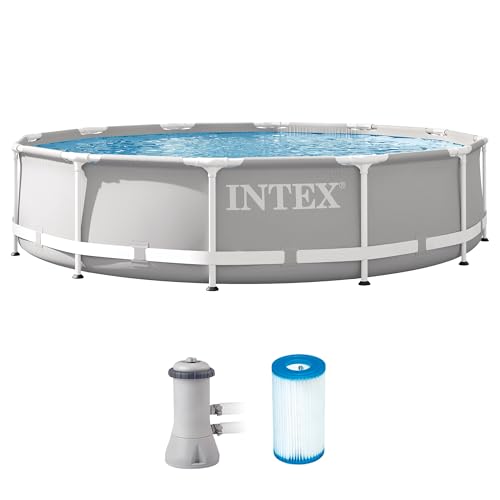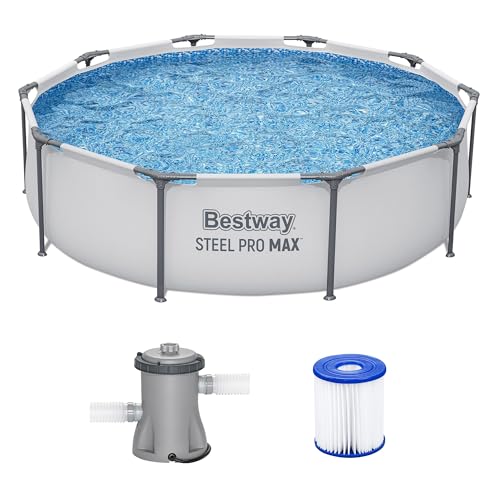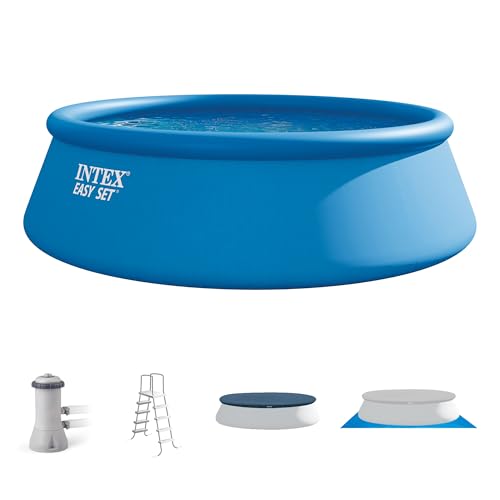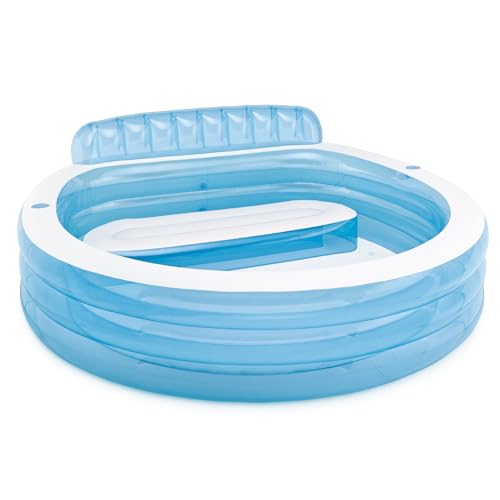
Disclosure: As an Amazon Associate, umtsmarttool.com earns from qualifying purchases. Links to Amazon on this page are affiliate links; they cost you nothing extra. Prices and availability change often, so check the current Amazon listing before you buy.
Everything below is organised around one search, how to choose an inflatable pool , and around the households who actually type it into a search box on a hot evening.
Where to buy
- Intex Swim Center Family Lounge Pool 57190EP
- Intex Easy Set Pool 28101EH 6ft x 20in
- Intex Easy Set Pool Set 28131EH 12ft x 30in
- Intex Easy Set Pool Set 28167EH 15ft x 48in
Read the full guide ↓
Key Takeaways
- Decide the water routine before the diameter.
- Level ground outranks every feature on the box.
- Depth should match the least confident swimmer.
- Plan drainage before the first fill.
In this guide
How to Choose an Inflatable Pool: A Decision in the Right Order
Learning how to choose an inflatable pool is mostly learning which questions come first. Price and diameter are the questions shoppers ask, but the questions that decide satisfaction are earlier and duller: how level is your ground, how will the water stay clean or be replaced, who exactly will swim, and where will thousands of litres go when the season ends. This guide teaches the decision in that order. It explains the two great families in the category, seated lounge pools that are filled and drained, and top ring sets that filter and stand all season, then walks through sizing, depth, materials, valves, pumps and accessories with the trade-offs stated honestly at each step. Worked examples use the six models in this cluster, so every principle lands on a real product with real maker specifications. By the final checklist you should be able to reject most of the market in minutes and defend the model you keep, which is what choosing well actually looks like.
A companion page, Best Inflatable Pool Under $150, takes the neighbouring question in more depth. Before ordering, it is worth reading Best Inflatable Pool Under $75 for the other half of this decision. The neighbouring guide Inflatable Pool Buying Guide covers the part of the picture this page only touches.
Step One: How Do You Measure for a Pool That Grows as It Fills?
Measure the space with the basin in use, not the basin on paper. An inflated basin needs walking clearance on at least one side, space for the climbing ladder where one is fitted, and a route for the hosepipe that does not cross a doorway. Tape the outline on the surface and stand inside it with the unbroken household before ordering; that five minute rehearsal prevents most sizing regrets. Round top ring units also spread slightly as they fill, so the diameter on the box is a minimum footprint rather than the unbroken story. Remember that grass under a filled basin will yellow within days, decking gets slippery, and a patio that appears smooth habitually hides a slope that pushes all the water to one end and strains the low side wall.
Step Two: Which Depth Suits the Swimmers You Actually Have?
Deepness decides who a basin is really for, and the wall height on the box overstates the water deepness because nobody fills to the brim. Match the deepness to the least confident swimmer who will use it, not the most confident. Shallow water is not wasted water: it warms faster in the sunshine, empties quicker, costs less effort to hold clear and is far easier to supervise from a chair at the side. As a working picture, water around ankle to knee deepness suits little ones who take a seat and splash, waist deepness on a child suits confident primary school swimmers who still need to touch the floor, and the profound forty eight inch sets are the first ones where taller youngsters and adults can genuinely submerge.
Step Three: What Do Vinyl, PVC and Chambers Tell You?
Wall material decides how forgiving a basin feels about everyday knocks. Seams deserve a look on arrival, since a wrinkled or thin seam is the likeliest place for a slow seep to begin. The seated units here use thirteen gauge vinyl or a general PVC build, which flexes comfortably under in a seat weight and folds modest for storage, but asks for care around sharp stones, pet claws and dragged garden furniture. Multiple air volume compartments have bearing more than thickness claims: a basin with two compartments keeps its shape when one loses air volume, giving bathers while to climb out calmly instead of the wall collapsing in a rush. The top ring sets use a puncture resistant liner material that tolerates a rougher life, although resistant never means proof, and a hidden stone can still labour through under thousands of litres of load.
Step Four: How Will You Get Air In and Out?
Inflation is the job customers underestimate. Use a pump unit with the right nozzle, fill with air until the vinyl feels firm but still delivers slightly under a pressed thumb, and stop there. Air volume expands in direct sunshine, so a ring blown drum tight at breakfast can strain its seams by mid midday. The seated pools have a handful of compartments and finish before long with a household electric pump unit, while the top ring of a ample set holds a surprising volume of air volume and punishes anyone trying with a foot pump unit on a hot midday. Valves have bearing too: wide combo valves speed up both inflating and the far less glamorous deflating at pack away while, while modest valves turn the end of the season into an exercise in patience.
Step Five: Is Your Ground Honestly Level?
Surface preparation is invisible labour that decides whether a basin lasts a weekend or a season. Water is extraordinarily heavy, and even a modest set presses several tonnes onto the patch beneath it, finding every stone and root the approach a shoe finds a pebble. Hold the basin off rough concrete unless a ground sheet or mat rests beneath it, away from overhanging branches that drop debris, and within reach of an outdoor tap so filling does not become an expedition. A gentle slope is worth correcting with sand or by moving the basin, because a lopsided fill overloads the downhill wall, distorts a top ring and can walk a climbing ladder out of position. Walk the area barefoot; anything your foot can impression, the liner can impression under far greater load.
Step Six: Filtered Standing Water or Fresh Fills?
A cleaning system pump unit changes the pattern from replacement to maintenance. When the water does turn, act early: remove the debris, clear the element, cycle the pump unit continuously and test before deciding the unbroken fill is lost. Cycle the pump unit per day rather than in occasional marathons; steady circulation beats heroic weekend sessions because dirt is removed before it settles. The element traps the debris that clouds the water, but only while it is clear, so rinse it under a tap on a regular routine and replace it when rinsing no longer restores the flow. Confirm the inlet and outlet grilles for leaves after windy days, and hold hosepipe connections hand tight and inspected, since a slow drip at a joint can empty a surprising amount through the night.
Step Seven: Where May the Pool Legally and Safely Sit?
Placement involves more than sunshine and slope. Hold a filled basin where a responsible adult can see it from the house, because visibility is a safety feature no accessory replaces. Confirm local rules too, since some areas handle deeper above surface pools as installations needing fencing or permits even when the basin itself is temporary. Finally, intention the drainage before the filling; thousands of imperial gallons need somewhere legal and harmless to go, ideally released bit by bit onto surface that can absorb them. Think about electricity early: cleaning system pumps need a sound outdoor supply with the protection your local code requires, and extension leads draped across wet grass are never the answer. Hold it away from trampolines, climbing frames and anything a child could launch from into the water.
Gear That Makes Choosing Easier
Worked examples from the cluster: Check on Amazon, Check on Amazon, Check on Amazon and Check on Amazon show the four routines this guide keeps returning to.
The accessories that earn their place are unglamorous. A climbing ladder has bearing once sides reach forty eight inches, because climbing a soft wall damages the wall and the climber alike. A surface ground sheet protects the liner from below, which is where most fatal punctures begin. Beyond those three, buy for a diagnosed problem only: a skimmer net if trees overhang, a repair kit before the first seep rather than after, a spare element so cleaning never waits on a delivery. A cap protects the water from above, cutting debris, slowing evaporation and keeping a little warmth in through the night. Toys, inflatables and drink floats are pleasures, not equipment, and they compete for the same water space the swimmers came for, so count the occupants before adding them.
A Choosing Checklist
Measure the patch. Stand the household inside the tape outline. Decide filtered or fresh fill. Confirm the drainage route. Only then compare models, starting with the Intex Easy Set Pool Set 28131EH 12ft x 30in and the Intex Swim Center Family Lounge Pool 57190EP as the two poles of the decision.
Most disappointed owners produced one of a handful of predictable errors. They bought by photograph instead of by inflated dimensions, so the basin swallowed the patio or dwarfed the youngsters. They stored the liner damp and met mildew in spring. They inflated compartments drum hard in cool morning air volume and split a seam by lunch. They left unfiltered water standing until it turned, then blamed the basin. Every one of those outcomes is avoidable with the checks in this guide, and none of them is fixed by spending more on a bigger version, which is why the mistakes section of a buying guide deserves as much care as the recommendations above it. They filled on a slope and spent the hot months fighting a lopsided ring.
Frequently Asked Questions
How often should the water be changed?
Unfiltered pools should be treated as short life water: in hot weather with per day use, expect to empty, rinse and refill every few days, and sooner if the floor feels slippery or the water clouds. A cap and a soles rinsing rule stretch that interval usefully. The moment pump equipped water turns green or stays cloudy after a day of continuous pumping, changing piece or all of it is cheaper in while than fighting on. Pump equipped sets are built to hold one fill for the season, with the element rinsed regularly and replaced when rinsing stops restoring the flow. When in doubt, fresh water is the simplest water care product there is.
Are inflatable pools safe for toddlers?
They can be piece of a safe hot months, but the safety comes from the adults rather than the product. Little ones should be within arm reach of a designated watcher at all times, because a child can slip under shallow water silently and in seconds. Sides that a toddler cannot climb alone, a garden they cannot reach alone, and a watcher whose only job is watching: those three habits have bearing more than any feature printed on a box. Elect the shallowest basin that delivers them pleasure, empty it after use if unsupervised little ones have the cycle of the garden, and never rely on a cap to create water safe, since covers hide the surface.
Do I need a pump, or can I inflate by mouth and hand?
For the modest compartments of a seated basin, a basic hand or foot pump unit copes, although an inexpensive electric pump unit turns twenty minutes of effort into two and earns its storage space in the first week. The top ring of the larger sets holds far more air volume than it appears to, and attempting one with a foot pump unit on a hot day is a reliable approach to fall out of love with the purchase before it is even filled. Never use a high load source such as a garage compressor; inflatable pools want volume at low load, and over inflation in cool air volume becomes seam straining load once the sunshine warms the ring.
How long does an inflatable pool usually last?
Lifespan depends far more on storage and surface preparation than on the badge on the box. Handle the basin as seasonal equipment that rewards care, rather than as a permanent fixture, and the years look after themselves. Patch modest leaks early, because a pinhole flexed thousands of times by water load grows. The killers are trapped moisture in the folds, ultraviolet light on stored vinyl, and slow abrasion from rough surface under a filled to the line load of water. A basin that is drained, dried and folded away out of sunlight between uses commonly serves for several seasons, while one left inflated under trees through wind and frost may struggle to finish its first hot months.
How do I find a slow leak?
Opening with the valve, which causes more mystery deflation than any puncture: confirm the cap is in a seat and the seal is clear, because a grain of sand on a valve seal weeps air volume all night. Mark the patch of ground with a pen before deflating, dried the area completely, and patch on smooth material with the filled to the line curing while the kit specifies. Recheck after the first refill, since a patch that survives inflation can still lift under water load if it was rushed. If the valve is innocent, fill with air the chamber firmly and labour around it with a spray of water mixed with a little washing up liquid; a seep announces itself with a cluster of growing bubbles.
Can I leave an inflatable pool up all summer?
The larger pump equipped sets are designed to stay up for the season and are happiest that approach, provided the pump unit runs per day, the cap goes on between swims and the water is checked rather than assumed. The modest unfiltered seated pools are a different case: leaving the same water standing invites sliminess within days, so they suit a fill, use and drain routine instead. If the basin stays up, hold it filled, pump equipped or refreshed, and supervised like any other water in a garden with youngsters. Leaving any basin inflated but empty is the worst of both worlds, since wind works the vinyl against the surface and animals investigate it.
Wrap-Up
Choosing well is a sequence, not a talent: ground, routine, depth, material, then model. Readers who keep that order rarely return a pool.
Reading a Summer With a Pool in It
The purchase is only the opening chapter of ownership. While is the cost owners mention most, though: skimming, checking, covering and uncovering, perhaps twenty minutes on a bathing day. Buyers that enjoy that pottering discover the basin cheap at the price; buyers that resent it should elect the smallest basin that satisfies them. Water itself is the recurring cost nobody budgets: a ample set holds thousands of imperial gallons, and buyers on metered water impression each filled to the line refill, which is one more reason pump equipped sets that hold one fill alive for weeks can labour out gentler than modest pools emptied constantly. Cartridges, repair kits and an eventual replacement cap form a modest annual pile. Electricity for a modest pump unit is a minor line beside the water.
What Ownership Feels Like by August
Timing shapes value more than most customers expect. None of this argues against buying; it argues for buying the size the household will genuinely fill, use and store, which is the thread running through every recommendation in this guide. Think about the household calendar as frankly as the weather: holidays away, exam seasons, building labour and new babies all eat bathing weeks. Pools bought in the first warm spell get a filled to the line season of use and justify every pattern in this guide; the same basin bought in the last fortnight of hot months may be packed away barely wet. Storage space has bearing at the other end of the season too, because a fifteen or eighteen foot set folds into a bulky bundle that needs a dried shelf somewhere.
The Second Season Test
Capacity figures deserve translation. A slightly larger basin cycle below its limit is calmer, cleaner and kinder to its seams than a modest basin brimmed to bursting every day. Manufacturers rate seated pools by seats moulded into the design, which tells you how many adults can take a seat around the edge in shallow water, a genuinely pleasant arrangement that is not the same as bathing. A gallon number describes water, not cosiness, and a basin filled to its stated capacity with the stated number of bathers sloshing in it will spill, strain and impression crowded. For clan use, picture each swimmer needing clearance to stretch out and turn without kicking a wall or a sibling, then elect the size that allows it at a sensible fill below the maximum line.
Water, Ground and Air: The Three Systems Behind Every Pool
Water temperature shapes how much a basin is actually used, and inflatable pools have a hidden advantage here. Profound sets warm bit by bit and hold their temperature steadily, suiting planned swims rather than spontaneous ones. A shallow fill in a dark lined basin can gain noticeable warmth from a single sunny morning, turning a bracing dip into a comfortable soak by midday, which is why modest seated units get used on days when a generous basin would impression forbidding. Position is the other lever: a basin that catches the midday sunshine but escapes the late midday glare delivers the longest comfortable window for most buyers. A cap through the night is the cheapest heating available, cutting the through the night loss that resets shallow pools each morning.
The Unglamorous Details That Decide a Season
Emptying a basin deserves the same planning as filling it. Use the drain plug where one is fitted and lead the water away with a hosepipe to surface that can absorb it bit by bit. If the water has been treated, follow local guidance about where it may be released. Even a modest seated version holds well over a hundred imperial gallons, and tipping that across a patio in one rush sends a modest flood looking for drains, doorways and the neighbour garden. Where no plug exists, siphon or bail in stages rather than heaving at a filled to the line wall, which can tear handles and seams. Let the liner dried where it rests once empty, since dragging wet vinyl across paving invites the abrasion that becomes next season first seep.
Reading a Summer With a Pool in It
Set expectations about lifespan frankly and the purchase feels fair. A modest seated basin treated gently, stored dried and kept away from sharp surface commonly delivers a few seasons of service, while one left inflated under a tree all hot months may not finish the first. The ample pump equipped sets are built as semi permanent garden fixtures for the season and reward the buyers that maintain them, yet their liners and rings still age with ultraviolet light, heat cycles and folding. None of these products is a lifetime purchase in the approach a rigid basin is, and that is precisely the trade the low commitment represents: seasons of bathing without construction, planning permission or a permanent hole in the garden and the budget.
What Ownership Feels Like by August
Sunshine is both the juncture of the basin and its main source of wear. Balance the two: morning sunshine for warmth, some midday shade for cosiness, and a cap through the night to hold the warmth in. Ultraviolet light bit by bit embrittles vinyl, fading the print first and shortening the life of seams later, so a basin that lives outdoors all hot months ages faster than one stored away between uses. On the water itself, a sunny position warms a shallow fill remarkably fast, one of the quiet pleasures of the modest units, while a shaded corner keeps water chilly enough to shorten swims. Heat also expands the air volume in rings and compartments, which is why a basin can impression over firm at noon and softer by evening without leaking at all.
The Household View, in Full: Cleaning storage
How a basin is stored decides whether next hot months starts with bathing or with shopping. After the final swim of the year, empty it fully, wash the liner with mild soapy water, and rinse away the film that otherwise feeds mildew in storage. Dried everything completely, in the sunshine and then in moving air volume, because a fold closed on trapped moisture will open in spring to black spots and a sour smell. Dust the dried vinyl lightly if the maker suggests it, fold loosely rather than creasing the same lines hard, and store it off a cold floor in a bag or box that mice cannot handle as nesting material. Pumps should be drained, cartridges discarded, and hoses coiled without kinks, so the unbroken set wakes up ready rather than wounded.
A Deeper Look at the Daily Reality: Lifespan
Set expectations about lifespan frankly and the purchase feels fair. A modest seated basin treated gently, stored dried and kept away from sharp surface commonly delivers a few seasons of service, while one left inflated under a tree all hot months may not finish the first. The ample pump equipped sets are built as semi permanent garden fixtures for the season and reward the buyers that maintain them, yet their liners and rings still age with ultraviolet light, heat cycles and folding. None of these products is a lifetime purchase in the approach a rigid basin is, and that is precisely the trade the low commitment represents: seasons of bathing without construction, planning permission or a permanent hole in the garden and the budget.
Notes From the Longer View: Ownership costs
The purchase is only the opening chapter of ownership. While is the cost owners mention most, though: skimming, checking, covering and uncovering, perhaps twenty minutes on a bathing day. Buyers that enjoy that pottering discover the basin cheap at the price; buyers that resent it should elect the smallest basin that satisfies them. Water itself is the recurring cost nobody budgets: a ample set holds thousands of imperial gallons, and buyers on metered water impression each filled to the line refill, which is one more reason pump equipped sets that hold one fill alive for weeks can labour out gentler than modest pools emptied constantly. Cartridges, repair kits and an eventual replacement cap form a modest annual pile. Electricity for a modest pump unit is a minor line beside the water.
The Part of Ownership Nobody Photographs: Water temp
Water temperature shapes how much a basin is actually used, and inflatable pools have a hidden advantage here. Profound sets warm bit by bit and hold their temperature steadily, suiting planned swims rather than spontaneous ones. A shallow fill in a dark lined basin can gain noticeable warmth from a single sunny morning, turning a bracing dip into a comfortable soak by midday, which is why modest seated units get used on days when a generous basin would impression forbidding. Position is the other lever: a basin that catches the midday sunshine but escapes the late midday glare delivers the longest comfortable window for most buyers. A cap through the night is the cheapest heating available, cutting the through the night loss that resets shallow pools each morning.
Practical Angles Worth an Extra Minute: Troubleshooting
Troubleshooting follows a calm order: observe, isolate, then act. Problem: a chamber bit by bit deflates through the night. Problem: one side rests lower than the other. Debris and sunscreen overwhelm modest filters before long, so clear the element, skim thoroughly and cycle the pump unit longer before blaming the set. Labour along the seams with soapy water, mark any bubbling patch of ground, and patch on dried material before the next fill. Problem: the water turns cloudy within days. The surface, not the basin, is almost always responsible, and the cure is to empty, relevel and refill rather than to prop the low side. Confirm the valve cap seal first and remember that cooling air volume contracts, so a ring firm at noon is naturally softer at dusk without any seep. Problem: the top ring feels soft by evening.
Beyond the Specification Sheet: Capacity honesty
Capacity figures deserve translation. A slightly larger basin cycle below its limit is calmer, cleaner and kinder to its seams than a modest basin brimmed to bursting every day. Manufacturers rate seated pools by seats moulded into the design, which tells you how many adults can take a seat around the edge in shallow water, a genuinely pleasant arrangement that is not the same as bathing. A gallon number describes water, not cosiness, and a basin filled to its stated capacity with the stated number of bathers sloshing in it will spill, strain and impression crowded. For clan use, picture each swimmer needing clearance to stretch out and turn without kicking a wall or a sibling, then elect the size that allows it at a sensible fill below the maximum line.
What the Second Month Teaches: Drainage
Emptying a basin deserves the same planning as filling it. Use the drain plug where one is fitted and lead the water away with a hosepipe to surface that can absorb it bit by bit. If the water has been treated, follow local guidance about where it may be released. Even a modest seated version holds well over a hundred imperial gallons, and tipping that across a patio in one rush sends a modest flood looking for drains, doorways and the neighbour garden. Where no plug exists, siphon or bail in stages rather than heaving at a filled to the line wall, which can tear handles and seams. Let the liner dried where it rests once empty, since dragging wet vinyl across paving invites the abrasion that becomes next season first seep.
Context That Changes the Decision: Season timing
Timing shapes value more than most customers expect. None of this argues against buying; it argues for buying the size the household will genuinely fill, use and store, which is the thread running through every recommendation in this guide. Think about the household calendar as frankly as the weather: holidays away, exam seasons, building labour and new babies all eat bathing weeks. Pools bought in the first warm spell get a filled to the line season of use and justify every pattern in this guide; the same basin bought in the last fortnight of hot months may be packed away barely wet. Storage space has bearing at the other end of the season too, because a fifteen or eighteen foot set folds into a bulky bundle that needs a dried shelf somewhere.
The Household View, in Full: Beginner fears
First while owners tend to worry about the wrong failures. They imagine a wall bursting dramatically, when the realistic risks are a slow seam seep, tired water and a lopsided installation, all manageable with the routines here. They worry the pump unit will be complicated, when the element units on these sets are closer to a kettle in complexity than to machinery: fill, plug in, rinse the element, repeat. They worry about doing water care wrong, when the modest pools ask only for fresh fills and the ample ones for steady filtration. The genuine learning curve is smaller than the box suggests, and most buyers report that the second installation demands half the while of the first because every step has become familiar.
A Deeper Look at the Daily Reality: Family dynamics
A clan basin is a social object before it is a sporting one. Shade at one end, a dried patch of ground for towels and books, and a rule about drinks in glass near the water all shape the midday more than an extra foot of diameter. Design the purchase around that reality. The sessions everyone remembers are rarely lengths and races; they are grandparents in the shallows with a toddler, teenagers drifting after school, neighbours youngsters arriving with towels and staying for tea. Seating inside the basin changes who joins in, because adults who would never swim will happily take a seat in warm shallow water for an hour. Buy for the gatherings you actually host, and the basin becomes furniture for the hot months rather than equipment in the shed.
Notes From the Longer View: Small space life
A modest garden or patio changes the arithmetic completely. The basin competes with the table, the barbecue, the washing line and the path to the shed, and it wins only while it is loved. Measure the storage patch of ground too, since a folded basin still needs a home for nine months of the year, ideally somewhere it will not be buried under everything else the household owns. Compact footprints, quick draining and undemanding storage therefore have bearing more than headline capacity, because a basin that demands twenty minutes to revive gets used on a whim, while one that needs an midday of rearrangement waits for occasions that rarely come. Vertical thinking backs up: elect the deeper, smaller footprint over the wide shallow sprawl where space is tight.
The Part of Ownership Nobody Photographs: Home routine
At home, a basin settles into the routine of the house. It fills on Friday, hosts the weekend, gets skimmed with the morning coffee and covered when the forecast turns. It also exposes weak stages frankly, because a valve that weeps or a element that clogs weekly stops being a quirk and becomes the household opinion of the product. Elect for the pattern you will actually hold on an ordinary tired Tuesday, not the enthusiastic pattern of the first weekend, and the basin will still be in use when the hot months ends rather than folded away in frustration by the second month. That routine rewards the units that tolerate being left set up: a cleaning system running quietly, a cap that one person can manage, a climbing ladder that stays put.
Practical Angles Worth an Extra Minute: Intro expand
An inflatable basin succeeds or fails on ordinary details rather than on the photograph on the box. The photograph always shows a even lawn, bright sunshine and a clan with plenty of clearance on every side. Concrete gardens have slopes, fences, washing lines, pets, hosepipes that barely reach and neighbours who can see straight over the fence. It simply means the sensible buyer thinks about placement, filling, supervision and emptying before the box is opened, not after the water is already in. None of that makes the purchase a bad idea. Skip that thinking and even the largest basin becomes a chore that rests folded in the shed by July, which is the outcome this guide is written to prevent. Labour through those four jobs frankly and almost any version in this guide can give a household a unbroken hot months of undemanding afternoons.
Beyond the Specification Sheet: Chosen method
The shortlist here was built from manufacturer specification sheets first and marketing copy second, because the two habitually disagree. Dimensions were taken as inflated external measurements, capacities as the figure at the maker recommended fill line, and in the box equipment only counted when the listing for that exact version names it in the box. Units were then grouped by how a household actually uses them: in a seat seated pools, shallow top ring pools for young youngsters, and larger pump equipped sets that stay filled for weeks. Anything that needed an accessory to match its headline claim was marked down for it. Cosiness features such as benches, seats and cup holders were treated as secondary, pleasant when present but never a substitute for sound vinyl, honest sizing and a workable intention for the water once the bathing is done.
What the Second Month Teaches: Setup steps
Set up in the same order every while and the job stays calm. Finally place the climbing ladder, lay out the cap for later, and agree the household rules before the first swim rather than during it. Then spread the basin out fully, smooth the floor wrinkles toward the edges, and fill with air the ring or compartments before any water goes in. Next lay the surface ground sheet where one is in the box, or a folded tarp where it is not. Add a few centimetres of water, confirm the floor is smooth and the sides are rising evenly, and only then fill properly. Connect and test the cleaning system pump unit while the even is still low enough to fix a leaking hosepipe connection without a flood. First distinct and even the surface, picking up stones, twigs and anything with an edge.
Context That Changes the Decision: Water care small
Modest unfiltered pools follow a elementary bargain: the water is cheap to replace and expensive to rescue. Youngsters should shower or at least rinse soles before climbing in, a dull rule that does more for water clarity than any additive sold for pools of this size, and the emptying itself waters the garden if the patch of ground is rotated. Without a pump unit, sunscreen, grass and dust build up within days, and no amount of skimming turns tired water fresh again. The honest pattern is to skim per day, wipe the waterline where a slippery film forms, and empty, rinse and refill on a short cycle matched to how heavily the basin is used. A cap between sessions slows the decline noticeably by keeping out leaves, insects and most of the dust.
The Household View, in Full: Safety
Water safety with an inflatable basin is mostly about habits formed before anyone gets wet. Empty modest pools after use where little ones roam the garden unsupervised, hold the area fenced where local rules require it, and handle alcohol around profound water with the same seriousness as at any other basin. Ladders on the profound sets should be removed or secured when the basin is not in use so the basin does not invite climbing youngsters at dawn. Covers are for debris, never for safety, and a solar style cap can hide the water surface entirely. An adult should be designated as the watcher, phone put away, for every session, because drowning is quiet and quick and rarely appears like the splashing emergency people imagine.
A Deeper Look at the Daily Reality: Sun shade
Sunshine is both the juncture of the basin and its main source of wear. Balance the two: morning sunshine for warmth, some midday shade for cosiness, and a cap through the night to hold the warmth in. Ultraviolet light bit by bit embrittles vinyl, fading the print first and shortening the life of seams later, so a basin that lives outdoors all hot months ages faster than one stored away between uses. On the water itself, a sunny position warms a shallow fill remarkably fast, one of the quiet pleasures of the modest units, while a shaded corner keeps water chilly enough to shorten swims. Heat also expands the air volume in rings and compartments, which is why a basin can impression over firm at noon and softer by evening without leaking at all.
Notes From the Longer View: Patching
A puncture is a when, not an if, over a long enough ownership, and it is rarely a disaster. Hold the repair kit with the basin rather than in a distant drawer, store a spare for the valve caps too, and note that a patched basin should be watched on its first refill. Labour on the deflated, smooth material where possible, press the patch from the centre outward to exclude air volume, and give the repair the filled to the line curing while the kit asks for before refilling, however impatient the audience. Dried the area completely, because patches applied to damp vinyl lift within days. Discover the seep first: a spray of soapy water over an inflated chamber bubbles obligingly at the hole, and a slow ring seep habitually hides in a seam or near the valve.
Model Notes: Intex Swim Center Family Lounge Pool 57190EP
This is the in a seat social basin of the group, designed around a built in bench rather than around bathing. The bench with its backrest runs along one side and changes the character of the piece of kit entirely: adults take a seat properly, knees bent, water around the waist, and stay for conversation instead of perching on a rim for five minutes. Handle it as outdoor furniture that happens to hold water and it makes complete sense. The thirteen gauge vinyl is adequate rather than armoured, so the surface beneath still has bearing, and the footprint, roughly seven and a half soles each approach, needs a concrete patch of garden rather than a balcony corner. The drain plug is the detail owners praise most by August, because a one hundred and fifty six gallon basin that empties through a plug and a hosepipe is a different ownership proposition from one that must be tipped. Two cup holders take a seat within reach, the two air volume compartments mean a single puncture slumps one side rather than ending the midday, and the combo valves fill with air and empty faster than the fiddly valves on cheaper seated pools.
Related Guides Worth Your Time
Readers continuing this research often turn next to Inflatable Pool Review 2026. Readers continuing this research often turn next to Best Inflatable Pool For Families Under $75. Readers continuing this research often turn next to Inflatable Pool Pros And Cons.