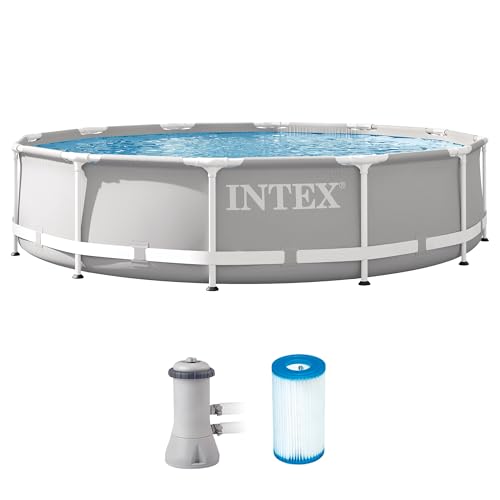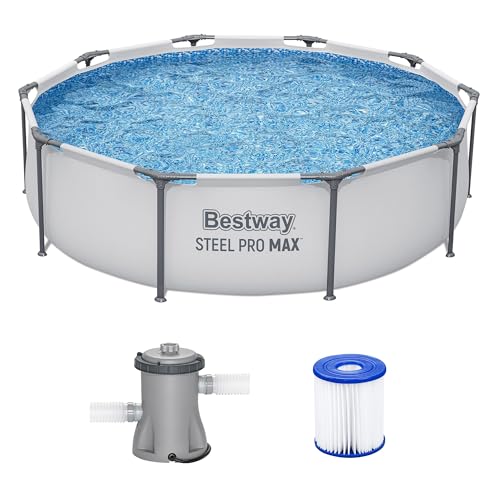
Disclosure: As an Amazon Associate, umtsmarttool.com earns from qualifying purchases. Links to Amazon on this page are affiliate links; they cost you nothing extra. Prices and availability change often, so check the current Amazon listing before you buy.
Where to buy
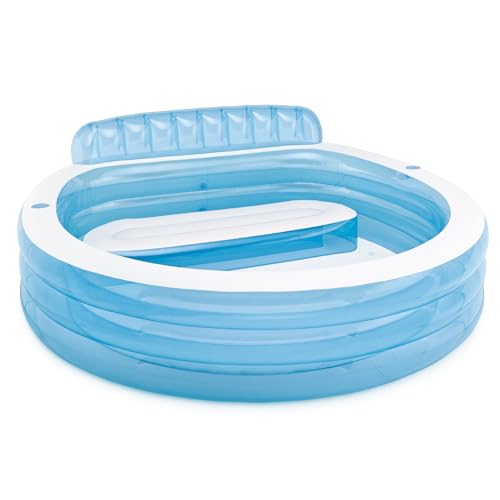
- Intex Swim Center Family Lounge Pool 57190EP — Check on Amazon
- Intex Swim Center Family Lounge Pool 56475EP — Check on Amazon
- Intex Easy Set Pool 28101EH 6ft x 20in — Check on Amazon
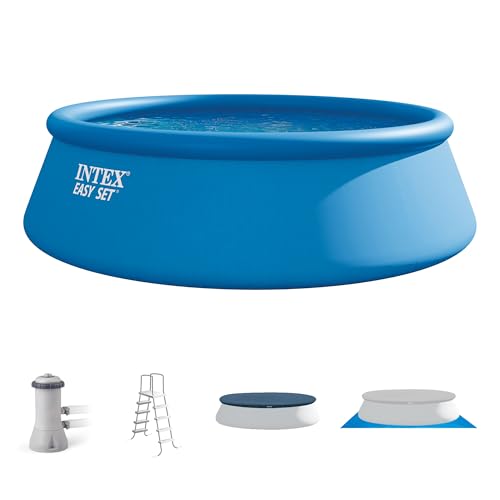
- Intex Easy Set Pool Set 28131EH 12ft x 30in — Check on Amazon
Read the full guide ↓
Key Takeaways
- Level ground and supervision come first
- Filtered and drain-and-refill pools suit different routines
- Verified sizes beat marketing photos
- Dry storage decides lifespan
In this guide
Inflatable Pool Buying Guide: The Complete Picture
This guide covers inflatable pool buying guide in full, from sizing and setup to water care and storage, so you can decide with verified facts rather than summer marketing. Whether your interest in inflatable pool buying guide comes from a first purchase, an upgrade, or a replacement for a punctured pool, the sections below work through the decision in order.
Most readers start from the main shortlist at Best Inflatable Pool Under $150 and then return here, and comparing Best Inflatable Pool For Beginners Under $150 alongside Best Inflatable Pool Under $75 sharpens the choice further.
Safety planning belongs in every inflatable pool buying guide decision. Constant adult supervision, a clear rule that nobody swims alone, and removing ladders or covering the pool between sessions all matter more than any single feature. Tall pools at 48 inches were part of a major industry recall discussion in 2025 around access risks, so follow the maker guidance for your exact model and keep access controlled whenever the pool is unattended.
Material thickness and chamber design shape durability for inflatable pool buying guide. Heavier gauge vinyl resists scuffs from patio surfaces and toy traffic, while separate air chambers mean a single slow leak does not collapse the whole wall at once. A ground cloth or interlocking foam tiles under the pool add puncture protection and make bare feet happier on hot paving.
Think honestly about who will use this inflatable pool buying guide most weeks. Toddlers need shallow water that warms fast and walls they cannot climb unexpectedly. Older children want depth and room to float. Adults often value a bench, a backrest and a cup holder more than extra diameter. Matching the pool to the real users prevents the common pattern of buying large, filling rarely, and resenting the maintenance.
Storage is the hidden cost of inflatable pool buying guide ownership. A pool that drains, dries fully, and folds into a garage shelf survives winter far better than one left damp in a shed corner. Rinse away grass and sunscreen residue, let every fold dry, and store the repair patch with the pool so a spring puncture does not end the season before it starts.
Sizing and Depth: Matching Water to Your Household
Sun position changes how a inflatable pool buying guide feels in use. Morning shade keeps water comfortable for toddlers, while afternoon sun warms a deeper pool that would otherwise feel brisk. Avoid placing any inflatable under trees that drop leaves, sap and insects into the water, and keep it clear of overhanging branches that could fall in a storm.
When you judge inflatable pool buying guide, start with the ground rather than the pool. A level patch of lawn or patio, cleared of stones, roots and sprinkler heads, decides whether any inflatable holds its shape through the season. Even a gentle slope concentrates water weight against the downhill wall, bows the ring, and shortens liner life, so time spent with a long board and a spirit level pays back every single week of use.
Water care separates a pleasant inflatable pool buying guide from a green disappointment. Unfiltered pools need draining and refilling on a short cycle, especially after hot days and heavy use by children. Filtered ring pools trade that labour for cartridge rinsing, skimming, and a simple test-strip routine. Neither approach is wrong, but buyers should choose the workload they will actually keep up in August, not the one that sounds fine in May.
Safety planning belongs in every inflatable pool buying guide decision. Constant adult supervision, a clear rule that nobody swims alone, and removing ladders or covering the pool between sessions all matter more than any single feature. Tall pools at 48 inches were part of a major industry recall discussion in 2025 around access risks, so follow the maker guidance for your exact model and keep access controlled whenever the pool is unattended.
Material thickness and chamber design shape durability for inflatable pool buying guide. Heavier gauge vinyl resists scuffs from patio surfaces and toy traffic, while separate air chambers mean a single slow leak does not collapse the whole wall at once. A ground cloth or interlocking foam tiles under the pool add puncture protection and make bare feet happier on hot paving.
Materials, Chambers and Build Quality
Filling time surprises many first-time owners of inflatable pool buying guide. A garden hose delivers a modest flow, so large ring pools can take many hours to fill and should be started early in the day while someone can watch the ring rise evenly. Small family pools fill quickly enough for a spontaneous afternoon, which is a genuine lifestyle advantage that specifications never capture.
Sun position changes how a inflatable pool buying guide feels in use. Morning shade keeps water comfortable for toddlers, while afternoon sun warms a deeper pool that would otherwise feel brisk. Avoid placing any inflatable under trees that drop leaves, sap and insects into the water, and keep it clear of overhanging branches that could fall in a storm.
When you judge inflatable pool buying guide, start with the ground rather than the pool. A level patch of lawn or patio, cleared of stones, roots and sprinkler heads, decides whether any inflatable holds its shape through the season. Even a gentle slope concentrates water weight against the downhill wall, bows the ring, and shortens liner life, so time spent with a long board and a spirit level pays back every single week of use.
Water care separates a pleasant inflatable pool buying guide from a green disappointment. Unfiltered pools need draining and refilling on a short cycle, especially after hot days and heavy use by children. Filtered ring pools trade that labour for cartridge rinsing, skimming, and a simple test-strip routine. Neither approach is wrong, but buyers should choose the workload they will actually keep up in August, not the one that sounds fine in May.
Safety planning belongs in every inflatable pool buying guide decision. Constant adult supervision, a clear rule that nobody swims alone, and removing ladders or covering the pool between sessions all matter more than any single feature. Tall pools at 48 inches were part of a major industry recall discussion in 2025 around access risks, so follow the maker guidance for your exact model and keep access controlled whenever the pool is unattended.
Setup Step by Step
Storage is the hidden cost of inflatable pool buying guide ownership. A pool that drains, dries fully, and folds into a garage shelf survives winter far better than one left damp in a shed corner. Rinse away grass and sunscreen residue, let every fold dry, and store the repair patch with the pool so a spring puncture does not end the season before it starts.
Filling time surprises many first-time owners of inflatable pool buying guide. A garden hose delivers a modest flow, so large ring pools can take many hours to fill and should be started early in the day while someone can watch the ring rise evenly. Small family pools fill quickly enough for a spontaneous afternoon, which is a genuine lifestyle advantage that specifications never capture.
Sun position changes how a inflatable pool buying guide feels in use. Morning shade keeps water comfortable for toddlers, while afternoon sun warms a deeper pool that would otherwise feel brisk. Avoid placing any inflatable under trees that drop leaves, sap and insects into the water, and keep it clear of overhanging branches that could fall in a storm.
When you judge inflatable pool buying guide, start with the ground rather than the pool. A level patch of lawn or patio, cleared of stones, roots and sprinkler heads, decides whether any inflatable holds its shape through the season. Even a gentle slope concentrates water weight against the downhill wall, bows the ring, and shortens liner life, so time spent with a long board and a spirit level pays back every single week of use.
Water care separates a pleasant inflatable pool buying guide from a green disappointment. Unfiltered pools need draining and refilling on a short cycle, especially after hot days and heavy use by children. Filtered ring pools trade that labour for cartridge rinsing, skimming, and a simple test-strip routine. Neither approach is wrong, but buyers should choose the workload they will actually keep up in August, not the one that sounds fine in May.
- Choose a level site away from sharp debris and overhanging branches.
- Lay a ground cloth and unfold the pool fully.
- Inflate each chamber or the top ring until firm but not drum-tight.
- Add a small amount of water and smooth floor wrinkles outward.
- Fill to the maker fill line and start filtration if fitted.
- Walk the perimeter and confirm the walls rise evenly.
Water Care Without the Guesswork
Think honestly about who will use this inflatable pool buying guide most weeks. Toddlers need shallow water that warms fast and walls they cannot climb unexpectedly. Older children want depth and room to float. Adults often value a bench, a backrest and a cup holder more than extra diameter. Matching the pool to the real users prevents the common pattern of buying large, filling rarely, and resenting the maintenance.
Storage is the hidden cost of inflatable pool buying guide ownership. A pool that drains, dries fully, and folds into a garage shelf survives winter far better than one left damp in a shed corner. Rinse away grass and sunscreen residue, let every fold dry, and store the repair patch with the pool so a spring puncture does not end the season before it starts.
Filling time surprises many first-time owners of inflatable pool buying guide. A garden hose delivers a modest flow, so large ring pools can take many hours to fill and should be started early in the day while someone can watch the ring rise evenly. Small family pools fill quickly enough for a spontaneous afternoon, which is a genuine lifestyle advantage that specifications never capture.
Sun position changes how a inflatable pool buying guide feels in use. Morning shade keeps water comfortable for toddlers, while afternoon sun warms a deeper pool that would otherwise feel brisk. Avoid placing any inflatable under trees that drop leaves, sap and insects into the water, and keep it clear of overhanging branches that could fall in a storm.
When you judge inflatable pool buying guide, start with the ground rather than the pool. A level patch of lawn or patio, cleared of stones, roots and sprinkler heads, decides whether any inflatable holds its shape through the season. Even a gentle slope concentrates water weight against the downhill wall, bows the ring, and shortens liner life, so time spent with a long board and a spirit level pays back every single week of use.
Problem: algae tint after a hot weekend → Fix: drain unfiltered pools, scrub with a soft brush, refill, and shorten the cycle in heat waves.
Problem: slow leak overnight → Fix: check valves first, then use soapy water on seams to locate the puncture and patch it dry.
Safety, Supervision and Access Control
Material thickness and chamber design shape durability for inflatable pool buying guide. Heavier gauge vinyl resists scuffs from patio surfaces and toy traffic, while separate air chambers mean a single slow leak does not collapse the whole wall at once. A ground cloth or interlocking foam tiles under the pool add puncture protection and make bare feet happier on hot paving.
Think honestly about who will use this inflatable pool buying guide most weeks. Toddlers need shallow water that warms fast and walls they cannot climb unexpectedly. Older children want depth and room to float. Adults often value a bench, a backrest and a cup holder more than extra diameter. Matching the pool to the real users prevents the common pattern of buying large, filling rarely, and resenting the maintenance.
Storage is the hidden cost of inflatable pool buying guide ownership. A pool that drains, dries fully, and folds into a garage shelf survives winter far better than one left damp in a shed corner. Rinse away grass and sunscreen residue, let every fold dry, and store the repair patch with the pool so a spring puncture does not end the season before it starts.
Filling time surprises many first-time owners of inflatable pool buying guide. A garden hose delivers a modest flow, so large ring pools can take many hours to fill and should be started early in the day while someone can watch the ring rise evenly. Small family pools fill quickly enough for a spontaneous afternoon, which is a genuine lifestyle advantage that specifications never capture.
Sun position changes how a inflatable pool buying guide feels in use. Morning shade keeps water comfortable for toddlers, while afternoon sun warms a deeper pool that would otherwise feel brisk. Avoid placing any inflatable under trees that drop leaves, sap and insects into the water, and keep it clear of overhanging branches that could fall in a storm.
Cleaning, Patching and Winter Storage
Safety planning belongs in every inflatable pool buying guide decision. Constant adult supervision, a clear rule that nobody swims alone, and removing ladders or covering the pool between sessions all matter more than any single feature. Tall pools at 48 inches were part of a major industry recall discussion in 2025 around access risks, so follow the maker guidance for your exact model and keep access controlled whenever the pool is unattended.
Material thickness and chamber design shape durability for inflatable pool buying guide. Heavier gauge vinyl resists scuffs from patio surfaces and toy traffic, while separate air chambers mean a single slow leak does not collapse the whole wall at once. A ground cloth or interlocking foam tiles under the pool add puncture protection and make bare feet happier on hot paving.
Think honestly about who will use this inflatable pool buying guide most weeks. Toddlers need shallow water that warms fast and walls they cannot climb unexpectedly. Older children want depth and room to float. Adults often value a bench, a backrest and a cup holder more than extra diameter. Matching the pool to the real users prevents the common pattern of buying large, filling rarely, and resenting the maintenance.
Storage is the hidden cost of inflatable pool buying guide ownership. A pool that drains, dries fully, and folds into a garage shelf survives winter far better than one left damp in a shed corner. Rinse away grass and sunscreen residue, let every fold dry, and store the repair patch with the pool so a spring puncture does not end the season before it starts.
Filling time surprises many first-time owners of inflatable pool buying guide. A garden hose delivers a modest flow, so large ring pools can take many hours to fill and should be started early in the day while someone can watch the ring rise evenly. Small family pools fill quickly enough for a spontaneous afternoon, which is a genuine lifestyle advantage that specifications never capture.
Gear that helps includes Intex Swim Center Family Lounge Pool 57190EP for lounge-style use and Intex Easy Set Pool Set 28131EH 12ft x 30in when a filter matters, both discussed in Best Inflatable Pool For Small Spaces Under $75.
Costs of Ownership in Plain Terms
Water care separates a pleasant inflatable pool buying guide from a green disappointment. Unfiltered pools need draining and refilling on a short cycle, especially after hot days and heavy use by children. Filtered ring pools trade that labour for cartridge rinsing, skimming, and a simple test-strip routine. Neither approach is wrong, but buyers should choose the workload they will actually keep up in August, not the one that sounds fine in May.
Safety planning belongs in every inflatable pool buying guide decision. Constant adult supervision, a clear rule that nobody swims alone, and removing ladders or covering the pool between sessions all matter more than any single feature. Tall pools at 48 inches were part of a major industry recall discussion in 2025 around access risks, so follow the maker guidance for your exact model and keep access controlled whenever the pool is unattended.
Material thickness and chamber design shape durability for inflatable pool buying guide. Heavier gauge vinyl resists scuffs from patio surfaces and toy traffic, while separate air chambers mean a single slow leak does not collapse the whole wall at once. A ground cloth or interlocking foam tiles under the pool add puncture protection and make bare feet happier on hot paving.
Think honestly about who will use this inflatable pool buying guide most weeks. Toddlers need shallow water that warms fast and walls they cannot climb unexpectedly. Older children want depth and room to float. Adults often value a bench, a backrest and a cup holder more than extra diameter. Matching the pool to the real users prevents the common pattern of buying large, filling rarely, and resenting the maintenance.
Storage is the hidden cost of inflatable pool buying guide ownership. A pool that drains, dries fully, and folds into a garage shelf survives winter far better than one left damp in a shed corner. Rinse away grass and sunscreen residue, let every fold dry, and store the repair patch with the pool so a spring puncture does not end the season before it starts.
Who This Suits and Who Should Look Elsewhere
When you judge inflatable pool buying guide, start with the ground rather than the pool. A level patch of lawn or patio, cleared of stones, roots and sprinkler heads, decides whether any inflatable holds its shape through the season. Even a gentle slope concentrates water weight against the downhill wall, bows the ring, and shortens liner life, so time spent with a long board and a spirit level pays back every single week of use.
Water care separates a pleasant inflatable pool buying guide from a green disappointment. Unfiltered pools need draining and refilling on a short cycle, especially after hot days and heavy use by children. Filtered ring pools trade that labour for cartridge rinsing, skimming, and a simple test-strip routine. Neither approach is wrong, but buyers should choose the workload they will actually keep up in August, not the one that sounds fine in May.
Safety planning belongs in every inflatable pool buying guide decision. Constant adult supervision, a clear rule that nobody swims alone, and removing ladders or covering the pool between sessions all matter more than any single feature. Tall pools at 48 inches were part of a major industry recall discussion in 2025 around access risks, so follow the maker guidance for your exact model and keep access controlled whenever the pool is unattended.
Material thickness and chamber design shape durability for inflatable pool buying guide. Heavier gauge vinyl resists scuffs from patio surfaces and toy traffic, while separate air chambers mean a single slow leak does not collapse the whole wall at once. A ground cloth or interlocking foam tiles under the pool add puncture protection and make bare feet happier on hot paving.
Think honestly about who will use this inflatable pool buying guide most weeks. Toddlers need shallow water that warms fast and walls they cannot climb unexpectedly. Older children want depth and room to float. Adults often value a bench, a backrest and a cup holder more than extra diameter. Matching the pool to the real users prevents the common pattern of buying large, filling rarely, and resenting the maintenance.
Strengths
Safety planning belongs in every inflatable pool buying guide decision. Constant adult supervision, a clear rule that nobody swims alone, and removing ladders or covering the pool between sessions all matter more than any single feature. Tall pools at 48 inches were part of a major industry recall discussion in 2025 around access risks, so follow the maker guidance for your exact model and keep access controlled whenever the pool is unattended.
Material thickness and chamber design shape durability for inflatable pool buying guide. Heavier gauge vinyl resists scuffs from patio surfaces and toy traffic, while separate air chambers mean a single slow leak does not collapse the whole wall at once. A ground cloth or interlocking foam tiles under the pool add puncture protection and make bare feet happier on hot paving.
Think honestly about who will use this inflatable pool buying guide most weeks. Toddlers need shallow water that warms fast and walls they cannot climb unexpectedly. Older children want depth and room to float. Adults often value a bench, a backrest and a cup holder more than extra diameter. Matching the pool to the real users prevents the common pattern of buying large, filling rarely, and resenting the maintenance.
Trade-offs
Think honestly about who will use this inflatable pool buying guide most weeks. Toddlers need shallow water that warms fast and walls they cannot climb unexpectedly. Older children want depth and room to float. Adults often value a bench, a backrest and a cup holder more than extra diameter. Matching the pool to the real users prevents the common pattern of buying large, filling rarely, and resenting the maintenance.
Storage is the hidden cost of inflatable pool buying guide ownership. A pool that drains, dries fully, and folds into a garage shelf survives winter far better than one left damp in a shed corner. Rinse away grass and sunscreen residue, let every fold dry, and store the repair patch with the pool so a spring puncture does not end the season before it starts.
Filling time surprises many first-time owners of inflatable pool buying guide. A garden hose delivers a modest flow, so large ring pools can take many hours to fill and should be started early in the day while someone can watch the ring rise evenly. Small family pools fill quickly enough for a spontaneous afternoon, which is a genuine lifestyle advantage that specifications never capture.
Best for: households wanting an affordable, storable summer pool / Not suited for: anyone wanting year-round permanent installation
For product-level detail, revisit Inflatable Pool Pros And Cons and Inflatable Pool Review before you order.
Frequently Asked Questions
Frequently Asked Questions
How long does an inflatable pool last?
With level setup, prompt patching and dry winter storage, a quality vinyl pool commonly serves several seasons. Sun, rough ground and damp storage shorten that span.
Can I leave an inflatable pool up all summer?
Filtered ring pools are designed for season-long setup with regular care. Lounge and kiddie pools are usually drained, dried and refilled on a short cycle instead.
Do I need a pump to inflate the pool?
An electric air pump makes inflation far easier for multi-chamber pools and top rings. Never use a high-pressure compressor, which can damage seams.
What goes under an inflatable pool?
A ground cloth, tarp or foam tiles on a level, debris-free surface protect the floor vinyl and improve comfort.
How do I fix a small puncture?
Clean and dry the area, apply the included repair patch with firm pressure, and let it cure as the maker directs before refilling.
How often should the water change?
Unfiltered pools need frequent draining in warm weather and after heavy use. Filtered pools follow cartridge care and testing instead.
Reading Maker Specifications Without Being Misled
Pool specifications reward a sceptical eye, because the same honest numbers can be presented in ways that flatter very different products. Dimensions are the first example. Inflated size describes the pool at its widest and tallest points, which for lounge pools includes backrests and wide top walls, so the actual water area is always smaller than the headline footprint suggests. When you plan a site, work from the inflated footprint for clearance, but judge swimming and splashing room by the inner water area, and be wary of any listing that never separates the two.
Capacity figures need the same care. Makers quote capacity at a stated fill height, often a few inches below the top of the wall, and that number drives everything from filling time to the weight your ground must support. Water is heavy in a way that surprises people every season: a few hundred gallons already amounts to well over a tonne once the pool itself is counted, which is why ground-level placement on solid, level earth or paving is the default advice, and why raised decks and balconies are unsuitable unless an engineer has rated the structure for the full filled load.
Vinyl gauge, where a maker states it, is a useful durability clue rather than a guarantee. Heavier gauge material resists scuffing and stretches less at the seams, but design matters alongside thickness: separate air chambers localise leaks, wide welded seams distribute stress, and a well-shaped wall sheds the small movements of bathers better than a taller, thinner one. Treat gauge as one input among several, and give extra weight to brands that publish full specifications at all, since that transparency usually reflects a mature product line with stocked spare parts behind it.
Pump ratings on filtered sets deserve a plain reading too. Flow figures describe the pump moving water through a clean cartridge under favourable conditions, and real circulation falls as the cartridge loads with debris, which is why rinsing and replacement schedules matter more than headline flow. A modest pump that runs for generous hours each day keeps water clearer than a stronger pump run briefly, and placing the pool within sensible reach of a suitable outdoor power supply, routed and protected as the maker directs, is part of the specification decision even though it never appears in the product table.
A Season-Long Care Calendar for Inflatable Pools
Good inflatable pool ownership runs on a calendar rather than on good intentions. In the first week of the season, the work is inspection: unfold the pool in daylight, inflate it before any water goes in, and look along every seam for scuffs, thin patches and valve damage left over from storage. A slow overnight air test at this stage, with the pool inflated and empty, reveals leaks while fixing them is still a dry, short job with a patch rather than a wet emergency in front of disappointed children.
Through the peak weeks, the rhythm settles into small daily and weekly habits. Skim leaves and insects each morning before the first swim, because debris that sinks becomes debris that feeds algae. Rinse swim toys that travel between the pool and the garden, and keep a simple rule that feet get a quick rinse on the way in, which cuts the grass and soil load more than any chemical routine. For filtered pools, rinse the cartridge on a fixed weekday so the job never depends on remembering, and keep a spare cartridge ready so a torn one never takes the pool out of service during a heat wave.
Water balance deserves a calm, regular approach. Test strips give a fast picture of sanitiser and pH, and small, measured adjustments beat large corrections made in a panic after the water has already turned. Unfiltered lounge and family pools follow a different logic: their water is a short-lived resource, drained and replaced on a cycle that shortens as temperatures and bather numbers rise. Trying to stretch unfiltered water far beyond its comfortable life is the false economy behind most green-pool stories, and it usually ends with a full scrub, a refill, and a lost weekend either way.
Late in the season, attention shifts to surfaces and storage preparation. Vinyl that has spent months in strong sun benefits from a thorough wash with mild soapy water and a soft cloth, which removes sunscreen film and algae residue before either can stain during storage. Check the drain plug threads and valve caps while the pool is still in use, because replacement small parts are far easier to source in season than in the first warm week of the following year, when every pool owner in the country has the same idea at the same time.
End-of-season work decides whether next summer starts with a swim or with a shopping trip. Drain the pool fully, open every valve, and let air and gravity do their slow work for a full day before folding anything. Wash, rinse and dry again, paying attention to the folds where damp hides longest. Fold loosely rather than creasing sharply along the same lines as last year, store indoors away from sharp tools and rodent access, and keep the repair patch, valve caps and any pump paperwork in a single labelled bag taped to the bundle. The extra hour spent here is the cheapest insurance in the whole ownership cycle, and it is the step experienced owners never skip. Readers planning the full routine alongside a new purchase will find the companion guidance in How To Set Up An Inflatable Pool worth reading before the first fill of the season.
When to Repair and When to Replace
Every inflatable pool eventually asks its owner a judgement question: patch once more, or replace? Small, clean punctures on flat panels are the easiest repairs in the category and, done on dry vinyl with proper surface preparation, routinely last the remaining life of the pool. Seam leaks are a different matter, because a seam that has begun to separate is under structural stress every hour the pool stands filled, and patches over working seams tend to lift. A pool with one seam failure may still serve after a careful repair, but a pool collecting seam failures in several places is telling you the material or the welds have reached their limit.
Valve problems sit between those extremes. A cap that no longer seals, a valve body with a slow hiss, or a cracked adaptor can often be solved with replacement parts where the maker stocks them, and these fixes are cheap relative to a new pool. Air chambers that lose firmness overnight without any findable leak usually point to a valve issue rather than invisible punctures, so test valves with soapy water before condemning the walls. Temperature also plays tricks here: air contracts as evenings cool, and a pool that feels slightly softer at dawn may simply be showing physics rather than damage, a distinction that saves many sound pools from unnecessary patching.
Material ageing sets the outer limit. Vinyl that has turned stiff, cloudy or sticky to the touch, that creases white along fold lines, or that smells strongly even after washing is material near the end of its flexible life, and repairs to such panels rarely hold under water pressure. At that point replacement is the safer and, across a season, the cheaper answer, and the shopping lessons from the old pool, its size, its care burden, the features your household genuinely used, become the specification for its successor. Carry those lessons into Inflatable Pool Buying Guide and the next purchase starts from experience rather than from a listing page.
Children change the calculation too, in the happiest way. A pool bought for toddlers becomes small surprisingly quickly, and a household that repairs faithfully may still replace on size alone as swimmers grow, passing the sound smaller pool to younger cousins rather than storing it indefinitely. Planning for that progression, buying sizes that suit the next two summers rather than the next five, and keeping pools clean and complete so they can be passed on, is part of owning this category well. The pool is a seasonal tool for family summers; judged on the summers it delivers, a well-chosen, well-kept inflatable earns its place many times over.
Accessories and Ground Protection That Actually Matter
Accessory marketing for inflatable pools runs far ahead of accessory usefulness, so it helps to rank extras by the problems they genuinely solve. Ground protection sits at the top of that ranking. A purpose-made ground cloth, a heavy tarp, or interlocking foam tiles all spread load, cushion the floor vinyl against small stones working up through soil, and make the pool floor noticeably kinder to knees and feet. On patios, foam tiles also soften the echoing slap of water against hard paving and protect the vinyl from abrasive concrete texture during the small movements a filled pool makes as people climb in and out.
Covers earn their place on any pool that stays filled between swims. A simple fitted cover keeps leaves, insects and wind-blown debris out of the water, slows evaporation during hot spells, and forms one layer of a sensible between-swims safety routine alongside supervision and controlled access. Solar covers add gentle surface warming on cooler days, which younger swimmers appreciate in deeper pools that otherwise take hours of sun to lose their morning chill. Whatever style you choose, a cover that fits properly and goes on easily will be used; an awkward one will live in the shed, so judge covers by handling as much as by material.
Maintenance basics form the third tier: a skimmer net sized to the pool, a soft brush that cannot scratch vinyl, test strips for filtered pools, and a repair kit that goes beyond the single small patch included in the box. A basic electric air pump transforms setup and pack-down for multi-chamber pools, turning an exhausting chore into a short supervised task, and a small wet-and-dry vacuum, where a household already owns one, makes short work of the last puddles that a drain plug never quite removes. None of these items is glamorous, and together they do more for a season of clear, puncture-free water than any novelty extra.
By contrast, treat novelty accessories with cheerful scepticism. Floating speakers, elaborate toy sets and decorative lighting can be fun, but hard plastic toys with sharp moulded edges are a genuine puncture risk against vinyl floors, and every extra object in the water is one more thing to clean, store and fish out before the cover goes on. Buy the protective and maintenance basics first, live with the pool for a few weeks, and let real use, rather than listing-page enthusiasm, tell you which extras your household would actually enjoy. For most families the shortlist stays short, and the pool itself does the entertaining.
One Last Check Before the First Fill
Before the first fill of any season, run one final circuit of the setup with fresh eyes. Walk the full perimeter and confirm the ground cloth extends beyond the walls on every side, check that each valve cap is seated and that chamber firmness feels even all the way around, and confirm the drain route will carry water away from the pool base, from garden beds and from any path where a large volume of water would cause damage or flooding. Place the skimmer, the towel rail and the supervision chair where they will actually be used rather than where they look tidy, because a pool area arranged around real behaviour is a pool area that stays safe and pleasant in the third month of summer, not just in the first week. Then fill, swim, and let the season begin on a setup that has earned your confidence.
Final Recommendation
Filling time surprises many first-time owners of inflatable pool buying guide. A garden hose delivers a modest flow, so large ring pools can take many hours to fill and should be started early in the day while someone can watch the ring rise evenly. Small family pools fill quickly enough for a spontaneous afternoon, which is a genuine lifestyle advantage that specifications never capture.
Sun position changes how a inflatable pool buying guide feels in use. Morning shade keeps water comfortable for toddlers, while afternoon sun warms a deeper pool that would otherwise feel brisk. Avoid placing any inflatable under trees that drop leaves, sap and insects into the water, and keep it clear of overhanging branches that could fall in a storm.
Weigh your yard, your youngest swimmer and your water-care routine, then choose from the verified shortlist in Best Inflatable Pool For Home Use Under $150.