Disclosure: As an Amazon Associate, umtsmarttool.com earns from qualifying purchases. Links to Amazon on this page are affiliate links; they cost you nothing extra. Prices and availability change often, so check the current Amazon listing before you buy.
Where to buy
This smoke detector vs carbon monoxide detector guide compares both sides head-to-head, using the worked examples listed here.
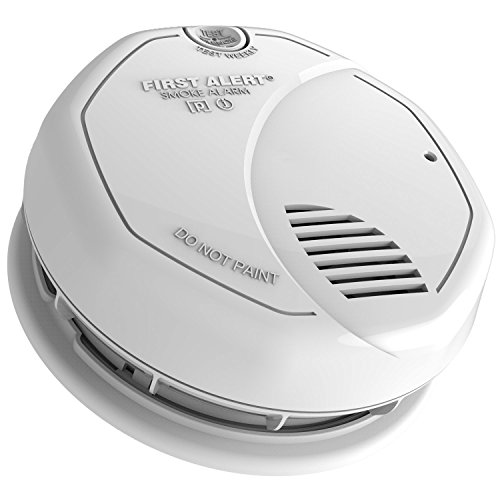
- First Alert SA3210 — check price on Amazon. Smoke-side worked example, dual-sensor model from the verified pool.
- First Alert PR710 — check price on Amazon. Smoke-side worked example, slim photoelectric model.
- First Alert CO710 — check price on Amazon. CO-side worked example with display, from the verified pool.
- Kidde Nighthawk KN-COPP-3 — check price on Amazon. CO-side worked example, plug-in model.
Read the full guide ↓
Smoke Detector Vs Carbon Monoxide Detector: The Short Answer First
This is the one comparison in this series where the answer is not either-or. The smoke detector vs carbon monoxide detector question matters because the two devices sense completely different dangers: one reacts to particles from fire, the other to an invisible, odourless gas produced by incomplete combustion. A home needs both kinds of protection, and this guide explains what each device does, where each belongs, and why combination units exist.
Nothing here replaces local building and fire codes, which set the actual requirements for your home. Treat this as plain-language orientation so you can shop and place devices sensibly, then follow the code and the manufacturer’s instructions for your address.
In this guide
Quick Verdict: Who Should Choose Which?
| Choose this | If this sounds like you |
|---|---|
| Smoke Detector | Choose a smoke detector for every required sleeping and living area — it is the fire warning layer, and it cannot detect carbon monoxide. |
| Carbon Monoxide Detector | Choose a carbon monoxide detector wherever fuel-burning appliances, fireplaces or attached garages create CO risk — it cannot detect smoke. Most homes need both, or listed combination units. |
When a renter with limits weighs smoke alarm against CO alarm, the the quick verdict question usually decides more than the headline specifications do, because daily life tests the quick verdict every single time the setup is used, in weather good and bad, with patience high or low, and with other household demands competing for the same hour and the same pair of hands.
Maintenance hides inside the quick verdict as well: whatever the smoke alarm asks of you on a schedule, and whatever the CO alarm asks instead, those small recurring tasks are the real price of ownership, paid in minutes across years, and they are worth listing on paper before the purchase rather than discovering them one damp chore at a time.
How a Smoke Detector Actually Works
A smoke detector senses airborne particles from combustion. Photoelectric sensors respond well to smouldering fires, ionisation sensors respond quickly to fast flaming fires, and dual-sensor or photoelectric models are common household choices. When triggered, the alarm sounds to wake occupants and start evacuation.
When a renter with limits weighs smoke alarm against CO alarm, the how the first option works in daily practice question usually decides more than the headline specifications do, because daily life tests how the first option works in daily practice every single time the setup is used, in weather good and bad, with patience high or low, and with other household demands competing for the same hour and the same pair of hands.
Resale and hand-me-down value follow how the first option works in daily practice too, since a well-kept smoke alarm finds a second home easily when its category stays in demand, and a well-kept CO alarm does the same, which quietly rewards buying the recognised names inside whichever camp you choose and keeping the manuals, chargers and accessories together in one labelled place.
How a Carbon Monoxide Detector Actually Works
A carbon monoxide detector senses CO gas accumulating in indoor air, using electrochemical or similar sensors that respond to concentration over time, mirroring how CO harms the body. It alarms before levels become dangerous for healthy adults, giving time to ventilate, leave and call for help.
Start the how the second option behaves once it is home comparison with the job in front of you rather than the showroom: a smoke alarm behaves one way when the task is small and forgiving, while a CO alarm shows its character when the task stretches longer, grows heavier, or has to be repeated for the tenth day running without anyone wanting to think about it or negotiate about whose turn it is.
Start the how the second option behaves once it is home comparison with the job in front of you rather than the showroom: a smoke alarm behaves one way when the task is small and forgiving, while a CO alarm shows its character when the task stretches longer, grows heavier, or has to be repeated for the tenth day running without anyone wanting to think about it or negotiate about whose turn it is.
Smoke Detector vs Carbon Monoxide Detector: Specification and Design Comparison
| Factor | Smoke Detector | Carbon Monoxide Detector |
|---|---|---|
| Danger sensed | Smoke particles from fire | Carbon monoxide gas |
| Can you sense it yourself? | Smoke is usually visible and smellable once large | CO is colourless and odourless — undetectable unaided |
| Typical sources | Any fire: kitchen, electrical, furnishings | Fuel-burning appliances, furnaces, fireplaces, vehicles in attached garages |
| Placement logic | Bedrooms, outside sleeping areas, every level, per code | Near sleeping areas and fuel-burning appliances, per code and manual |
| Sensor life | Whole alarm commonly replaced around 10 years | Whole alarm commonly replaced around 5–10 years per model |
| Response when it sounds | Evacuate, then call emergency services from outside | Leave for fresh air, then call emergency services; do not hunt for the source first |
| Combination units | Available — one device, both sensors | Available — check both sensor listings before relying on one box |
Why one cannot substitute for the other: Smoke Detector vs Carbon Monoxide Detector
On the smoke alarm side: A smoke alarm’s particle sensor simply has no mechanism to react to CO gas, so a home with only smoke alarms is blind to its furnace leaking CO all winter.
On the CO alarm side: A CO alarm has no smoke sensor, so a home with only CO alarms can fill with smoke from a smouldering sofa without a sound.
Households disagree about why one cannot substitute for the other more than they disagree about specifications, because one person’s acceptable routine is another person’s daily irritation, and the honest way through is to picture your own busiest week — not your calmest — and ask which of smoke alarm or CO alarm survives that week with the least friction and the fewest small negotiations at the end of long days.
Households disagree about why one cannot substitute for the other more than they disagree about specifications, because one person’s acceptable routine is another person’s daily irritation, and the honest way through is to picture your own busiest week — not your calmest — and ask which of smoke alarm or CO alarm survives that week with the least friction and the fewest small negotiations at the end of long days.
Placement differences that matter: Smoke Detector vs Carbon Monoxide Detector
On the smoke alarm side: Smoke rises and spreads along ceilings, which is why smoke alarms live high and in the code-specified rooms.
On the CO alarm side: CO mixes with air rather than pooling high or low, so CO alarms follow the manufacturer’s height guidance and sit near sleeping areas and appliance zones.
Start the placement differences that matter comparison with the job in front of you rather than the showroom: a smoke alarm behaves one way when the task is small and forgiving, while a CO alarm shows its character when the task stretches longer, grows heavier, or has to be repeated for the tenth day running without anyone wanting to think about it or negotiate about whose turn it is.
Start the placement differences that matter comparison with the job in front of you rather than the showroom: a smoke alarm behaves one way when the task is small and forgiving, while a CO alarm shows its character when the task stretches longer, grows heavier, or has to be repeated for the tenth day running without anyone wanting to think about it or negotiate about whose turn it is.
Interconnection and waking the house: Smoke Detector vs Carbon Monoxide Detector
On the smoke alarm side: Interconnected smoke alarms — when one sounds, all sound — are the modern standard because a basement fire must wake the second floor.
On the CO alarm side: Interconnected or combination systems extend the same logic to CO events, which matter most while everyone is asleep.
When a careful researcher weighs smoke alarm against CO alarm, the interconnection and waking the house question usually decides more than the headline specifications do, because daily life tests interconnection and waking the house every single time the setup is used, in weather good and bad, with patience high or low, and with other household demands competing for the same hour and the same pair of hands.
Maintenance hides inside interconnection and waking the house as well: whatever the smoke alarm asks of you on a schedule, and whatever the CO alarm asks instead, those small recurring tasks are the real price of ownership, paid in minutes across years, and they are worth listing on paper before the purchase rather than discovering them one damp chore at a time.
Maintenance rhythms: Smoke Detector vs Carbon Monoxide Detector
On the smoke alarm side: Both device types want regular test-button checks, gentle dusting, and replacement at their printed end-of-life dates rather than when they stop working.
On the CO alarm side: CO sensors age on a chemical clock even in clean air, so the replacement date deserves a calendar entry, not a guess.
Households disagree about maintenance rhythms more than they disagree about specifications, because one person’s acceptable routine is another person’s daily irritation, and the honest way through is to picture your own busiest week — not your calmest — and ask which of smoke alarm or CO alarm survives that week with the least friction and the fewest small negotiations at the end of long days.
Experienced owners talk about maintenance rhythms in practical terms — minutes saved, trips avoided, refills skipped, sore arms prevented — and on those measures the gap between smoke alarm and CO alarm widens or narrows depending on habits that no specification table can capture for you in advance of living with either one through a full season of ordinary, unphotogenic days.
Nuisance alarms and trust: Smoke Detector vs Carbon Monoxide Detector
On the smoke alarm side: Cooking steam and shower humidity are the classic smoke-alarm nuisances; placement away from kitchens and bathrooms, plus photoelectric sensors near cooking areas, preserves trust in the alarm.
On the CO alarm side: CO alarms placed too close to appliances can nuisance-trip; follow the manual’s distance guidance so a real event is never dismissed as another false one.
Households disagree about nuisance alarms and trust more than they disagree about specifications, because one person’s acceptable routine is another person’s daily irritation, and the honest way through is to picture your own busiest week — not your calmest — and ask which of smoke alarm or CO alarm survives that week with the least friction and the fewest small negotiations at the end of long days.
Start the nuisance alarms and trust comparison with the job in front of you rather than the showroom: a smoke alarm behaves one way when the task is small and forgiving, while a CO alarm shows its character when the task stretches longer, grows heavier, or has to be repeated for the tenth day running without anyone wanting to think about it or negotiate about whose turn it is.
Combination units, honestly assessed: Smoke Detector vs Carbon Monoxide Detector
On the smoke alarm side: A listed combination alarm genuinely covers both dangers in one ceiling footprint, which suits smaller homes and rentals.
On the CO alarm side: Separate dedicated units let you place each sensor in its ideal spot and replace each on its own schedule; neither approach is wrong when the listings are real.
Households disagree about combination units, honestly assessed more than they disagree about specifications, because one person’s acceptable routine is another person’s daily irritation, and the honest way through is to picture your own busiest week — not your calmest — and ask which of smoke alarm or CO alarm survives that week with the least friction and the fewest small negotiations at the end of long days.
When a first-time buyer weighs smoke alarm against CO alarm, the combination units, honestly assessed question usually decides more than the headline specifications do, because daily life tests combination units, honestly assessed every single time the setup is used, in weather good and bad, with patience high or low, and with other household demands competing for the same hour and the same pair of hands.
Worked Examples Worth Studying

First Alert SA3210 — a smoke alarm example
On the smoke alarm side of this smoke detector vs carbon monoxide detector comparison, First Alert SA3210 shows what the category looks like when it is done properly. Smoke-side worked example, dual-sensor model from the verified pool. Study its specification list against the criteria above: the figures a maker publishes proudly tell you where its design budget went, and the figures it whispers or omits tell you the rest of the story. Check price on Amazon before deciding, and compare it with the other examples here rather than treating any single model as the category itself.
Experienced owners talk about studying one concrete example in practical terms — minutes saved, trips avoided, refills skipped, sore arms prevented — and on those measures the gap between smoke alarm and CO alarm widens or narrows depending on habits that no specification table can capture for you in advance of living with either one through a full season of ordinary, unphotogenic days.

First Alert PR710 — a smoke alarm example
On the smoke alarm side of this smoke detector vs carbon monoxide detector comparison, First Alert PR710 shows what the category looks like when it is done properly. Smoke-side worked example, slim photoelectric model. Study its specification list against the criteria above: the figures a maker publishes proudly tell you where its design budget went, and the figures it whispers or omits tell you the rest of the story. Check price on Amazon before deciding, and compare it with the other examples here rather than treating any single model as the category itself.
Maintenance hides inside studying one concrete example as well: whatever the smoke alarm asks of you on a schedule, and whatever the CO alarm asks instead, those small recurring tasks are the real price of ownership, paid in minutes across years, and they are worth listing on paper before the purchase rather than discovering them one damp chore at a time.
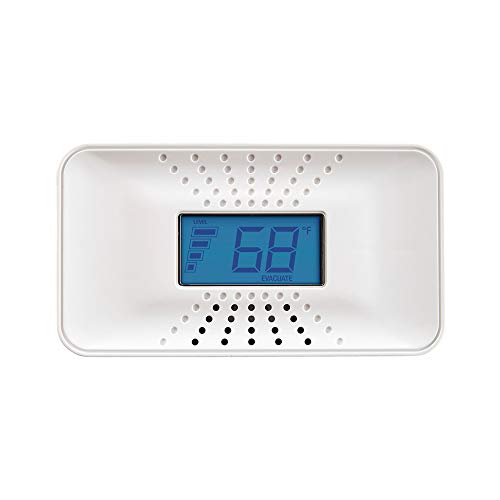
First Alert CO710 — a CO alarm example
On the CO alarm side of this smoke detector vs carbon monoxide detector comparison, First Alert CO710 shows what the category looks like when it is done properly. CO-side worked example with display, from the verified pool. Study its specification list against the criteria above: the figures a maker publishes proudly tell you where its design budget went, and the figures it whispers or omits tell you the rest of the story. Check price on Amazon before deciding, and compare it with the other examples here rather than treating any single model as the category itself.
Maintenance hides inside studying one concrete example as well: whatever the smoke alarm asks of you on a schedule, and whatever the CO alarm asks instead, those small recurring tasks are the real price of ownership, paid in minutes across years, and they are worth listing on paper before the purchase rather than discovering them one damp chore at a time.

Kidde Nighthawk KN-COPP-3 — a CO alarm example
On the CO alarm side of this smoke detector vs carbon monoxide detector comparison, Kidde Nighthawk KN-COPP-3 shows what the category looks like when it is done properly. CO-side worked example, plug-in model. Study its specification list against the criteria above: the figures a maker publishes proudly tell you where its design budget went, and the figures it whispers or omits tell you the rest of the story. Check price on Amazon before deciding, and compare it with the other examples here rather than treating any single model as the category itself.
When a gift buyer guessing bravely weighs smoke alarm against CO alarm, the studying one concrete example question usually decides more than the headline specifications do, because daily life tests studying one concrete example every single time the setup is used, in weather good and bad, with patience high or low, and with other household demands competing for the same hour and the same pair of hands.
Real-World Scenarios: Which One Wins Where?
A home with a gas furnace and fireplace
Smoke Detector: Smoke alarms cover the fire risk those appliances also carry.
Carbon Monoxide Detector: CO detection is essential here, not optional — combustion appliances are the primary household CO sources.
Budget interacts with this particular scenario quietly: spending more inside the smoke alarm camp usually buys refinement rather than a new category of ability, and the same holds inside the CO alarm camp, which means the category decision deserves your thinking first and the model decision deserves it second, in that order and not the reverse, however the adverts arrange them.
An all-electric flat with no garage
Smoke Detector: Fire remains a universal risk, so smoke alarms stay mandatory thinking.
Carbon Monoxide Detector: CO risk is lower without combustion sources, but codes may still require CO alarms, and neighbouring units’ appliances argue for having one.
When a busy parent weighs smoke alarm against CO alarm, the this particular scenario question usually decides more than the headline specifications do, because daily life tests this particular scenario every single time the setup is used, in weather good and bad, with patience high or low, and with other household demands competing for the same hour and the same pair of hands.
A house with an attached garage
Smoke Detector: Smoke alarms belong in the living spaces as always.
Carbon Monoxide Detector: A car warming up in the attached garage is a classic CO migration path into the home, making CO detection near the connecting door and bedrooms a priority.
Resale and hand-me-down value follow this particular scenario too, since a well-kept smoke alarm finds a second home easily when its category stays in demand, and a well-kept CO alarm does the same, which quietly rewards buying the recognised names inside whichever camp you choose and keeping the manuals, chargers and accessories together in one labelled place.
A rental property refresh
Smoke Detector: Replacing aged smoke alarms room by room is the visible half of the job.
Carbon Monoxide Detector: Checking CO coverage at the same visit completes it, and tenants should be shown the test buttons and end-of-life dates.
Experienced owners talk about this particular scenario in practical terms — minutes saved, trips avoided, refills skipped, sore arms prevented — and on those measures the gap between smoke alarm and CO alarm widens or narrows depending on habits that no specification table can capture for you in advance of living with either one through a full season of ordinary, unphotogenic days.
If You Already Own One of Them
If you already own smoke alarms, the CO layer is the gap to close: add CO coverage near bedrooms and combustion appliances, or choose listed combination units as each smoke alarm reaches its replacement date.
If you already own CO alarms, audit the smoke side with the same seriousness — check dates in every required room, because CO coverage does nothing for the far more common fire scenario.
Start the adding the second option later comparison with the job in front of you rather than the showroom: a smoke alarm behaves one way when the task is small and forgiving, while a CO alarm shows its character when the task stretches longer, grows heavier, or has to be repeated for the tenth day running without anyone wanting to think about it or negotiate about whose turn it is.
Start the adding the second option later comparison with the job in front of you rather than the showroom: a smoke alarm behaves one way when the task is small and forgiving, while a CO alarm shows its character when the task stretches longer, grows heavier, or has to be repeated for the tenth day running without anyone wanting to think about it or negotiate about whose turn it is.
Keep Researching: Related Guides
If this comparison narrowed the category but not the model, continue with the dedicated guides for each side, where individual products are ranked and specified in full: Best Smoke Detector For Home Use Under $30 Best Smoke Detector For Home Use Under $30; Best Carbon Monoxide Detector For Renters Under $30 Best Carbon Monoxide Detector For Renters Under $30; Best Security Safe For Home Use Under $30 Best Security Safe For Home Use Under $30; Best Fireproof Safe For Renters Under $30 Best Fireproof Safe For Renters Under $30. Those guides apply the same criteria used here, so the shortlists there and the verdicts here are designed to agree with each other.
Budget interacts with narrowing from category to model quietly: spending more inside the smoke alarm camp usually buys refinement rather than a new category of ability, and the same holds inside the CO alarm camp, which means the category decision deserves your thinking first and the model decision deserves it second, in that order and not the reverse, however the adverts arrange them.
Common Buying Mistakes
- Assuming a smoke alarm detects carbon monoxide, or the reverse — the most dangerous misconception in home safety.
- Removing a chirping alarm and meaning to replace it next week.
- Placing alarms by guesswork instead of the code and manual for your home.
Households disagree about avoiding the classic mistakes more than they disagree about specifications, because one person’s acceptable routine is another person’s daily irritation, and the honest way through is to picture your own busiest week — not your calmest — and ask which of smoke alarm or CO alarm survives that week with the least friction and the fewest small negotiations at the end of long days.
Experienced owners talk about avoiding the classic mistakes in practical terms — minutes saved, trips avoided, refills skipped, sore arms prevented — and on those measures the gap between smoke alarm and CO alarm widens or narrows depending on habits that no specification table can capture for you in advance of living with either one through a full season of ordinary, unphotogenic days.
Which Should You Buy: Smoke Detector Vs Carbon Monoxide Detector?
Best for: buyers who recognise themselves in the smoke alarm scenarios above. / Not suited for: buyers whose real life matches the other column.
Choose a smoke detector for every required sleeping and living area — it is the fire warning layer, and it cannot detect carbon monoxide.
Best for: buyers who recognise themselves in the CO alarm scenarios above. / Not suited for: buyers who would be paying for capability they never use.
Choose a carbon monoxide detector wherever fuel-burning appliances, fireplaces or attached garages create CO risk — it cannot detect smoke. Most homes need both, or listed combination units.
Budget interacts with making the final call quietly: spending more inside the smoke alarm camp usually buys refinement rather than a new category of ability, and the same holds inside the CO alarm camp, which means the category decision deserves your thinking first and the model decision deserves it second, in that order and not the reverse, however the adverts arrange them.
Households disagree about making the final call more than they disagree about specifications, because one person’s acceptable routine is another person’s daily irritation, and the honest way through is to picture your own busiest week — not your calmest — and ask which of smoke alarm or CO alarm survives that week with the least friction and the fewest small negotiations at the end of long days.
Frequently Asked Questions
Do I really need both if I buy a combination alarm?
A listed combination unit contains both sensors, so it covers both dangers where it is installed. The question becomes placement: one combination unit cannot be in the bedroom and beside the furnace at once, so most homes still use several units.
Where should CO detectors never be installed?
Follow the manual, but generally avoid placing them directly beside fuel-burning appliances, in very humid bathrooms, or in garages themselves, where readings mislead and sensors suffer. Near sleeping areas is the priority location.
How often should I test these alarms?
Manufacturers and fire services commonly advise testing monthly with the test button, keeping vents dust-free, and replacing the whole unit at its printed end-of-life date. Batteries in non-sealed models follow the maker’s schedule or the chirp’s warning — never ignore a chirp.
What should I do when a CO alarm sounds?
Move everyone to fresh air, then call emergency services or the fire department from outside or a neighbour’s home. Do not open windows and stay inside hunting for the source, and do not re-enter until professionals clear it.
What should I do when a smoke alarm sounds without visible fire?
Treat it as real until proven otherwise: get out, close doors behind you if safe, and call from outside. Smouldering fires inside walls or furniture can produce alarm-worthy smoke before flames show.
Can I disable an alarm that keeps chirping?
No — a chirp is the device reporting a low battery or end of life, and silencing it by removing the unit leaves the home unprotected. Replace the battery or the unit promptly instead, and never borrow an alarm’s battery for another gadget.
Final Recommendation
For the smoke alarm side, start your shortlist with First Alert SA3210; for the CO alarm side, start with First Alert CO710. Then re-read the criteria rounds with your own scenarios in hand. The smoke detector vs carbon monoxide detector question has no universal winner — it has a correct answer per household, and by now you know which household yours is. Check price on Amazon for the examples that fit, confirm the specification figures on the current listings, and buy the side of this comparison that your busiest week would choose.
Maintenance hides inside the final recommendation as well: whatever the smoke alarm asks of you on a schedule, and whatever the CO alarm asks instead, those small recurring tasks are the real price of ownership, paid in minutes across years, and they are worth listing on paper before the purchase rather than discovering them one damp chore at a time.
One More Consideration Before You Decide (1)
Resale and hand-me-down value follow the long-term ownership picture, angle 1 too, since a well-kept smoke alarm finds a second home easily when its category stays in demand, and a well-kept CO alarm does the same, which quietly rewards buying the recognised names inside whichever camp you choose and keeping the manuals, chargers and accessories together in one labelled place.
Maintenance hides inside the long-term ownership picture, angle 1 as well: whatever the smoke alarm asks of you on a schedule, and whatever the CO alarm asks instead, those small recurring tasks are the real price of ownership, paid in minutes across years, and they are worth listing on paper before the purchase rather than discovering them one damp chore at a time.
Households disagree about the long-term ownership picture, angle 1 more than they disagree about specifications, because one person’s acceptable routine is another person’s daily irritation, and the honest way through is to picture your own busiest week — not your calmest — and ask which of smoke alarm or CO alarm survives that week with the least friction and the fewest small negotiations at the end of long days.
One More Consideration Before You Decide (2)
Resale and hand-me-down value follow the long-term ownership picture, angle 2 too, since a well-kept smoke alarm finds a second home easily when its category stays in demand, and a well-kept CO alarm does the same, which quietly rewards buying the recognised names inside whichever camp you choose and keeping the manuals, chargers and accessories together in one labelled place.
Households disagree about the long-term ownership picture, angle 2 more than they disagree about specifications, because one person’s acceptable routine is another person’s daily irritation, and the honest way through is to picture your own busiest week — not your calmest — and ask which of smoke alarm or CO alarm survives that week with the least friction and the fewest small negotiations at the end of long days.
There is also a learning curve hiding inside the long-term ownership picture, angle 2: the first week with a smoke alarm feels different from the sixth month, and the same is true for a CO alarm, so judge both by the routine you will settle into rather than the novelty of the first afternoon, when everything still feels like an event worth narrating to whoever will listen.
One More Consideration Before You Decide (3)
When a homeowner planning ahead weighs smoke alarm against CO alarm, the the long-term ownership picture, angle 3 question usually decides more than the headline specifications do, because daily life tests the long-term ownership picture, angle 3 every single time the setup is used, in weather good and bad, with patience high or low, and with other household demands competing for the same hour and the same pair of hands.
When a gift buyer guessing bravely weighs smoke alarm against CO alarm, the the long-term ownership picture, angle 3 question usually decides more than the headline specifications do, because daily life tests the long-term ownership picture, angle 3 every single time the setup is used, in weather good and bad, with patience high or low, and with other household demands competing for the same hour and the same pair of hands.
Resale and hand-me-down value follow the long-term ownership picture, angle 3 too, since a well-kept smoke alarm finds a second home easily when its category stays in demand, and a well-kept CO alarm does the same, which quietly rewards buying the recognised names inside whichever camp you choose and keeping the manuals, chargers and accessories together in one labelled place.
One More Consideration Before You Decide (4)
Budget interacts with the long-term ownership picture, angle 4 quietly: spending more inside the smoke alarm camp usually buys refinement rather than a new category of ability, and the same holds inside the CO alarm camp, which means the category decision deserves your thinking first and the model decision deserves it second, in that order and not the reverse, however the adverts arrange them.
Start the the long-term ownership picture, angle 4 comparison with the job in front of you rather than the showroom: a smoke alarm behaves one way when the task is small and forgiving, while a CO alarm shows its character when the task stretches longer, grows heavier, or has to be repeated for the tenth day running without anyone wanting to think about it or negotiate about whose turn it is.
Start the the long-term ownership picture, angle 4 comparison with the job in front of you rather than the showroom: a smoke alarm behaves one way when the task is small and forgiving, while a CO alarm shows its character when the task stretches longer, grows heavier, or has to be repeated for the tenth day running without anyone wanting to think about it or negotiate about whose turn it is.
One More Consideration Before You Decide (5)
There is also a learning curve hiding inside the long-term ownership picture, angle 5: the first week with a smoke alarm feels different from the sixth month, and the same is true for a CO alarm, so judge both by the routine you will settle into rather than the novelty of the first afternoon, when everything still feels like an event worth narrating to whoever will listen.
Households disagree about the long-term ownership picture, angle 5 more than they disagree about specifications, because one person’s acceptable routine is another person’s daily irritation, and the honest way through is to picture your own busiest week — not your calmest — and ask which of smoke alarm or CO alarm survives that week with the least friction and the fewest small negotiations at the end of long days.
Budget interacts with the long-term ownership picture, angle 5 quietly: spending more inside the smoke alarm camp usually buys refinement rather than a new category of ability, and the same holds inside the CO alarm camp, which means the category decision deserves your thinking first and the model decision deserves it second, in that order and not the reverse, however the adverts arrange them.
One More Consideration Before You Decide (6)
Budget interacts with the long-term ownership picture, angle 6 quietly: spending more inside the smoke alarm camp usually buys refinement rather than a new category of ability, and the same holds inside the CO alarm camp, which means the category decision deserves your thinking first and the model decision deserves it second, in that order and not the reverse, however the adverts arrange them.
Resale and hand-me-down value follow the long-term ownership picture, angle 6 too, since a well-kept smoke alarm finds a second home easily when its category stays in demand, and a well-kept CO alarm does the same, which quietly rewards buying the recognised names inside whichever camp you choose and keeping the manuals, chargers and accessories together in one labelled place.
Resale and hand-me-down value follow the long-term ownership picture, angle 6 too, since a well-kept smoke alarm finds a second home easily when its category stays in demand, and a well-kept CO alarm does the same, which quietly rewards buying the recognised names inside whichever camp you choose and keeping the manuals, chargers and accessories together in one labelled place.
One More Consideration Before You Decide (7)
Budget interacts with the long-term ownership picture, angle 7 quietly: spending more inside the smoke alarm camp usually buys refinement rather than a new category of ability, and the same holds inside the CO alarm camp, which means the category decision deserves your thinking first and the model decision deserves it second, in that order and not the reverse, however the adverts arrange them.
When a gift buyer guessing bravely weighs smoke alarm against CO alarm, the the long-term ownership picture, angle 7 question usually decides more than the headline specifications do, because daily life tests the long-term ownership picture, angle 7 every single time the setup is used, in weather good and bad, with patience high or low, and with other household demands competing for the same hour and the same pair of hands.
Maintenance hides inside the long-term ownership picture, angle 7 as well: whatever the smoke alarm asks of you on a schedule, and whatever the CO alarm asks instead, those small recurring tasks are the real price of ownership, paid in minutes across years, and they are worth listing on paper before the purchase rather than discovering them one damp chore at a time.
One More Consideration Before You Decide (8)
Households disagree about the long-term ownership picture, angle 8 more than they disagree about specifications, because one person’s acceptable routine is another person’s daily irritation, and the honest way through is to picture your own busiest week — not your calmest — and ask which of smoke alarm or CO alarm survives that week with the least friction and the fewest small negotiations at the end of long days.
Resale and hand-me-down value follow the long-term ownership picture, angle 8 too, since a well-kept smoke alarm finds a second home easily when its category stays in demand, and a well-kept CO alarm does the same, which quietly rewards buying the recognised names inside whichever camp you choose and keeping the manuals, chargers and accessories together in one labelled place.
When a first-time buyer weighs smoke alarm against CO alarm, the the long-term ownership picture, angle 8 question usually decides more than the headline specifications do, because daily life tests the long-term ownership picture, angle 8 every single time the setup is used, in weather good and bad, with patience high or low, and with other household demands competing for the same hour and the same pair of hands.