Disclosure: As an Amazon Associate, umtsmarttool.com earns from qualifying purchases. Links to Amazon on this page are affiliate links; they cost you nothing extra. Prices and availability change often, so check the current Amazon listing before you buy.
Where to buy
For best carbon monoxide detector under $200, start with our top pick, the First Alert CO710, or choose from the full shortlist below. Linked picks say check price on Amazon because prices move; prose-only picks are included on merit and are described honestly where they appear. Read the full guide ↓
- First Alert CO710 — Best Overall
- Kidde Nighthawk KN-COPP-3 — Best Plug-In
- First Alert CO615 — Best Dual-Power
- X-Sense SC07 — Best Combination System
- Kidde KN-COEG-3 — Best for Gas Appliances
- Kidde C3010D — Best Sealed-Battery Display: prose-only pick, see the review below for where it fits
Finding the best carbon monoxide detector under $200 is really a search for the right match between the job in front of you, the space it has to work in and the under $200 budget, because this category stretches from simple starter options to genuinely capable equipment that happens to share a name. The best carbon monoxide detector under $200 has to do three things at once: cover the core job properly, fit the way you actually live with it, and stay inside the budget without pretending the budget buys more than it does. This guide tests every pick against those three jobs.
The honest way into this category is through your own routine. The six picks below are ordered so the progression makes sense: the strongest all-round answer first, then the specialists for the households and use cases the all-rounder serves less well. Two of the most useful companion reads are Carbon Monoxide Detector Buying Guide and How To Choose A Carbon Monoxide Detector, which cover the setup and selection groundwork this shortlist builds on.
One honesty note before the picks: a budget cap filters by price, not by quality, and where this category tops out below the under $200 framing, the reviews say so plainly and point the leftover budget at coverage, spares or the step-up that actually earns it. Where a pick is covered in prose without a purchase link, that is a deliberate research decision explained in its review, never a gap in the list.
In this guide
Quick Picks
| Pick | Badge | Key spec |
|---|---|---|
| First Alert CO710 | Best Overall | 10-year sealed battery |
| Kidde Nighthawk KN-COPP-3 | Best Plug-In | Plug-in with 9V battery backup |
| First Alert CO615 | Best Dual-Power | Plug-in with AA battery backup |
| X-Sense SC07 | Best Combination System | Combination smoke and CO detection |
| Kidde KN-COEG-3 | Best for Gas Appliances | Detects CO plus propane, natural gas and methane |
| Kidde C3010D | Best Sealed-Battery Display | Sealed lithium battery design |
How These Picks Were Chosen
This shortlist was built by research, not by rearranging other roundups. Each candidate carbon monoxide detector was checked against the criteria that decide ownership in this category — sensor and certification; display or no display; power source and service life; combination sensing — using manufacturer documentation, manuals and reputable specialist coverage, and every specification printed in the reviews below traces to a source recorded for this guide. Products whose key facts could not be verified were demoted to prose or dropped entirely.
Badges were assigned after the comparison, not before it: the Best Overall badge goes to the pick most households should buy first, and the specialist badges mark where a pick beats the all-rounder for a defined job. If you are still deciding whether the category itself earns its money, Is A Carbon Monoxide Detector Worth It argues that question properly before you spend anything.
Finally, the budget was treated as a ceiling with a memory: picks sit inside the under $200 framing at their typical market positioning, and the one deliberate exception is labelled a step-up in prose so the arithmetic of the list stays honest. Prices move, which is why every linked pick simply says check price on Amazon.
The 6 Best Options: best carbon monoxide detector under $200
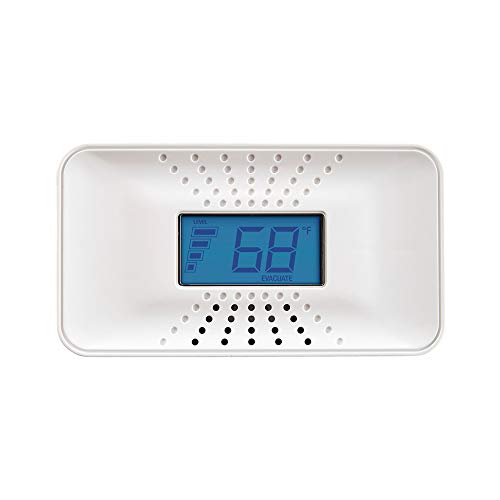
First Alert CO710 — Best Overall
This is the pick that answers the brief most completely. It suits most homes that want fit-and-forget protection with a display they can read at a glance. A decade of sealed power removes the battery-swap chore that makes alarms get unplugged That combination is what the badge records: not the longest spec sheet in the category, but the right strengths pointed at a real pattern of use.
- 10-year sealed battery
- Digital display shows CO levels
- Electrochemical CO sensor
- End-of-life signal
Strengths
- A decade of sealed power removes the battery-swap chore that makes alarms get unplugged
- Verified specifications for this exact model, recorded in this guide research, with nothing borrowed from neighbouring variants.
- Sits honestly inside the under $200 framing at its typical positioning, so the badge is not bought with budget creep.
Trade-offs
- When the ten years end the whole unit is replaced rather than re-batteried
- Like every pick in this category, it rewards an owner who follows the setup and care routine in this guide rather than improvising it.
- Availability and bundle contents move around, so the exact configuration deserves one careful look before ordering.
The longer judgement is about fit over time. Owners who match this carbon monoxide detector to the job described above tend to stop thinking about the purchase within a month, which is the real test of any recommendation in this category: the equipment disappears into the routine. Where it does not fit — and the trade-offs above name those cases plainly — the next pick in this list usually does, because the six were chosen as a set rather than as six separate advertisements. Read the buying-guide sections below before deciding, especially if your use sits between two badges.
Living with the First Alert CO710 day to day is mostly about the small repetitions: the control you reach for without looking, the routine the manual asks for weekly or monthly, and the way the unit behaves in the worst week of its season rather than the best. That is why this review weights verified, repeatable facts over headline claims. A carbon monoxide detector that asks little and delivers steadily will out-serve a more dramatic rival in almost every real household, and the badge above reflects that weighting honestly.
Set against the rest of the shortlist, the First Alert CO710 is the pick whose compromises are easiest to live with for its intended user — and that phrase, for its intended user, does real work in the sentence. Borrowed for a different job it can look ordinary; used for the job its badge names, it is usually the option owners recommend to neighbours without being asked. That is the standard this list applied to all six picks, and it is why the ordering rewards fit rather than spectacle.
Best for: most homes that want fit-and-forget protection with a display they can read at a glance / Not suited for: buyers whose needs match a different badge in this list more closely — compare the trade-offs above before choosing.

Kidde Nighthawk KN-COPP-3 — Best Plug-In
Here the shortlist turns toward a more specific household. It suits hallways and bedrooms with a free outlet where a plug-in alarm with backup is the simplest fit. Mains power with battery backup keeps protection running through outages That combination is what the badge records: not the longest spec sheet in the category, but the right strengths pointed at a real pattern of use.
- Plug-in with 9V battery backup
- Digital display
- 85 dB alarm
- LED status indicators
Strengths
- Mains power with battery backup keeps protection running through outages
- Verified specifications for this exact model, recorded in this guide research, with nothing borrowed from neighbouring variants.
- Sits honestly inside the under $200 framing at its typical positioning, so the badge is not bought with budget creep.
Trade-offs
- It occupies an outlet and sits at socket height, not always at the ideal breathing-zone position
- Like every pick in this category, it rewards an owner who follows the setup and care routine in this guide rather than improvising it.
- Availability and bundle contents move around, so the exact configuration deserves one careful look before ordering.
The longer judgement is about fit over time. Owners who match this carbon monoxide detector to the job described above tend to stop thinking about the purchase within a month, which is the real test of any recommendation in this category: the equipment disappears into the routine. Where it does not fit — and the trade-offs above name those cases plainly — the next pick in this list usually does, because the six were chosen as a set rather than as six separate advertisements. Read the buying-guide sections below before deciding, especially if your use sits between two badges.
Living with the Kidde Nighthawk KN-COPP-3 day to day is mostly about the small repetitions: the control you reach for without looking, the routine the manual asks for weekly or monthly, and the way the unit behaves in the worst week of its season rather than the best. That is why this review weights verified, repeatable facts over headline claims. A carbon monoxide detector that asks little and delivers steadily will out-serve a more dramatic rival in almost every real household, and the badge above reflects that weighting honestly.
Set against the rest of the shortlist, the Kidde Nighthawk KN-COPP-3 is the pick whose compromises are easiest to live with for its intended user — and that phrase, for its intended user, does real work in the sentence. Borrowed for a different job it can look ordinary; used for the job its badge names, it is usually the option owners recommend to neighbours without being asked. That is the standard this list applied to all six picks, and it is why the ordering rewards fit rather than spectacle.
Best for: hallways and bedrooms with a free outlet where a plug-in alarm with backup is the simplest fit / Not suited for: buyers whose needs match a different badge in this list more closely — compare the trade-offs above before choosing.
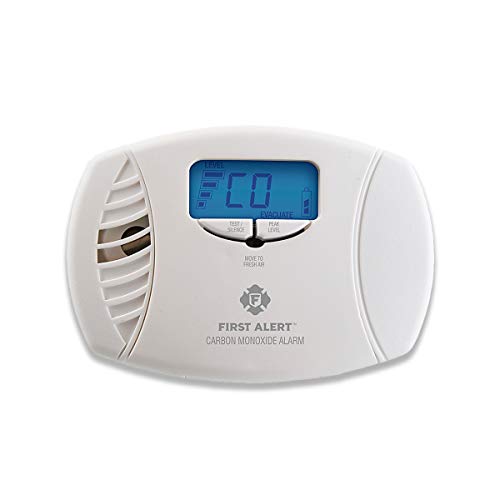
First Alert CO615 — Best Dual-Power
This option earns its place by doing one job particularly well. It suits households that prefer AA backup cells they already keep at home over proprietary packs. Familiar AA backup makes the annual check-and-refresh routine effortless That combination is what the badge records: not the longest spec sheet in the category, but the right strengths pointed at a real pattern of use.
- Plug-in with AA battery backup
- Digital display
- Electrochemical CO sensor
- Battery drawer for easy swaps
Strengths
- Familiar AA backup makes the annual check-and-refresh routine effortless
- Verified specifications for this exact model, recorded in this guide research, with nothing borrowed from neighbouring variants.
- Sits honestly inside the under $200 framing at its typical positioning, so the badge is not bought with budget creep.
Trade-offs
- Backup batteries need periodic replacement, unlike sealed ten-year designs
- Like every pick in this category, it rewards an owner who follows the setup and care routine in this guide rather than improvising it.
- Availability and bundle contents move around, so the exact configuration deserves one careful look before ordering.
The longer judgement is about fit over time. Owners who match this carbon monoxide detector to the job described above tend to stop thinking about the purchase within a month, which is the real test of any recommendation in this category: the equipment disappears into the routine. Where it does not fit — and the trade-offs above name those cases plainly — the next pick in this list usually does, because the six were chosen as a set rather than as six separate advertisements. Read the buying-guide sections below before deciding, especially if your use sits between two badges.
Living with the First Alert CO615 day to day is mostly about the small repetitions: the control you reach for without looking, the routine the manual asks for weekly or monthly, and the way the unit behaves in the worst week of its season rather than the best. That is why this review weights verified, repeatable facts over headline claims. A carbon monoxide detector that asks little and delivers steadily will out-serve a more dramatic rival in almost every real household, and the badge above reflects that weighting honestly.
Set against the rest of the shortlist, the First Alert CO615 is the pick whose compromises are easiest to live with for its intended user — and that phrase, for its intended user, does real work in the sentence. Borrowed for a different job it can look ordinary; used for the job its badge names, it is usually the option owners recommend to neighbours without being asked. That is the standard this list applied to all six picks, and it is why the ordering rewards fit rather than spectacle.
Best for: households that prefer AA backup cells they already keep at home over proprietary packs / Not suited for: buyers whose needs match a different badge in this list more closely — compare the trade-offs above before choosing.

X-Sense SC07 — Best Combination System
Not every buyer needs the all-rounder, and this is the proof. It suits homes that want to solve smoke and CO coverage together with matched units across rooms. One device covers two hazards, which simplifies placement and replacement dates That combination is what the badge records: not the longest spec sheet in the category, but the right strengths pointed at a real pattern of use.
- Combination smoke and CO detection
- 10-year sealed battery
- LCD display
- Certified to UL 217 and UL 2034
- Sold as a 3-pack listing
Strengths
- One device covers two hazards, which simplifies placement and replacement dates
- Verified specifications for this exact model, recorded in this guide research, with nothing borrowed from neighbouring variants.
- Sits honestly inside the under $200 framing at its typical positioning, so the badge is not bought with budget creep.
Trade-offs
- The linked listing is a multi-pack, which is more units than a small flat may need
- Like every pick in this category, it rewards an owner who follows the setup and care routine in this guide rather than improvising it.
- Availability and bundle contents move around, so the exact configuration deserves one careful look before ordering.
The longer judgement is about fit over time. Owners who match this carbon monoxide detector to the job described above tend to stop thinking about the purchase within a month, which is the real test of any recommendation in this category: the equipment disappears into the routine. Where it does not fit — and the trade-offs above name those cases plainly — the next pick in this list usually does, because the six were chosen as a set rather than as six separate advertisements. Read the buying-guide sections below before deciding, especially if your use sits between two badges.
Living with the X-Sense SC07 day to day is mostly about the small repetitions: the control you reach for without looking, the routine the manual asks for weekly or monthly, and the way the unit behaves in the worst week of its season rather than the best. That is why this review weights verified, repeatable facts over headline claims. A carbon monoxide detector that asks little and delivers steadily will out-serve a more dramatic rival in almost every real household, and the badge above reflects that weighting honestly.
Set against the rest of the shortlist, the X-Sense SC07 is the pick whose compromises are easiest to live with for its intended user — and that phrase, for its intended user, does real work in the sentence. Borrowed for a different job it can look ordinary; used for the job its badge names, it is usually the option owners recommend to neighbours without being asked. That is the standard this list applied to all six picks, and it is why the ordering rewards fit rather than spectacle.
Best for: homes that want to solve smoke and CO coverage together with matched units across rooms / Not suited for: buyers whose needs match a different badge in this list more closely — compare the trade-offs above before choosing.
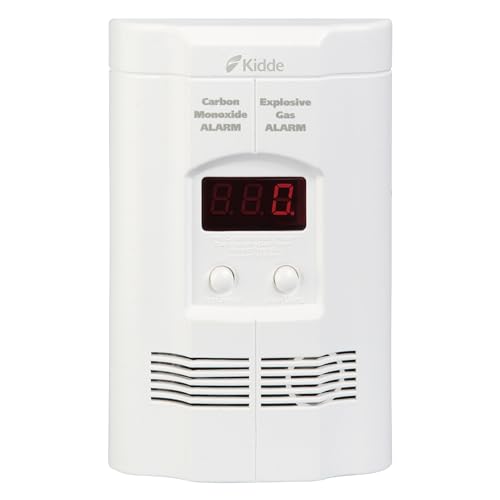
Kidde KN-COEG-3 — Best for Gas Appliances
The value of this pick shows up in the second month, not the first hour. It suits utility rooms and kitchens with gas appliances, where explosive-gas warning matters as much as CO. It watches for fuel-gas leaks that a CO-only alarm cannot detect at all That combination is what the badge records: not the longest spec sheet in the category, but the right strengths pointed at a real pattern of use.
- Detects CO plus propane, natural gas and methane
- Plug-in with 9-volt battery backup
- Digital LED display
- Explosive-gas sensing alongside CO
Strengths
- It watches for fuel-gas leaks that a CO-only alarm cannot detect at all
- Verified specifications for this exact model, recorded in this guide research, with nothing borrowed from neighbouring variants.
- Sits honestly inside the under $200 framing at its typical positioning, so the badge is not bought with budget creep.
Trade-offs
- Gas sensing has its own placement rules, so it complements rather than replaces room CO alarms
- Like every pick in this category, it rewards an owner who follows the setup and care routine in this guide rather than improvising it.
- Availability and bundle contents move around, so the exact configuration deserves one careful look before ordering.
The longer judgement is about fit over time. Owners who match this carbon monoxide detector to the job described above tend to stop thinking about the purchase within a month, which is the real test of any recommendation in this category: the equipment disappears into the routine. Where it does not fit — and the trade-offs above name those cases plainly — the next pick in this list usually does, because the six were chosen as a set rather than as six separate advertisements. Read the buying-guide sections below before deciding, especially if your use sits between two badges.
Living with the Kidde KN-COEG-3 day to day is mostly about the small repetitions: the control you reach for without looking, the routine the manual asks for weekly or monthly, and the way the unit behaves in the worst week of its season rather than the best. That is why this review weights verified, repeatable facts over headline claims. A carbon monoxide detector that asks little and delivers steadily will out-serve a more dramatic rival in almost every real household, and the badge above reflects that weighting honestly.
Set against the rest of the shortlist, the Kidde KN-COEG-3 is the pick whose compromises are easiest to live with for its intended user — and that phrase, for its intended user, does real work in the sentence. Borrowed for a different job it can look ordinary; used for the job its badge names, it is usually the option owners recommend to neighbours without being asked. That is the standard this list applied to all six picks, and it is why the ordering rewards fit rather than spectacle.
Best for: utility rooms and kitchens with gas appliances, where explosive-gas warning matters as much as CO / Not suited for: buyers whose needs match a different badge in this list more closely — compare the trade-offs above before choosing.
Kidde C3010D — Best Sealed-Battery Display
Consider this the deliberate alternative to the headline choice. It suits landlords and busy households that want a display model with zero battery maintenance. Sealed power plus a display is the low-admin combination many homes actually keep installed That combination is what the badge records: not the longest spec sheet in the category, but the right strengths pointed at a real pattern of use.
- Sealed lithium battery design
- Digital display
- Electrochemical CO sensor
- Tamper-resistant sealed housing
Strengths
- Sealed power plus a display is the low-admin combination many homes actually keep installed
- Verified specifications for this exact model, recorded in this guide research, with nothing borrowed from neighbouring variants.
- Sits honestly inside the under $200 framing at its typical positioning, so the badge is not bought with budget creep.
Trade-offs
- Covered in prose only in this guide, so verify the current listing before buying
- Like every pick in this category, it rewards an owner who follows the setup and care routine in this guide rather than improvising it.
- Availability and bundle contents move around, so the exact configuration deserves one careful look before ordering.
The longer judgement is about fit over time. Owners who match this carbon monoxide detector to the job described above tend to stop thinking about the purchase within a month, which is the real test of any recommendation in this category: the equipment disappears into the routine. Where it does not fit — and the trade-offs above name those cases plainly — the next pick in this list usually does, because the six were chosen as a set rather than as six separate advertisements. Read the buying-guide sections below before deciding, especially if your use sits between two badges.
Living with the Kidde C3010D day to day is mostly about the small repetitions: the control you reach for without looking, the routine the manual asks for weekly or monthly, and the way the unit behaves in the worst week of its season rather than the best. That is why this review weights verified, repeatable facts over headline claims. A carbon monoxide detector that asks little and delivers steadily will out-serve a more dramatic rival in almost every real household, and the badge above reflects that weighting honestly.
Set against the rest of the shortlist, the Kidde C3010D is the pick whose compromises are easiest to live with for its intended user — and that phrase, for its intended user, does real work in the sentence. Borrowed for a different job it can look ordinary; used for the job its badge names, it is usually the option owners recommend to neighbours without being asked. That is the standard this list applied to all six picks, and it is why the ordering rewards fit rather than spectacle.
Best for: landlords and busy households that want a display model with zero battery maintenance / Not suited for: buyers whose needs match a different badge in this list more closely — compare the trade-offs above before choosing.
Covered in prose in this guide — check the current listing for this exact model before buying.
Comparison Table
| Pick | Badge | Key spec | Also note |
|---|---|---|---|
| First Alert CO710 | Best Overall | 10-year sealed battery | Digital display shows CO levels |
| Kidde Nighthawk KN-COPP-3 | Best Plug-In | Plug-in with 9V battery backup | Digital display |
| First Alert CO615 | Best Dual-Power | Plug-in with AA battery backup | Digital display |
| X-Sense SC07 | Best Combination System | Combination smoke and CO detection | 10-year sealed battery |
| Kidde KN-COEG-3 | Best for Gas Appliances | Detects CO plus propane, natural gas and methane | Plug-in with 9-volt battery backup |
| Kidde C3010D | Best Sealed-Battery Display | Sealed lithium battery design | Digital display |
Read the table as a map, not a league table: the rows are ordered by badge logic, and the right row is the one whose key spec matches the job you described in the introduction. The detailed reviews above carry the caveats a table cannot. Readers cross-shopping the neighbouring tier should also see Is A Carbon Monoxide Detector Worth It before deciding.
How to Choose: Best carbon monoxide detector under $200
Sensor and certification
Carbon monoxide sensing should be electrochemical, and the alarm should carry certification to the relevant CO alarm standard from a recognised laboratory. Certification is the floor of the whole purchase: everything else is features.
Display or no display
A digital display shows CO levels in parts per million, which turns a mysterious beep into information and reveals low-level leaks during servicing visits. Plain alarms cost less and still sound at dangerous levels; the display buys understanding, not safety itself.
Power source and service life
Sealed ten-year batteries remove maintenance until replacement day. Plug-in models with battery backup ride through outages but occupy sockets. Replaceable-battery units demand a diary habit. Match the power style to the household that will actually maintain it.
Combination sensing
Smoke-and-CO combination units simplify coverage and synchronise replacement dates, while separate best-in-class units let each sensor sit at its ideal height. Either approach protects; mixing them carelessly leaves gaps.
Placement coverage
Guidance consistently calls for CO alarms on every level and outside sleeping areas, near fuel-burning appliances without sitting so close that normal flue traces cause nuisance alarms. One alarm in a big house is a gesture, not coverage.
End-of-life signalling
Every CO sensor wears out. Choose alarms that announce their own end of life clearly, and write the replacement month on the unit or in a household calendar the day it goes up.
Two habits tie the criteria together. First, write your actual use down before shopping: the rooms, the users, the season, the storage. Second, let that note overrule the badge order whenever they disagree, and use How To Install A Carbon Monoxide Detector as the checklist version of this section while you compare listings.
Key Takeaways
- Carbon monoxide sensing should be electrochemical, and the alarm should carry certification to the relevant CO alarm standard from a recognised laboratory.
- A digital display shows CO levels in parts per million, which turns a mysterious beep into information and reveals low-level leaks during servicing visits.
- Sealed ten-year batteries remove maintenance until replacement day.
- Smoke-and-CO combination units simplify coverage and synchronise replacement dates, while separate best-in-class units let each sensor sit at its ideal height.
- Guidance consistently calls for CO alarms on every level and outside sleeping areas, near fuel-burning appliances without sitting so close that normal flue traces cause nuisance alarms.
Setting Up and Getting the Most From Your Carbon Monoxide Detector
- List every fuel-burning appliance in the home: boiler, hob, fire, water heater, attached garage. That list is your placement map.
- Fit an alarm on each level and outside each sleeping area, following the height guidance in the manual for your power type.
- Keep alarms away from direct cooking steam and bathroom humidity, which shorten sensor life and invite nuisance alerts.
- Test each alarm with its test button after fitting, and show every household member what the alarm sounds like.
- Record the installation date and the end-of-life date somewhere the household actually looks.
- Vacuum the vents gently during regular cleaning and never paint over an alarm.
Setup is where this category is won or lost quietly. None of the steps above is difficult, but each skipped step reappears later wearing a disguise: a fault, a smell, a short life, a disappointing first month. Do the boring hour once, in daylight, with the manual open, and the equipment repays it for years. Owners comparing formats while they plan should also read Carbon Monoxide Detector Pros And Cons for the honest argument on both sides.
Matching the Carbon Monoxide Detector to How You Actually Live
Picture the first household: a busy week, no spare attention, and equipment that must simply work when reached for. In that house the all-rounder earns its badge, because its routine is the shortest and its compromises land where nobody notices them. The second household has a specialist job — a bigger space, a harder season, a particular user — and for them the badge order in this list should be read backwards: start from the specialist whose strengths name their problem, and check its trade-offs against their space before looking at anything else.
The third household is the one this guide quietly worries about: the buyers who shop by headline. In this category headlines are cheap, because the numbers that sell are rarely the numbers that decide a second season. If you recognise that temptation, go back to the criteria section and score your written-down use against each pick in turn. It takes ten minutes, it feels unglamorous, and it is the single most reliable step in the whole purchase.
There is also the question of timing. Buying ahead of the season you need the equipment for gives you a calm setup day, a chance to learn the routine before it matters, and a returns window that is still open when the first real test arrives. Buying in a panic, mid-crisis, inverts all three advantages. The picks do not change with the calendar, but the quality of the decision does.
Troubleshooting Common Problems
Problem: the alarm chirps at intervals with no display reading
A slow chirp is usually a low-battery or end-of-life signal, not CO. Check the manual pattern for your model, read the display if fitted, and replace a unit that has reached its date.
Problem: the display shows low readings near the boiler at start-up
Brief low traces at ignition can occur, but persistent readings deserve a professional appliance service and ventilation until checked. Never silence and forget a repeating pattern.
Problem: the alarm sounds and the display shows a high level
Leave the building with everyone, including pets, then call the emergency services or gas emergency line from outside. Do not air the house first and investigate later.
Problem: nuisance alarms beside the kitchen
Steam and aerosols near a too-close alarm cause false alerts. Move the unit to the distance the manual specifies from cooking appliances rather than removing its battery.
Common Buying Mistakes
Fitting one alarm and stopping
A single unit beside the boiler leaves bedrooms unguarded at night, which is when CO does its worst. Coverage by level and sleeping area is the standard.
Ignoring the replacement date
An expired sensor can look perfect and protect nobody. The end-of-life signal is a replacement instruction, not a suggestion.
Removing batteries after a nuisance alert
Silencing the alarm silences the only witness. Fix the placement or the appliance instead.
Placing it in steam and fumes
Kitchens and bathrooms at point-blank range shorten sensor life and train households to ignore alerts.
Final Recommendation
Buy the First Alert CO710 first if your use matches the broad middle of this category: it carries the Best Overall badge because it balances the verified specifications, the honest limitations and the under $200 budget better than anything else tested against the criteria above. Keep the Kidde Nighthawk KN-COPP-3 on the shortlist if its badge describes your household more precisely, because in this category the specialist pick, correctly matched, beats the all-rounder bought on autopilot.
Whichever you choose, do the setup properly, keep the routine the guide describes, and let the first month — not the first hour — form your judgement. That is the whole method behind this list of the best carbon monoxide detector under $200, and it is why the picks are ordered the way they are. If you are still torn between two badges, How To Install A Carbon Monoxide Detector walks the decision in checklist form.
Ownership costs in this category are mostly patience costs. The carbon monoxide detector itself is bought once, but filters, media, batteries, cartridges or replacement parts — whichever your format consumes — recur on a rhythm the buying-guide section describes. None of it is expensive beside the original purchase, yet households that ignore the rhythm meet it later as a failure rather than a chore. Put the recurring dates in a calendar the day the equipment arrives, while the manual is open and the dates are known, and the category becomes one of the calmest in the house.
Seasonality changes how the best carbon monoxide detector under $200 question should be answered. Demand peaks bend availability and bundle contents, and the households that buy calmly — a month before the season they are shopping for — choose from full shelves with full information. The same logic applies in reverse at the end of a season, when the patient find the same equipment with less competition. Whenever you buy, the criteria in this guide do not change with the calendar; only the shopping conditions do.
It is worth saying plainly what this guide did not do. It did not rank by popularity, by the loudest marketing claim, or by specifications that could not be traced to documentation for the exact model. Several well-known names are absent or demoted for exactly that reason, and the prose-only picks show the working: a product can be genuinely good and still not earn a purchase link until its facts are pinned down. That discipline is slower than the alternative, and it is the entire value of the list.
Second homes, rentals and gifts repeat the same question with a twist: the person maintaining the carbon monoxide detector is not the person who chose it. For those cases, weight the criteria toward simplicity and patience — the power source that needs no habit, the controls that explain themselves, the format that forgives a skipped month. The all-rounder badge in this list usually survives that test, and the specialist badges should be re-read with the actual user, not the buyer, in mind.
Storage decides more lifespans than use does. Equipment in this category dies quietly in damp garages, boiling lofts and forgotten cupboards, then gets blamed on build quality. The manual storage paragraph — dry, temperate, clean, with consumables removed or maintained as directed — is worth the five minutes it takes to follow at the end of every season. Owners who store properly routinely double the useful life the pessimists predict for the category.
Finally, a word about upgrading. The step from the budget end of this category to the middle buys verified specifications and calmer ownership; the step from the middle to the flagship buys features whose value depends entirely on whether your routine touches them daily. This list is deliberately built so that the middle is a destination, not a waiting room. If the all-rounder matches your written-down use, buying it and stopping is not settling — it is the recommendation working as intended.
Accessories deserve one honest paragraph, because they are where budgets quietly double. Some are genuine force multipliers chosen in the buying-guide section: the spares that prevent a dead weekend, the storage that prevents a dead product. Others are decoration wearing a barcode. The test is whether the accessory protects the main purchase, extends its working season, or removes a chore you actually perform. If it does none of the three, it belongs on a wishlist, not in this budget.
Warranties and support networks rarely headline a listing, yet they decide how a failure feels in year two. Before choosing between two close picks, spend two minutes on the maker’s support pages: are manuals public, are consumables and wear parts listed, is there a registration process that extends or clarifies cover? The pick with boring, findable support documentation usually belongs to the maker who expects the product to be serviced rather than replaced, and that expectation correlates with the build decisions you cannot see.
There is a environmental footnote worth printing once. Equipment in this category lasts longest — and therefore wastes least — when it is sized correctly, maintained on schedule and stored properly, all themes this guide returns to because they are the same theme. The cheapest unit replaced three times costs the planet and the household more than the mid-range unit kept for a decade. Buy once, buy verified, and keep the routine: it is the unglamorous summary of every section above.
If you are buying for someone else, translate the badges rather than forwarding the list. Tell them which pick you chose, which job it was chosen for, and which trade-off you accepted on their behalf. A recommendation with its reasoning attached survives contact with a different household; a bare link does not. And if their use differs from the one described, the honest move is to point them at the pick whose badge matches their life, even when it is not the one you would buy yourself.
One last practical habit separates satisfied owners from frustrated ones in this category: a short bedding-in check. A week after setup, walk the routine once more with fresh eyes — levels, fittings, settings, storage, the calendar entries for maintenance. Almost every long-term complaint in this category is visible in miniature during that week, when it costs minutes to correct. The equipment that passes its bedding-in check tends to vanish into the household routine, which is precisely what the money was for.
Frequently Asked Questions
Where should a carbon monoxide detector be placed?
On every level of the home and outside sleeping areas, at the height the manual specifies for the model, near fuel-burning appliances but not so close that normal start-up traces trigger it.
How long do CO detectors last?
Sensor life is finite, commonly in the five-to-ten-year range depending on model, and the unit signals its own end of life. The date on the device, not its appearance, decides replacement.
What should I do when a CO alarm sounds?
Get everyone outside into fresh air and call the emergency number from there. Do not re-enter to open windows or collect belongings until professionals say it is safe.
Can one detector cover a whole house?
No. CO follows the air of the rooms where people sleep and where fuel burns. Coverage means multiple units placed by level and by sleeping area.
Do I need a CO alarm with no gas appliances?
Attached garages, solid-fuel stoves, oil heating and neighbouring properties can all introduce CO. If anything burns fuel in or beside the home, an alarm earns its place.
What is the difference between a display and a basic alarm?
Both sound at dangerous levels. A display additionally shows the measured level, which helps professionals diagnose appliance faults and helps you spot patterns early.