Everyday carry knife brands rarely agree on what matters. Some focus on slim shapes, others on rugged locks or a low price, so the hype is easy to miss. The brands below have kept loyal followings through years of consistent designs.
Each brand is represented by one long-running model, so you can see what the company does best. Models change over time, so confirm current versions and steels on the listing. When you compare brands, look at the lock design, the pivot, the pocket clip and how the company supports its products. Warranty and replacement parts matter more than a flashy steel, especially if you carry a knife every day. Start with the model that matches the way you use a knife most. Remember that popularity can reflect marketing as well as quality, so read about the lock, the pivot and the handle comfort, and weigh those details above a famous logo. A well-made mid-range folder from any of these brands will usually outlast a flashy novelty. If you are unsure, buy the cheapest model that fits your hand and carry it for a month before spending more. That trial shows whether you prefer a thin blade, a heavier handle or a particular opening style, and it keeps you from paying for features you never touch. We have not used these products ourselves, so confirm sizes, materials and details on the current listing before buying.
As an Amazon Associate we earn from qualifying purchases. Links below are affiliate links, and they do not change the product information we give.
What to Look For
| Feature | Why it matters |
|---|---|
| Brand reputation | Long-running companies tend to offer better parts and support |
| Lock | Reliable locks hold under pressure and are easy to close |
| Blade steel | Mid-range steels balance sharpness and easy care |
| Carry | Pocket clips and slim profiles decide daily comfort |
| Value | Compare the model against the price you will pay |
In this guide
Specs at a Glance
| Brand and model | Style | Handle | Notes |
|---|---|---|---|
| Spyderco Delica 4 | Folding knife | FRN | Back lock; flat grind |
| Benchmade Bugout 535 | Folding knife | Grivory | Light; AXIS lock |
| Kershaw Leek | Assisted opener | Stainless | Slim; pocket friendly |
| Victorinox Classic SD | Multi-tool knife | Cellidor | Small and light |
| CRKT Squid | Small folder | Nylon or similar | Small and affordable |
| Civivi Elementum | Folding knife | G-10 or similar | Budget-friendly value brand |
The 6 Best EDC Knife Brands That Earn the Hype
Top pickBest for daily carry
1. Spyderco Delica 4
A pocket-friendly folder from a brand known for ergonomics and the signature round hole. The back lock and flat grind make it a long-time favorite.
Suits: daily carry. Strengths: comfortable grip and sharp slicing. Weaknesses: not the thinnest in the pocket. Skip it if you want an assisted opener.

Best for weight-conscious carry
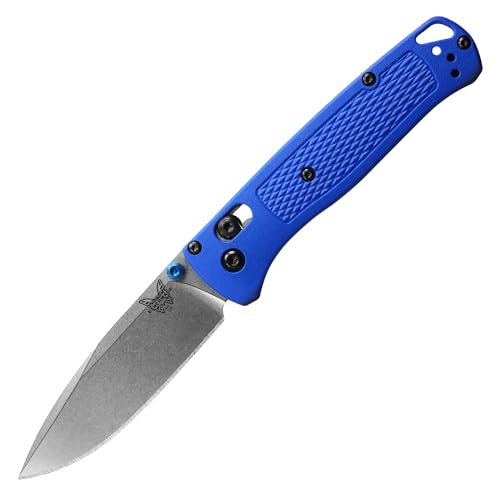
2. Benchmade Bugout 535
A light folder with a smooth deployment and a reliable lock. The brand is known for quality control and a lifetime service program.
Suits: weight-conscious carry. Strengths: very light weight and refined feel. Weaknesses: a premium cost. Skip it if you need a budget knife.

Best for office and urban carry
3. Kershaw Leek
A slim folder with a spring-assisted opener from a value-minded brand. It is thin, simple and easy to pocket.
Suits: office and urban carry. Strengths: slim profile and quick opening. Weaknesses: local laws on assisted openers vary. Skip it if you prefer a manual flick.

Best for light everyday tasks
4. Victorinox Swiss Army Classic SD
A tiny Swiss Army knife with a small blade, scissors and more. The brand’s reliability is known worldwide.
Suits: light everyday tasks. Strengths: very small and well-built. Weaknesses: small blade for tougher cutting. Skip it if you want a full-size blade.
Best for budget shoppers
5. CRKT Squid
A small folder from a brand known for creative designs. It is a pocket-friendly choice with an easy price.
Suits: budget shoppers. Strengths: simple and light. Weaknesses: basic materials. Skip it if you want a premium steel.

Best for design fans
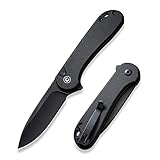
6. Civivi Elementum
A compact folding knife from a newer value brand that has built a following for clean designs. It brings good looks at an accessible cost.
Suits: design fans. Strengths: attractive finish and value. Weaknesses: less long-term track record. Skip it if you prefer an old-guard brand.
Care and Setup
- Wipe the blade clean after use.
- Oil the pivot occasionally.
- Keep the pocket clip screws tight.
- Sharpen with a fine stone or guided system.
- Store the knife dry.
Mistakes to Avoid
- Choosing a brand for hype alone.
- Ignoring local knife laws.
- Using a small folder for prying.
- Forgetting to check the lock.
- Buying too many brands before knowing what you like.
Separating Reputation From Marketing
A brand earns real trust through things you can check, not through loud advertising or a famous name on a blade. Start with how long the company has made the same kinds of knives and whether older models can still be serviced or replaced. A brand that keeps parts available and answers warranty questions in a straightforward way is worth more over years of carry than one that simply releases a steady stream of limited editions.
Look at how owners talk about problems. Every maker has occasional defects, so the question is how the company responds: does it repair, replace or ignore? Read the warranty terms on the maker’s own site, noting what is covered, whether normal wear is excluded, and whether you have to pay for shipping. Warranty language varies a lot, and the details matter more than a headline promise.
Be wary of hype that comes from scarcity or collaboration branding. A knife with a special color or a limited run can cost more without cutting any better. Conversely, a plain model that has been in production for a long time often reflects years of small refinements, and its flaws are well known and documented.
It also helps to separate brand from model. A company can make an excellent budget folder and a mediocre premium one, or the reverse. When a friend raves about a brand, ask which specific knife they carry and how long they have used it, then judge that model rather than the logo. Treat every claim about steel or strength as the maker’s own until you have handled the knife yourself.
What Each Brand Style Tends to Optimize
Companies develop house habits, and knowing them helps you shortlist. Some focus on ergonomics and slicing geometry, producing handles that fill the hand and thin grinds that cut cleanly. Others emphasize refined mechanisms, with smooth openings, tight tolerances and light handles. Value-minded makers lean on simple designs and assisted openers to keep costs low, while traditional makers stick to multi-tool or slip-joint patterns that have barely changed in decades.
A newer value brand may offer attractive finishes, good materials and clean lines at an accessible cost, though its long-term track record is shorter. An older brand may offer a larger service network and years of user feedback. Neither is automatically better; they are answering different questions about risk and budget.
Think about the trade-offs in your own carry. A slim assisted opener suits office life but may be restricted where you live. A light premium folder suits someone who counts grams and wants smooth action. A tiny multi-tool knife suits light tasks and shares space with scissors, a file and tweezers, but its blade is small for tougher cutting.
When you read marketing language, translate it into features you can verify: lock type, blade length, steel name, handle material, clip position, and weight. If a listing is vague about those, check another source or the maker’s page. The goal is a knife whose strengths match your tasks, not a brand that matches your self-image.
Locks, Pivots and Fit-and-Finish Checks
Regardless of brand, a few physical checks reveal how well a folder was made. Open and close it several times and notice whether the blade runs smoothly and centered. A blade that rubs one side of the handle, wobbles side to side when open, or catches on the way out suggests poor pivot adjustment. Many knives allow you to tune the pivot screw, but a knife that needs repeated tuning is a poor sign.
Test the lock carefully. With the blade open and your fingers clear of the edge, apply gentle pressure toward the closing direction to see whether it holds without shifting. Check that the lock is easy to disengage with a thumb and finger without putting a hand in front of the edge. Different lock types, such as back locks, liner locks and axis-style locks, all work when properly made, so the lock’s quality matters more than its name.
Look at the edge alignment, the grind symmetry and the gap between blade and handle when closed. Handle scales should sit flush with no sharp edges, and the pocket clip should hold firmly without scratching or tearing fabric. Screws should be snug, and some makers apply thread locker to keep them that way.
If you are buying online, check the return policy so you can handle the knife at home. Perform a quick inspection immediately, and return it if the lock fails, the blade rubs, or the edge arrives damaged. A good brand will handle genuine defects without a fuss.
Matching a Brand to Your Budget and Carry Habits
Instead of asking which brand is best, ask which tier fits how you will use the knife. At the entry level, you can find folders with decent steels and simple, dependable mechanisms. They may use less refined materials or looser tolerances, but for office, kitchen and box-opening tasks they are often enough. Mid-range knives typically improve handle materials, blade steels and fit, and are a sensible place for most daily carriers to land.
Premium knives are worth considering if you carry daily and care about weight, action and long-term support. They can also be a way to buy once rather than repeatedly replacing cheaper knives, provided you actually use the features you are paying for. If you drop knives often or lose them, a lower-cost model reduces the sting.
Consider your setup too. If your job restricts blade length or lock types, check those rules before falling for a particular model. If you want to share a knife with a partner or a child, a modest, simple design is easier to live with.
Before committing to a brand, try one inexpensive model and learn your preferences: blade length, handle shape, clip carry and opening style. Many people find that after a few weeks they know exactly what to look for. Then you can spend more selectively on the features that matter to you, rather than on a name.
Longevity, Resale and When to Move On
A well-chosen knife should last for years, but only if you maintain it. Wipe the blade dry after use, remove lint from the pivot area, add a drop of suitable oil now and then, and tighten loose screws. Sharpen with a consistent method rather than waiting until the edge is badly worn. Simple habits can extend life more than choosing a more expensive brand.
Think about resale if you like to try different models. Knives from well-known makers with a long history often have a ready market of buyers, while obscure ones can be harder to move. Keep boxes, papers and any accessories if you might sell later, and keep the blade clean and free of heavy scratches.
Signs it is time to replace or send in a knife include a lock that slips under light pressure, a blade with side play that cannot be tuned away, a cracked handle or deep pitting at the edge. A lock failure is a safety issue, so stop using the knife immediately and contact the maker, since warranty support may cover it.
Also consider whether your needs have changed. A knife that suited a desk job may feel too small after a move to outdoor work. It is fine to own more than one, and to keep the old one for a specific job. The best brand for you is the one whose knife you actually carry and maintain.
EDC Knife Brands That Earn the Hype FAQ
Which brand is best for beginners?
Spyderco and Kershaw have models that are easy to like and easy to use.
Is an expensive brand worth it?
Sometimes. Better materials and support add value, but a mid-range knife is enough for most tasks.
What steel should I look for?
A mid-range stainless is a safe first choice.
How do I choose a lock?
Back locks and liner locks are common. Try them when you can.
Does a famous brand guarantee a better knife?
No. Brands make a range of models at different quality levels, and a famous name does not guarantee that every model suits you. Judge the specific knife by its lock, fit and finish and by how well the maker supports it.
How important is the warranty?
It matters a lot for a tool you use daily. Read what is covered, what counts as normal wear and who pays for shipping. Terms differ between makers, so check the maker's own page.
Is a newer value brand risky?
It can be a good deal, but a shorter track record means less long-term feedback on durability and support. Check the return policy and test the knife promptly after it arrives.
What should I check first when a knife arrives?
Open and close it several times, test the lock gently, and look for blade rub, side play and edge damage. Return it promptly if you find a defect.
Should I buy the same brand for all my knives?
Not necessarily. Choose each knife for its job. It can help to stay with a brand whose handle shape and support you like, but there is no need for loyalty.
Are limited editions worth the extra cost?
Usually they pay for color, materials or collaboration rather than better cutting. If you simply want a user knife, the regular production model is often the better choice.
How do I know when to stop carrying a knife?
Stop if the lock slips, the blade wobbles badly or the handle cracks. Contact the maker about repair or replacement before using it again.
Reading a Brand by Its Support, Not Its Fans
A knife brand earns long-term trust through what happens after the sale. Fans praise a favorite model, but the more useful question is how the maker handles problems. Look for a stated warranty, a clear process for sharpening or repair, and availability of replacement parts such as pocket clips, screws, and scales. A brand that sells spare parts and publishes assembly guides assumes you will keep using the knife for years.
Pay attention to how a company describes its materials. Specific steel names and heat-treatment notes suggest openness, while vague terms such as premium steel tell you little. Reputable makers usually list blade steel, handle material, lock type, closed length, and weight. If a product page leaves out these basics, ask whether the omission is a warning sign.
Community reputation helps, but weigh it carefully. Forums can be enthusiastic and also biased toward whatever is fashionable. Look for repeated reports of the same issue, such as lock slip, blade play, or poor edge retention, across different owners and over time. A single complaint is a data point; many consistent ones are a pattern.
Design Philosophy: Slim Carry, Rugged Use and Tool Kits
Brands tend to specialize. Some focus on thin, lightweight folders that disappear in a pocket. Others design bulkier knives with stronger locks and thicker blades meant for harder work. A third group builds multi-tool pocket knives that trade blade strength for added functions such as scissors or a screwdriver. Knowing which philosophy a brand follows helps you decide whether its knives will suit your day.
Slim designs generally cut paper, open boxes, and prepare food without trouble, and they are comfortable at an office. Heavier designs are better for repeated cutting and rough materials, but they are more noticeable in a pocket. A multi-tool knife is handy for small repairs, though the blade may be thinner and the tools may be less comfortable to use than dedicated ones.
- Office and city: look for slim profiles, a modest blade length, and a clip that holds the knife flat.
- Outdoor and workshop: prefer sturdier locks, thicker blade stock, and a handle with good grip.
- Travel and light tasks: a compact tool-style knife or small folder, subject to local carry rules.
Regional Law and Workplace Rules
Brand reputation means nothing if the knife cannot be carried where you go. Laws vary by country, state, and city, and they often depend on blade length, opening method, and lock type. Some places restrict automatic or assisted-opening knives, while others limit blade length. Workplaces, schools, courthouses, and airports have their own rules. Check local regulations before you buy and before you carry.
When in doubt, choose a smaller knife with a plain opening method. A modest blade length with a manual thumb stud or hole is accepted in more places than a large knife with an assisted opener. Keep the knife in a pocket or on a clip, not loose in a bag where it can be mistaken for something else. If you travel, pack it in checked luggage when required.
Also think about etiquette. A knife that is discreet in a meeting or at a restaurant draws less attention. Opening a knife in public can make people uncomfortable, so use it respectfully and put it away when you are done.
Sharpening Ecosystems and Ongoing Costs
Every knife dulls, so the cost of keeping it sharp is part of ownership. Some brands sell their own sharpeners and publish blade angles, which makes home maintenance easier. Others rely on standard angles that work with common stones, ceramic rods, or guided systems. Consider whether the steel is easy to sharpen: softer steels take an edge quickly but need it more often, while harder steels hold an edge longer but take more effort to restore.
Budget for a basic sharpener and a few accessories, such as a spare clip or a small bottle of oil. For many owners, a pocket sharpener and occasional stropping are all they need. If you prefer not to sharpen at home, look at whether the maker or a local shop offers sharpening service.
Finally, think about resale. Well-known brands tend to hold value better, especially discontinued or limited models, but you should not buy a knife for investment. Buy it for use, and treat any resale value as a bonus.
A last practical test is to ask what you would do if the knife failed in a year. With a maker that answers email, sells parts, and has a repair process, the answer is easy. With a brand that has no clear support page, a problem means replacing the knife. That difference is worth a few dollars at purchase, especially for a tool you will use every day. It is also worth reading how each company handles returns through its dealers, since a short return window can matter if you find a problem such as blade play or a gritty pivot only after a week of carry.
Finally, avoid treating any brand as a guarantee. Even respected makers have an occasional weak model or a bad batch, and a smaller company can produce an excellent design. Judge the specific knife in front of you, using the listing details, owner reports, and the maker support policy together.
Frequently Asked Questions
Do EDC knife brands offer lifetime warranties?
Many makers offer some form of warranty, but terms differ. Some cover manufacturing defects only, while others add repair services. Wear, misuse, and modifications are usually excluded. Read the warranty page for the exact brand before buying, and keep your receipt or order record in case you need to make a claim.
Are cheaper EDC knife brands worth buying?
They can be, especially for beginners or for a knife you expect to lose or abuse. Budget brands have improved in recent years, but fit and finish, lock reliability, and customer support can vary. Read owner reports and check the warranty, then choose the model that suits your needs.
How do I tell if an EDC knife is a counterfeit?
Buy from the maker or an authorized dealer, because knockoffs often appear on marketplaces at suspiciously low prices. Compare logos, markings, and packaging to the official product page, and look for rough finishing. If a deal seems too good to be true, it probably is.
Is it better to carry one knife or several?
One reliable knife is enough for most people. A second knife can make sense if you need a different tool, such as a small one for the office and a sturdier one for outdoor work. Remember to follow local rules for each knife you carry.
The Short Version
For ergonomics, Spyderco. For premium refinement, Benchmade. For slim value, Kershaw. For classic utility, Victorinox. For small and playful, CRKT. For modern value, Civivi.