Not every folding knife needs to be a modern tactical design. Many people prefer a classic pocket knife or a Swiss Army style folder for kitchen tasks, whittling, gardening and general chores. The best folding knives for this kind of use are comfortable, easy to maintain and made by makers with a long track record.
The six below lean toward traditional and general-purpose folders: a multi-tool Swiss Army knife, American stockman and trapper patterns and a few well-regarded modern folders. We have not used these products ourselves. Details change between listings and versions, so confirm blade steel, size and what is included on the current listing before you buy.
As an Amazon Associate we earn from qualifying purchases. Links below are affiliate links, and they do not change the product information we give.
What to Look For
| Feature | Why it matters |
|---|---|
| Blade count | Multi-blade knives cover different tasks in one body |
| Steel | Stainless is easy to care for; carbon steel sharpens easily |
| Handle | Wood, bone or synthetic handles differ in feel and durability |
| Lock | A lock adds safety; slip joints keep traditional looks |
In this guide
Specs at a Glance
| Knife | Style | Mechanism | Notes |
|---|---|---|---|
| Victorinox Huntsman | Swiss Army multi-tool | Slip joint blades | Several tools in one body |
| Case Trapper | Traditional two-blade | Slip joint | Classic American pattern |
| Buck 301 Stockman | Traditional three-blade | Slip joint | Classic stockman pattern |
| Gerber Paraframe | Modern folder | Frame lock | Light and affordable |
| Spyderco Delica 4 | Modern folder | Back lock | Lightweight and popular |
| Kershaw Cryo | Modern folder | Frame lock | Assisted opening |
The 6 Best Folding Knives
Top pickBest for people who want many tools in one place
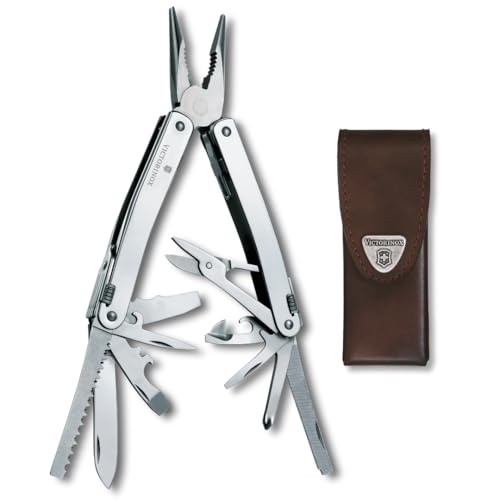
1. Victorinox Huntsman
A classic Swiss Army knife with a main blade, a small blade, scissors, a saw and other tools. It is a go-to for picnics and general chores.
Suits: people who want many tools in one place. Strengths: versatility and a trusted brand. Weaknesses: a thick body. Skip it if you want a slim pocket knife.

Best for traditionalists
2. Case Trapper
A traditional two-blade folder with a slim body. Case offers the Trapper in several handle materials.
Suits: traditionalists. Strengths: a classic look and two useful blades. Weaknesses: no lock. Skip it if you want a locking knife.

Best for farm, garden and general tasks
3. Buck 301 Stockman
A traditional three-blade pocket knife in the stockman pattern. Each blade has its own use, from general cutting to detail work.
Suits: farm, garden and general tasks. Strengths: three blades and a traditional feel. Weaknesses: no lock. Skip it if you prefer one-hand opening.
View Buck 301 Stockman on Amazon
Best for budget buyers
4. Gerber Paraframe
A light folding knife with a skeletonized frame and a frame lock. It is a simple, affordable pick for general use.
Suits: budget buyers. Strengths: light weight and a secure lock. Weaknesses: basic materials. Skip it if you want premium steel.

Best for everyday users
5. Spyderco Delica 4
A light, popular everyday folder with a back lock and a large opening hole. It is known for good cutting performance in a small package.
Suits: everyday users. Strengths: a proven shape and a light carry. Weaknesses: a modern look. Skip it if you prefer wood handles.

Best for budget-friendly everyday carry
6. Kershaw Cryo
A compact folder with a frame lock, assisted opening and a pocket clip. It is aimed at buyers wanting good function for a moderate cost.
Suits: budget-friendly everyday carry. Strengths: quick opening and a firm lock. Weaknesses: a plain look. Skip it if assisted opening is restricted where you live.

Think about the job before the brand. A kitchen or garden knife benefits from a plain, easy-to-clean blade, while a camping knife benefits from a lock and a sturdy handle. Traditional slip-joint knives have a long history and suit light tasks well. If you want a lock, choose a modern folder. Keep the knife sharp and clean, and it will serve you for years.
Care and Setup
- Wipe the blade clean and dry after each use.
- Oil the pivot occasionally with a light lubricant.
- Keep wood or bone handles away from long soaking.
- Hone or sharpen the blade before it becomes dull.
Maintenance is simple. A drop of oil on the pivot, a wipe after use and a few strokes on a stone every so often keep any of these knives working well. Traditional patterns with natural handles benefit from a dry pocket and the occasional wipe with a soft cloth. If a blade ever feels gritty or loose, clean it and check the pivot before using it again.
Mistakes to Avoid
- Forcing a slip-joint blade to do prying work.
- Skipping cleaning after cutting food.
- Carrying a knife where local rules forbid it.
- Storing it wet in a sheath or pocket.
Slip Joints, Locks and Assisted Openers Compared
The mechanism decides how a folding knife feels and how safe it is for different jobs. A slip joint uses a spring to hold the blade open or closed, with no locking part. It keeps the knife slim and traditional, and it is fine for light cutting. Because nothing locks the blade, pressure on the back of an open blade can make it fold, so a slip joint suits cutting tasks and not hard prying or heavy force.
A locking knife prevents the blade from closing until you release the lock. A frame lock uses a cut section of the handle that presses against the blade tang. A back lock uses a lever on the spine of the handle. Each design is widely used, and each can be strong, though you should check the fit and feel of any lock you buy. Lock designs differ in how easy they are to close with one hand, which matters in daily use.
Assisted openers have a spring that helps push the blade open after you start the motion. They open quickly and are convenient for one-handed use, but some places regulate assisted knives differently from manual ones. Check your local laws and any rules at work or school before you buy or carry one.
Match the mechanism to your tasks. If you mostly open boxes, peel fruit or cut cord, a slip joint is fine. If you work outdoors or cut harder materials, a locking knife adds a margin of safety. Whatever you choose, keep your fingers clear of the path of the blade, and never use the knife as a lever or screwdriver.
Blade Shapes and What They Cut Best
Blade shape determines what a folding knife does well. A clip point has a thin, sharp tip that helps with detail work and piercing, and it is common on traditional patterns. A drop point has a stronger, thicker tip and a broad belly, which suits general cutting and heavier tasks. A sheepsfoot or a straight-edged blade has a blunt tip, which helps prevent accidental punctures and is useful for controlled slicing.
Multi-blade knives such as the stockman and trapper patterns give you different blade shapes in one body. A main blade handles general cutting, a smaller blade suits detail work, and a third blade may serve a special purpose. This can be useful, but each extra blade adds thickness and a spring that needs care. Swiss Army knives add tools such as scissors and saws, and these are best for light tasks and convenience.
Blade thickness and grind affect slicing. A thin blade with a flat or hollow grind cuts food, paper and cord cleanly, while a thick blade with a steep edge tolerates rougher work but cuts less easily. A longer blade offers reach but is bulkier to carry. Choose a length you can legally carry and comfortably use, and think about where the knife will live in your pocket.
The edge itself matters: a plain edge is easiest to sharpen and best for clean slicing, while a serrated section bites into rope and fibrous items but is harder to maintain. Many users keep a plain edge for general use, and add a separate tool for rough tasks.
Handle Materials, Ergonomics and Pocket Feel
You will hold a folding knife far more than you look at it, so handle comfort matters. Traditional handles use wood, bone or composite materials and have a warm, classic feel. They look attractive, but natural materials can swell, crack or stain if exposed to water or abuse. Synthetic handles such as nylon or composites are durable, lightweight and low maintenance.
Metal frame handles are slim and strong, and they can feel cold or slippery in wet conditions. A textured surface, finger grooves or a ridge helps your hand hold on. Check the handle length against your hand size. A short handle can leave your pinky hanging off, while a long one may feel awkward. If possible, look at photos of the knife in a hand for scale.
Pocket feel is a practical consideration. A thick multi-tool or stockman may feel bulky in thin trousers, while a slim modern folder disappears. A clip keeps the knife at the edge of the pocket and prevents it from sinking, but traditional slip joints have no clip and rely on pocket space. Weight matters, since a heavy knife can pull at clothing.
Finally, think about how the handle looks and ages. A polished wood handle makes a nice gift or collectible, while a utilitarian synthetic knife is a tool to be used hard. Decide whether you want a knife you babysit or one you use without worry, and choose accordingly. Check dimensions and weight in the listing before ordering.
Steel Choice and a Simple Sharpening Routine
Blade steel is a trade-off among sharpness retention, ease of sharpening, toughness and rust resistance. Stainless steels resist corrosion and are easy to care for, which suits most people. Carbon steels often take a very sharp edge and sharpen easily, but they rust and develop a patina if neglected. Steel names and exact compositions vary by listing, so check the product page for the version you are buying.
Sharpening need not be complicated. For a plain edge, a basic bench stone or a small guided system can restore an edge. Hold the blade at a steady angle and make smooth strokes along the stone, alternating sides until you raise a slight burr, then remove it with lighter strokes. Test sharpness on paper or a tomato. Stropping on leather or card with a little compound gives a final polish.
How often you sharpen depends on use. Honing or stropping maintains the edge between full sharpenings, and a few light passes are usually all a pocket knife needs. If you let the edge get very dull, you will have to remove more steel to bring it back. Keep a small sharpener at home or in your kit.
Traditional knives with multiple blades need the same care for each blade. Take care with the small blades, whose springs can be damaged by rough handling. Do not force a slip-joint blade open or closed. Clean the pivot, apply a drop of oil, and wipe the springs so they work smoothly.
Legal Checks, Budget Tiers and Questions Before Buying
Knife rules differ widely by country, state and city, and sometimes by place, such as schools, airports, courthouses and workplaces. They may restrict blade length, locking mechanisms, opening methods and carry style. Check the rules for your area before purchase, and follow them when traveling. A knife that is fine at home may not be allowed elsewhere.
Budget tiers help set expectations. Lower-priced folders can be perfectly useful for everyday cutting and often use simpler materials. Mid-range knives usually add better fit and finish, smoother actions and improved steel. Higher-priced knives focus on refined materials, tighter tolerances and extra features. Spending more does not make a knife better for a given task unless the extra quality matches what you need.
Ask yourself a few questions before buying. What will I cut most often, and how hard? Do I want a lock, or do I prefer a slim traditional knife? How big a knife is comfortable to carry and legal where I live? Do I want to maintain natural handle materials, or do I prefer something easy care? Will I sharpen it myself?
- Is the steel named on the listing, and does it match the edition you are ordering?
- Are the dimensions and weight clear?
- Does the listing say whether it is a lock or slip joint?
- What warranty or return terms apply?
Replace or repair a knife when the blade develops play, the lock slips, a spring weakens or the edge is chipped. Keep it clean, dry and lightly oiled, and it can last for many years.
Understanding Lock Types Before You Choose
The lock is what keeps a folding blade open while you cut, so it deserves attention. Common styles include liner locks, frame locks, back locks and axis-style mechanisms. Each has its own feel and its own way of closing, and the product page usually names the one used.
- Liner and frame locks use a spring metal piece that slides behind the blade.
- Back locks use a lever in the spine that clicks into a notch.
- Axis-style locks use a spring-loaded bar that works from either side.
Whichever type you choose, learn how to close it safely, and keep fingers clear of the blade path. Follow the maker instructions and check the lock engages firmly every time before you cut.
Blade Shapes and What They Suit
| Blade shape | Common use | Notes |
|---|---|---|
| Drop point | General cutting | Strong tip and a broad belly |
| Clip point | Detail work and piercing | Finer tip, easier to damage |
| Straight back | Controlled slicing | Spine gives a firm pushing surface |
| Wharncliffe | Cutting boxes and cord | Straight edge, little belly |
A larger blade can handle more tasks, but a smaller one is easier to carry and often more comfortable in tight spots. Think about the jobs you actually do.
Know the Local Rules Before You Carry
Laws about carrying knives differ widely between countries, states and even cities. Limits may apply to blade length, opening style or where you can carry. Check official local guidance before you buy or travel, and never bring a folding knife where it is not allowed, such as onto aircraft or into certain public buildings.
Handle Materials and Everyday Care
Handle scales may be steel, aluminium, titanium, G-10, micarta or plastic blends. Textured grips hold better when hands are damp, while smooth scales feel sleeker in a pocket. Weight changes with material, so check the listing.
Wipe the blade after use, keep the pivot clean and add a drop of knife oil when the maker suggests it. Dry the knife before closing it, to limit rust. Store it away from children, and sharpen the edge following the guidance for your steel type.
A Simple Checklist for Comparing Folding Knives
With so many designs on the market, a short checklist keeps you focused on what counts. Work through these points for each knife you consider, and write down the answers so you can compare them side by side.
- What is the closed length, and will it sit comfortably in your pocket or bag?
- How is the blade opened: thumb stud, flipper, nail nick or assisted?
- Is there a pocket clip, and can it be moved to either side?
- What steel is named, and what does the maker say about edge care?
- Are there finger guards or a choil to keep your hand from sliding forward?
- Does the listing show the knife folded, open and from the spine?
The best knife for you is the one that suits your tasks and hand size, is legal where you live and feels secure when open. Take your time, and read the manual that comes with it before first use.
Folding Knives FAQ
What is a slip joint?
A traditional mechanism without a lock. A spring holds the blade open or closed.
Is a locking knife safer?
A lock prevents the blade from closing on your hand, which adds safety for harder tasks.
Which steel is best?
Stainless is easy to care for and suits most users. Carbon steel is easy to sharpen but needs more attention.
How do I choose a size?
Pick a size you will carry daily. A knife left at home does no work.
Is a slip joint knife safe to use?
Yes for light cutting, when used properly. It has no lock, so avoid prying and keep your fingers out of the blade's path.
What is the difference between a frame lock and a back lock?
A frame lock uses part of the handle to hold the blade, and a back lock uses a lever on the spine. Both can be strong, and the right one depends on feel and preference.
How big a folding knife should I carry?
Pick a size that is comfortable in your pocket and legal in your area. A knife you leave at home cannot help, so smaller is often better for daily carry.
Do I need to oil a folding knife?
A drop of light oil on the pivot now and then keeps the action smooth. Wipe the blade dry after use and avoid over-oiling.
Are wooden handles delicate?
They are durable under normal use but can swell or crack with prolonged water exposure. Dry the knife and avoid soaking it.
Can I take a folding knife on an airplane?
Rules vary by country and carrier, and knives are often prohibited in carry-on bags. Check the regulations for your trip and pack knives in checked luggage if allowed.
How do I know if the lock is working?
Open the knife, check that the blade does not move when you press lightly on the spine and make sure the lock engages fully. If anything feels off, stop using it and contact the seller.
The Short Version
For a multi-tool, the Victorinox Huntsman. For a classic two-blade, the Case Trapper. For three blades, the Buck 301 Stockman. For a budget frame lock, the Gerber Paraframe. For a light everyday folder, the Spyderco Delica 4. For quick opening, the Kershaw Cryo.