A single bevel knife is ground on one side only, so the other face stays flat. This gives a razor-fine edge ideal for sashimi, fish and precise slicing. The trade-off is that the knife is handed, and it needs a sharpening method different from double-bevel Western knives.
The six knives below include slicers (yanagiba), a fish-butchering deba and one thin vegetable knife style. We have not used these products ourselves, so confirm blade length, handedness, steel and handle on the current listing before buying. Many single bevel knives ship for right-handed users only.
As an Amazon Associate we earn from qualifying purchases. Links below are affiliate links, and they do not change the product information we give.
What to Look For
| Feature | Why it matters |
|---|---|
| Handedness | Single bevel knives are ground for right or left hand; check the listing |
| Blade type | Yanagiba slices raw fish, deba breaks down fish, usuba cuts vegetables |
| Steel | Carbon steel gets sharper but rusts; stainless is easier to live with |
| Handle | Traditional wooden handles feel light but need dry storage |
| Length | Longer slicers suit longer pulling cuts |
In this guide
Specs at a Glance
| Knife | Type | Steel | Notes |
|---|---|---|---|
| Yoshihiro Shiroko Yanagi | Yanagiba | High-carbon steel | Sashimi slicer |
| Tojiro Shirogami Yanagiba | Yanagiba | White steel | Traditional carbon |
| Misono UX10 Deba | Deba | Swedish stainless | Fish butchering |
| Dalstrong Shogun Series Yanagi | Yanagiba | High-carbon stainless | Modern styling |
| Sakai Takayuki Yanagi | Yanagiba | Stainless or carbon, by version | Japanese maker |
| Kikuichi Single Bevel Knife | Usuba or deba | Carbon steel | Traditional craftsman look |
The 6 Best Single Bevel Knives

Top pickBest for sashimi and fish slicing
1. Yoshihiro Shiroko Yanagi Sashimi Knife
A traditional sashimi slicer from a Japanese knife seller, with a long, narrow blade and single-edged grind. It is the style used to pull a single clean slice through raw fish. Because the blade is long, a pulling stroke from heel to tip is the usual technique.
Suits: sashimi and fish slicing. Strengths: a long, clean cutting edge. Weaknesses: handed and needs careful care. Skip it if you want an all-purpose knife.

Best for carbon steel fans
2. Tojiro Shirogami Yanagiba
A yanagiba using traditional white steel, which takes a very keen edge. It rewards sharpening practice and careful drying. Many cooks like it because the steel is easy to bring to a fine edge on a stone.
Suits: carbon steel fans. Strengths: an exceptional edge. Weaknesses: it will rust if neglected. Skip it if you prefer low-maintenance stainless.
View Tojiro Shirogami Yanagiba on Amazon
Best for fish butchery
3. Misono UX10 Deba
A single bevel fish-butchering knife with a heavier, thicker spine than a yanagiba. It handles fish heads and bones without the fragility of a slicer. The weight does much of the work when you cut through a fish spine.
Suits: fish butchery. Strengths: a sturdy, stainless build. Weaknesses: it is not a slicer. Skip it if you only slice raw fish.
View Misono UX10 Deba on Amazon
Best for home cooks wanting style
4. Dalstrong Shogun Series Yanagi Knife
A modern take on the yanagiba, with a decorative handle and a long single-bevel blade. It targets cooks drawn to a bold look. It works as a first single-bevel for anyone curious about the style.
Suits: home cooks wanting style. Strengths: modern looks and an easy first single-bevel. Weaknesses: less traditional than Japanese forge brands. Skip it if you want a classic finish.
View Dalstrong Shogun Series Yanagi Knife on Amazon
Best for traditional sushi cutting
5. Sakai Takayuki Yanagi Knife
A slicing knife from a maker based in Sakai, a historic knife center in Japan. It follows the traditional long yanagiba shape. Confirm the steel and handedness on the listing, since versions differ.
Suits: traditional sushi cutting. Strengths: a classic profile. Weaknesses: models and steels vary. Skip it if you want one known steel.
View Sakai Takayuki Yanagi Knife on Amazon

Best for precision vegetable work
6. Kikuichi Usuba Knife
A thin vegetable knife with a single bevel and a straight edge, made for precise slicing and decorative cuts. It is a specialist tool rather than a general knife. The straight edge is made for push cuts and thin, even slices.
Suits: precision vegetable work. Strengths: an ultra-thin, sharp edge. Weaknesses: chipping risk on hard foods. Skip it if you want a multi-purpose knife.

Care and Setup
- Wipe carbon blades dry straight away.
- Sharpen on a whetstone, using the flat back gently to remove the burr.
- Store with a sheath or blade guard.
- Avoid cutting bones with a slicer.
- Keep the knife away from hard surfaces and frozen food.
Mistakes to Avoid
- Buying the wrong handedness.
- Using a slicer on frozen food.
- Sharpening the flat back at an angle.
- Washing in the dishwasher.
How a Single Bevel Edge Cuts
A single bevel knife is ground on one side only. The other face is flat, or very slightly hollowed. This is different from a typical Western kitchen knife, which has two symmetrical bevels meeting at the edge. The one-sided grind creates a very acute cutting angle, which slices with little resistance and leaves a clean, smooth surface on food. That is why the style is associated with sashimi and fine vegetable work.
The blade also tends to steer. Because the grind is asymmetric, the knife can pull slightly toward the flat side during a cut. Experienced users compensate with grip and technique, and some blades have a small amount of built-in correction. If you are new to the style, expect a short learning period before cuts feel natural.
Handedness matters. A single bevel knife is made for right-handed or left-handed use, and using the wrong one can feel awkward and cut poorly. Most listings are right-handed unless stated otherwise, so check the product page, and look for a clear note if you are left-handed.
These knives are specialized tools, not general replacements for a chef’s knife. They shine in the tasks they are made for and are less suitable for chopping through bone, frozen food or hard items.
Yanagiba, Deba and Usuba Compared
The guide includes several traditional shapes. Knowing what each does helps you buy the right one.
Yanagiba is a long, slender slicing knife for raw fish. Its length allows a single long draw stroke through the fillet, which gives clean slices with minimal sawing. It is the usual first choice for sashimi.
Deba is a thick, heavy knife for breaking down whole fish: removing heads, cutting through small bones and filleting. The weight and thickness do much of the work. It is not for fine slicing.
Usuba is a thin-bladed vegetable knife with a straight edge, designed for precise tasks such as thin peeling and decorative cuts. It is a specialist tool, and the straight edge is best on a board without much rocking.
Some knives sold as Yanagi are styled for Western users, with different handles or finishes. Read the descriptions to see the blade length, thickness and handle type, and consider how you will use it. If your main aim is slicing fish at home, a yanagiba is the natural place to start. If you work with whole fish, a deba is useful. If you prepare vegetables in a traditional style, an usuba may justify its specialist nature.
Steel Types and Rust Prevention
Steel choice shapes sharpening, maintenance and feel. Traditional single bevel knives often use carbon steels, sometimes laminated with softer iron on the back. Carbon steels can take a very fine edge and are valued for how they sharpen, but they can rust or stain if left wet. Stainless options are lower maintenance and more forgiving, which suits beginners and busy kitchens.
The listing may name the steel or describe the construction, such as a laminated blade or a stainless alloy. If it does not, check the product page or ask the seller. Do not assume that any named steel is better without considering how you care for tools.
- Carbon steel: wipe dry after every use, avoid acidic foods sitting on the blade and oil it for storage if the maker advises.
- Stainless steel: still wipe and dry, but it tolerates more.
- Laminated blades: can look striking and may show a pattern after use; follow the maker’s care guide.
Never put a single bevel knife in the dishwasher. Hand wash gently, dry immediately and store with a blade guard or in a sheath. Use a wood or soft plastic board to protect the thin edge. Cutting on glass, stone or ceramic can chip or dull it.
Handles, Fit and Balance
Traditional Japanese handles, called wa handles, are lightweight and often octagonal or D-shaped, usually made of wood. They tend to put the balance point forward, near the blade, which suits the pinch grip used for slicing. Western-style handles are heavier and more familiar to many cooks, and they often balance nearer the handle. Neither is better; it depends on comfort and habit.
Consider blade length carefully. A long yanagiba needs a long board and space to draw. If your counter is small, a shorter blade may be more practical. Check the listing for blade length and weight, and compare it with a knife you already use.
Check the fit of the handle to the blade, including any ferrule or collar. Gaps can trap moisture. Wooden handles should be dried and not soaked. Some knives come with a sheath or box, which helps protect the edge.
- Pinch grip: hold the blade where it meets the handle for control.
- Draw cut: pull the blade toward you in a smooth stroke instead of pushing down.
- Let the weight of the knife do the work and avoid pressing hard.
If you have small hands or limited strength, try a lighter handle and shorter blade.
Learning to Sharpen a One-Sided Edge
Sharpening is the hardest part of owning a single bevel knife. The process differs from a double bevel. You sharpen the beveled side at a consistent angle, working until a burr forms on the flat side. Then you remove the burr by laying the flat back almost flush on the stone and moving it lightly. Too much pressure on the back can ruin the flat geometry.
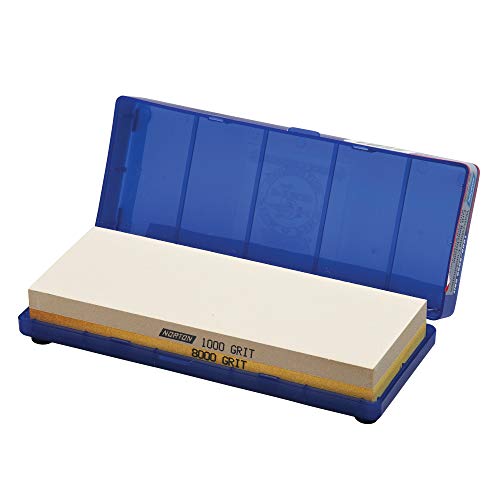
Use a good-quality whetstone, ideally with a medium and a fine grit, and a flattening tool to keep it level. Hold the knife steady, keep the same angle through each stroke and avoid rocking. Check the maker’s guidance for the best angle. Go slowly, especially at first.
If you are not comfortable, ask a professional sharpener, or practice on an inexpensive knife first. Mistakes can be costly on fine blades. Avoid pull-through sharpeners and electric tools, which are designed for double bevel knives and can damage the shape.
Signs it is time to sharpen include torn fish flesh, a need for more pressure and visible dullness at the edge. If the blade has chips or a warped back, a professional can often repair it. Replace a knife when the handle is loose or the blade has thinned too much.
Single Bevel Knife FAQ
Why is a single bevel knife harder to sharpen?
The grind needs a consistent angle on one side, while the flat back just removes the burr. It takes practice.
Are single bevel knives only for fish?
Mostly, though usuba blades are for vegetables.
Can left-handers use them?
Yes, if the knife is ground for left hands.
Do I need carbon steel?
Not necessarily. Stainless is lower maintenance.
Is a single bevel knife good for beginners?
It can be, if you are willing to learn technique and sharpening. A stainless version is more forgiving. Start with a single knife for a specific job, such as a yanagiba for sashimi.
How do I know if a knife is right-handed or left-handed?
Look at which side is beveled. Check the listing, which should specify the handedness. If it does not, ask the seller before buying.
Can I use a single bevel knife for everyday cooking?
It is a specialist tool. It can handle some tasks well, but a general-purpose chef's knife is more flexible for chopping and everyday prep.
Do I need a special board?
A wood or soft plastic board protects the thin edge. Avoid glass or stone surfaces. Keep the board stable with a damp towel under it.
Why is my fish tearing when I slice?
The edge may be dull, you may be pushing instead of drawing, or the fish may be too warm. Sharpen the knife, use a long pull stroke and keep fish cold.
How long should the blade be?
It depends on your counter space and the size of the fish. Longer blades let you slice in one stroke, but shorter ones are easier to handle in small kitchens.
Can I store it in a knife block?
Check the slot size and shape. Thin, long blades may not fit well, and rubbing can dull the edge. A sheath or magnetic strip with care is often better.
Pick by Pick: Who Each Single Bevel Knife Suits Best
Single bevel knives are specialist instruments: a yanagiba slices raw fish, a deba breaks fish down, an usuba works vegetables with precision. These deeper notes match each knife here to the cook it genuinely serves, because buying the right type matters more with this family than with any other in the kitchen. Store these knives individually in a sheath or on a strip, never loose in a drawer, and keep them for the tasks they were shaped for.
Yoshihiro Shiroko Yanagi: the committed sashimi knife
The Yoshihiro suits cooks who prepare sashimi and crudo regularly and want a traditional white-steel yanagiba with the character that implies: keen edge, traditional construction and the care routine carbon steel demands. Its limitation is exactly that tradition — it is a specialist that asks for correct technique and prompt drying. Choose it if raw fish is a real part of your cooking. Skip it if you slice fish twice a year, where a good double-bevel slicer is the wiser tool.
Tojiro Shirogami Yanagiba: the accessible traditional entry
The Tojiro suits learners who want a genuine traditional yanagiba — real single-bevel geometry, real carbon steel behaviour — at the most approachable level in this list. It is the knife to learn pull-cutting and single-bevel sharpening on without a heirloom’s price hanging over every mistake. The limitation is fit and finish at this level: expect a tool to learn with, not a flawless object. Choose it as your first traditional knife. Skip it if you want refined finish out of the box and will pay for it.
Misono UX10 Deba: the fish-breakdown specialist
The Misono deba suits cooks who buy whole fish and break them down — the heavy, thick blade works through the tasks a yanagiba must never attempt. Within this list it is the butcher of the family, and its stainless character eases the care burden around wet fish work. The limitation is specialisation in the opposite direction: it is far too thick and heavy for slicing sashimi. Choose it if whole-fish breakdown is your actual job. Skip it if you buy fillets and need a slicer instead.
Dalstrong Shogun Series Yanagi: the modern, low-maintenance route
The Dalstrong suits cooks who want the yanagiba shape with modern stainless convenience and bold styling, and who do not want carbon-steel care in their routine. It lowers the maintenance barrier to owning a long slicer. The limitation is purist appeal: traditionalists prefer the edge character and sharpening feel of classic constructions. Choose it for convenience and presentation. Skip it if the traditional craft of these knives is precisely what draws you.
Sakai Takayuki Yanagi: the heritage maker’s slicer
The Sakai Takayuki suits buyers who value the Sakai knife-making tradition and want a yanagiba from one of its established houses, balancing craft credibility with a price below the most rarefied makers. The limitation is that heritage at this level still means carbon-steel care and single-bevel technique — the tradition includes the discipline. Choose it if provenance matters to you. Skip it if you want stainless convenience above all.
Kikuichi Usuba: the vegetable precision instrument
The Kikuichi usuba suits cooks — especially those working with Japanese vegetable techniques — who want the thin, straight-edged precision this shape exists for: katsuramuki sheets, fine julienne, clean cuts that do not bruise delicate produce. The limitation is fragility in the wrong job: the thin edge must never meet bone, frozen food or hard squash skin forced carelessly. Choose it for dedicated vegetable artistry. Skip it as a general-purpose knife, because it is proudly not one.
Head to Head: The Comparisons That Actually Decide It
Which type first: yanagiba, deba or usuba?
Buy for the task you actually perform monthly. Home cooks who serve sashimi or crudo should start with a yanagiba — it is the shape they will reach for. Cooks who buy whole fish and currently struggle through breakdown with the wrong knife should start with the deba, because it transforms that specific job. The usuba is the connoisseur’s second or third purchase: wonderful once vegetable technique becomes a pursuit, underused before. Buying in the wrong order is the commonest single-bevel mistake, and it is a mistake of enthusiasm, not ignorance.
Tojiro versus Yoshihiro and Sakai Takayuki yanagiba
All three slice fish with the same geometry; they separate on steel character, finish and price. The Tojiro is the tuition knife — genuine behaviour, modest finish. The Yoshihiro and Sakai Takayuki step up in refinement, consistency and the pleasure of ownership. If you are learning, the honest sequence is Tojiro first, upgrade when your sharpening and slicing are worthy of the better blade. If you already sharpen single bevels confidently, buying the better knife once is the cheaper path in the end.
Traditional carbon versus modern stainless in this family
The Dalstrong and the Misono deba represent the stainless, lower-care path; the traditional yanagiba here ask for carbon-steel habits — dry promptly, expect patina, never leave the blade wet. Carbon rewards its keeper with sharpening feel and edge character that enthusiasts prize. Stainless rewards its keeper with forgiveness. Neither is superior in the abstract; choose the care routine you will genuinely keep on a wet Tuesday night, not the one you aspire to in theory.
Learning the Pull Cut: A Practice Progression
Stage one: firm fish, short strokes forgiven
Begin with firm, forgiving fish and modest ambitions. Set the fillet skin-side down, keep your guiding hand’s fingers curled safely back, and draw the yanagiba toward you in one long, unhurried pull, using the blade’s length rather than pressing down. Early slices will vary in thickness; that variance is the curriculum. Judge each slice as it falls — even, translucent, uncut at the base or torn — and adjust the draw rather than your force.
Stage two: consistency and the single draw
As the motion settles, work toward one draw per slice, heel to tip, with the blade angled consistently so slices release cleanly. Keep the knife wiped between slices — a clean blade glides, a fouled blade drags and tears. Chill the fish well; firm, cold flesh is the beginner’s best ally and the professional’s standard practice. Practise on the fish you were going to serve anyway, and let dinner be the deadline that keeps practice regular.
Stage three: breaking down a whole fish with the deba
When whole fish enter your kitchen, the deba’s work begins before the yanagiba’s: scaling, removing the head, and opening the fish along the bone with short, controlled cuts that use the deba’s weight. Keep the board stable, the fish dry enough to grip, and your free hand behind the blade’s path at all times. The deba is heavy by design; let gravity assist rather than muscling the blade, and never twist it in bone, which can chip even this thickest of the family.
Sharpening a Single Bevel Without Ruining It
Single-bevel sharpening concentrates almost all work on the wide bevel face, keeping it flat on the stone so the shinogi line stays crisp, with only the lightest attention to the hollow back to remove the burr. Work on waterstones, keep the bevel in full contact through the stroke, and resist the beginner’s urge to lift the angle to make it cut faster — that rounds the bevel and dulls the geometry the knife exists for. Carbon blades show their scratch patterns clearly, which is a gift: read them to confirm full contact. If you are new, practise first on the Tojiro-level knife, and consider having a professional reset a valuable blade rather than learning on it. A single bevel sharpened patiently is a joy; sharpened impatiently, it is an expensive lesson.
More Questions Answered
Can I use a yanagiba for cooked meats and roasts?
Many cooks do use a long yanagiba as an elegant slicer for roasts, and it performs beautifully on boneless cooked meat. Keep it away from bones, cartilage and carving-fork tines, and remember the blade is thin and hard: slicing is its language, prying and twisting are not. If carving is a weekly ritual, a dedicated slicer may still earn its drawer space.
What board should I use with single bevel knives?
A quality end-grain wood board or a soft Japanese-style synthetic board treats these edges kindly. Avoid bamboo’s hardness, glass and stone entirely, and avoid cheap hard plastic that makes the edge skate. The board is part of the knife system: a fine edge on a brutal board is a short-lived edge.
How should I store a single bevel knife?
Individually: a wooden sheath, a blade guard, or a magnetic strip where the edge cannot strike neighbouring steel. Never in a crowded block slot that drags the edge, and never loose in a drawer. Carbon blades should go away dry, with a light film of food-safe oil if storage will be long or the kitchen humid.
Is the patina on carbon steel a problem?
No — a stable patina is normal, protective and, to many owners, beautiful. What you must prevent is active rust: orange, rough and pitted. Dry the blade promptly after washing, and if rust spots appear, address them gently with a rust eraser or fine abrasive rather than letting them deepen. Patina is the knife’s diary; rust is neglect, and the difference is simply drying.
Should a beginner buy a deba and yanagiba together?
Only if you genuinely buy whole fish and serve it raw — the two knives are partners in that specific workflow. Most beginners should buy one, learn it properly for a season, and add the second when its absence is actually felt at the board. Sequenced purchases build skill; simultaneous purchases often build only a drawer.
Setting Up a Japanese Knife Station at Home
The board, the towel and the bowl
Single bevel work rewards a prepared station. Set a quality board on a damp towel so it cannot skate, keep a second towel dedicated to wiping the blade within reach, and place a small bowl of clean water nearby if that is your wiping habit. Fish should arrive at the board cold, dry-skinned and already scaled and gutted if the recipe allows, because the yanagiba’s work is slicing, not preparation wrestling. Good light matters more here than anywhere else in the kitchen: you are judging translucency and thickness at a glance, and shadows lie about both.
Knife order through a whole-fish session
Work in the order the knives demand: heavy preparation with the deba first, all of it, before the yanagiba comes out of its sheath. Then clean the board, change the towel, and slice with a fresh station and a clean blade. Mixing the two phases — reaching for the slicer mid-breakdown with fish residue on the board — is how fine edges get chipped and clean slices get fouled. The discipline feels fussy the first time and obvious forever after, because the sliced fish itself shows the difference.
Washing up without casualties
Wash these knives individually, by hand, immediately after the session, blade held away from your fingers under the suds, dried at once and returned to sheath or strip. Never put a single bevel knife into a sink of washing-up water where hands and other cutlery will find it blindly, and never leave it in a drying rack among pans. The two minutes of ceremony protect both the edge and everyone who shares your kitchen, and they are part of the tradition these knives come from, not an optional extra.
What to Cook to Justify the Knife
Ownership deepens when the cooking does. A home sashimi plate — two or three fish, simply sliced, with good rice, fresh wasabi if you can find it and a light hand with soy — teaches more technique in one dinner than a month of abstract practice. Chirashi bowls forgive imperfect slices while rewarding good ones. Crudo with olive oil and citrus suits the yanagiba’s gift for clean cuts on delicate fish. For the deba, a whole grilled fish you broke down yourself, or a fish soup built from frames you prepared, closes the loop between breakdown and table. And for the usuba, a session of vegetable garnishes for a single special meal — fine radish, cucumber ribbons, precise herbs — turns practice into presentation. Buy the fish and vegetables you are excited to eat, and the skills arrive as a by-product of dinner.
The Learning Curve, Honestly Described
Nobody’s first month with a single bevel knife looks like the videos. Slices vary, the bevel shows uneven scratch patterns, and a carbon blade may wear a patchy early patina that looks like a mistake and is not. What the first month is actually building is a set of linked judgements — how cold fish should feel, how the blade sounds when it glides rather than drags, how a bevel in full contact looks under your kitchen light. These judgements cannot be rushed, but they can be structured: one knife, one fish you buy often, one stone routine, repeated weekly. By the third month the slices even out, and by the sixth the knife feels less like an instrument you operate and more like an extension of a decision. Every expert you admire passed through exactly this valley; the only ones who did not are the ones who stopped in it. Buy the fish, make the dinner, and let the curve climb at its own honest pace.
When to Have a Professional Sharpen Instead
There is no shame — and real wisdom — in professional help at three moments: when a valuable blade is chipped, when a bevel has been rounded or damaged by well-meant home attempts, and when a knife is new-to-you and expensive enough that its first sharpening sets the pattern for years. A good professional resets geometry you can then maintain for a long time with the routines in this guide. Think of it as the difference between physiotherapy and surgery: maintain faithfully at home, and escalate without hesitation when the problem is structural. Your knives will live longer, and so will your enthusiasm for them.
One more question: can a single bevel knife be a lifetime purchase?
Yes — these are among the most lifetime-oriented objects in any kitchen. Maintained on stones, kept dry and used only for their intended work, the knives in this list can serve for decades and be handed on. Their lifespan is limited less by wear than by misuse, which is another way of saying it is limited by habits entirely within your control.
Reading a Fish Before You Slice It
The yanagiba’s work begins before the blade is drawn, in how you judge the fish in front of you. Fresh fish for raw service should smell of the sea and nothing else, with flesh that springs back when pressed and skin that looks alive rather than dull. Firmer fish slice more cleanly and forgive a learner’s hesitations; softer, fattier fish reward an experienced hand and a blade wiped between every slice. Size your ambitions to the fish: a modest fillet sliced beautifully teaches more and eats better than a grand fish sliced anxiously. Plan the plate before the first cut — how many slices, what thickness, what garnish — because a yanagiba rewards a cook who has decided, and hesitates visibly in the work of one who has not. This judgement, more than any purchase, is what separates adequate sashimi from memorable sashimi, and it is built one fish at a time at your own board.
Knife Rolls, Storage and Taking a Single Bevel Knife Visiting
Cooks who take their knives to cook elsewhere — a friend’s kitchen, a holiday house, a class — owe these blades more protection than a tea towel in a bag. A proper sheath or saya for each knife is the minimum; a knife roll that holds each blade separately, edge isolated, is better. Pack the roll so nothing hard presses on the edges, keep carbon blades dry and lightly oiled for the journey, and never lend a single bevel knife casually at the destination: its edge geometry confuses anyone expecting a Western knife, and one enthusiastic attempt at a squash can undo a year of care. Unpack, wash and store the knives properly on arrival home rather than leaving them in the roll, because a roll is transport, not storage — trapped moisture in fabric is a quiet rust factory. Travelled this way, these knives cook beautifully anywhere; travelled carelessly, they come home as repair projects.
One more question: how often does a single bevel knife need sharpening?
Little and often beats rare and heroic. A knife used weekly for raw fish benefits from a brief session on a fine waterstone whenever the edge stops gliding — for most home cooks that means a few minutes every few sessions rather than a calendar rule. The sign to sharpen is in the cut itself: when a slice starts to tear, drag or demand pressure, the stone should come out that day, not next month. Maintained this way, the bevel keeps its shape for years and full sharpening sessions stay rare, gentle and short.
One more question: what should I serve with a first sashimi plate?
Keep the company simple so the fish stays the point: warm seasoned rice, a small dish of soy for light dipping, freshly grated wasabi where available, and pickled ginger as a palate cleanser between fish rather than a topping. Add a bowl of clear soup and a simple cucumber salad dressed at the last moment, and the plate becomes a meal without anything competing with the slicing you worked to learn. Serve the fish cool but not fridge-cold, and bring it to the table promptly, because a beautiful slice waits for no one.
The Short Version
For classic sashimi, the Yoshihiro Shiroko. For carbon steel, the Tojiro Shirogami. For fish butchery, the Misono Deba. For a bold style, the Dalstrong. For Sakai tradition, the Sakai Takayuki. For vegetables, the Kikuichi Usuba.
Related Guides
- 6 Best Japanese Fillet Knives: Deba, Yanagiba and Flexible (2026)
- 6 Best Deba Knives: Japanese Fish Butchery Blades (2026)
- 6 Best Hook Knives for Spoon Carving: Single and Double Edge (2026)
- 6 Best Single Blade Pocket Knives for Everyday Carry
- 6 Best James Brand Knives: Elko, Ellis, Duval and More (2026)
Pull Cutting and the Motion of Slicing Fish
A long single bevel slicer is designed for one smooth motion. Instead of sawing back and forth, you place the heel of the blade on the fish, draw the knife toward you along its full length and finish the cut at the tip. The long, thin blade and sharp edge do the cutting, so pressure should be light. Sawing tears the flesh and leaves ragged surfaces that look dull and feel less pleasant to eat.
- Keep the knife angle consistent. A small change in angle changes how the blade follows the grain and the thickness of the slice.
- Use the whole length of the blade rather than only the middle, which makes cuts smoother and spreads wear along the edge.
- Lay each slice aside as you cut instead of dragging it, so the surface stays intact.
- Clean the blade between cuts with a damp cloth to remove oils and scales that could catch on the next stroke.
The technique takes practice, and a slightly dull knife makes it harder, not easier. If slices are tearing, check the edge before you change your technique.
Construction Types: Kasumi, Honyaki and Laminated Steel
When you read descriptions of Japanese knives, you will see terms that describe how the blade is made.
- Kasumi (also called hon-kasumi) blades are laminated: a layer of hard steel forms the cutting edge, backed by softer iron that makes the blade tougher and easier to sharpen. The soft iron develops a cloudy finish, which is where the name comes from.
- Honyaki blades are forged from a single piece of steel and heat-treated as one. They can take an exceptional edge but are more fragile, more expensive and harder to make, so they are a specialist choice.
- Stainless or stainless-clad versions exist for easier care, and some have a softer, more forgiving feel at the cost of some edge keenness compared with carbon steel.
For most buyers, a laminated blade offers a practical balance of edge quality, maintenance and price. A single-steel honyaki blade suits experienced users who are prepared to look after it.
Understanding the Back Hollow and the Flat Face
A single bevel knife has a flat or slightly concave back, usually with a shallow hollow ground into it called the urasuki. The hollow reduces the area touching the food, which helps slices release, and it makes sharpening the back easier because only the rim of the hollow contacts the stone. When the back is flat and the front is beveled, the knife naturally cuts a little to one side, which is why right-handed and left-handed versions exist. Check the listing to see whether the knife is made for your hand, because the difference affects how the blade tracks through the food.
Where the Money Goes
Price differences among single bevel knives come from several places: steel type, forging and lamination skill, the finish of the blade, handle materials and brand reputation. A moderately priced knife can be a very good tool if the edge is sharp, the geometry is correct and the handle fits well. Higher prices usually buy finer steel, a more refined edge and better finishing, but also bring higher maintenance demands and more sorrow if you chip the blade.
If you are new to single bevel knives, consider starting with a well-reviewed mid-priced slicer and spending part of the savings on a good sharpening stone. A great knife dulls, and if you cannot sharpen it, the quality is wasted. As your skills improve, upgrading to a finer blade makes more sense and will feel more rewarding.
Food Safety and Hygiene When Slicing Raw Fish
Preparing raw fish asks for more care than cooking does. Use fish sold for raw consumption, keep it cold until just before cutting and keep your board, knife and hands clean. Wash and sanitize the blade after use, and dry it immediately to prevent rust. Use a separate board for raw fish if you can, and wipe the work surface between tasks. These habits protect you and your guests and keep the knife in good condition.
Choosing Blade Length
Slicers for sashimi are commonly made in a range of lengths, with many home cooks choosing something in the middle of that range. A longer blade lets you cut a whole slice in one pull, which is helpful for large fillets, while a shorter blade is easier to control, store and sharpen. Think about the biggest piece of fish you plan to cut and the size of your board and counter. A blade much longer than your board forces awkward angles, and one that is too short makes you saw. If you are unsure, pick a length that you can draw through the thickest piece you handle in one comfortable stroke, then adjust as your habits become clearer.
Frequently Asked Questions
What does kasumi mean on a Japanese knife?
Kasumi describes a laminated blade where a hard steel edge is bonded to softer iron. The softer layer develops a cloudy finish, giving the style its name. It offers a practical balance of edge quality, toughness and easier sharpening.
What is the hollow on the back of a single bevel knife?
It is a shallow concave area called urasuki. It reduces the surface in contact with food so slices release more easily, and it makes sharpening the back simpler because only the rim touches the stone.
Is a honyaki knife worth the extra cost?
Only for experienced users. A single-steel honyaki blade can take an excellent edge but is more fragile and costly to make. Most buyers are better served by a laminated blade that balances performance, durability and price.
Should I use a sawing motion with a yanagiba?
No. Use a single long pull from heel to tip with light pressure. Sawing tears the flesh and leaves ragged slices. If slices tear even with good technique, check whether the edge is sharp.