A spreader knife has a short, blunt blade made to move soft foods across bread, crackers or toast. Sandwich spreaders in professional kitchens are broader and stiffer, while butter and cheese spreaders tend to be small with a rounded edge. The right choice depends on what you spread and how much of it.
The six spreaders below include professional sandwich spreaders and home-oriented butter and cheese options. We have not used these products ourselves, so confirm blade length, material and handle on the current listing before buying. Some are sold as sets, others as a single knife.
As an Amazon Associate we earn from qualifying purchases. Links below are affiliate links, and they do not change the product information we give.
What to Look For
| Feature | Why it matters |
|---|---|
| Blade shape | A wide, flat blade covers bread; a short one suits crackers |
| Blade stiffness | A firm blade spreads cold butter; a flexible one suits soft spreads |
| Handle | A comfortable handle reduces hand strain on big prep jobs |
| Material | Stainless is easy to wash and does not stain |
| Dishwasher use | Some handles hold up to dishwashers; others prefer hand washing |
In this guide
Specs at a Glance
| Spreader | Use | Blade | Notes |
|---|---|---|---|
| Mercer Culinary Millennia Sandwich Spreader | Sandwich prep | Stainless | Textured handle |
| Dexter-Russell Sani-Safe Sandwich Spreader | Sandwich prep | Stainless | Foodservice style |
| Victorinox Fibrox Sandwich Spreader | Sandwich prep | Stainless | Non-slip handle |
| Wusthof Gourmet Spreader | Butter and cheese | Stainless | European-made line |
| Norpro Stainless Steel Spreader | Butter and jam | Stainless | Simple kitchen utensil |
| OXO Good Grips Butter Knife | Butter and soft cheese | Stainless | Comfort grip |
The 6 Best Spreader Knives
Top pickBest for big sandwich prep
1. Mercer Culinary Millennia Sandwich Spreader
A broad-blade sandwich spreader with a textured handle meant to stay put in wet hands. It is a common sight in busy prep kitchens. The handle is textured so it stays steady when your hands are wet or greasy.
Suits: big sandwich prep. Strengths: a firm, wide blade. Weaknesses: too large for small jars. Skip it if you want a petite butter knife.
View Mercer Culinary Millennia Sandwich Spreader on Amazon
Best for quick, even coverage
2. Dexter-Russell Sani-Safe Sandwich Spreader
A foodservice sandwich spreader built to be sturdy and easy to wash. The blade is short and flat for covering slices of bread evenly. Bakery counters and delis often stock several so one is always clean.
Suits: quick, even coverage. Strengths: a durable, easy-clean design. Weaknesses: plain styling. Skip it if you want a decorative piece.
Best for commercial-style prep
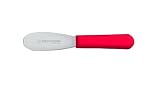
3. Victorinox Fibrox Sandwich Spreader
A spreader with the Fibrox handle found across the maker’s kitchen line. It has a flat blade and a grip that stays secure when wet. It pairs well with other Victorinox kitchen tools if you are building a matched set.
Suits: commercial-style prep. Strengths: a good grip. Weaknesses: less suited to hard cheese. Skip it if you want a wooden handle.
View Victorinox Fibrox Sandwich Spreader on Amazon
Best for home entertaining
4. Wusthof Gourmet Spreader
A spreader from the Gourmet line of a German knife maker. It is neat, compact and works for butter, cream cheese and soft spreads. The compact blade is handy for charcuterie boards and brunch tables.
Suits: home entertaining. Strengths: a refined shape. Weaknesses: it is not made for heavy-duty volume. Skip it if you want a commercial-style tool.
View Wusthof Gourmet Spreader on Amazon
Best for everyday breakfast use
5. Norpro Stainless Steel Spreader
A simple stainless steel spreader suited to butter, jam and soft spreads. It is a no-fuss everyday utensil. The slim handle fits easily in a drawer next to other cutlery.
Suits: everyday breakfast use. Strengths: a simple, low-fuss build. Weaknesses: limited comfort for long sessions. Skip it if you spread in large volumes.

Best for family breakfast tables
6. OXO Good Grips Butter Knife
A comfortable-handled knife designed for spreading butter and soft cheeses, with a rounded tip and a non-slip grip. The soft handle is easy on larger hands.
Suits: family breakfast tables. Strengths: a comfortable grip. Weaknesses: not for professional prep. Skip it if you need a wide sandwich blade.
View OXO Good Grips Butter Knife on Amazon
Care and Setup
- Wash promptly after spreading oily foods.
- Check the listing for dishwasher guidance.
- Dry stainless blades to prevent water spots.
- Store with the blade protected.
- Keep one spreader for savory spreads and another for sweet ones to avoid flavor transfer.
Mistakes to Avoid
- Using a spreader for cutting hard cheese.
- Trying to spread frozen butter with a flexible blade.
- Choosing a wide blade for small jars.
- Overlooking the handle size.
- Reusing a spreader between raw and ready-to-eat foods without washing.
Matching the Spreader to What You Spread
Different spreads behave differently, and the best tool changes with them. Soft butter, cream cheese and hummus glide across bread with a small rounded blade. Firm, cold butter calls for a stiffer blade with some weight behind it, so it can be pressed and smeared without bending. Thick spreads such as nut butter or soft cheese in a tub work best with a blade that is long enough to reach the bottom of the container, and a rounded tip helps scrape the corners.
Sandwich work is a different job. Covering a slice from edge to edge requires a wide, flat blade that moves in a few strokes. The same blade may be too big for a small jam jar, where a narrow knife reaches in without making a mess on the rim. For crackers and canapes, a short, light blade gives control without breaking the base.
- Cold butter: a firm blade with a comfortable grip.
- Soft cheese and dips: a short, rounded blade.
- Whole sandwiches: a broad blade that covers a slice quickly.
- Jars and tubs: a long, slim blade that reaches the bottom.
If you spread a wide range of foods, consider two sizes instead of one tool trying to do everything. Check the blade length and width in the listing, since the names do not always tell you.
Blade Flex, Edge and Tip Details
Small details in the blade change how a spreader feels. A flexible blade bends slightly, which is helpful for smoothing soft spreads and for scraping a bowl, but it can fail on cold butter. A stiff blade transfers force directly and spreads hard fats better, though it can feel less gentle on fragile bread. Neither is right for everything, so decide which problem you meet most often.
Look at the edge. Most spreaders have a blunt or lightly rounded edge, which is safer and kinder to soft bread. Some knives have a serrated section, which can help cut a soft cheese or a tomato slice but tends to tear delicate bread when you spread. A smooth edge gives a cleaner finish for spreading. Some butter knives have a slight scoop or curl on the blade for shaving butter from the block, and the listing should mention that feature if it exists.
The tip shape matters for tight spots. A rounded tip scrapes the curved inside of a jar, and a square tip gets into the corners of a tub. Notice the thickness of the blade, too, because a thin edge slides under a slice of cheese or lifts a spread, while a thick one is tougher but less nimble. Weight and balance affect how tired your hand feels when you make dozens of sandwiches, so a comfortable handle is more important for heavy use.
Handles, Grip and Hand Fit
For occasional breakfast use, nearly any handle works. If you prepare food in volume, grip becomes important. Textured or non-slip handles help when your hands are wet, oily or gloved. Larger hands may prefer a thicker handle, while smaller hands may find a slim handle easier to control. People with arthritis or weak grip often find a soft, wide handle easier to hold.
Handle materials differ in feel and care. Plastic and rubberized handles are light and wash easily, and many are made to stand up to commercial kitchens, though you should check each listing for dishwasher guidance. Wooden handles feel warm and traditional but may crack or swell with repeated soaking and are usually better washed by hand. An all-metal knife is hygienic and sturdy, but can feel slippery and may get warm or cold with the food.
Check how the handle joins the blade. A seamless or tightly sealed joint is easier to clean, and food does not collect in a gap. If you are building a matched set of kitchen tools, look at the color and style so that handles are easy to identify. Color-coded handles can help separate tools for different foods, which is covered in the next section. Hold a spreader before buying if you can, because comfort is personal.
Food Safety and Preventing Cross-Contact
A spreader goes into foods that are often eaten without further cooking, so cleanliness matters. Do not dip a used knife back into a shared tub of butter or jam, because crumbs and saliva can contaminate the whole container. Use a clean knife each time, or spread from a small portion on a plate. In a shared kitchen, keep a dedicated knife for each spread when you can.
Allergies add another concern. Nut butter residue on a spreader can transfer to the next food, and a standard rinse may not be enough for someone who is very sensitive. If you are cooking for people with allergies, use a separate, thoroughly washed spreader, or a color-coded one reserved for allergen-free foods. Follow your local food-safety guidance and workplace rules if you prepare food for others.
Handle raw and ready-to-eat foods separately. A spreader used with raw meat juices should be washed in hot soapy water before touching bread or vegetables. Between tasks, wash the blade and handle, including the joint where the two meet. For commercial use, check what sanitizing steps your local rules require and whether the listed tools suit them. At home, clean tools after each meal and let them dry fully before storing them in a drawer.
Care, Storage and When to Replace
A spreader is a simple tool and lasts a long time with basic care. Wash it soon after use, because dried butter, cheese and nut spreads are harder to remove. Use a soft sponge and avoid scouring pads that scratch the blade, and dry the metal to prevent water spots. Dishwasher use depends on the handle and the maker’s instructions, so follow the listing. High heat and strong detergents can dull wooden or rubberized handles over time.
Store the spreader where the blade will not get scratched or bent. A drawer organizer or a knife holder works well in a home kitchen, and in a commercial setting a labeled rack or container keeps clean tools separate from used ones. Keep it away from heavy items that could bend a thin blade.
Signs that it is time to replace a spreader include:
- A handle that is cracked, loose, peeling or has gaps where food collects.
- A blade that is bent and no longer sits flat against bread.
- Deep scratches, rust spots or pitting that are hard to clean.
- A rubbery handle that has become sticky or rough.
If a spreader no longer feels comfortable or hygienic, replace it. A low-cost tool is worth swapping, and it is better to have a few good spreaders than one worn one.
Spreader Knife FAQ
What is the difference between a spreader and a butter knife?
A spreader is blunt and wide for covering bread, while many butter knives are narrower.
Can a spreader cut?
It can slice soft foods, but it is not a cutting knife.
Do I need a serrated edge?
A smooth edge is better for spreading. Serrations can tear soft bread.
Are these knives dishwasher safe?
That depends on the model. Check each listing.
What size spreader should I get?
Choose a wider blade for sandwiches and a short one for jars and crackers. Check each listing for blade length.
Can I use a regular butter knife as a spreader?
Yes, for light tasks, but a purpose-made spreader is wider and easier for bread, sandwiches and thick spreads.
How do I spread cold butter without tearing the bread?
Let the butter soften for a short time, or shave thin curls from the block and spread them. A firm blade also helps.
Is a serrated spreader a good idea?
Usually not for spreading, as serrations can tear soft bread. A smooth edge gives a cleaner result.
What size spreader works best for jam jars?
A slim blade with a long enough reach works best. Check the length in the listing and compare it to the jar depth.
How should I handle allergens with a spreader?
Use a clean, separate knife for allergen-free foods and wash it thoroughly after contact with allergens. Follow local food-safety guidance when cooking for others.
Are wooden handles safe to use?
They can be, but they usually need hand washing and may crack with soaking. Check the care notes in the listing.
Should I buy a set or a single spreader?
A set suits a household that spreads several foods, while a single spreader fits occasional use. Consider having a few so you can keep spreads separate.
Can a spreader be used for frosting?
A flat spreader can work for light frosting jobs, but an offset spatula is usually easier for cakes. Check what the maker says about intended use.
Working a Sandwich Line: Speed, Rhythm and Tool Count
In a deli, cafe or busy home kitchen on a lunch rush, the spreader is judged by how it behaves on the twentieth sandwich, not the first. The motion is repetitive: lay out slices, load the blade, cover from edge to edge, and move on. A broad blade with a firm spine does this in two or three strokes, which is why the Mercer, Dexter-Russell and Victorinox picks above are the familiar shape in commercial work.
Rhythm matters as much as the blade. Load the spreader from the container with a flat, scraping pass, deliver the spread to the center of the bread, then draw it outward toward the corners. Starting in the middle and working to the edges keeps crumbs from dragging and lets you stop right at the crust. A blade with a slightly rounded end makes that last pass cleaner than a squared one.
- Keep a small tray or bowl of the spread at hand rather than working from the deep end of a tub.
- Stage bread in rows so one spreader can move down the line without crossing back over finished sandwiches.
- Have two or three spreaders on rotation so a clean one is always ready while the others are washed.
- Use color or handle style to separate savory and sweet spreads when several are in use.
Tool count depends on volume. A home cook making a couple of lunches needs one wide blade and one small knife. A small cafe with several spreads on the line often wants one spreader per container, which keeps flavors apart and reduces the temptation to wipe and reuse.
Spreaders for Boards, Brunch and Gifting
Not every spreader lives in a prep kitchen. A compact, tidy blade such as the Wusthof Gourmet style shown above earns its keep on a cheese board, a brunch spread or a holiday table, where guests handle the tool and it sits in view. In that setting the look and feel of the handle matter, and so does the size of the blade relative to the dish.
For a soft cheese, pate or a dip served in a shallow bowl, a short rounded blade lets guests scoop and spread without cracking a cracker. For a firm, aged cheese, a spreader is the wrong tool and a small cheese knife or a plane serves better. Matching each item on a board with its own small knife keeps flavors from mixing and keeps the arrangement tidy.
If you are buying as a gift, consider the recipient’s habits. A single, well-made butter spreader suits a person who hosts and entertains. A set of three in matching finishes can work for a household that likes to set the table in style. Check that the pieces are dishwasher-safe or that the recipient will not mind washing them by hand, since a surprise care rule is a common source of disappointment.
- Cheese boards: short rounded blades, one per spread.
- Brunch tables: butter and jam knives with comfortable handles.
- Picnics: light knives that can be wrapped and carried without damaging a blade.
Alternatives and Companions to a Spreader
A spreader is not always the only tool for the job, and knowing the alternatives helps you spend wisely. An offset spatula has a long, thin blade with a bent neck that keeps your knuckles off the surface. It is excellent for frosting, evening out a thick spread across a flat sheet, or spreading filling in a roll. For small kitchens, it can replace a wide spreader in some tasks, though the thin blade flexes more than a firm sandwich knife.
A butter bell or a covered dish keeps butter soft at room temperature, which makes any spreader perform better. A small silicone scraper clears a jar or bowl efficiently and waste less than a blade. A teaspoon works fine for loading a thick spread onto the bread before the spreader finishes the coverage.
- Offset spatula: frosting, wide flat coverage, large batches.
- Butter bell or soft butter dish: reduces tearing of bread and lessens the need for a stiff blade.
- Silicone scraper: cleans out jars and bowls.
- Small cheese knife or plane: for firm cheeses a spreader cannot handle.
A spreader earns a drawer slot when you spread several times a week. If you spread rarely, an ordinary table knife covers most jobs and the money may be better spent elsewhere.
Sets, Budget and Where the Money Goes
Spreaders are inexpensive tools, and the price difference between models usually reflects handle design, brand and the finish of the blade rather than how well the knife spreads. A basic stainless blade does the job on bread. Paying more tends to buy a handle that is more comfortable over long sessions, a cleaner joint where handle meets blade, or a refined shape for table use.
For commercial and heavy home use, durability and cleanability are worth a little extra. A handle that stays grippy and a blade that does not bend save replacement cost over time. For occasional use, an economical option such as a simple stainless spreader is enough, and the extra money for a premium handle would rarely be noticed.
Buying a set can be economical if you will use every piece. If you only need one wide sandwich blade and one small butter knife, a set of six adds drawer clutter. Check what the set includes, whether the knives are identical or varied in size, and whether the handles are easy to tell apart.
- Spend on grip and joint quality if you spread daily.
- Spend on appearance only if the knife will sit on a table.
- Skip premium pricing for occasional breakfast use.
Frequently Asked Questions
Is a spreader knife the same as an offset spatula?
No. A spreader is short and blunt with a straight handle, made for bread and soft spreads. An offset spatula has a long thin blade with a bent neck, and it suits frosting and flat, wide coverage. Some kitchens use both for different jobs.
Why does my spreader leave streaks and tears in the bread?
Cold, hard butter or a stiff spread is the usual cause, along with soft bread and a blade that is too thin. Let the spread warm slightly, use a wider blade, and spread from the center outward in light strokes. A serrated edge can also tear.
Do I need a separate spreader for each condiment?
It is not required at home, but it avoids flavor transfer and cross-contact with allergens. A clean knife for each spread works, as does washing between uses. For shared jars, never dip a used knife back into the container.
What can I use if I do not own a spreader knife?
A table knife works for butter and jam, and a spoon can load thick spreads before you smooth them. A small offset spatula or a silicone scraper can handle larger jobs. A purpose-made spreader mainly saves effort on repeated or large-volume spreading.
The Short Version
For big sandwich jobs, the Mercer. For a foodservice standard, the Dexter-Russell. For a non-slip handle, the Victorinox. For home entertaining, the Wusthof. For simple use, the Norpro. For breakfast tables, the OXO.