A Japanese fillet knife is built to separate fish from the bone with clean, thin cuts. Some are flexible boning knives, while others are traditional single-bevel blades such as the deba, used to break down whole fish, and the yanagiba, used to slice sashimi. The right pick depends on what you cook.
The six knives below cover Western-style fillet blades made in Japan and traditional single-bevel kitchen knives. We have not used these knives ourselves, so confirm the blade length, steel, handedness and handle details on the current listing before buying. Single-bevel knives come in right and left versions, so check which you are ordering.
As an Amazon Associate we earn from qualifying purchases. Links below are affiliate links, and they do not change the product information we give.
What to Look For
| Feature | Why it matters |
|---|---|
| Blade style | Flexible fillet blades follow bones; deba blades cut through heads and backbones |
| Bevel | Single-bevel knives cut very cleanly but need practice and the right hand |
| Steel | Hard steels hold a fine edge; some need careful drying |
| Length | Longer blades slice fillets in one pull; shorter ones are easier to control |
| Handle | Western or Japanese-style handles change grip and balance |
In this guide
Specs at a Glance
| Knife | Type | Bevel | Notes |
|---|---|---|---|
| Tojiro DP Deba | Deba | Single | Heavy blade for whole fish |
| Shun Classic Boning and Fillet Knife | Western fillet style | Double | Flexible, Japanese made |
| Yoshihiro Yanagiba | Sashimi slicer | Single | Long, thin blade |
| Kai Wasabi Black Deba | Deba | Single-style | Check the listing |
| Sakai Takayuki Deba | Deba | Single | Traditional maker |
| Masamoto VG Yanagi | Sashimi slicer | Single | Check handedness |
The 6 Best Japanese Fillet Knives
Top pickBest for whole fish
1. Tojiro DP Deba
A heavy single-bevel knife designed to break down whole fish, cutting off heads and following the backbone. Tojiro is a respected Japanese maker with a wide line of kitchen knives. The weight does much of the work.
Suits: whole fish. Strengths: a sturdy blade and a trusted maker. Weaknesses: not for fine slicing. Skip it if you only cook fillets.

Best for everyday fillets
2. Shun Classic Boning and Fillet Knife
A flexible Western-style fillet blade from a Japanese brand. It follows the contour of the bones with a thin, narrow shape and a comfortable handle, making it the easiest option to adopt for most home cooks.
Suits: everyday fillets. Strengths: an easy, familiar shape. Weaknesses: a higher cost than basic knives. Skip it if you want a traditional single bevel.
Best for sashimi and sushi
3. Yoshihiro Yanagiba
A long, thin single-bevel knife made for slicing raw fish in one smooth pull. It leaves clean surfaces on sashimi and is a classic of the Japanese kitchen. Choose the handedness carefully.
Suits: sashimi and sushi. Strengths: very clean slices. Weaknesses: needs care and a steady hand. Skip it if you need a boning blade.
View Yoshihiro Yanagiba on Amazon
Best for a first deba
4. Kai Wasabi Black Deba
Kai offers an approachable range of Japanese kitchen knives, including a deba in its Wasabi line. It is aimed at home cooks who want to try a traditional shape without moving straight to a specialist knife.
Suits: a first deba. Strengths: an approachable line. Weaknesses: check which bevel the listing describes. Skip it if you want a handmade knife.
View Kai Wasabi Black Deba on Amazon
Best for traditional prep
5. Sakai Takayuki Deba
Sakai is a Japanese city known for traditional knife making, and Sakai Takayuki is one of its recognized brands. Its deba suits those who want a classic tool for fish preparation.
Suits: traditional prep. Strengths: a classic maker. Weaknesses: carbon steel versions need care. Skip it if you want a low-maintenance knife.

Best for sushi and sashimi
6. Masamoto VG Yanagi
Masamoto is a long-standing Tokyo maker favored in sushi kitchens. Its yanagi slicer is made for sashimi and pairs well with a deba for a full fish prep set.
Suits: sushi and sashimi. Strengths: a professional brand. Weaknesses: single-bevel handling takes practice. Skip it if you want a flexible fillet.
View Masamoto VG Yanagi on Amazon
Care and Setup
- Wash by hand and dry the blade right away.
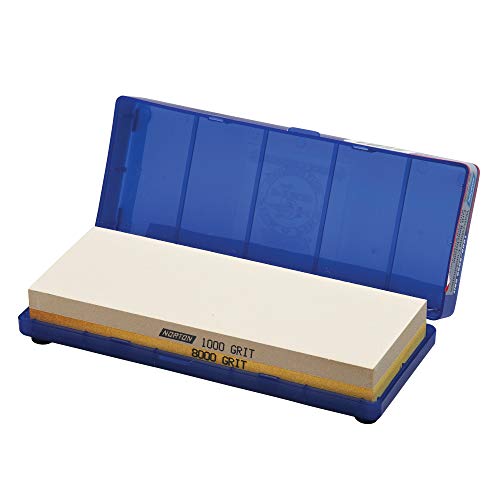
- Sharpen on a whetstone, flattening the back side of single-bevel blades.
- Use a wood or soft plastic board.
- Store in a sheath or on a magnetic rack.
Mistakes to Avoid
- Cutting bones with a thin slicing knife.
- Buying the wrong handedness.
- Letting carbon steel stay wet.
- Putting the knife in the dishwasher.
Single Bevel Versus Double Bevel Grinds
The post lists both flexible Western-style fillet knives and traditional single-bevel blades, and the grind is what separates them. A double-bevel knife is sharpened on both faces, so the edge sits in the center and the blade behaves the same in either hand. A single-bevel knife, such as a deba or yanagiba, is ground on only one face. The other face is flat or slightly hollowed.
That one-sided grind gives single-bevel knives their clean cut. The flat back lets the blade slice fish flesh with little resistance and leaves a smooth surface, which is why sushi chefs prefer them. It also has consequences. The knife tends to steer slightly toward the flat side as you cut, so you need to learn to correct for it. Sharpening requires a different method, because you work mostly on the beveled face and flatten the back lightly to remove the burr.
Handedness matters for single bevels, since the bevel faces a certain direction for a right-handed or left-handed cook. A double-bevel flexible fillet knife does not have this limit and is simpler for a household with several users.
- Single bevel: very clean slicing, a learning curve, hand-specific.
- Double bevel: versatile, easier to sharpen, works in either hand.
If you are new to Japanese knives, think about how much practice you want to invest. A double-bevel blade is the quick way into fish prep, while a single-bevel knife rewards patience.
Blade Length and Flexibility for Your Fish
The fish you cook should shape the length and stiffness of your knife. A flexible blade bends along the bones and lets you follow the spine and ribs, which is useful for fillets from slender or delicate fish where you want to leave as little meat on the frame as possible. A stiffer blade gives more control for firm flesh and larger cuts, and it is better for breaking through skin or small bones.
Length is a balance. Longer blades slice a fillet in one smooth pull, which gives cleaner surfaces and is what a yanagiba is for. Shorter blades are easier to steer in tight spaces and around small fish. Home cooks who mainly prepare fillets from small and medium fish often do well with a blade of moderate length, while those who slice large sashimi blocks may prefer a longer slicer.
Thickness at the spine is also important. A deba is thick and heavy so it can chop through heads and backbones, and it should not be used for delicate slicing. A thin yanagiba is for slicing only and should never be used on bone. Match the blade to the task and avoid using one knife for everything.
- Small or delicate fish: flexible, narrower blade.
- Whole fish breakdown: a heavier deba.
- Sashimi and sushi: a long, thin slicer.
Check the length and thickness on each listing, since makers list sizes in different units.
Steel Types, Hardness and What They Mean for Upkeep
Japanese kitchen knives are made from several steel families, and the choice affects sharpness, durability and care. Carbon steels take a very fine edge and are favored by many professionals, but they react with moisture and acidic foods and can stain or rust. Stainless steels resist rust and require less attention, though some take slightly more effort to sharpen. Others combine properties, such as stainless cladding around a hard core.
Hardness influences how long the edge lasts and how brittle the blade is. Harder steels hold a keen edge longer but can chip if twisted or used on bone. Softer steels are more forgiving and easier to sharpen, but need touching up more often. The post notes that hard steels hold a fine edge and some need careful drying, which is a good summary.
Think honestly about how you will care for a knife. If you wash and dry immediately and enjoy sharpening, carbon steel can be a pleasure. If you want low maintenance, choose stainless. Check the listing for the steel name and the handle and construction details, because similar names can refer to different grades.
- Never leave carbon steel wet or in contact with acidic food.
- Avoid dishwashers, as heat and detergent damage edges and handles.
- Use a wood or soft plastic board to protect the edge.
Sakai Takayuki carbon versions, mentioned in the post, are a reminder to read each listing.
Sharpening Single-Bevel and Flexible Blades
Good fish knives need regular sharpening, and the method depends on the blade. For single-bevel knives, work on the beveled face with a whetstone, holding the blade at a steady angle and using even strokes along the edge. Then place the flat back on the stone for one or two light passes to remove the burr. The back should stay flat, so do not remove much metal from it.
For double-bevel flexible fillet knives, the process is closer to a Western knife. Sharpen both sides evenly with a stone, but use light pressure, since the blade is thin and can flex. A honing rod made for fine Japanese blades can help between sessions, but avoid aggressive steels that can roughen a fine edge.
A medium-grit stone for regular sharpening and a finer stone for finishing cover most needs. Soak the stone if the maker recommends it, and keep it flat by occasionally lapping its surface. Take your time. Rushing leads to an inconsistent angle and a rounded edge.
- Learn the angle on an inexpensive knife first.
- Keep the stone wet and clean.
- Check the edge by slicing paper or a soft tomato, not by touching it.
If sharpening feels intimidating, a professional sharpening service can help, especially for expensive single-bevel knives. Look for one experienced with Japanese blades.
Handles, Balance and Everyday Handling
Handles and balance determine whether a knife feels like part of your hand. Japanese-style handles, often called wa handles, are lightweight, usually round or octagonal, and shift the balance toward the blade. Western-style handles are heavier and sit toward the back. Neither is better; the right choice depends on grip style and preference. Wa handles suit a pinch grip close to the blade, and Western handles suit a more traditional grip.
Check how the blade attaches to the handle. A tight, even fit with no gaps prevents water from getting in. Some wooden handles need occasional oil or care, while synthetic ones are tougher and simpler.
Handle size matters too. If you have small or large hands, look at the listing for dimensions or consider holding a similar knife in a shop. A balanced knife tires the hand less during repeated cuts, and a sound grip is safer when working with slippery fish.
Safety habits apply: use a damp cloth under your cutting board so it does not slide, keep the knife sharp, and cut away from your body. Store the knife in a sheath, a blade guard or on a magnetic rack where the edge will not knock against other tools.
- Wipe the blade between cuts to avoid slipping.
- Do not use a delicate slicer for bones or frozen fish.
- Replace or repair a loose handle at once.
A knife that matches your hands and your fish prep makes the work more enjoyable.
Japanese Fillet Knife FAQ
What is the difference between a deba and a yanagiba?
A deba is heavy and breaks down whole fish. A yanagiba is long and thin and slices raw fish.
Can a beginner use a single-bevel knife?
Yes, with patience. Learn the angle and sharpening method first, and start with a deba.
Is a flexible fillet knife enough?
For fillets, yes. It handles most home fish work well and is the easiest style to learn.
Do I need left-handed versions?
For single-bevel knives, yes if you are left-handed. Check the listing for the handedness option.
Is a single-bevel knife harder to sharpen than a standard knife?
It uses a different technique, working mainly on the beveled face and lightly flattening the back. It is manageable with practice, and many cooks learn on a less expensive knife first.
Can I use a yanagiba for filleting?
A yanagiba is a slicer for boneless fish and sashimi. It is too thin for bones, and for filleting whole fish you need a deba or a flexible fillet knife.
How do I choose between stainless and carbon steel?
Choose stainless if you want low maintenance and rarely dry knives immediately. Carbon steel can be easier to sharpen to a fine edge but needs drying and care. Check the listing for the steel type.
What cutting board is best for Japanese knives?
Wood and soft plastic boards are gentler on fine edges. Avoid glass, stone and hard ceramic surfaces, which can chip or dull the blade.
Why does my single-bevel knife pull to one side?
The one-sided grind makes the blade want to steer slightly as you cut. Adjust your angle and grip, and keep the knife sharp so you need less pressure.
Do I need a sheath for a Japanese knife?
A sheath or guard protects both the edge and your hands, especially in a drawer or bag. If you use a magnetic rack, place the blade carefully so the edge does not hit the magnet.
How often should I sharpen a fish knife?
It depends on use. If the knife starts to tear skin or needs pressure to cut, it is time to hone or sharpen. Regular light touch-ups work better than waiting until it is very dull.
Which Fish Calls for Which Knife
The kind of fish you handle should shape the purchase more than the brand. Small whole fish like trout or mackerel are often cleaned and filleted with a short, flexible blade that can follow the backbone. Large round fish and thick-bodied species benefit from a heavier knife that can cut through ribs and joints. Sashimi-style slicing of a boneless block is a different task again, and it is the job a long, slender blade is made for.
- Whole small fish, frequent filleting: a flexible fillet or boning knife, such as the Shun Classic listed above, handles curves around the bones.
- Heads, collars and thick bones: a deba, like the Tojiro DP, Kai Wasabi Black or Sakai Takayuki models, is built with a thicker spine for this work.
- Slicing prepared fillets thinly: a yanagiba, such as the Yoshihiro or Masamoto, is meant for long, single pulling strokes.
If you only prepare fish occasionally, one versatile knife is a better use of money than three specialist blades. Think honestly about how often you cut fish and which of the three jobs is most common in your kitchen.
Preparing Your Station: Boards, Towels and Handling Fish
A sharp knife is only part of clean fish work. The cutting surface, the grip on the fish and the temperature of the fish all change how smoothly a blade moves. Cold fish firms up and is easier to slice cleanly, while a warm fish smears. Dry the surface of the fish with a towel before cutting, because wet skin slips under the blade and the knife.
Use a board that is large enough to hold the fish without the tail hanging off the edge, and put a damp cloth under it so it does not slide. Softer boards such as wood or soft synthetic types are kinder to fine edges than glass, stone or very hard materials. Keep a bowl for scraps and a second towel for your hands so that the handle stays dry and controlled.
Food safety matters with raw fish. Wash the board, the knife and your hands with hot soapy water after handling, and keep raw fish separate from ready-to-eat food. If you plan to eat fish raw, follow trusted guidance on sourcing and freezing, since the knife cannot make unsafe fish safe.
Cutting Technique Basics for Fillets and Slices
Technique often matters more than the knife. For filleting, a steady, shallow cut along the backbone with the blade nearly parallel to the board lets the edge follow the bones and keeps more flesh on the fillet. Pressure should be light, because a sharp knife does the work and force leads to ragged cuts.
For slicing with a long knife, start with the heel of the blade at the far end of the cut and draw it toward you in one smooth motion, finishing at the tip. Sawing back and forth tears the surface of the flesh. Let the weight of the knife carry the cut, and wipe the blade between slices to keep each one clean. Take the time to practice on inexpensive fillets before moving to a high-quality block.
Keep your fingers curled back on the guiding hand, and always cut away from your body. Single-bevel blades and flexible blades react differently to pressure, so spend some time learning how yours responds before working quickly.
Budget Versus Premium: What Higher Prices Tend to Buy
Japanese fish knives span a wide price range. In general, higher prices tend to reflect finer steel, more careful grinding and finishing, better handle fit and the reputation of the maker. These traits can mean an edge that holds longer and a blade that feels more refined, but they do not change how well you cut if technique is poor. A mid-priced knife that you maintain well often serves a home cook better than an expensive one that sits unused.
Upkeep belongs in the budget too. A fish knife used on raw fish needs frequent honing and occasional sharpening, and a whetstone or guided system for single-bevel blades is an added cost. If you are not ready to learn sharpening, factor in a professional service or a simpler double-bevel knife that is easier to maintain at home. It is better to know this before purchase than to own a fine blade that slowly goes dull.
Also consider the sheath or saya. Longer blades like a yanagiba are easiest to protect in a wooden or plastic sheath, which also keeps the edge from rubbing against other tools in a drawer. If a knife ships without one, a simple blade guard is inexpensive and worth adding.
Buy for how you cook, not how a knife looks. Check the return policy, read recent buyer comments about fit, finish and edge condition on arrival, and confirm whether the knife is right-handed or left-handed before you order, since single-bevel blades are not symmetric.
Frequently Asked Questions
What size fish knife should a home cook buy first?
For general home use, a flexible blade of roughly the length of the fish you most often fillet is a practical start. Longer blades suit large fillets and slicing, while shorter ones feel more controlled on small fish. Check the listing length and think about your board size and the fish you actually cook.
Does cold fish really cut better?
Generally, yes. Chilled flesh is firmer, so it holds its shape under the blade and gives cleaner slices, while warm fish can smear and tear. Keep fish refrigerated until you are ready to cut, work quickly, and return the rest to the fridge. Food safety guidance also favors keeping raw fish cold.
Can I put a Japanese fish knife in the dishwasher?
It is best not to. Heat, detergent and tumbling against other items can dull the edge, damage the handle and cause corrosion or staining, especially on carbon steel. Hand wash with mild soap, dry the blade immediately, and store it where the edge will not rub against other utensils.
How do I stop fish skin from slipping under the knife?
Pat the skin dry, start with the fish cold, and use a sharp blade. Placing the skin side down on the board and sliding the knife between flesh and skin with a gentle sawing motion helps. A damp cloth under the board keeps everything stable so you can focus on the cut.
The Short Version
For whole fish, the Tojiro DP Deba. For everyday fillets, the Shun Classic. For sashimi, the Yoshihiro Yanagiba. For a first deba, the Kai Wasabi. For tradition, the Sakai Takayuki. For a sushi kit, the Masamoto.