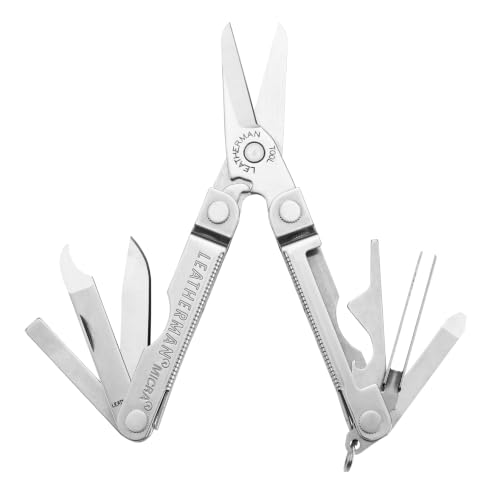
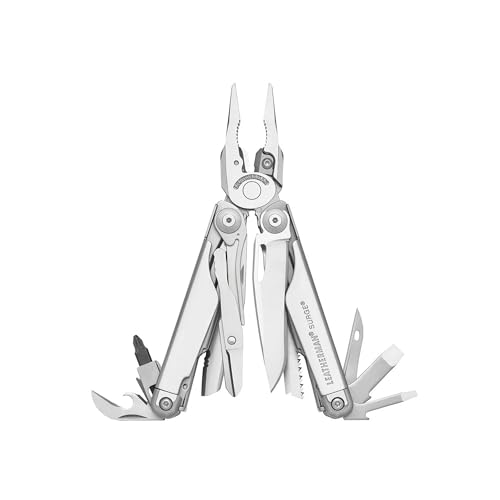
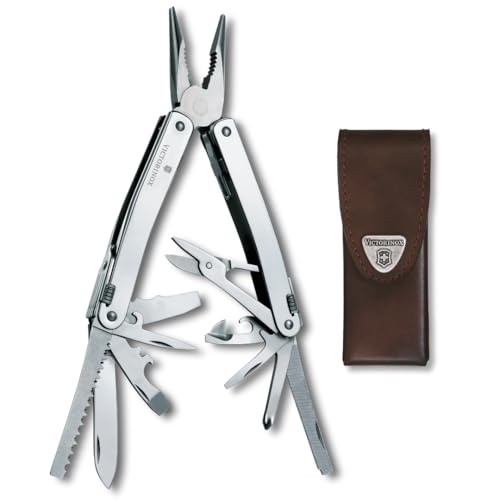
A Stanley knife is the everyday utility knife used for cutting cardboard, trimming carpet, scoring drywall and opening packages. The name is widely used for any retractable box cutter, though Stanley itself makes retractable, fixed, folding and snap-off versions. Choose by how often you use it, how you store it and how easy the blade is to change.
The six models below cover the main styles. We have not used these products ourselves, so confirm the blade type, body material and what comes in the pack on the current listing before buying. Handle blades with care and store the knife with the blade retracted.
As an Amazon Associate we earn from qualifying purchases. Links below are affiliate links, and they do not change the product information we give.
What to Look For
| Feature | Why it matters |
|---|---|
| Retractable blade | A retracting blade is safer to carry and store |
| Body | Metal bodies feel sturdy; plastic ones are lighter |
| Blade change | Quick-change designs speed up swaps without extra tools |
| Grip | A rubber grip helps in dusty or damp work |
| Spare storage | Blade storage inside the handle saves a trip to the toolbox |
In this guide
Specs at a Glance
| Knife | Style | Body | Notes |
|---|---|---|---|
| Stanley FatMax Retractable Utility Knife | Retractable | Metal and rubber | Heavy-duty feel |
| Stanley Classic 99 Retractable Utility Knife | Retractable | Metal | Long-standing pattern |
| Stanley Quick-Change Utility Knife | Retractable | Metal and plastic | Fast blade swaps |
| Stanley Fixed Blade Utility Knife | Fixed | Metal | Sturdy, no moving parts |
| Stanley Folding Pocket Utility Knife | Folding | Metal | Compact for pockets |
| Stanley Snap-Off Knife | Snap-off | Plastic or metal | Fresh edge by snapping |
The 6 Best Stanley Knives
Top pickBest for heavy jobs
1. Stanley FatMax Retractable Utility Knife
A heavy-duty retractable knife with a rubber-wrapped grip and a blade-change system. It is meant for workshops and sites where the knife is a daily tool. The grip is shaped to stay secure with gloves on.
Suits: heavy jobs. Strengths: a robust, comfortable grip. Weaknesses: a heavier build. Skip it if you want a very light knife.
View Stanley FatMax Retractable Utility Knife on Amazon
Best for traditional utility work
2. Stanley Classic 99 Retractable Utility Knife
A long-running metal utility knife with a slide-to-extend blade. It has an old-school design and spare blade storage in the handle.
Suits: traditional utility work. Strengths: a simple, sturdy design. Weaknesses: a basic grip. Skip it if you want a rubberized handle.

Best for frequent blade changes
3. Stanley Quick-Change Utility Knife
A retractable knife with a quick-change blade mechanism that lets you swap an edge without a screwdriver. It is handy for jobs that dull blades fast. Carpet fitters and box openers often prefer this style.
Suits: frequent blade changes. Strengths: quick swaps. Weaknesses: more moving parts than a basic knife. Skip it if you prefer a plain fixed knife.
Best for heavy materials
4. Stanley Fixed Blade Utility Knife
A sturdy knife with a blade that is held in place and does not retract. It gives a firm, steady cut for flooring and heavier materials. Keep a sheath or cover nearby when storing it.
Suits: heavy materials. Strengths: a rigid body. Weaknesses: the blade is always exposed unless sheathed. Skip it if you want a retractable safety feature.

Best for carrying in a pocket
5. Stanley Folding Pocket Utility Knife
A compact folding knife that takes standard utility blades. The body slips into a pocket without a sheath. It suits people who want a utility knife on hand while out and about.
Suits: carrying in a pocket. Strengths: a compact, folding body. Weaknesses: limited handle length. Skip it if you work on big jobs all day.
View Stanley Folding Pocket Utility Knife on Amazon
Best for cutting drywall and paper
6. Stanley Snap-Off Knife
A knife using segmented blades that you snap off to expose a fresh edge. It is a good choice for jobs where sharpness matters. Paper, plastic sheeting and thin board are typical uses.
Suits: cutting drywall and paper. Strengths: a fresh edge in seconds. Weaknesses: the blade can feel thinner. Skip it if you prefer a thick standard blade.

Care and Setup
- Retract the blade before putting the knife away.
- Wipe dust out of the slide mechanism.
- Replace blades when they start to tear instead of cut.
- Dispose of used blades in a sturdy container.
- Check the blade-release lever or screw now and then, since a loose blade wobbles in the cut.
Mistakes to Avoid
- Cutting toward your hand.
- Using a dull blade.
- Leaving the blade extended in a pocket or drawer.
- Using the wrong blade type.
- Using a utility knife for jobs that need a proper saw or chisel.
Choosing a Knife by Job and How Often You Use It
The right utility knife depends on what you cut and how many hours a week you hold it. For an occasional user who opens parcels and trims cardboard, a simple retractable knife is enough, and a light body is more comfortable than a heavy one. For a tradesperson cutting flooring, drywall paper, roofing felt or plastic sheeting all day, the grip, balance and blade-change speed matter far more, and a sturdier build is worth considering.
Think about the materials. Soft materials like paper and thin plastic need little force, while dense materials such as carpet backing, rubber or thick board need a rigid handle that does not flex. A fixed-blade knife is stiffer than most retractable models, and a quick-change design saves time if you wear blades out quickly. A snap-off knife suits tasks where a thin, sharp tip is useful, such as scoring or trimming.
- Occasional home use: a basic retractable knife with spare blade storage.
- Daily trade use: a robust body, comfortable grip and quick blade changes.
- Carrying in a pocket: a folding body that closes the blade away.
- Precision trimming: a snap-off style with a slim blade.
Be honest about frequency. Buying a heavy-duty knife for a few cardboard boxes a year adds weight and cost you will not use, while a very light knife used all day can tire the hand.
Retractable, Fixed and Folding Mechanisms Compared
The mechanism decides how safe the knife is to carry and how firmly it cuts. A retractable knife has a slider or a lever that extends the blade to chosen lengths and pulls it back into the handle. This is convenient for storing in a pocket, bag or tool belt, and it limits exposed edge when you are not cutting. The slider has moving parts that can collect dust and wear over years, and a loose slider may let the blade creep back during a cut.
A fixed-blade utility knife keeps the blade at a set position. It has no sliding parts to wobble, which gives a solid feel for heavy cuts, but the blade is always exposed unless the knife is sheathed or capped. It suits work where you keep the knife in a holster or a toolbox with a cover.
A folding utility knife swings the blade into the handle, as a pocket knife does, and usually has a lock to hold it open. It is compact and keeps the blade closed in your pocket. Check that the lock is secure before you cut and look at how easily the blade releases, since a poor lock is a hazard. Whatever type you pick, test the action: the blade should lock firmly at every stop, with no side-to-side play.
Grip, Weight and Comfort Over Long Use
A knife that feels fine for one cut can cause strain after an hour. Look at the shape of the handle and where your fingers rest. A handle that fits your hand lets you apply force without squeezing hard, which reduces fatigue. Rubberized or textured grips help in dust, damp or when wearing gloves, while smooth metal can become slippery with sweat or oil.
Weight is a tradeoff. A heavier body gives stability and can help with steady, long cuts, but it can tire your hand over a shift. A light body is easy to carry and suits short tasks, though it may flex on heavy cuts. Balance matters too: a knife that feels blade-heavy can be harder to control than one with weight toward the handle.
If you wear gloves, test the knife with them on, because a slim handle may be hard to grip in thick gloves. Left-handed users should check that the knife works comfortably in either hand, since sliders and release buttons are often placed for right-handed use. Look at the guard or finger notch at the front of the handle, which stops your fingers sliding toward the blade. Also consider the pull force on the slider: it should move with intent, but not so stiffly that you need two hands.
Safe Handling and Workplace Habits
Utility knives cause many hand injuries, mostly through slips and careless storage, so build good habits. Cut away from your body and your supporting hand, never toward them. Keep your free hand behind or beside the cutting line, not in front of it. Use a straight edge for long cuts, and make several light passes instead of one forceful one. A sharp blade needs less pressure and gives you better control.
Extend the blade only as far as the job needs. A long exposed blade is easier to break and can cut deeper than intended. Retract it before you walk, climb a ladder or set the knife down. Never leave an exposed knife on a surface where someone might grab it, and do not carry one loose in a pocket with the blade out.
- Cut on a stable surface or a cutting mat.
- Wear cut-resistant gloves if your employer or the task calls for them.
- Do not use the knife to pry, scrape paint or open cans.
- Keep children away from the knife and its spare blades.
At work, follow your site rules on which knives are allowed. Some employers require retractable or self-retracting designs, and local carry laws apply in public. Replace the blade the moment it dulls, because a dull edge slips.
Maintenance and Signs It Is Time for a New Knife
A utility knife needs little care, but a few habits help it last. Open the handle now and then and brush out dust and cardboard fibres from the slider and blade seat. Check the screw or latch that holds the body together, and tighten it gently if it has loosened. Wipe the blade of glue, tape residue and oil, and put a drop of light oil on the slider only if the manual allows it. Keep the knife dry to avoid rust on the blade holder and screws.
Check the blade seat. If the blade rocks or shifts during a cut, the seat may be worn or dirty, or the blade may be the wrong type for the knife. A wobbly blade cuts poorly and can snap, so fix it before the next cut. Keep spare blades inside the handle if there is storage, or in a dispenser, and dispose of old ones in a sturdy container.
Signs that the knife itself should be replaced include a slider that will not hold its position, a cracked or bent handle, a body that no longer closes squarely, a lock that does not hold on a folding model, or a blade seat that is deformed. Repairing a basic utility knife is rarely worth the effort, and a replacement costs little compared with an injury. If a knife has been dropped hard, inspect it carefully before trusting it again.
Stanley Knife FAQ
Are Stanley knife blades universal?
Many utility blades are a standard shape, but check the knife’s listing for compatibility.
Fixed or retractable?
Retractable is safer to carry. Fixed is more rigid for tough cuts.
Is a snap-off blade worth it?
If you want a fresh edge fast, yes.
How do I dispose of old blades?
Use a sturdy container or a dispenser’s disposal slot.
Can I carry a Stanley knife in a toolbox?
Yes, with the blade retracted or the folding body closed, and ideally in its own pouch.
Is a retractable or a fixed-blade knife better?
Retractable is safer to carry and store, while fixed is stiffer for heavy cuts. Choose by how you work and how you will store it.
How far should I extend the blade?
Only as far as you need for the cut. A shorter exposed blade is stronger and easier to control.
Why does my blade wobble in the cut?
The body may be loose, the seat may be dirty or worn, or the blade may not suit the knife. Tighten and clean it, and replace the knife if the wobble continues.
Can I carry a utility knife in my pocket?
A folding model or one with the blade fully retracted is safer, but carry laws and workplace rules vary, so check local requirements.
Do I need a gloved-hand friendly knife?
If you wear gloves, test the grip with them on. Rubberized handles and a front guard help.
What should I not cut with a utility knife?
Avoid hard or abrasive materials, metal, wire and anything that needs a saw or chisel. Using the wrong tool risks injury and damages the blade.
How do I keep children safe?
Store the knife and spare blades out of reach, in a locked box if possible. Never let children use one without close supervision.
How often should I clean the knife?
Brush out dust whenever you change a blade or the slider feels gritty. Clean more often in dusty work.
Blade Shapes and Where Each One Earns Its Place
Most people picture a single trapezoid blade when they think of a utility knife, but the blade you load changes what the tool does well. The standard trapezoid blade, with a straight cutting edge and two usable ends, is the general-purpose choice for cardboard, packaging, drywall paper, and carpet backing. It is what most retractable and quick-change knives in this guide are designed around.
Other shapes exist for specific work. A hook blade curves inward so you can pull it through roofing material, vinyl, or linoleum without the tip digging into what is beneath. A rounded-tip blade reduces the chance of puncturing the surface under what you are cutting, which helps when trimming flooring or opening a package that holds something fragile. Snap-off blades, found on tools like the Stanley snap-off knife, are thinner and segmented, so you can break off a dull tip and expose a fresh one in seconds.
- Standard trapezoid: the all-around default for boxes, drywall, and light trim work.
- Hook or roofing blade: for pulling cuts through shingles, vinyl, and thick sheet goods.
- Rounded or safety-tip blade: for situations where a sharp point can damage what lies beneath.
- Snap-off segment: for quick, repeated renewal of the edge on a slim tool.
Before you buy a knife, check which blades it accepts. Some tools take a wide range of standard blades, while others accept only a specific cartridge. A handle that fits many blade types is more flexible, and replacement blades are easy to find in hardware stores.
Blade Materials and Coatings
Blades differ in steel and finish, and the differences show up in how long a blade lasts and how it behaves in different materials. Basic carbon steel blades are inexpensive and sharp but can rust if stored in a damp toolbox. Heavier-duty blades often use a harder steel or a coating designed to reduce friction and wear. Some are advertised as lasting many times longer than a standard blade, though the real gain depends on what you cut.
Abrasive materials such as drywall, fiberglass, and cardboard with grit wear any edge quickly, and a coated or harder blade helps most in those cases. For clean cuts in paper, film, and thin plastic, a simple sharp blade is usually enough and a premium blade may not make a noticeable difference.
Keep a few points in mind when comparing blades:
- Hardness helps with edge life but can make a blade more brittle, so a hard blade may snap if you twist it in a cut.
- Coatings can reduce friction and corrosion, but they wear off at the cutting edge first.
- Thickness affects stiffness. A thicker blade resists flexing in dense materials, while a thin blade slices more easily through soft ones.
A bulk pack of blades is generally the best value if you use a knife often. Store them in a dispenser or a tin so that loose edges do not cut hands, and always keep spares in the same place you keep the knife.
Matching a Knife to the Trade
A utility knife appears in almost every trade, but each trade uses it differently, and that shapes which tool will frustrate you least.
Carpentry and drywall
Drywall work involves scoring and snapping sheets, trimming paper, and cutting openings. A sturdy, comfortable handle and a quick way to swap blades save time, since drywall dulls an edge quickly. A retractable knife like the Stanley Classic 99 suits this kind of daily work.
Flooring and roofing
Cutting vinyl, carpet, and underlayment demands strong blades that can handle repeated passes, often with a hook blade. A fixed or heavy-duty handle that resists flexing helps with control when pulling along a straightedge.
Warehouse, retail and shipping
Opening boxes all day favors a lightweight, easily retractable tool, ideally with a guarded or short blade exposure so that the contents are not damaged. Safety features matter, since many injuries happen during rushed box opening.
Crafts and home projects
For cardboard models, vinyl, and photo mounting, a snap-off or precision-style tool gives a fine tip and fresh edge. A folding pocket knife suits an occasional household user who wants one compact tool in a drawer.
Electrical and plumbing
Stripping cable jackets and cutting tape or packaging rewards a knife with a compact profile, a sheathed blade, and good grip even when hands are dusty or damp.
Budget Versus Premium Utility Knives
Utility knives are inexpensive, so the premium upgrade is more about comfort and durability than raw cutting ability. A basic metal-bodied knife from a trusted brand will cut as well as a pricier one on day one. What higher-priced models offer is a more refined build: thicker metal housings, tighter blade seats that do not wobble, rubberized grips, easier blade changes, and storage for spare blades in the handle.
If you use a knife a few times a month, a basic retractable model is perfectly adequate. If you cut all day, extra comfort and a more secure blade lock quickly justify a moderate step up, as hand fatigue and blade slippage become real concerns. Avoid the very cheapest unbranded tools if they have flimsy sliders, because a blade that creeps back into the handle during a cut is a nuisance and a safety risk.
Remember that the best upgrade is often the blades, not the handle. A fresh, quality blade in an ordinary knife cuts better than a worn blade in an expensive one.
Frequently Asked Questions
What is a hook blade used for?
A hook blade has a curved cutting edge that pulls through material without the point digging in. Roofers, flooring installers, and people cutting vinyl or thick sheeting use it for controlled, steady cuts. It requires a knife that accepts that blade style, so check compatibility before you buy.
Can I sharpen a utility knife blade?
It is possible but rarely worth it. Utility blades are thin, inexpensive, and designed to be replaced. Trying to hone one can leave an uneven edge and is not an efficient use of time. For a clean cut, swap in a new blade or snap off a fresh segment.
What is the difference between a utility knife and a box cutter?
The terms overlap, and many people use them interchangeably. A box cutter usually refers to a lighter tool designed mainly for opening cartons, often with a short blade. A utility knife is typically sturdier, takes standard trapezoid blades, and handles a broader range of materials.
Should I use a holster or lanyard with a utility knife?
A sheath or belt holster keeps the blade covered and within reach, which reduces the chance of cuts when carrying the knife. A lanyard helps prevent drops when you work at height. Both are small, low-cost additions, and they suit anyone who uses a knife on a job site.
The Short Version
For heavy jobs, the FatMax. For a classic, the Classic 99. For fast blade swaps, the Quick-Change. For rigid cuts, the Fixed Blade. For pockets, the Folding model. For fresh edges, the Snap-Off.