A folding fruit knife is a small, clean-cutting pocket knife for apples, pears, cheese and picnic food. The best ones have a slim blade that does not bruise fruit, a handle that is comfortable to hold and a lock or friction mechanism that keeps the blade steady.
The six below include French and Swiss classics, a stockman-style traditional and a small modern folder. Several are available in stainless steel, which is easy to clean after cutting juicy fruit. We have not used these products ourselves. Details change between listings and versions, so confirm blade length, steel and what is included on the current listing before you buy.
As an Amazon Associate we earn from qualifying purchases. Links below are affiliate links, and they do not change the product information we give.
What to Look For
| Feature | Why it matters |
|---|---|
| Blade steel | Stainless steel resists staining from fruit acids |
| Blade shape | A slim blade cuts fruit cleanly without crushing |
| Lock | A lock adds safety, especially when your hands are wet |
| Size | A compact knife is easy to carry in a lunch bag |
In this guide
Specs at a Glance
| Knife | Origin | Handle | Notes |
|---|---|---|---|
| Opinel No.8 Stainless | French | Beech wood | Twist-ring lock |
| Opinel No.6 Stainless | French | Beech wood | Smaller than the No.8 |
| Victorinox Classic SD | Swiss | Plastic scales | Small multi-tool with a knife blade |
| Victorinox Climber | Swiss | Plastic scales | Includes a knife blade and extra tools |
| Case Peanut | American | Various handle options | Small traditional folder |
| Kershaw Scallion | American brand | Aluminum or similar | Small modern folder |
The 6 Best Folding Fruit Knives
Top pickBest for picnics and orchard walks
1. Opinel No.8 Stainless
A French folding knife with a beech wood handle and a locking collar that secures the blade. The stainless version resists staining.
Suits: picnics and orchard walks. Strengths: a classic design and a clean slicing blade. Weaknesses: wood can swell if left wet. Skip it if you want a one-hand opener.
View Opinel No.8 Stainless on Amazon
Best for lunch boxes and light use
2. Opinel No.6 Stainless
A smaller version of the classic Opinel, with a shorter blade that is easier to slip into a bag or pocket.
Suits: lunch boxes and light use. Strengths: compact size and a low price. Weaknesses: a short blade for large fruit. Skip it if you cut melons.
View Opinel No.6 Stainless on Amazon

Best for keychains and bag pockets
3. Victorinox Classic SD
A tiny Swiss Army knife with a small blade, scissors and a few other tools. It is more of a keychain companion than a dedicated fruit knife, but it works for light slicing.
Suits: keychains and bag pockets. Strengths: tiny and versatile. Weaknesses: a small blade. Skip it if you want a larger handle.

Best for picnic baskets and camping
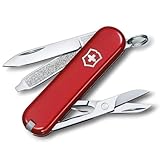
4. Victorinox Climber
A mid-size Swiss Army knife with a main blade and several tools. The extra tools suit picnics and camping.
Suits: picnic baskets and camping. Strengths: a trusted brand and useful extras. Weaknesses: thicker in a pocket. Skip it if you only need a blade.


Best for those who like traditional design
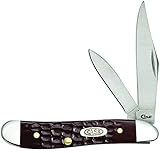
5. Case Peanut
A small traditional folding knife from an American maker, with a slim shape that fits neatly in a pocket. Handle options vary.
Suits: those who like traditional design. Strengths: a small, elegant shape. Weaknesses: no lock on many traditional patterns. Skip it if you want a locking blade.
Best for those who want one-hand opening
6. Kershaw Scallion
A small modern folder with an assisted opening design and a compact frame. Check the listing for the exact steel and handle.
Suits: those who want one-hand opening. Strengths: a compact, modern design. Weaknesses: less traditional looks. Skip it if assisted opening is a concern in your area.
View Kershaw Scallion on Amazon
A fruit knife does not need to be fancy. The aim is a clean, thin cut that does not crush soft fruit or brown it. Keep one dedicated to food so the blade never carries oil or grime from other chores, and wipe it after each use. For picnics, pair it with a small board, and carry it in a pouch so crumbs and juice stay out of your bag.
Care and Setup
- Rinse and dry the blade right after cutting fruit.
- Keep wooden handles dry to avoid swelling.
- Add a drop of food-safe oil to the pivot as needed.
- Store the knife in a clean pocket or pouch.
Whichever you choose, check how the blade feels when it opens. A smooth, firm action with no wobble means a safer cut. Cleaning is easy too: warm water, a quick wipe and a dry cloth are enough to keep the blade fresh for the next snack.
Mistakes to Avoid
- Using a carbon steel blade on acidic fruit without wiping it.
- Cutting toward your hand while holding fruit.
- Leaving a wooden handle soaking in water.
- Forgetting to check local rules before carrying a knife.
Blade Shape and Edge for Fruit
Fruit is soft, juicy and sometimes tough-skinned, and the blade should suit all three. A thin blade with a fine edge glides through peaches, apples and pears with little bruising. A pointed tip helps with coring and removing blemishes, while a slightly curved belly works well for peeling. A broader blade is more comfortable for slicing melons, though it takes more room in a bag.
Edge type affects the cut. A plain edge gives the cleanest slices and is easy to sharpen. A serrated edge grips slippery skins such as tomatoes but tears soft fruit and is harder to maintain. For most picnic fruit, a plain edge is the better choice. Consider how thick the blade is behind the edge, because a very thick spine can wedge in dense fruit.
A sharp knife is safer, since you do not need to force it. Test sharpness on a piece of paper or a soft fruit skin when the knife arrives. If it needs sharpening, do it before the first picnic.
Hygiene and Food Safety on the Go
A knife that touches food needs to be clean. Wash the blade with soap and water, rinse and dry it before packing, and avoid wiping it on clothing. If you cut meat or cheese with the same knife, clean it between foods to avoid transferring flavors and bacteria. A folding knife can trap crumbs and juice in the pivot, so open it fully and rinse the handle area when you are done.
Consider the handle materials. Smooth plastics and metals clean easily, while porous woods may absorb juice and need careful drying. Some folding knives have slots or gaps that collect residue, so check whether the design allows you to rinse and dry inside the handle.
Pack a small cloth or paper towel with the knife and keep it in a clean bag or case. Avoid storing a damp knife folded for long periods, since moisture trapped inside the handle can encourage rust or mildew. If the knife will touch food, follow the maker’s cleaning instructions and avoid harsh chemicals.
Pivot, Lock and Safe Carry
A folding blade must stay put while you use it. Look for a lock, or at minimum a firm friction pivot, and check how easily the blade closes accidentally. A knife that closes on your fingers while you are cutting a tough apple is a hazard. Some simple traditional folders rely on a ring or collar that locks the blade open, which is quick to operate but needs a small twist.
Opening should be manageable with one hand or with a nail nick, and closing should not require your fingers to cross the edge. Practice both with the knife empty before you rely on it at the table. Children should use knives only with supervision and with a design suited to their hands.
Carry the knife in a bag pocket or small pouch so the edge cannot nick other items. If you travel, check local laws on carrying folding knives in public and on transport, because rules vary by place. A small blade length is often easier to carry legally, though you should confirm the rules for your location.
Steel, Handle and Finish Choices for Wet Food
Fruit is acidic and wet, which can stain or corrode certain steels. Stainless steel is generally easier to care for because it resists rust, though no steel is entirely maintenance free. Carbon steel can take a sharp edge and may develop a patina, a dark layer that forms with use, and it can react with acidic foods, tinting the fruit or leaving a metallic taste.
Handle choice affects comfort and cleaning. Wood feels pleasant but should be dried promptly. Polymers resist moisture and tend to be lighter. Metal handles are durable but can feel slippery with juice on your fingers. A handle with a slight texture or a shaped swell gives a more secure grip.
Finish matters too. A satin or brushed finish hides scratches better than a mirror polish, and a coating that wears off can expose the metal underneath. Read the listing for steel type and any coating, and think about what you would be comfortable with in contact with your food.
Size, Budget and When to Retire the Knife
For picnics and lunches, a modest blade length and compact folded size suit most people. A small knife is easy to carry but may struggle with large melons or pineapples, while a larger one is bulkier but handles more fruit. Consider what you pack most often and choose accordingly.
Budget tiers can be thought of simply. Entry-level folders do the basic job and may need more frequent sharpening. Mid-range options typically improve steel, lock and finish. Higher-priced folders often add refined materials and tighter tolerances, which matter more for daily carry than for occasional fruit slicing. For most picnics, a dependable plain-edge folder that is easy to clean is enough.
Questions to ask before buying include: is the steel stainless, does the blade lock, can I clean the handle, what is the blade length, and is the knife legal to carry where I live? Retire the knife if the blade wobbles, the lock fails, rust pitting grows, the handle cracks or the edge no longer sharpens. A knife that can no longer hold its position is unsafe for food preparation.
Folding Fruit Knife FAQ
Is stainless steel better for fruit?
Generally yes, because it resists staining from acid.
Do I need a locking knife?
A lock adds safety, particularly with wet hands.
What blade length is best?
A short to medium blade handles most fruit and cheese.
Can I use a multi-tool knife?
Yes, though the blade may be small. Clean it well after use.
Can I cut meat and fruit with the same folding knife?
You can if you wash and dry the knife thoroughly between foods. It is better to keep fruit and raw meat tools separate for hygiene when you can.
How do I sharpen a small folding knife?
Use a fine stone or a guided sharpener at the angle the maker suggests, working both sides evenly. Finish by wiping off metal dust before using the knife on food.
Is a serrated folding knife better for fruit?
Serrations help with slippery skins but tear soft flesh. A plain, sharp edge is generally cleaner for most fruit.
Will the knife make fruit brown faster?
Cut fruit browns when exposed to air regardless of the knife, though a very reactive steel can add a metallic taste. Stainless steel is the safer choice for acidic fruit.
Can I wash a folding knife in the dishwasher?
It is usually not recommended. Hand wash, rinse the pivot area and dry the knife fully to avoid rust and wear.
What should I do if the blade becomes loose?
Check whether the pivot screw can be tightened according to the manual. If the wobble persists or the lock is unreliable, replace the knife.
Putting the Six Folding Fruit Knives Head to Head
A fruit knife lives a double life: it is a food tool that must stay clean and a pocket tool that must travel safely. The six picks above balance those lives differently, and this section compares them by the outings they suit best. One habit applies to every pick: carry the knife closed, in a pouch or a dedicated pocket, and open it only at the board or the picnic blanket. A small blade deserves the same discipline as a large one, and food work adds its own rule, which is to start with clean hands, a clean blade and fruit that has been washed.
Opinel No.8 versus Opinel No.6: one design, two appetites
The two Opinels are the same classic French design at different sizes, with beech wood handles, stainless blades in the versions listed here, and the maker’s locking collar that secures the blade open. The No.8 is the picnic-basket size: enough blade for apples, pears, cheese-adjacent duty and sharing a melon among friends, with a handle that fills the hand properly. The No.6 trims everything down for lunch boxes, handbags and light use, and its stated weakness is simply length; it is the wrong tool for large fruit. Both share the family care note, which is that wood can swell if left soaking wet, so wipe the handle dry after washing rather than leaving the knife in a wet sink. Choose by the fruit you actually cut: if a weekly shop includes melons and large orchard fruit, the No.8 earns its size; if the knife mostly meets apples, plums and sandwiches, the No.6 disappears into a bag and is always there when wanted.
Victorinox Classic SD versus Victorinox Climber: how much tool do you want?
The two Swiss Army picks bracket the multi-tool question. The Classic SD is a keychain companion first and a fruit knife second: a small blade, scissors and a few other tools in a package so tiny it is never left behind. For strawberries, grapes, opening a snack packet or trimming a stem, that small blade is genuinely enough, and its limitation only appears when the fruit gets large or the group gets big. The Climber steps up to a mid-size tool with a more capable main blade plus extras that suit picnics and camping, at the cost of a thicker pocket feel. Choose the Classic SD if the knife’s job is to exist on your keys for small, frequent moments. Choose the Climber if one tool must cover a picnic basket’s worth of small jobs, from cutting fruit to opening bottles. With either, wash and dry the joints after food use, because juice and sugars work into pivots and handles.
Case Peanut versus Kershaw Scallion: tradition against modern carry
These two are the style poles of the list. The Case Peanut is a small traditional pattern from an American maker, slim and elegant in the pocket, with the classic caveat that many traditional patterns have no lock, so it suits deliberate, light cutting where the user keeps the blade loaded correctly and closes it with two hands and full attention. The Kershaw Scallion is the modern answer: a compact frame with assisted opening for one-hand use, with the matching caveat to check that assisted opening suits the rules where you live and travel. For fruit specifically, both slice well; the decision is about carry style and local comfort. Traditionalists who enjoy the ritual of a pocket-worn classic will use the Peanut for years. Users who want the knife open quickly while holding a fruit in the other hand will prefer the Scallion. Neither is the melon knife; both are the everyday apple-and-pear knife.
Setting Up a Fruit Knife That Stays Food-Safe
Because these knives move between pockets and plates, a small routine keeps them pleasant and safe. Dedicate the knife to food, as the guide above advises, so the blade never picks up tape residue, soil or workshop grime. Before an outing, wash the blade with warm soapy water, rinse and dry it fully, including around the pivot, then slip it into a clean pouch. At the picnic, cut on a small board or a clean plate rather than in your palm, keep the blade pointed down and away when passing fruit around, and wipe the blade between strongly flavored items so garlic-adjacent board smells never meet the strawberries. Afterward, wash again, dry the pivot area with particular care on the wooden-handled Opinels, and store the knife dry. If the knife will sit unused for weeks, a trace of food-safe oil on the blade, wiped thin, protects it in a damp kitchen drawer. None of this takes long, and it is what separates a knife that is a pleasure at every picnic from one that develops sticky pivots and off flavors.
More Folding Fruit Knife Questions
Which of these six handles a full picnic for four people best?
The Opinel No.8, helped by a small board. It has the blade length and handle size for a spread of fruit and shared cutting, while the smaller picks are better as personal knives. The Victorinox Climber is the alternative when the picnic also needs scissors and openers in the same tool.
How do I keep juice from making the pivot sticky?
Rinse the knife soon after use rather than letting sugars dry in the joint, work the blade open and closed under the rinse, then dry it thoroughly and leave it open for a few minutes so the pivot air-dries. A knife that is already sticky usually recovers with warm soapy water and patient working of the joint; avoid forcing it or prying at the pivot.
Is a locking collar or ring necessary for fruit cutting?
Not strictly, because fruit cutting uses light, controlled pressure, and traditional non-locking patterns like the Case Peanut have served for generations. A lock, such as the Opinel’s collar, adds reassurance when you are learning or when the knife is shared among less experienced hands. Technique matters more than hardware: cut away from the holding hand and keep fingers clear of the blade’s path either way.
What is the best way to carry a fruit knife in a lunch bag?
Closed, in a small pouch or sheath, in a side pocket of the bag rather than loose among food containers. A pouch keeps the blade from nicking containers and keeps crumbs and moisture away from the pivot. Never carry any folding knife loose and open, and check the knife is fully closed before the bag is zipped.
When should a small fruit knife be replaced rather than sharpened?
When the pivot has developed looseness that does not settle, when the blade has been sharpened down so far that its shape no longer slices cleanly, or when a wooden handle has cracked or stays swollen. Small knives are worked hard for their size, and a worn pivot is a safety issue, not just an annoyance, because a blade that moves unexpectedly is harder to control.
How Each Pick Behaves Fruit by Fruit
Fruit is not one task. A melon, an apple and a bowl of strawberries ask different things of a small blade, and the six picks sort themselves quickly once the menu is specific. Work through the examples below with your own usual fruit in mind, and keep the picnic rules constant: cut on a board or plate, keep the holding hand’s fingers curled away from the blade’s path, and pass fruit, never the open knife, to other people.
Apples, pears and stone fruit
Orchard fruit is the home ground of this whole list. The Opinel No.8 quarters an apple with room to spare and its blade length makes coring strokes comfortable; the No.6 handles the same fruit with a little more care around the core. The Case Peanut is the traditionalist’s apple knife, slim and unhurried, best in hands that enjoy the pattern’s deliberate pace. The Kershaw Scallion opens one-handed while the other hand holds the fruit steady on the board, which some users find genuinely convenient at a picnic table. The Victorinox Climber’s main blade covers orchard fruit easily, and the Classic SD manages slices for a child’s snack, though its small blade makes quartering large fruit a patience exercise. For peaches and plums, all six do well; the sharpest, cleanest blade wins, because ripe stone fruit bruises under a dull edge.
Melons, pineapples and the big-fruit problem
Large fruit exposes the list’s honest limit: none of these is a melon knife, and pretending otherwise leads to awkward, forceful cutting, which is where small knives become unsafe. The Opinel No.8 is the most capable here for wedges and for trimming rind from a pre-cut slice, and it is the pick to bring when melon is on the menu and a kitchen knife is not available. The sensible pattern for big fruit is to make the first cuts with a proper kitchen knife at home, transport wedges, and let the folding knife do portioning at the table. That division of labor is not a compromise; it is how experienced picnic cooks actually work, and it keeps every cut in the small knife’s comfort zone.
Berries, grapes and small, fiddly work
At the small end, the Victorinox Classic SD comes into its own: hulling strawberries, halving grapes for small children and trimming stems are exactly the jobs its little blade and scissors were made for. The Peanut and the No.6 handle the same work with a touch more blade. The larger picks feel oversized here, which is a reminder that in this category, carrying the smallest adequate knife is a feature. Parents preparing fruit for young children will find the Classic SD or the No.6 living in the bag permanently, because the tasks repeat daily and the knives ask almost nothing in return.
Teaching Children and Beginners With a Fruit Knife
A small folding fruit knife is often a child’s first real knife, and the picks in this list include good teaching tools when an adult sets the pattern. Start with the knife closed and the rules stated plainly: the knife opens only at the table, cuts only on the board, and closes before anyone stands up. Choose a locking design such as the Opinel’s collar for a learner, because it removes one variable while technique forms, and begin with soft fruit, bananas, ripe pears and strawberries, where little force is needed and success comes quickly. Sit beside the learner, keep your own hands clear, and teach the curled-finger grip on the holding hand from the first cut. Sessions should be short, cheerful and ended before tiredness makes hands careless. A child who learns on fruit, with a clean, sharp, properly sized knife and an adult’s full attention, learns the habits that make every later knife safer: patience, a stable board, and closing the blade as a reflex.
Keeping a Rotation: When One Fruit Knife Is Not Enough
Households that picnic, lunch away from home and snack in gardens often end up with a small rotation, and this list supports that pattern neatly. A No.8 or Climber lives in the picnic basket, ready for group outings. A No.6 or Classic SD lives in the daily bag for lunches and small fruit. A Peanut or Scallion lives in a pocket for the orchard walk and the farmers’ market. The rotation works because each knife has a home, which means each is findable, clean and stored in its pouch rather than migrating between bags and gathering crumbs. If you build such a rotation, keep the care routine uniform across all of them: wash, dry, pouch, so no knife becomes the neglected one. And when a knife in the rotation wears out, replace it in the same role; the system, more than any single knife, is what makes fruit away from the kitchen easy.
The Fruit Knife at the Farmers’ Market and the Orchard
Some of this category’s happiest work happens before the fruit reaches home. At a farmers’ market, a small folding knife lets you taste before you buy in the most literal way, sampling a slice from a grower’s offered fruit, trimming a bruise to check its depth, or portioning a melon wedge for children on the spot. The Opinel No.6 and the Case Peanut shine here, because they appear and disappear in seconds, read as friendly tools rather than equipment, and ask nothing of anyone’s comfort. At pick-your-own orchards, the same knives portion apples between the rows, cut twine and tags, and handle the small repairs of a day outdoors, with the Victorinox Climber earning its thicker carry when the outing includes a picnic that needs scissors and openers as well. Two courtesies govern this public use. Ask before cutting any fruit that is not yours, and sample only what a grower offers; a knife produced uninvited at a stall can read very differently from the same knife produced with a smile and a question. And keep the blade’s public life brief: open, cut, wipe, close, pocket. A fruit knife handled this way is part of the pleasure of markets and orchards, connecting the buyer to the food in a way plastic-wrapped produce never does, and it is one of the strongest arguments for keeping one of these small folders in every household’s daily bag.
Sharpening Small Blades Without Ruining Them
Small folding blades are easy to sharpen badly, because their size tempts people to scrub them quickly across coarse tools. The better method is slower and simpler. Use a fine stone, a fine ceramic rod or a guided system that holds the angle for you, and work with light strokes that follow the blade’s full length, a few on each side, checking the edge against a tomato skin or a piece of fruit rather than a thumbnail. The Opinels’ thin blades respond beautifully to this gentle treatment and need it rarely if the edge is stropped or lightly honed between sharpenings. The Victorinox pair and the Peanut take the same routine kindly. The Scallion’s assisted mechanism asks for one extra care: keep grit and slurry out of the pivot while sharpening, and rinse and dry the knife afterward so the action stays clean. Avoid aggressive pull-through sharpeners on these small, thin edges, avoid grinding wheels entirely in home hands, and never sharpen a knife that is dirty from food, because grit ground into a pivot during sharpening outlasts the session. A small blade kept keen with minutes of care will slice fruit cleanly for years, and the ritual itself, unhurried and at a table, is a pleasant part of owning any of these six knives.
What to Pack Around the Knife: The Complete Small Fruit Kit
The knife is the center of a small kit that experienced picnic and lunch carriers assemble once and then stop thinking about. The kit fits in a pouch or a bag pocket: the knife itself, closed and sheathed or pouched; a small board or a rigid plate that gives the blade a safe surface anywhere; a cloth for wiping the blade and hands; a tiny container for pips and peelings so scraps never scatter; and, for households with children, a few plasters kept from long habit rather than expectation. Around the seasons the kit barely changes. Spring adds a small towel for market fruit, summer adds a second cloth because melon juice travels, and autumn orchard trips add a bag for the fruit itself. The Victorinox Classic SD effectively pre-builds part of this kit onto a keychain, which is why it survives in so many bags, while the larger picks reward the full pouch treatment. The point of the kit is not gear for its own sake; it is that a complete, findable, clean setup makes the knife pleasant to use every time, and pleasant tools are the ones that get carried, maintained and enjoyed for years.
One Last Check Before You Order
Before ordering any of the six, let your fruit bowl decide. Look at what is actually in it this week and what the next month of lunches, picnics and market trips will ask a small knife to do. Mostly apples, pears and small fruit, carried daily in a bag or pocket, points to the Opinel No.6, the Case Peanut or the Kershaw Scallion, with the choice among them made by taste: classic French, classic American or modern assisted. Regular group picnics and larger fruit point to the Opinel No.8, the one knife here that never feels undersized at a shared table. A life full of small, varied tasks beyond fruit points to the Victorinox pair, the Classic SD for keychain constancy or the Climber for a fuller toolkit. Whichever name you choose, order a small pouch with it if the knife will travel loose in a bag, and plan the simple routine from day one: dedicated to food, washed and dried after use, stored closed and dry. A fruit knife bought this way, matched to a real fruit bowl rather than an imaginary one, becomes one of those small possessions that quietly improves ordinary days, at the market, at the picnic blanket and at the lunch table, for a very long time.
A Short Note on Seasons: The Fruit Knife All Year Round
The fruit knife’s year has a rhythm worth anticipating. Spring brings the first picnics and market tastings, and asks the knife to be findable after its winter in a drawer, which is the moment to wash it, check the pivot and give the edge a gentle touch-up before the season starts. Summer is peak duty: melons portioned at tables, stone fruit shared on walks, berries hulled for children, and the knife earns a wash most days it works. Autumn belongs to orchards and harvests, apples quartered between the rows and the season’s last picnics, where the larger picks in this list do their happiest work. Winter turns the knife inward, to lunch bags, desk drawers and the quiet slicing of citrus and stored fruit at home, a season when the smallest picks, the Classic SD and the No.6, see the steadiest use. A knife kept clean and keen across all four seasons asks almost nothing and gives a great deal, and noticing its rhythm is part of the small pleasure of owning one. When spring returns, the routine repeats: check, clean, sharpen lightly, and carry it out into the year again.
The Short Version
For a classic, the Opinel No.8. For a smaller one, the Opinel No.6. For a tiny multi-tool, the Victorinox Classic SD. For picnic extras, the Victorinox Climber. For a traditional pocket knife, the Case Peanut. For one-hand opening, the Kershaw Scallion.
Related Guides
- 6 Best Folding Bowie-Style Knives (2026)
- 6 Best Folding Box Knives and Utility Knives (2026)
- 6 Best Folding Knives for Everyday Carry (2026)
- 6 Best Folding Knives: Classic and Modern Pocket Knives (2026)
- 6 Best Gut Hook Knives: Folding, Fixed and Replaceable (2026)
Cutting Notes for Common Picnic Fruit
A small folding blade handles most fruit well, but each type calls for a slightly different technique. Knowing the differences helps you decide how much knife you actually need.
- Apples and pears: Cut in half through the stem, then into wedges, and work the tip around the core. A narrow blade makes it easy to remove the seeds in a clean line.
- Melons: Slice off both ends so the fruit sits flat, then cut away the rind in strips from top to bottom. Cutting melon in the open is messy, so a board and a container for rinds are helpful. A longer blade makes this easier, but a small one works if you take your time.
- Citrus: Score the peel and pull it away, or cut the fruit in half and then into wedges. Acids from citrus can leave a film on the blade, so rinse and dry it soon after use.
- Stone fruit: Cut around the pit following the natural seam, twist the halves apart and lift out the stone. Keep fingers clear of the edge, especially with slippery, ripe fruit.
- Pineapple: This is the hardest of the group for a small blade. Trim the crown and base, stand it upright and slice off the skin, then cut the flesh away from the core. A sturdy blade and a steady grip matter more here than anything else.
For cheese, bread or cured meats that join the picnic, avoid using the same blade without cleaning it between foods, as flavors and juices transfer.
Packing a Small Picnic Kit
The knife is only one part of a picnic cutting setup. A few extras make the experience cleaner and safer.
- A flat cutting surface, such as a small plastic mat or a compact wooden board, keeps the knife from slipping on a rock or a blanket.
- A cloth or paper towels for wiping the blade between foods, and a sealed bag for used towels.
- A water bottle or wipes to rinse your hands and the blade when no tap is nearby.
- A small container with a lid to carry cut fruit, or to hold peels and cores until you can dispose of them.
- A sheath, pouch or pocket where the closed knife can sit without touching other items.
If the knife folds into a handle with a lock or ring, test it before you go. Pack the knife with the blade closed, and keep it somewhere children cannot reach when you are not using it.
Carrying a Knife in Public and Traveling With One
Rules on carrying knives vary by country, state and city. Some places restrict blade length, locking mechanisms or carrying in certain public spaces such as schools, government buildings and stadiums. A small fruit knife may be perfectly acceptable on a hike or at a park yet not allowed at a venue with a security screening. Check local laws or venue policies before you leave, and when in doubt, leave it at home.
For air travel, knives are generally prohibited in carry-on bags in many countries, including the United States under TSA rules, and should be packed in checked luggage when allowed. Rules also differ by airline and country, so verify requirements before you fly. When traveling by car, keep the knife in a closed bag or compartment rather than loose on a seat. Taking these small steps avoids trouble and keeps the focus on the picnic.
A Knife as a Gift
A small folding knife makes a thoughtful present for a hiking friend, a gardener or a new homeowner, as long as the recipient is an adult who will use it responsibly. Pick a style that fits their habits, such as a simple wooden-handled model for casual picnics or a slim pocket knife for everyday carry. Include a brief note on care, and consider pairing it with a small pouch or cutting board. Avoid giving knives to children without adult supervision, and check any local rules on age restrictions for purchase or carry.
Keeping the Knife Sharp and Ready
A sharp blade is safer than a dull one because it needs less force and slips less often. Before each season of use, check that the edge catches lightly on a ripe tomato skin or a sheet of paper. A fine ceramic rod or a small whetstone can touch up a small knife in a few minutes. Keep the pivot clean and add a drop of food-safe mineral oil if it feels stiff. Store the knife dry, in a pouch or drawer, rather than in a damp picnic basket. A few minutes of care before the trip means the blade will be ready when the fruit is.
Frequently Asked Questions
Can I bring a folding fruit knife on a plane?
In most cases, no, not in a carry-on. Many countries, including the United States under TSA rules, prohibit knives in the cabin, though some may be allowed in checked baggage. Policies differ by airline and country, so check the rules before you pack and travel.
What is the best surface for cutting fruit at a picnic?
A small, flat, stable surface is best, such as a plastic cutting mat or a thin wooden board. Avoid cutting on stone, glass or a car hood, which can dull or chip the edge. If you have nothing else, cut over a plate or container to keep the blade controlled.
Can I peel an apple with a small folding knife?
Yes, with practice. Hold the apple in one hand and use your thumb to guide the blade, cutting thin strips away from your body. A narrow, sharp blade makes it easier. If you are not comfortable, slice the apple into wedges first and trim the skin from each piece.
How do I remove citrus or fruit stains from a blade?
Rinse the blade with warm water soon after cutting, wash with mild soap and dry it fully before folding. Sticky residue can be wiped away with a damp cloth, and a few drops of food-safe oil on the pivot keep it moving smoothly. Do not leave acidic juice on the steel for hours.